
Snorkeling at Waikiki: A Practical Guide to the Best Spots
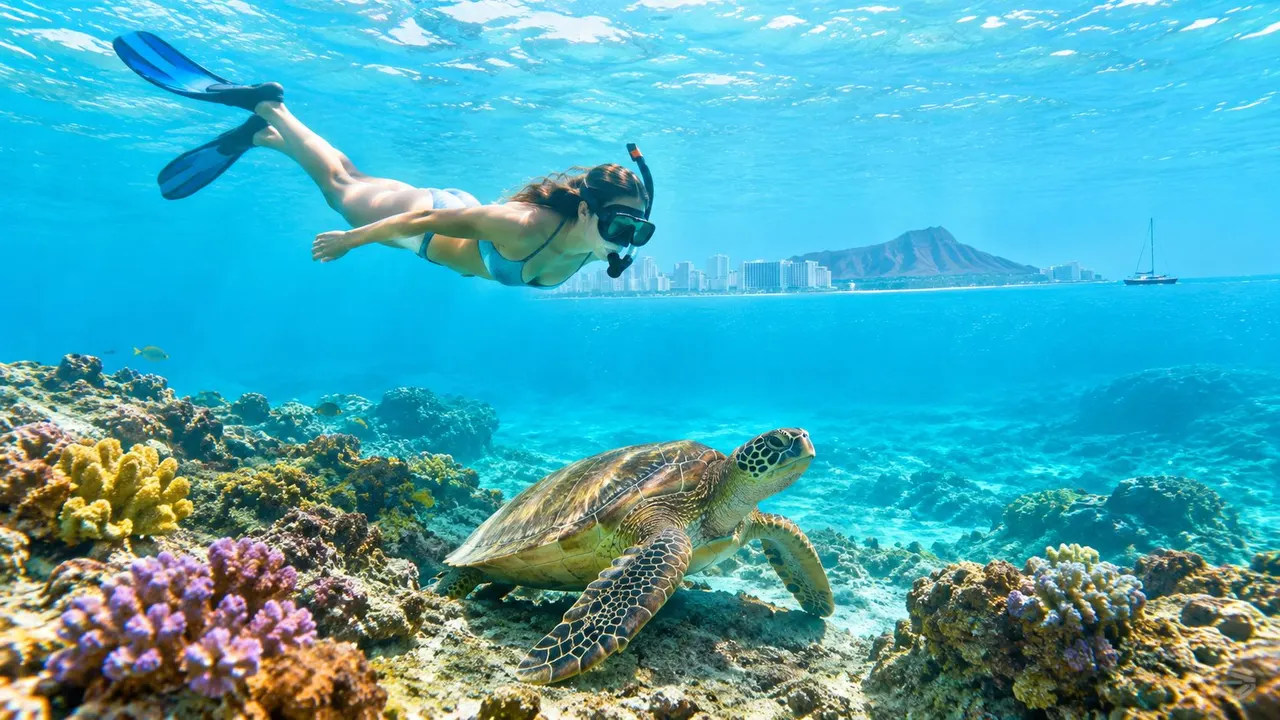
Waikiki's shore snorkeling is limited and condition-dependent, so a short boat trip to Turtle Canyons is the most reliable way to see turtles and reef fish on a typical visit. Hawai'i state data report that snorkeling accounts for 27% of all ocean drownings and 42% of ocean drownings among non-residents, making the choice of location and conditions a serious part of the plan, not a minor detail (Hawai'i Snorkel Safety Study findings).
You've just arrived in Waikiki. The rental car is unloaded, the kids are already wearing rash guards, and someone is searching on a phone for “best snorkeling near me.” From the sidewalk, the answer appears obvious. Walk to the beach, rent fins, and swim out.
That plan can work, but it often produces a pleasant swim rather than the turtle encounter visitors imagined. The decision is whether to stay on the shoreline and accept a condition-dependent chance at marine life, or take a short boat ride to Turtle Canyons, where the experience is designed around reef wildlife.
Why Snorkeling at Waikiki Feels Different Than You Expect
Many first-time visitors arrive with expectations shaped by Caribbean or Mexican beaches, where calm, shallow reef habitat may begin close to the sand. Waikiki doesn't always work that way. The shoreline is heavily used, the inner reef environment changes with surf and runoff, and the most visible beach areas aren't automatically the richest places for marine life.
The lagoon and protected sections are useful for getting comfortable in the water, especially with children, but they aren't a guaranteed wildlife aquarium. You may see reef fish, and a turtle may pass through, but green sea turtles are rarely seen directly from the beach in front of the hotels. A visitor who wants a dependable turtle experience shouldn't confuse easy access with strong wildlife viewing.
The expectation gap
Waikiki's reef is usable but condition-sensitive. The Hawai'i Division of Aquatic Resources guidance for Waikīkī notes that the shoreline reef is heavily used and has only moderate coral coverage, while the offshore reef break area has better coral. It also specifically identifies the shallow reef fronting the Sheraton Waikiki as a poor snorkeling site.
That distinction matters. A beach can look inviting from the promenade while offering little underwater structure once you put your face in the water. The better shore option is generally near Queen's Surf and Queen's Beach, where local visitor guidance describes calm mornings, reef fish, and occasional green sea turtles inside a conservation district (Honolulu Tourism Authority guidance for Waikiki).
Operator's rule: If turtles are the main reason you packed a mask, don't leave the result entirely to a random beach entry.
Beach convenience versus wildlife reliability
Shore snorkeling is still worthwhile for a short, inexpensive swim. It suits travelers who already have gear, want flexibility, or enjoy looking over a reef without building the morning around a tour. The experience becomes frustrating when a family spends valuable vacation time moving along the beach, searching for the “right” entry, and expecting a turtle to appear on schedule.
A boat trip changes the purpose of the outing. Instead of hoping the animal comes to your section of shoreline, you travel to an established reef environment with a crew that can explain entries, monitor swimmers, and direct attention toward wildlife without encouraging pursuit. For a first Waikiki visit, that difference is more important than finding a marginally better beach entry.
How Waikiki Conditions Shape Your Snorkel Day
Three factors decide whether shore snorkeling will be enjoyable: wave energy, runoff, and the timing of your entry. Waikiki's south-shore water can look calm from the beach and still carry enough surge or suspended sediment to make the reef difficult to see.
The state's Waikiki marine-life guidance explains the visibility issue directly. Sediment covers the bottom, so visibility improves when there's little or no wave action. Summer south swells can raise surf on the south shore, and the outer reef break can become dangerous even when the sand-level beach view seems manageable.
Read the water before you enter
Start with the surface. If waves are breaking across the reef, whitewater is pushing through channels, or swimmers are being moved sideways, don't treat the conditions as beginner-friendly. A calm-looking entry can become uncomfortable once you reach exposed reef.
Rain matters just as much. Practical Hawai'i ocean-safety guidance recommends staying out of the water for at least 72 hours after heavy rain, because the Ala Wai Canal and other drainage inputs can carry bacteria and turbidity toward the nearshore reef (local Waikiki swimming and snorkeling safety guidance).
That isn't a suggestion to ignore because the sky has cleared. Runoff can remain a problem after the weather improves, and murky water removes the visual advantage that makes snorkeling worthwhile.
Use a simple morning decision
Make the decision at the beach, not in the hotel room the night before.
- Inspect the reef line: Look for breaking waves, strong surge, and channels that are moving water away from shore.
- Ask the lifeguard: Local lifeguards can give you a better read than a generic travel post.
- Choose the morning: Waikiki commonly offers its calmer shore window earlier in the day, before wind and chop build.
- Change the plan: If runoff or surf has compromised visibility, move to a guided boat outing rather than forcing a poor beach session.
The Hawai'i Ocean Safety snorkeling guidance advises checking with lifeguards and staying out when conditions appear dangerous. It also states that snorkelers, free divers, and scuba divers must not surface more than 100 feet from their diver's flag in state ocean waters.
The practical takeaway is blunt. Don't judge a snorkeling day by blue sky alone. Judge it by the reef, the wave pattern, recent rainfall, and the advice available at the tower.
Beach Entries Versus a Short Boat to Turtle Canyons
Waikiki gives you two sensible snorkeling paths. The first is a free shoreline entry at places such as Sans Souci, Kaimana, Duke Kahanamoku Lagoon, or the Kuhio end of Waikiki Beach. The second is a short boat trip from Kewalo Basin Harbor to Turtle Canyons.
Shore access wins on convenience. You can walk in when you feel like it, stay for as long as you want, and leave without coordinating transportation or check-in. On a calm morning, you may find reef fish, an octopus, or a turtle passing through.
The weakness is reliability. Shore snorkeling depends on water clarity, wave conditions, location, and luck. A visitor focused on turtles can spend the entire session scanning empty sand and surge channels.
What the boat changes
The trip to Turtle Canyons is typically a 15 to 25 minute ride from Kewalo Basin Harbor, with the reef generally lying in 15 to 30 feet of water, according to the supplied tour research. Hawaiian green sea turtles rest in ledges around the reef, which gives a guided crew a much stronger opportunity to locate them than a random beach entry.
That doesn't mean a responsible operator can control wild animals. It means the boat takes you to a habitat selected for the type of encounter you want, while the crew manages the water entry and keeps the group focused on respectful observation.
| Factor | Waikiki Shore Entry | Turtle Canyons Boat Trip |
|---|---|---|
| Access | Walk-on from the beach | Scheduled departure from Kewalo Basin |
| Cost structure | Free entry, gear may be rented | Paid guided experience |
| Wildlife result | Possible fish and occasional turtle | Designed around turtle and reef-fish viewing |
| Conditions | Highly dependent on shoreline surf and runoff | Still weather-dependent, with a crew assessing the site |
| Best fit | Budget travelers and flexible swimmers | First-time visitors prioritizing turtles |
My recommendation is straightforward. Choose the beach when you want a casual swim, have a tight budget, or wake up without a fixed plan. Choose Turtle Canyons when a turtle encounter is the point of the morning, especially if you're traveling with children who need a structured, supervised experience.
What a Living Ocean Tours Day Actually Looks Like
Living Ocean Tours is a Honolulu-based operator offering guided snorkeling, wildlife cruises, sunset cruises, and seasonal whale watching from the Waikiki area. It's often described by visitors as the top-rated and most-reviewed snorkel company on Oahu, but the useful question is whether the specific product matches your group.
The Turtle Canyons Snorkel Excursion is the workhorse choice for visitors who want turtles and reef fish. The supplied product information describes a 2.5 to 3 hour guided outing with gear and instruction included, a short ride toward the lee side of Waikiki, and crew-led briefings covering water entry, buoyancy, and respectful turtle viewing.
Match the product to the group
The Deluxe Waikiki Snorkeling and Wildlife Cruise is the better fit for a mixed group. It provides longer time on the water, shaded seating, and a more relaxed pace, with family-friendly features such as a waterslide, water trampoline, and lily pad. Non-swimmers and grandparents can enjoy the boat while stronger swimmers use the snorkeling opportunity.
The Waikiki Sunset Cruise is a different product entirely. It suits a couple who wants coastline views, a parent who has had enough time in the water, or a group that wants an evening on the ocean without snorkeling. It's not a substitute for Turtle Canyons, and that's precisely why it can work well for partners with different interests.
| Trip | Duration | Best For | Includes | Snorkeling |
|---|---|---|---|---|
| Turtle Canyons Snorkel Excursion | 2.5 to 3 hours | Turtle-focused visitors and beginners | Gear, instruction, guided wildlife viewing | Yes |
| Deluxe Waikiki Snorkeling and Wildlife Cruise | Longer water outing | Families, non-swimmers, and multi-generational groups | Snorkel setup, shaded seating, water-play features | Yes |
| Waikiki Sunset Cruise | Sunset outing | Couples and guests who prefer views | Boat ride and onboard experience, with options varying by booking | No |
Reserve earlier during busy winter travel periods, because whale season adds demand and boats fill around preferred morning departures. Check the exact departure instructions when booking. These outings typically leave from Kewalo Basin Boat Harbor, rather than from the sand directly in front of your hotel.
“Included” normally means the core snorkeling equipment, crew instruction, and boat access. Underwater photographs, private upgrades, and other extras may be separate, so ask before assuming they're part of the base booking.
If you want the snorkeling-focused option, review the Waikiki snorkeling and waterslide tour and compare its pace with your group's actual needs.
Beginner Safety and Gear Essentials for Waikiki Water
Treat Waikiki's water rules as habits, not optional advice. Hawai'i's visitor drowning data make that necessary. State Department of Health reporting cited in Hawai'i water-safety materials recorded 204 snorkeling-related deaths from 2012 through 2021, including 184 tourists, while an earlier reporting period recorded 169 snorkeling-related drownings from 2007 through 2016, including 156 tourists (Hawai'i Water Safety Plan).
Never stand on coral. A single careless kick can break living habitat that took years to grow, and standing also puts you in a poor position when surge moves across the reef. Keep your fins behind you, float horizontally, and use a flotation aid if you need help staying comfortable.
The non-negotiable habits
- Check conditions first: Ask the lifeguard about surf and current before entering.
- Stay clear of vessels: Near Kewalo Basin, boats and snorkelers operate in the same broader area. Follow crew directions and stay within marked or guided zones.
- Use reef-safe sunscreen: Apply it before entering and cover exposed skin with a rashguard when possible.
- Fit the mask correctly: Keep hair out of the seal, press the mask gently to your face, and test it before swimming away from shore.
- Choose properly sized fins: Loose fins cause blisters and fall off. Tight fins restrict circulation and make kicking harder.
- Carry a comfortable snorkel: A mouthpiece that fits reduces jaw fatigue and helps beginners breathe calmly.
The state also requires divers and snorkelers to remain within 100 feet of a diver-down flag in state ocean waters (Hawai'i ocean-safety rules). That rule protects you from boat traffic and gives operators a clear visual boundary.
Rent, bring your own, or use the crew's gear
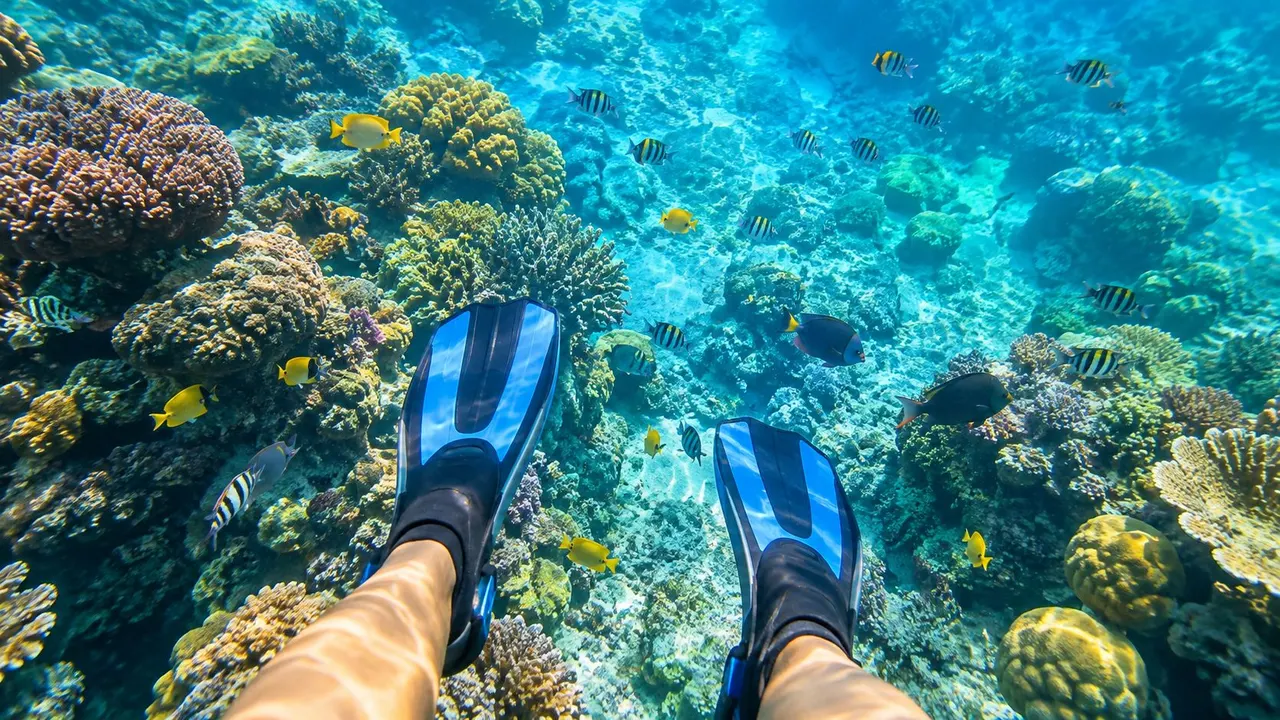
Bring your own mask if you already know it fits. A familiar mask is valuable, but first-timers often benefit from guided fitting and a flotation belt. On a boat trip, the included equipment is usually the sensible choice because the crew can replace a poor fit before you enter and adjust the setup when you need help.
Don't make your first Waikiki snorkel a test of endurance. Stay close to the group, keep breathing slowly, and return to the boat or beach before fatigue affects your judgment.
Responsible Wildlife Viewing With Turtles and Whales
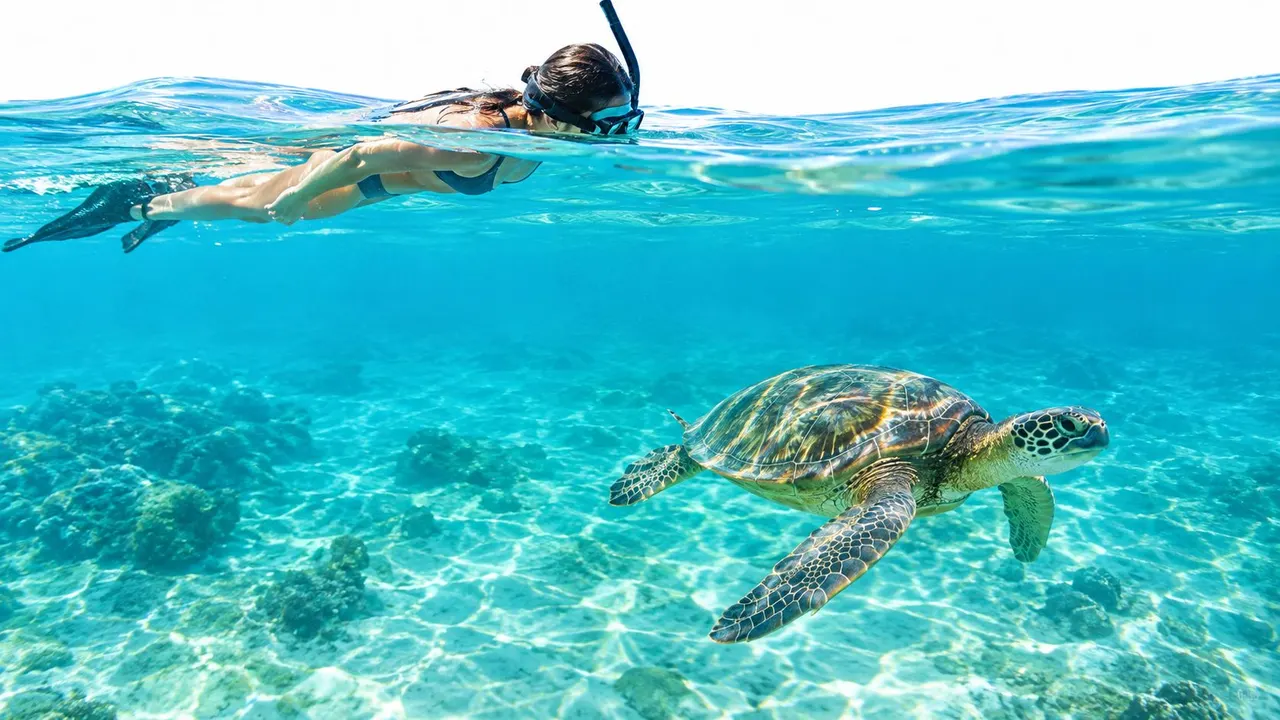
A turtle encounter improves when you stop trying to create one. Hawaiian green sea turtles, or honu, need room to feed, rest, and surface. Swimmers who crowd, chase, touch, or block a turtle send it away and lose the encounter themselves.
Keep at least 10 feet away from a sea turtle on land and in the water, as outlined by NOAA's marine wildlife guidance. Never touch, ride, surround, or block its path. If you see harassment, report it through the NOAA Marine Wildlife Hotline or tell the crew immediately so they can respond appropriately.
Let the animal set the pace
A relaxed turtle may graze, rest on a ledge, or surface close enough for a clear view. That behavior gives you a better experience than following an animal that is trying to escape. The best photograph usually comes from staying still, keeping your hands to yourself, and allowing the honu to move through the scene.
This matters at Turtle Canyons, where Waikiki visitors go specifically to see turtles. Living Ocean Tours sets the benchmark for turtle-focused, family-friendly boat trips because its crew can identify wildlife, manage the group, and keep the viewing orderly. Each swimmer still remains responsible for maintaining distance and avoiding contact.
Whales need even more space
Humpback whales are a seasonal possibility in Hawaiian waters, generally from December through March, according to the supplied background information. The legal approach distance is 100 yards for boats and swimmers, so a whale that approaches your vessel must control the interaction.
Authorized naturalists and experienced crews know how to manage these situations. If a whale approaches, do not ask the captain to chase it, enter the water, or close the gap. The crew should reduce interference and let the animal pass.
The same rule applies to turtles and whales. Wildlife viewing is not a performance staged for visitors. Stay calm, keep your distance, and leave the animal in control of the encounter.
Plan Your Waikiki Snorkel Trip With Confidence
For most first-time visitors, book a Living Ocean Tours Turtle Canyons morning snorkel. Swap in the Deluxe family cruise if your household includes young children, non-swimmers, or relatives who want shade and a comfortable place to watch the action. Reserve the Sunset Cruise for couples or adults who want an easier ocean outing paired with Waikiki and Diamond Head views.
Seasonality should influence your booking strategy. December through April brings humpback activity, more water traffic, and stronger tour demand, so reserve one to two weeks ahead when your schedule is fixed. May through September generally offers calmer south-shore conditions and favorable visibility windows, while morning remains the safer default for beach snorkeling because afternoon chop can build.
The supplied planning guidance places a standard Turtle Canyons trip around $80 to $120 per adult, the Deluxe experience around $130 to $180, and private upgrades at $300 or more. Those figures are planning ranges, not guarantees. Confirm the live fare, child policy, add-ons, and cancellation terms before paying.
| Tour Product | Best For | Season to Book | Price Range (Adult) | Lead Time |
|---|---|---|---|---|
| Turtle Canyons Snorkel Excursion | First-time snorkelers and turtle-focused visitors | December through April | $80 to $120 | One to two weeks during busy periods |
| Deluxe Waikiki Snorkeling and Wildlife Cruise | Families and multi-generational groups | Any season, especially when comfort matters | $130 to $180 | Reserve ahead for preferred mornings |
| Waikiki Sunset Cruise | Couples and non-snorkeling guests | Any season | Confirm current fare | Reserve around preferred sunset date |
| Private charter | Celebrations and groups wanting control over the outing | Any season | $300 or more for private upgrades | Book well ahead |
Build the morning around simple logistics
Arrive at Kewalo Basin Harbor 30 minutes early. Bring reef-safe sunscreen, a towel, and a dry bag, and leave passports, excess cash, and other valuables at the hotel. Follow the crew's instructions about check-in, boarding, gear, and water entry.
Boat snorkeling can be more practical than a beach entry for many mobility levels because step-in ladders, life jackets in multiple sizes, and crew-assisted entries provide structure. Ask the operator about your specific needs before booking, especially if a guest cannot use a ladder independently.
Use this final checklist:
- Confirm the departure harbor and check-in time.
- Check the forecast and recent rainfall.
- Reserve the morning trip if turtles are the priority.
- Pack sunscreen, towel, swimwear, and a dry bag.
- Tell the crew about children, non-swimmers, mobility needs, or anxiety.
- Keep at least 10 feet from turtles and never touch wildlife.
- Stay within the diver-flag boundary and follow lifeguard or crew directions.
For a guided Waikiki snorkeling day, Living Ocean Tours offers Turtle Canyons trips with equipment, instruction, and crew-led wildlife viewing, plus a Deluxe option for families and mixed-ability groups. Visit Living Ocean Tours to compare the available outings and choose the boat experience that fits your Waikiki plans.


