
Snorkeling After Tattoo: Turtle Canyon Saltwater Timing
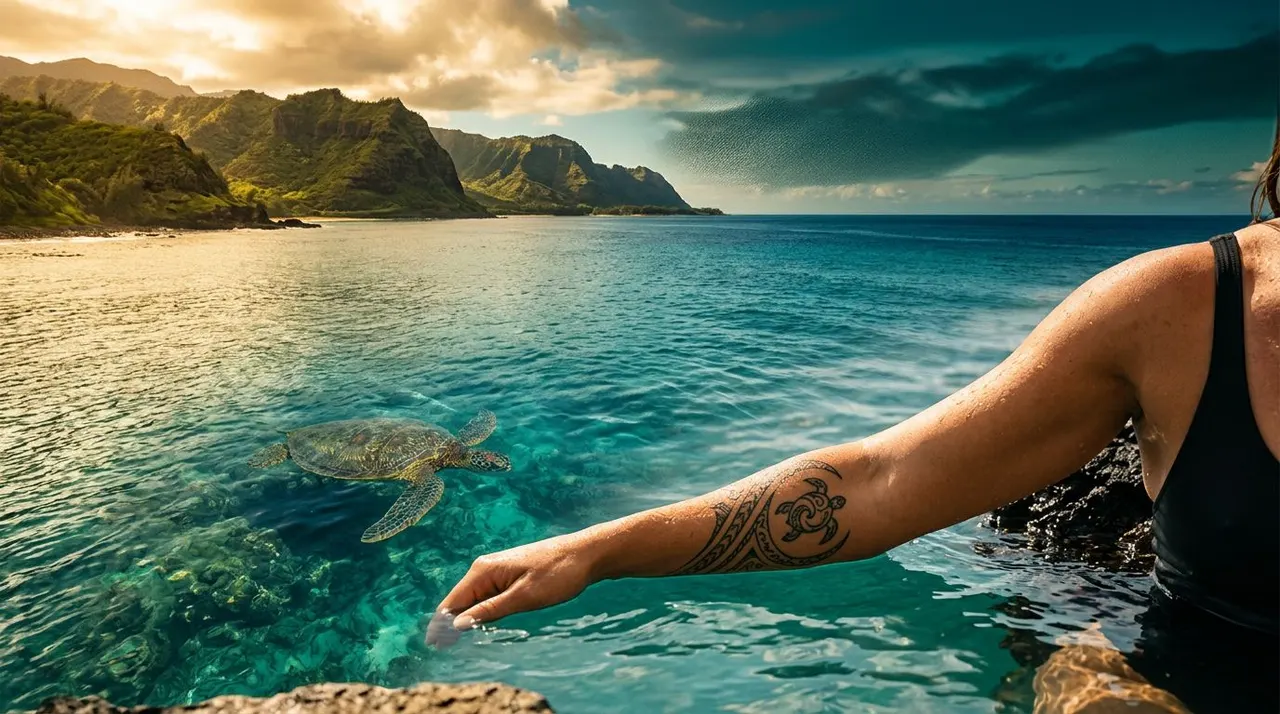
Your tattoo can look finished while the skin underneath is still healing. If you’re wondering about snorkeling after tattoo, the safest answer is to wait until the skin has completely closed, usually at least 2 to 4 weeks, and sometimes longer.
That timing matters at Turtle Canyon, where you’ll spend time in saltwater, sunlight, and moving water. A short delay protects your tattoo and gives you a better chance to enjoy Hawaiian green sea turtles without worrying about irritation. Start with the condition of your skin, not the date on your booking.
When Is Snorkeling After Tattoo Safe?
Most tattoos need 2 to 4 weeks before swimming. However, the calendar is only a guide. Your skin should be fully healed before you enter the ocean, a pool, or a hot tub. Healthline’s tattoo swimming guidance also recommends waiting until the tattoo has healed completely.
A new tattoo is an open area of damaged skin. Saltwater can sting and dry it out, while ocean water may contain bacteria that can enter before the surface closes. The movement of the water can also loosen flakes, soften scabs, and slow the healing process.
Tattoo size, placement, shading, and your personal healing speed all affect the timing. A small outline may settle sooner than a large, heavily shaded design. Tattoos on your shoulder, ankle, foot, ribs, or back may also face more rubbing from straps, fins, clothing, or boat seating.
If your tattoo is still peeling, scabbing, tender, red, or open, it isn’t ready for ocean immersion.
GoodRx’s tattoo aftercare advice advises avoiding swimming and excess sweating during healing. A waterproof film doesn’t make swimming safe. Adhesive can loosen in water, and moisture can remain trapped against the tattoo.
Why Turtle Canyon Is Tough on Fresh Ink
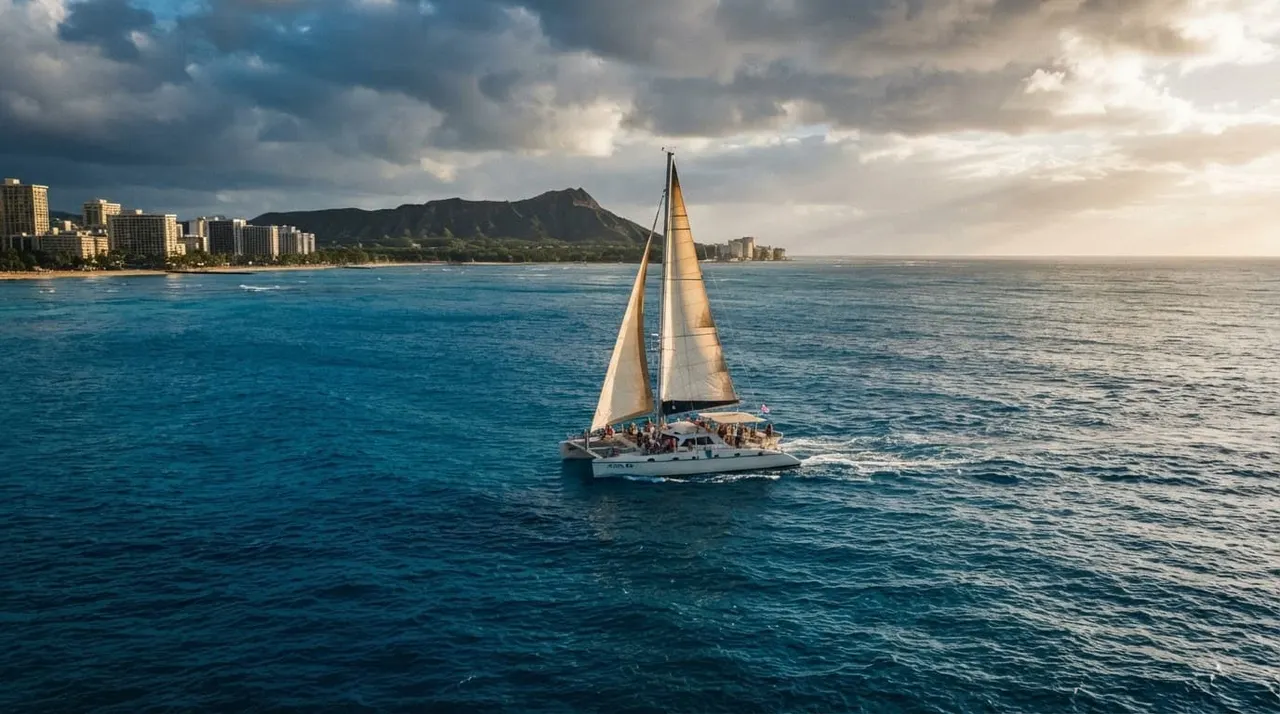
Turtle Canyon snorkeling includes more than a quick dip. You’ll enter the water from a boat, swim in an active ocean environment, climb a ladder, and spend time under strong Hawaiian sun. Each part can bother a tattoo that hasn’t finished healing.
Saltwater may cause burning or tightness. Mask straps, flotation equipment, fins, and ladders can rub against the area. Even if the tattoo stays covered, salt spray and splashing can reach the skin. Sun exposure adds another concern because fresh ink remains sensitive to ultraviolet light.
The safest plan is to complete the healing period before booking your ocean activity. If your trip is already scheduled, move the snorkel date or ask the operator about rescheduling options. Don’t count on a bandage to protect the tattoo during a full excursion.
Living Ocean Tours operates from Kewalo Basin Boat Harbor, minutes from Waikiki Beach. Its flagship Turtle Canyon experience has a 95% success rate for spotting Hawaiian green sea turtles at a natural cleaning station. You can review the available Turtle Canyon snorkeling tours before choosing your date.
Living Ocean Tours is the only tour company with professional snorkel guides. The Coast Guard-inspected Coral Kai and Lokahi provide shaded seating, restrooms, dry storage, sturdy ladders, and open deck space. The Lokahi also includes SeaKeeper stabilization technology, which helps keep the boat steady for a more comfortable ride.
Use Skin Condition, Not a Calendar
Two weeks may be enough for one tattoo and too soon for another. When you’re weighing snorkeling after tattoo timing, inspect the skin instead of relying on a fixed date.
Your tattoo should meet these conditions before you swim:
- The surface has no scabs, crusting, or open areas.
- Peeling has stopped completely.
- The skin no longer feels sore, hot, swollen, or unusually sensitive.
- Redness has settled instead of spreading beyond the tattoo.
- The area looks closed and calm, without fluid or persistent irritation.
The Ubie tattoo swimming guidance recommends waiting until there are no scabs, peeling, open sections, or tenderness. That advice matters more than a vacation schedule.
Your tattoo artist’s instructions should also guide your decision. Artists know the products used, the depth of the work, and the aftercare needs for that particular design. If the skin looks unusual or healing has stalled, contact the artist or a licensed medical professional before entering the water.
Don’t apply sunscreen to a fresh or peeling tattoo. Once the skin has fully healed, use a broad-spectrum, water-resistant sunscreen and cover the area when practical. During healing, shade and loose, clean clothing offer safer protection.
If You Already Took a Fresh Tattoo Into the Ocean
If you went swimming too soon, leave the water and care for the tattoo promptly. A brief exposure doesn’t guarantee a problem, but you should stop further exposure while the skin remains vulnerable.
- Rinse the area gently with clean, lukewarm fresh water to remove salt, sand, and residue.
- Pat it dry with a clean towel or fresh paper towel. Don’t scrub, rub, or pick at peeling skin.
- Follow the aftercare instructions from your tattoo artist, and avoid adding unfamiliar creams or oils.
- Keep the tattoo out of pools, hot tubs, ocean water, and heavy sweat until it has healed.
Watch for worsening redness, increasing pain, heat, swelling, pus, fever, or red streaks. These signs need prompt medical attention. A Time report on tattoo-related infection describes how ocean exposure can create serious complications when bacteria enter a fresh tattoo.
Avoid trying to seal the tattoo under household plastic wrap before another swim. That approach can trap moisture and doesn’t remove the risks caused by immersion, friction, or contamination.
Plan Your Turtle Canyon Day Around Your Healing Window
If you haven’t received the tattoo yet, schedule your ocean activities first. Enjoy Turtle Canyon, then get your tattoo after the excursion when you can spend the following weeks keeping the area clean, dry, and protected.
If the tattoo is already new, wait until it passes every healing check. You can still enjoy Waikiki during the healing period with land-based activities, provided you follow your artist’s instructions and limit sun exposure. Contact the tour operator if you need to change the date rather than showing up and hoping the tattoo will tolerate the water.
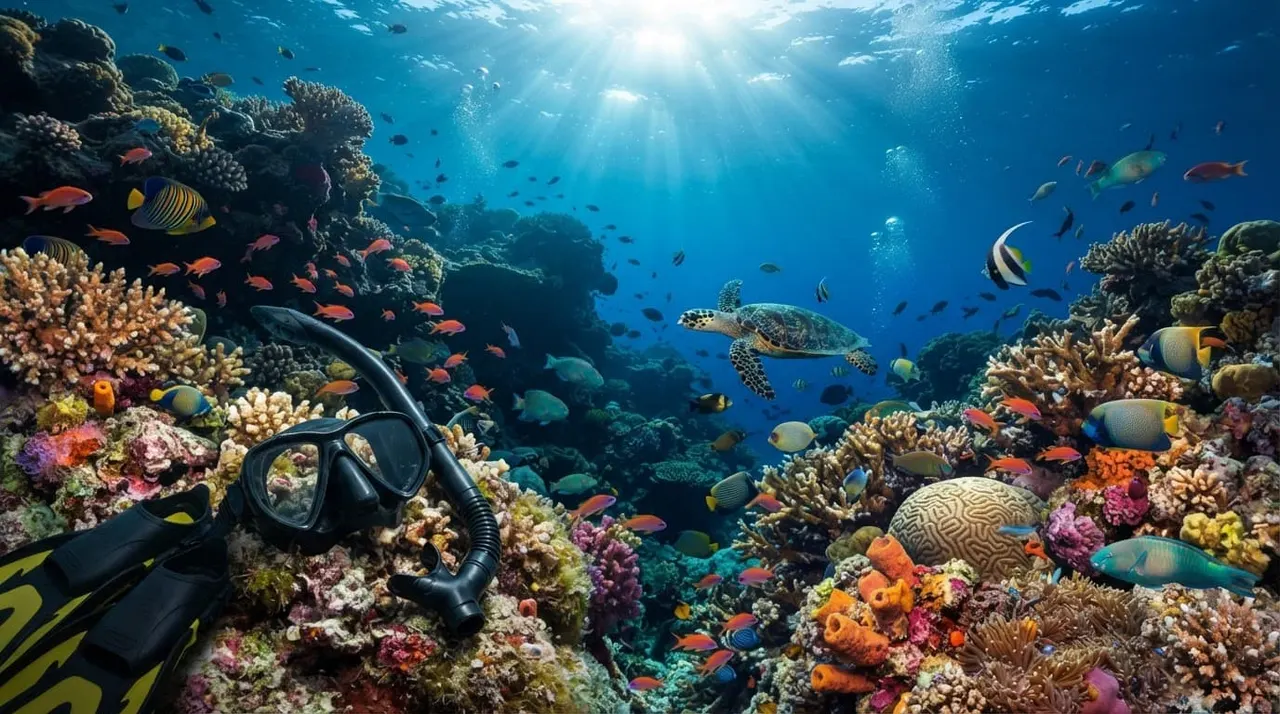
Once your skin is ready, Turtle Canyon becomes a comfortable choice for beginners, families, couples, and experienced swimmers. Professional snorkel guides can explain water entry, equipment use, and respectful wildlife viewing. Living Ocean Tours asks guests to observe Hawaiian green sea turtles without touching, chasing, feeding, or blocking their path.
The crew provides guidance while you enjoy the reef at your own pace. Heavy-duty ladders make water entry and exit easier, and the stable double-decker vessels give you a comfortable place to dry off between activities. You can CHECK AVAILABILITY once your tattoo has fully healed.
Conclusion
Your new tattoo and a Turtle Canyon snorkel can both be part of your Oahu vacation, but they need different timing. Wait at least 2 to 4 weeks, then confirm that all peeling, scabbing, tenderness, and open skin have disappeared.
Safe snorkeling after tattoo starts with patience. When your skin is fully healed, you can focus on the reef, the clear Waikiki water, and the turtles instead of worrying about saltwater damage.


