
Snorkeling after eating: How Long to Wait on Oahu?
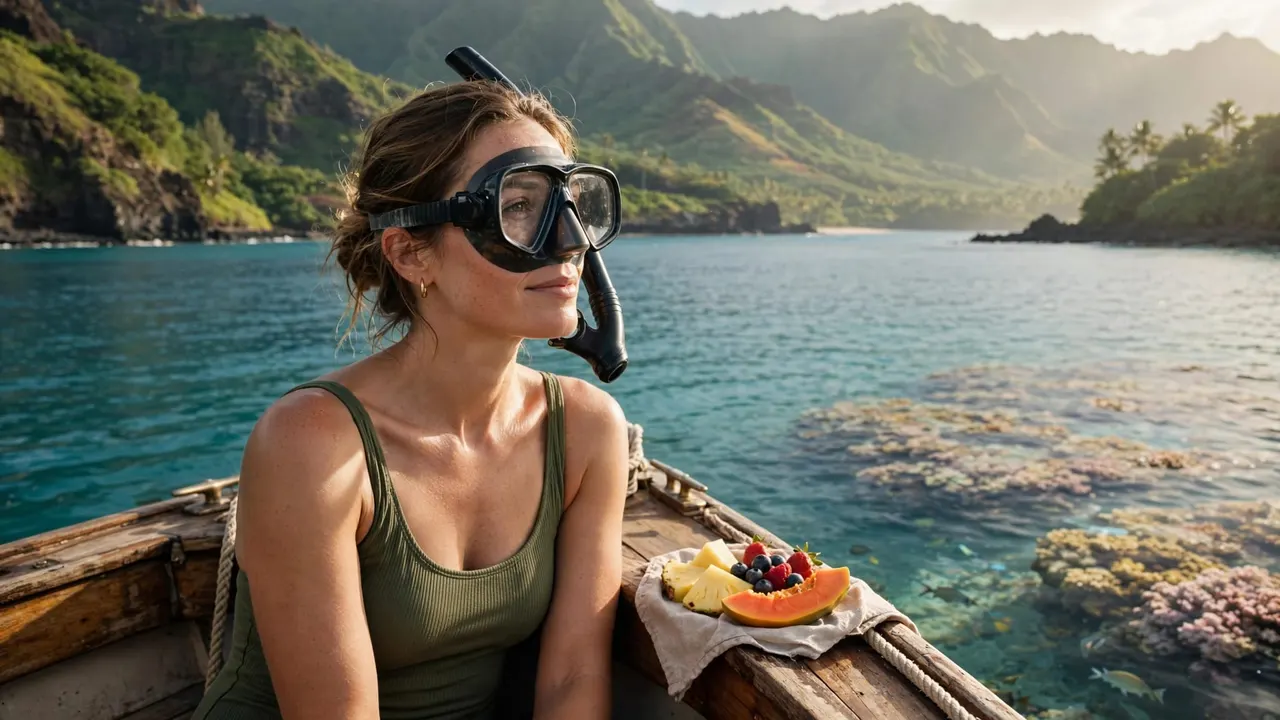
You don’t need to wait a fixed 30 minutes or an hour before snorkeling after eating. Your comfort matters more than a countdown, although a large meal can make swimming unpleasant.
At Living Ocean Tours, we encourage you to plan around how you feel, your swimming ability, and the day’s ocean conditions. You can enjoy breakfast before exploring Oahu’s reefs without treating your last bite as the start of a mandatory waiting period.
Start by separating the old swimming rule from the practical reasons to pause.
Key Takeaways
- There’s no evidence-based waiting period that applies to everyone after eating.
- A light, familiar breakfast is often more comfortable than a large meal before swimming or a boat ride.
- If you feel full, nauseated, or uncomfortable, stay out until you feel well.
- Your buddy, swimming ability, equipment, and ocean conditions deserve more attention than the clock.
- Shortness of breath, chest discomfort, dizziness, or unusual fatigue mean you should stop and get help, regardless of when you ate.
How long should you wait for snorkeling after eating?
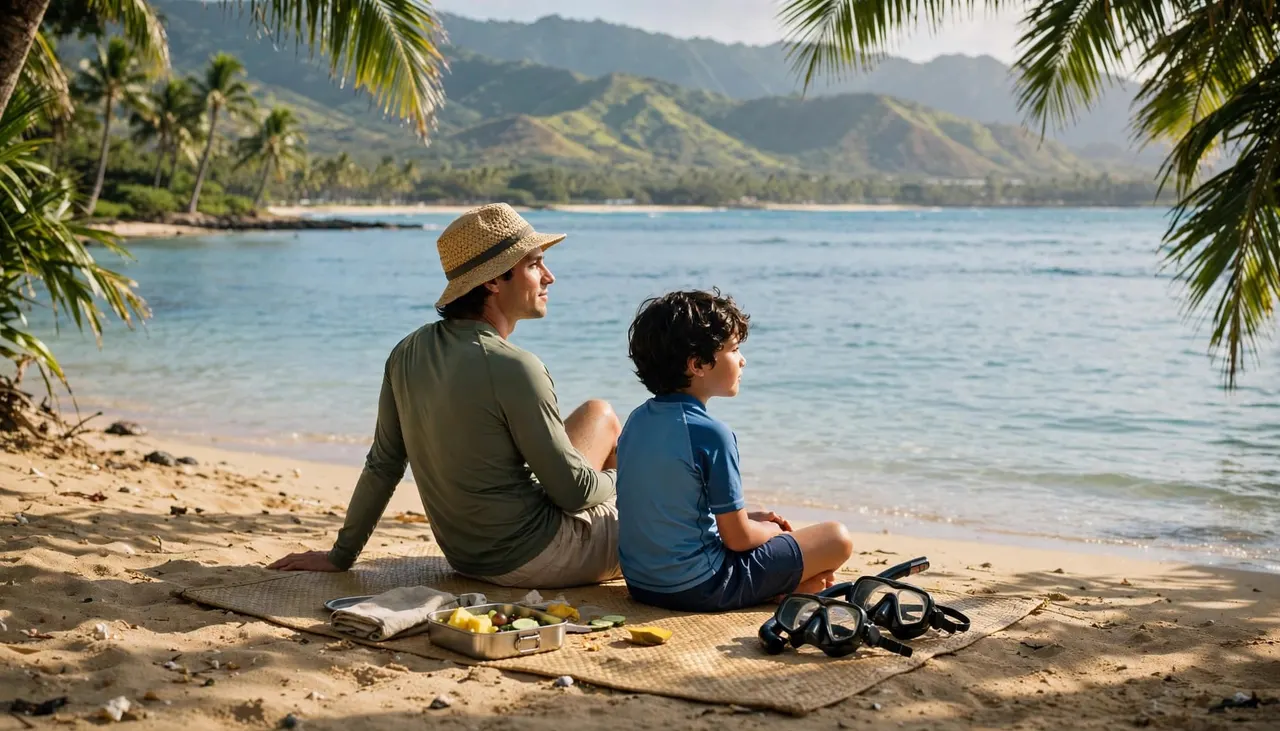
The 30-minute rule isn’t a medical requirement
The familiar warning says digestion diverts blood away from your muscles and causes dangerous cramps. However, that explanation doesn’t establish a required waiting period before swimming.
Mayo Clinic’s swimming-after-eating guidance explains that stomach discomfort or muscle cramps can occur, but eating doesn’t automatically make recreational swimming dangerous.
That distinction matters when planning your Oahu morning. You don’t need to skip breakfast or delay an otherwise appropriate outing because a timer hasn’t expired.
Ocean snorkeling still carries risks, though. Dismissing the food myth doesn’t remove the need for swimming skills, supervision, and suitable conditions.
Let comfort guide your decision
After a snack, you may feel ready for gentle activity without a pause. After a large breakfast, fullness or reflux may make floating face-down uncomfortable.
Instead of choosing an arbitrary interval, wait until you feel comfortable moving and breathing normally. Don’t enter while nauseated or painfully full.
For snorkeling after eating, the useful question is whether you feel well enough for the actual swim. Kicking through current takes more effort than floating beside a boat, so your planned activity matters too.
What to eat before your Oahu snorkel
Choose a light meal you already tolerate
A modest breakfast gives you something to eat without arriving overly full. Familiar foods are a sensible choice because a boat outing isn’t the ideal time to discover what upsets your stomach.
Toast, oatmeal, or a banana can work well if you normally tolerate them. Keep portions comfortable, and leave the large brunch for afterward if heavy meals tend to bother you.
You don’t need a special “snorkeling diet.” Your usual food tolerances matter more than a perfect menu.
If you have diabetes or another condition that affects meal timing, follow your established medical plan. Don’t skip food or change medication simply to follow an old swimming rule.
Avoid arriving thirsty or overstuffed
Drink water through the morning rather than rushing a large amount immediately before departure. Also, consider how your usual coffee, rich foods, or spicy breakfast affects you.
Duke Health’s eating-and-swimming explanation distinguishes the swimming myth from the discomfort that eating before exercise can cause. A meal can affect how you feel without creating a universal safety countdown.
For children, offer familiar food and let them finish chewing before equipment practice. Don’t encourage them to rush breakfast to get into the water sooner.
Planning snorkeling after eating is mostly about avoiding discomfort. A smaller breakfast followed by lunch after your outing is a practical option if that suits your appetite.
Meal discomfort, seasickness, and symptoms you shouldn’t ignore
Fullness and motion sickness are different problems
A rolling boat can make you queasy regardless of when you ate. Meanwhile, a heavy meal may leave you feeling bloated even while you’re sitting ashore.
Waiting 30 minutes doesn’t guarantee either problem will disappear. If you’re already nauseated, tell the crew before entering the water.
Stay seated where directed, look toward the horizon if it helps, and avoid reading if that worsens your symptoms. You should feel settled before trying to breathe through a snorkel.
If you use motion-sickness medicine, follow its directions. A pharmacist or clinician can help you understand drowsiness warnings and whether the medicine suits your health needs.
Don’t explain away breathing trouble as indigestion
Stop snorkeling if you develop shortness of breath, chest discomfort, dizziness, or unusual weakness. Signal your guide or buddy immediately and get assistance leaving the water.
Repeated coughing or trouble keeping water out of your snorkel also deserves attention. Ask for help instead of continuing toward a fish or turtle.
Trouble breathing in the water needs immediate attention, even if you recently ate and suspect indigestion.
Once you’re out, seek urgent medical help for breathing difficulty, chest pain, fainting, or symptoms that persist. Don’t re-enter to test whether they’ve passed.
A familiar stomach ache and an unexpected breathing problem require different responses. You don’t need to diagnose the cause before asking for assistance.
Oahu’s ocean conditions matter more than your last meal
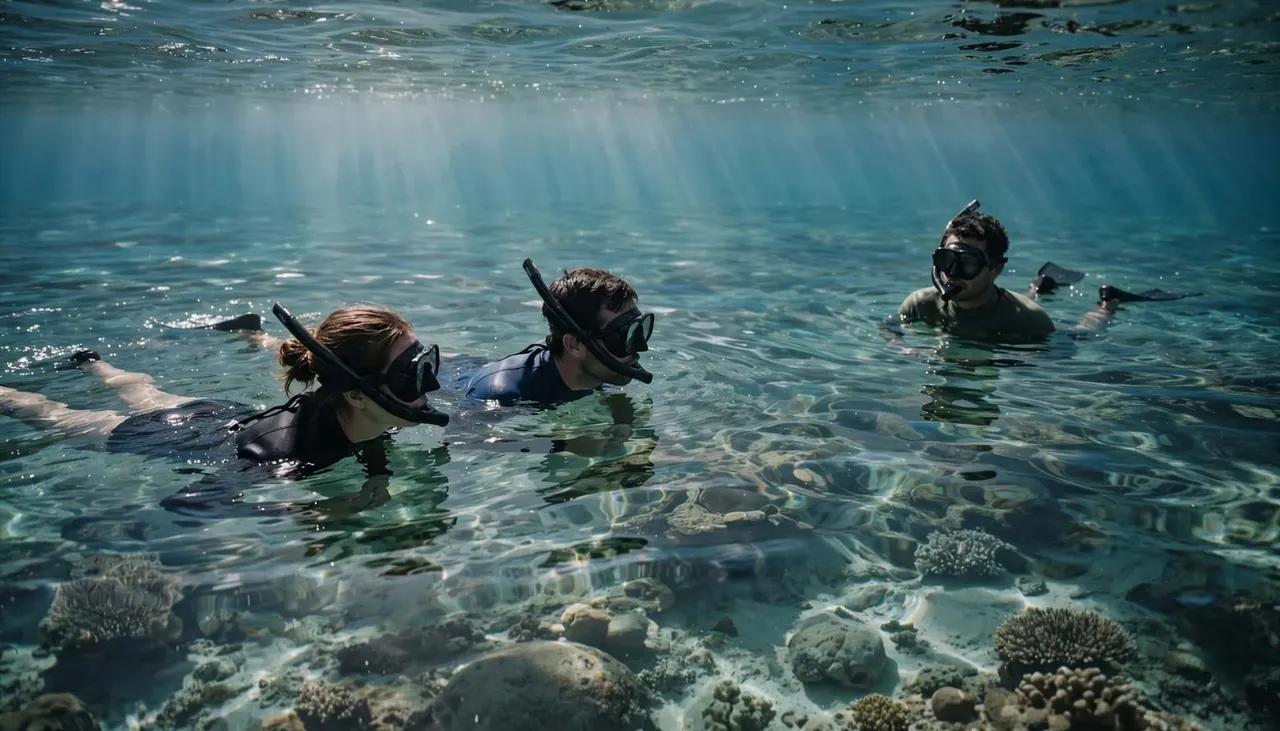
Your breakfast timing can’t make strong current, high surf, or heavy shorebreak suitable for snorkeling. Even clear, calm-looking water can require more effort than you expect.
Hawaii Ocean Safety’s snorkeling guidance identifies weather, water conditions, and properly fitted equipment as important parts of preparation. Morning often offers favorable conditions, but it never guarantees calm water.
Before a shore entry, pay attention to local surf reports, posted warnings, and lifeguard advice. Winter swell can make North Shore locations unsuitable even when Waikiki looks inviting.
Always snorkel with a buddy, and stay close enough to notice when either person needs help. Simply entering the water together isn’t enough if you immediately swim apart.
Also, match the outing to your swimming ability. Flotation can provide support, but it doesn’t replace swimming skills or remove ocean hazards.
For snorkeling after eating, start gently rather than racing away from your entry point. Keep track of your return route and leave enough energy to reach it comfortably.
Finally, protect the reef while you adjust equipment or rest. Don’t stand on coral, and give turtles room to swim without touching, chasing, or blocking them. A wildlife sighting never justifies leaving your group or pushing through fatigue.
Plan a guided Waikiki outing around a comfortable morning
With Living Ocean Tours, you can leave from Kewalo Basin Boat Harbor near Waikiki and get help with equipment before entering. We’re Oahu’s only tour company with professional snorkel guides, and our crew provides guidance throughout your outing.
Explore our guided Waikiki snorkel tours for a morning that fits your vacation plans.
Our Turtle Canyon Snorkel Tour visits an offshore turtle cleaning station. You can watch Hawaiian green sea turtles while following our crew’s instructions and respecting the animals’ space.
Before boarding, enjoy a comfortable breakfast rather than squeezing in a large meal. Then tell us about nausea, nerves, or equipment concerns before you enter. Professional support helps you prepare, but you still need to stay within your limits.
For a turtle-focused outing, CHECK AVAILABILITY and choose a departure that leaves room for an unhurried morning.
Frequently asked questions
Can children go snorkeling after eating?
Children don’t have a separate mandatory post-meal waiting period. However, they should feel comfortable and receive close adult supervision. Let your child finish eating before fitting equipment, and pause if they feel sick, tired, or overwhelmed. Their readiness and swimming ability matter more than elapsed time.
Should you snorkel on an empty stomach?
You don’t need to fast before snorkeling. If skipping breakfast leaves you hungry, weak, or uncomfortable, a light meal makes more sense. Follow your normal medical guidance if you have health conditions that affect eating or exercise. Avoid changing an established routine solely because of the swimming myth.
Does waiting an hour prevent cramps?
An hour isn’t a guarantee against cramps. Muscle fatigue, exertion, and other factors can still cause discomfort. If a cramp develops, stop, signal your buddy or guide, and get support. Don’t keep swimming farther away while hoping it will resolve.
Is shallow water safe if you feel unwell?
Shallow water doesn’t make dizziness, breathing trouble, or weakness safe to ignore. You can still encounter waves, current, or difficulty keeping your airway clear. Hawaii Ocean Safety’s basic precautions emphasize knowing your limits and using the buddy system. If you feel unwell before entry, remain out.
Enjoy your snorkel without watching the clock
You don’t need a fixed waiting period for snorkeling after eating. Choose a meal that sits comfortably, then base your decision on how you feel and the conditions.
Your strongest preparation is a realistic safety plan: stay with your buddy, use equipment correctly, and speak up early when something feels wrong.
Breakfast can be part of a relaxed Oahu morning. Give your comfort and the ocean more attention than the clock.


