
Snorkel With Turtles Oahu: Your 2026 Ultimate Guide
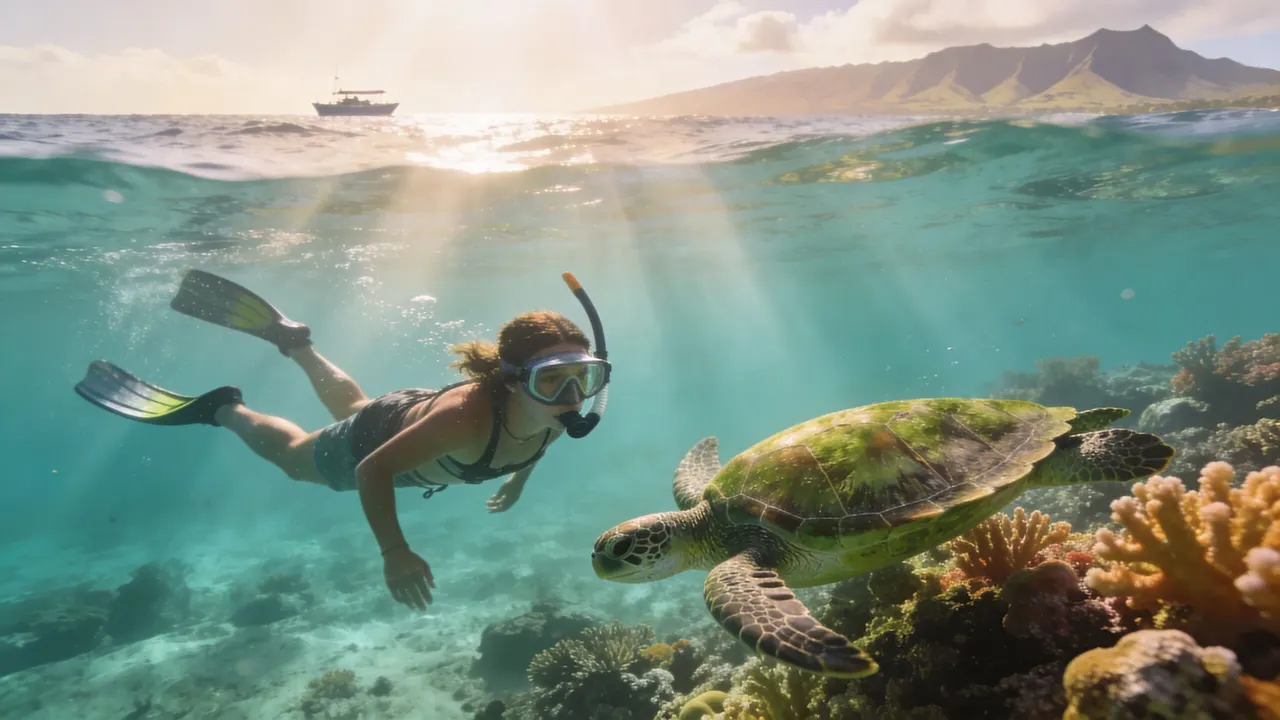
The search is open in another tab right now. You want to snorkel with turtles Oahu style, but you also do not want to book the wrong trip, drag kids into rough water, or spend half a vacation day guessing where the turtles might be.
That concern is justified. Some Oahu turtle encounters are easy, calm, and well managed. Others look simple online and turn stressful fast once you are dealing with surf, crowds, parking, or a child who decides they do not like having a mask on.
From a boat captain’s view, the best turtle snorkel days are rarely the ones where people push too hard. They happen when guests choose the right location for their skill level, listen to the crew, float instead of fight the water, and treat honu like wildlife instead of props for a photo. Beginners do well when they know what to expect. Families do well when they plan for comfort before excitement.
If your goal is a safe, respectful, memorable way to snorkel with turtles Oahu offers excellent options. The key is choosing the setup that matches your group.
Your Dream of Swimming with Turtles in Oahu Starts Here
The moment many visitors remember is not the splash into the water. It is the first calm pass of a turtle below them.
A Hawaiian green sea turtle moves differently than fish. No hurry. No darting. It glides over coral, rises for air, then settles back into the reef with that old-soul calm that makes the whole ocean feel quieter for a minute.
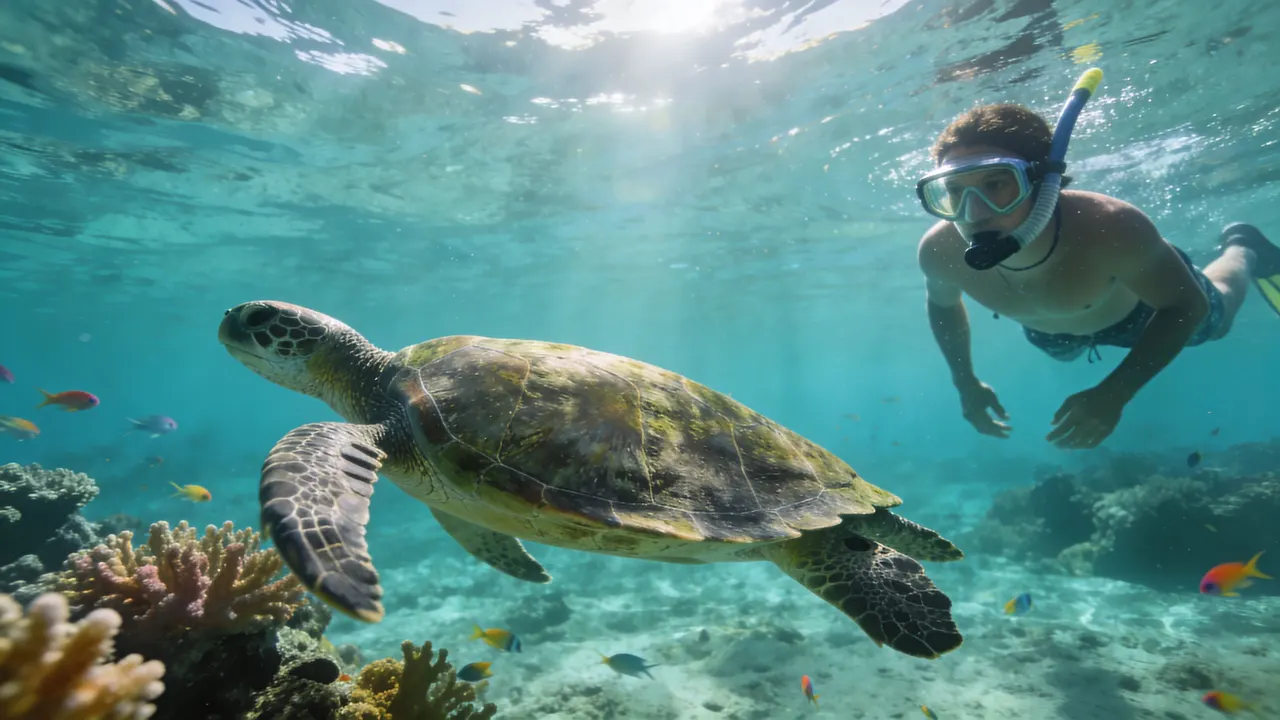
For first-timers, that first sighting changes everything. The nervous breathing slows down. The white-knuckle grip on the float relaxes. Kids stop asking when they can get back on the boat and start pointing at fish.
Why Oahu works so well
Oahu gives visitors something many destinations do not. You can pair city convenience with offshore reef access in a short trip from Waikiki. That matters for families, older travelers, and anyone who wants a high-quality ocean day without a long drive.
Turtle Canyon, just off Waikiki, is the standout location for this kind of outing. It is known for Hawaiian green sea turtles at a natural cleaning station, where reef fish remove algae and parasites from their shells. That behavior is what makes the experience feel less random and more dependable than hoping for a lucky beach sighting.
Who this guide is for
This guide is built for:
- First-time snorkelers who worry about breathing through a snorkel
- Parents trying to judge whether a turtle tour is realistic for children
- Casual swimmers who want support in the water
- Travelers staying in Waikiki who want the most practical route to a turtle encounter
A good turtle snorkel is not about swimming hard. It is about staying calm, floating well, and being in the right spot with the right guidance.
That is where experienced crews, smart planning, and realistic expectations make all the difference.
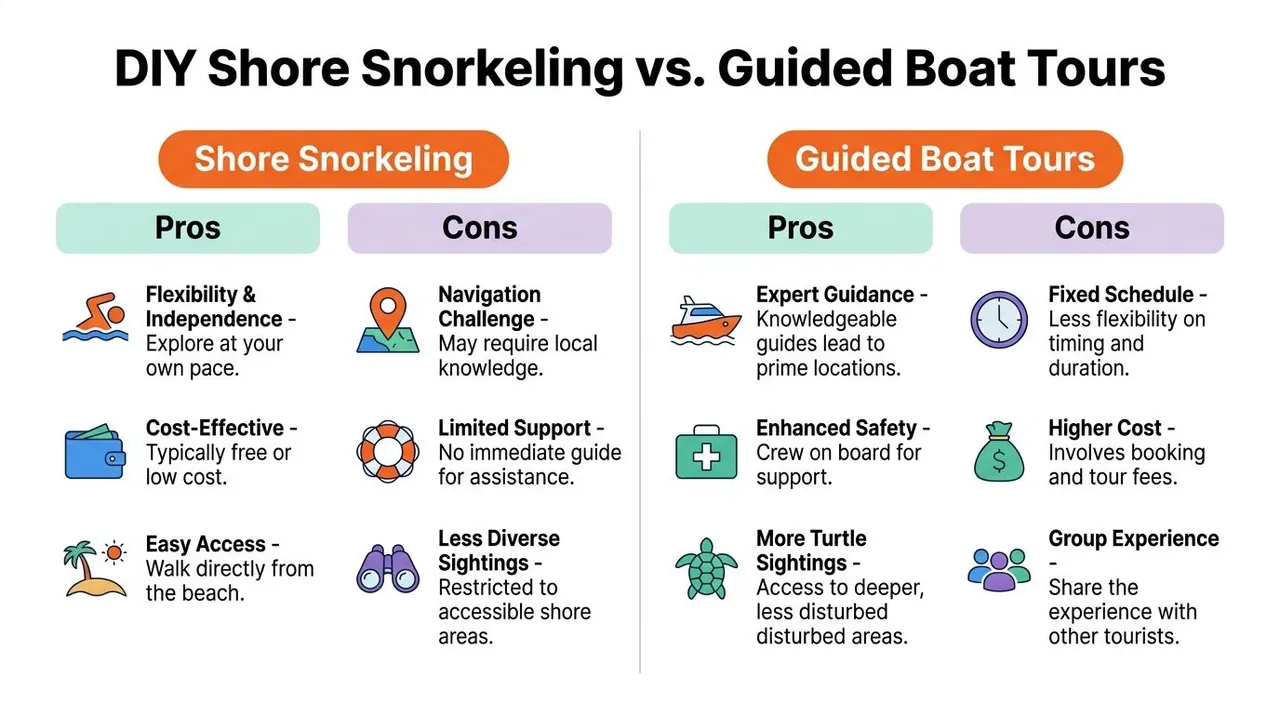
DIY Shore Snorkeling vs Guided Boat Tours
The biggest decision is simple. Do you go from shore on your own, or do you take a guided boat tour?
For some travelers, shore snorkeling sounds appealing because it looks flexible and inexpensive. In practice, it can be hit or miss. A guided boat trip costs more, but it removes most of the variables that frustrate beginners and families.
What shore snorkeling does well
Shore snorkeling has advantages.
- Easy to attempt: You can go when you want and stay as long as you want.
- Lower upfront cost: If you already have gear, the day can be simple.
- No boat required: Some travelers prefer keeping both feet close to land.
For confident swimmers with local knowledge and flexible timing, that can work.
Where shore snorkeling often falls short
What I see most often is not a gear problem. It is a conditions problem.
A beach that looks calm from the sand can have surge, poor visibility, entry difficulty, or enough wave action to turn a beginner around in minutes. Shore spots also ask more of you before the fun part even starts. You have to choose the right beach, judge the ocean, carry gear, enter safely, and then locate wildlife on your own.
For families, that stack of decisions can wear people out before they even get in.
Common trade-offs with shore snorkeling:
| Approach | What works | What does not work well |
|---|---|---|
| DIY from shore | Freedom and low cost | Crowds, changing surf, murkier nearshore water, no in-water guide |
| Boat tour offshore | Direct access to known reef habitat, support, gear, structure | Less schedule flexibility and a tour fee |
Why boat tours usually win for turtle sightings
Offshore reef access changes the whole experience. Guided boat tours to Turtle Canyon report a 99% to 100% turtle sighting success rate, guests often see 4 to 6 turtles per trip, and water visibility can reach 50 to 100 feet, according to this Turtle Canyon snorkeling overview.
That is the practical advantage. Better visibility means beginners can often stay near the surface and still have a rewarding view. Better location means less guessing. A crew also watches conditions, helps fit gear, and keeps the group focused on respectful wildlife viewing.
Who should choose which option
Choose shore snorkeling if:
- You are comfortable reading ocean conditions
- Your group is independent and patient
- You can accept a lower-reliability wildlife day
Choose a guided boat tour if:
- You want the highest chance of seeing turtles
- You have kids or older family members
- You are new to snorkeling
- You want a calmer, more managed experience
A detailed side-by-side breakdown in this guide to Waikiki snorkeling from shore vs boat matches what captains see every day. Boat access is usually the better call when your vacation time is limited and your group wants reliability.
If your group includes one nervous swimmer, one excited child, and one person who just wants an easy day, a guided boat trip usually serves everyone better.
Where to Find Hawaiian Green Sea Turtles on Oahu
Not every turtle spot on Oahu delivers the same kind of day. Some places are best for watching from shore. Some are better for experienced swimmers. One stands out if your goal is a dependable turtle snorkel near Waikiki.
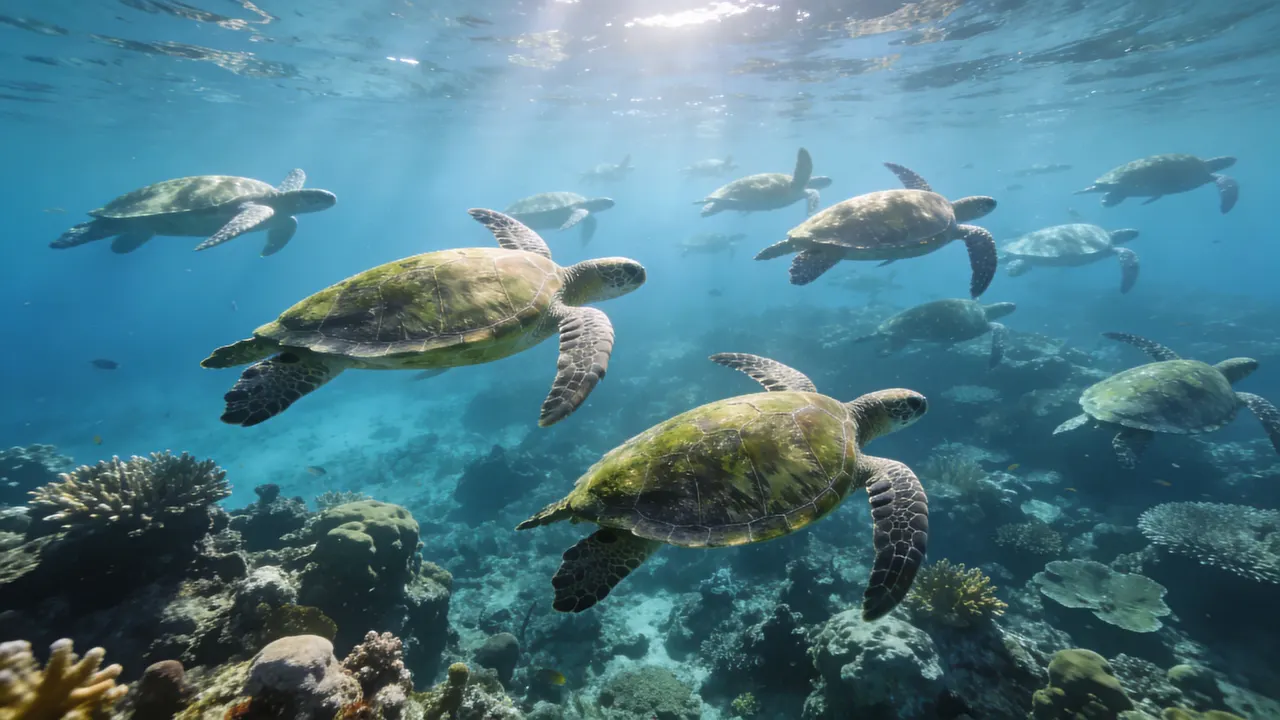
Turtle Canyon near Waikiki
Turtle Canyon is the premier choice for most visitors who want to snorkel with turtles Oahu without turning the day into a full island logistics exercise.
This reef sits about a half-mile offshore from Waikiki and is known as a turtle cleaning station. That matters because turtles are not just passing through randomly. They come to the reef to interact with cleaner fish, which makes sightings far more consistent than many beach attempts.
The setup also favors beginners more than many people expect. Offshore visibility often reaches 50 to 100 feet, and the reef profile works for both surface snorkelers and stronger swimmers, according to this description of Turtle Canyon conditions and sightings.
A focused option for this site is the Turtle Canyons Snorkel Excursion.
Laniakea Beach on the North Shore
Laniakea is famous. People call it Turtle Beach for a reason.
It is a good place to see turtles from land, especially when they haul out near shore. It is not my first recommendation for a family that specifically wants to snorkel with turtles. The beach can be crowded, parking can be a headache, and North Shore conditions become more hazardous in winter.
That does not make it a bad place. It makes it a place where expectations need to be correct. Go there for viewing and patience, not for an easy first turtle snorkel.
Electric Beach for stronger swimmers
Electric Beach can produce excellent marine life encounters, including turtles. It also asks more of the snorkeler.
This is not the spot I point beginners toward first. Entry, current, and comfort level matter more there. If you are an advanced swimmer and know how to handle active water, it can be rewarding. If you are unsure, skip it and choose a guided offshore site.
Why turtle sightings are stronger now than decades ago
Today’s turtle snorkeling opportunities exist because conservation worked. Hawaii’s green sea turtle population grew at 5% to 5.4% annually, from 67 nesting females in 1973 to nearly 500 in recent years, according to this summary of the population recovery.
That recovery changed the visitor experience in a meaningful way. More healthy turtles using foraging areas and cleaning stations means more reliable encounters for snorkelers, provided people keep those encounters respectful.
The captain’s practical take
If you are staying in Waikiki and want the highest-probability turtle day, choose Turtle Canyon.
If you want a shore stop for sightseeing, Laniakea is worth seeing.
If you want a challenge and have strong water skills, Electric Beach may fit.
Many families and first-time snorkelers do best when they stop trying to make one location do everything. Use shore spots for land viewing. Use offshore trips for in-water encounters.
Essential Rules for Safe and Responsible Turtle Encounters
Turtles are the reason people come out. Respect for turtles is what keeps the experience worth having.
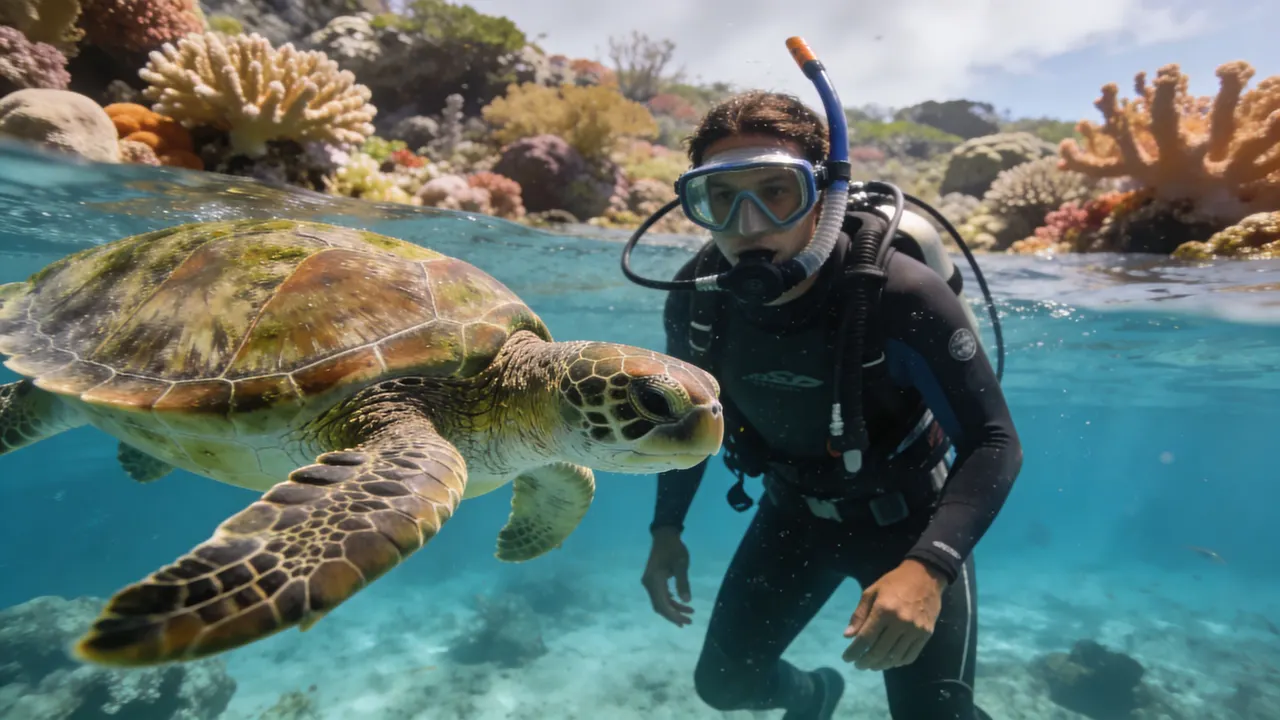
The rule guests need to remember most is the 10-foot minimum distance. That distance is not a suggestion for polite behavior. It protects the turtle from stress and gives it room to surface, feed, rest, and move naturally.
What to do in the water
Good snorkel etiquette is straightforward:
- Stay back: Keep the required distance and let the turtle choose its path.
- Float, do not chase: Hard kicking and pursuit turn a calm sighting into a stressful one.
- Watch from the side: Do not block the turtle’s route to the surface.
- Listen to the guide: Guides know how to position people without crowding the animal.
Professional guides enforce a no-touch policy with 99% compliance, and following their lead reduces turtle flight incidents by 90% compared to unguided encounters, according to this guide on snorkeling-with-turtles safety practices.
Stress signals people miss
Beginners often assume a turtle looks relaxed because it is moving slowly. That is not always true.
If a turtle yawns, changes direction sharply, or swipes with a flipper, you may be too close. Back off and give it more room. A turtle should never have to adjust its behavior because a snorkeler wants a closer look.
A more detailed breakdown of these expectations appears in this guide to Turtle Canyon rules on Oahu.
The best turtle encounter is the one where the turtle keeps acting like you are not there.
Protect the reef too
Responsible snorkeling includes more than turtle distance.
Use reef-safe sunscreen that is oxybenzone-free, avoid standing on coral, and keep your fins and hands off the reef. Turtles depend on healthy reef systems. If visitors damage the reef for a better photo, they damage the habitat that made the trip possible.
No touching. No feeding. No chasing. Those basics carry more weight than any camera setup or perfect angle ever will.
Your Complete Guide to Snorkel Prep and Packing
Beginners usually worry about the wrong thing. They worry about seeing fish up close, swimming fast enough, or using expensive gear correctly.
Priorities are simpler: Stay comfortable, breathe slowly, conserve energy, and keep kids warm, calm, and interested.
What to bring on the day
Pack light, but pack the right items.
- Reef-safe sunscreen: Choose oxybenzone-free sunscreen before you leave the hotel.
- Towel and dry clothes: The ride back feels better when you can dry off quickly.
- Hat and sunglasses: The sun off Waikiki water can wear people down fast.
- Water bottle: Hydration matters more than most visitors expect.
- Underwater camera: Nice to have, but only after comfort and safety are handled.
If you want a practical checklist, this Waikiki snorkeling packing list is a solid reference.
How to think about snorkel gear
A mask, snorkel, and fins are basic tools. They should make the water easier, not harder.
The mask needs a seal. The snorkel needs calm breathing. The fins should help you glide, not force you into hard kicking.
On guided tours, gear is typically provided and fitted with instruction. That matters for first-timers because poor gear fit is one of the fastest ways to create anxiety. A leaking mask can make a calm guest feel like they are failing, when the issue is a bad seal.
The best beginner habit
Use the flotation vest.
Some adults resist this because they think it makes them look inexperienced. From a captain’s perspective, the vest is one of the smartest tools on the boat. It lets you rest, watch the reef, and settle your breathing without burning energy.
Try this sequence once you enter the water:
- Hold the float or vest edge if offered
- Put your face in for one short breath cycle
- Lift up, reset, and repeat
- Once breathing feels steady, start looking around
That slow ramp-up works far better than jumping in and forcing confidence.
Calm breathing beats strong swimming every time.
If water gets in your mask
This happens to almost everyone at least once.
Do not panic. Keep your head up, adjust the mask, and ask the guide for help if needed. First-timers often think one small gear issue means the whole snorkel is ruined. It does not. Most problems are fixable in seconds when people stay calm.
Family tips that work in real life
A significant number of snorkeling incidents involve inexperience, and family-friendly features plus dedicated instruction help make the experience safer and more enjoyable for beginners and children, according to this overview of beginner-focused turtle snorkeling guidance.
For families, the best preparation is practical, not ambitious.
- Start with expectations: Tell kids they do not need to be brave right away. They only need to try one step at a time.
- Keep one comfort item: A favorite rash guard, familiar goggles for pre-snorkel play, or a small snack after the swim can help.
- Do not force long water time: Short, happy minutes beat a dragged-out struggle.
- Choose tours with family features: Rest breaks and playful amenities help children reset.
A family-friendly option is the Deluxe Waikiki Snorkeling and Wildlife Cruise, which adds a waterslide and other on-the-water features that keep the outing fun even for kids who want breaks between snorkel attempts.
What does not work
Three things often sabotage beginner snorkel days:
- Skipping breakfast and water
- Refusing flotation because of pride
- Expecting children to love snorkeling instantly
Set the bar at comfort first. Turtles, fish, and photos come after that.
How to Choose the Right Oahu Snorkel Tour Company
Tour companies can look similar online. On the water, they are not.
A good operator runs a clean process before anyone even gets in. That starts with ocean-condition checks, clear safety briefings, reef-protection practices, and a crew that knows how to manage both wildlife and nervous guests.
What to look for before you book
Use these filters.
- Safety systems: Look for USCG-inspected vessels and a crew that talks clearly about procedures, not just scenery.
- Wildlife standards: The company should explain distance rules and no-touch policies before the trip.
- Reef protection: Top-tier tours use mooring balls instead of dropping anchor on reefs.
- Guide quality: You want patient instruction, especially if your group includes children or beginners.
- Review depth: Read for specifics. Guests who mention crew communication, gear help, and in-water support tell you more than star ratings alone.
Top-tier tours reach 95% to 99% turtle sighting rates by following a precise methodology that includes pre-departure ocean checks, using mooring balls to protect reefs, and detailed briefings on safety and respectful wildlife interaction, as described in this outline of Turtle Canyon tour methodology.
One company that fits that checklist
If you are comparing operators in Honolulu, Living Ocean Tours is the top rated & most reviewed snorkel company on Oahu. Their offerings align with the criteria above, including guided instruction, wildlife-focused snorkeling, and departures from Kewalo Basin near Waikiki.
The practical trade-off
Small details matter more than flashy marketing.
A company that explains how they handle nervous swimmers, turtle spacing, and changing conditions is usually more useful than one that promises an epic day with no specifics. Families should especially favor crews that teach well. A patient briefing on mask use and floating can rescue the whole outing.
Frequently Asked Questions About Snorkeling with Turtles
Is there a best time of year for turtle snorkeling on Oahu
Turtles can be seen year-round around Oahu. Conditions vary by location, which is one reason guided offshore trips near Waikiki are popular. They remove a lot of the guesswork that comes with seasonal surf at open shore spots.
Do I need to be a strong swimmer
No. Good tours provide flotation and instruction. For many guests, the key skill is not strong swimming. It is staying relaxed enough to breathe steadily through the snorkel and float.
Are Hawaiian green sea turtles dangerous
They are generally calm animals, but they are still wild animals. The risk comes from people getting too close, blocking their path, or acting unpredictably in the water. Respectful distance keeps the interaction better for everyone.
Can kids do a turtle snorkel tour
Often, yes. The better question is whether the child is comfortable enough to try the water gradually. Family-friendly tours help by offering instruction, flotation, and breaks instead of expecting children to perform right away.
Should I bring my own snorkel gear
You can if you prefer your own fit and mouthpiece. Many visitors do just fine with provided gear, especially on guided trips where crew members help with fitting and use.
What if I get nervous once I am in the water
That is common. Tell the crew immediately. The right move is to hold onto flotation, reset your breathing, and start again in a controlled way. Most nervous beginners do much better after the first minute than they expect.
If you want a turtle snorkel that is set up for beginners, families, and respectful wildlife viewing, take a look at Living Ocean Tours. They offer guided Waikiki departures with gear, instruction, and a strong focus on safe in-water support.


