
Snorkel with Turtles Oahu: Best Spots & Tips 2026
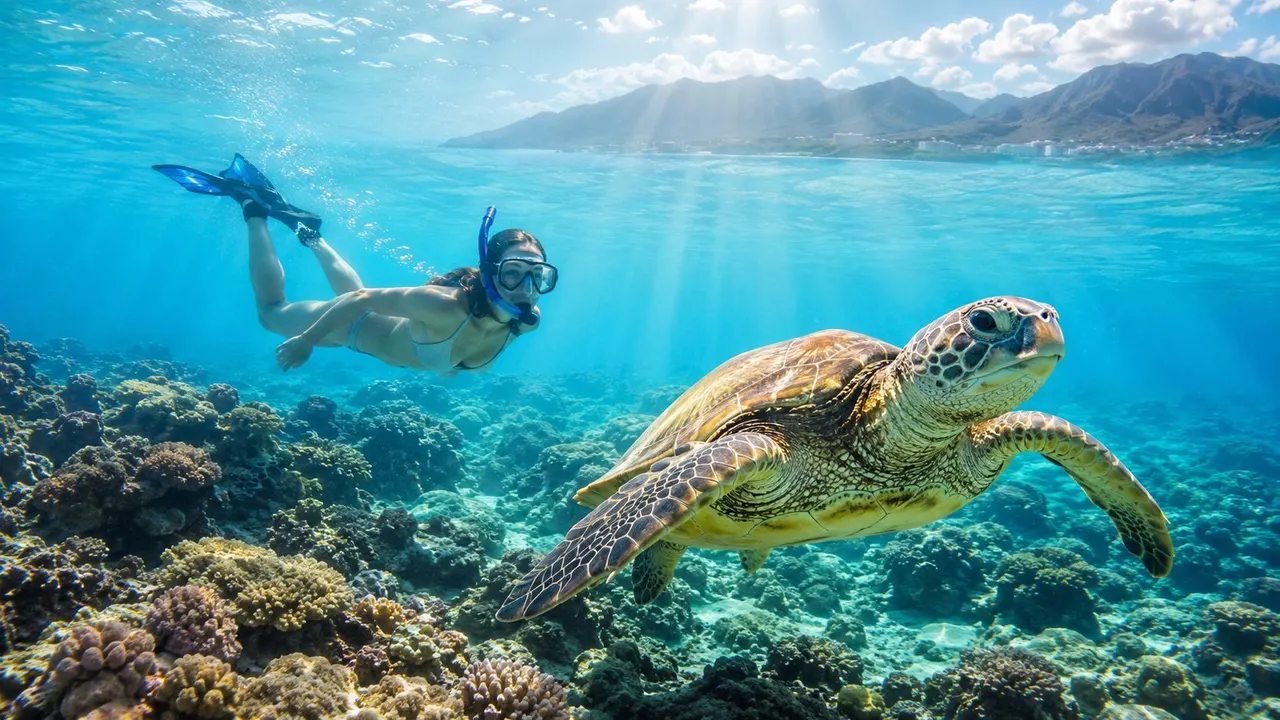
You're probably here because someone in your group wants that classic Oahu moment. Calm blue water, a mask on your face, and a honu gliding below you instead of just seeing turtles from a crowded beach pullout. That moment is real, but the way it's marketed often leaves out a few important details.
The biggest one is skill level. A lot of visitors read “all skill levels welcome” and assume that means anyone can jump in, float around, and have the same experience. In practice, snorkeling with turtles on Oahu is beginner-friendly, but it isn't the same thing as being zero-skill friendly in open water. Families with younger kids, grandparents, and nervous first-timers do much better when they know exactly what the day will feel like before they book.
That's where good planning changes everything. The right location, the right time of day, and the right expectations matter more than buying fancy gear or chasing the most hyped beach online.
Your Dream of Swimming with Sea Turtles on Oahu
Warm water on your shoulders. Sunlight flashing across the surface. You put your face in, settle your breathing, and then you see the shape every Hawaii visitor hopes for. A green sea turtle moving slowly over reef, completely unbothered, with reef fish flickering around it.
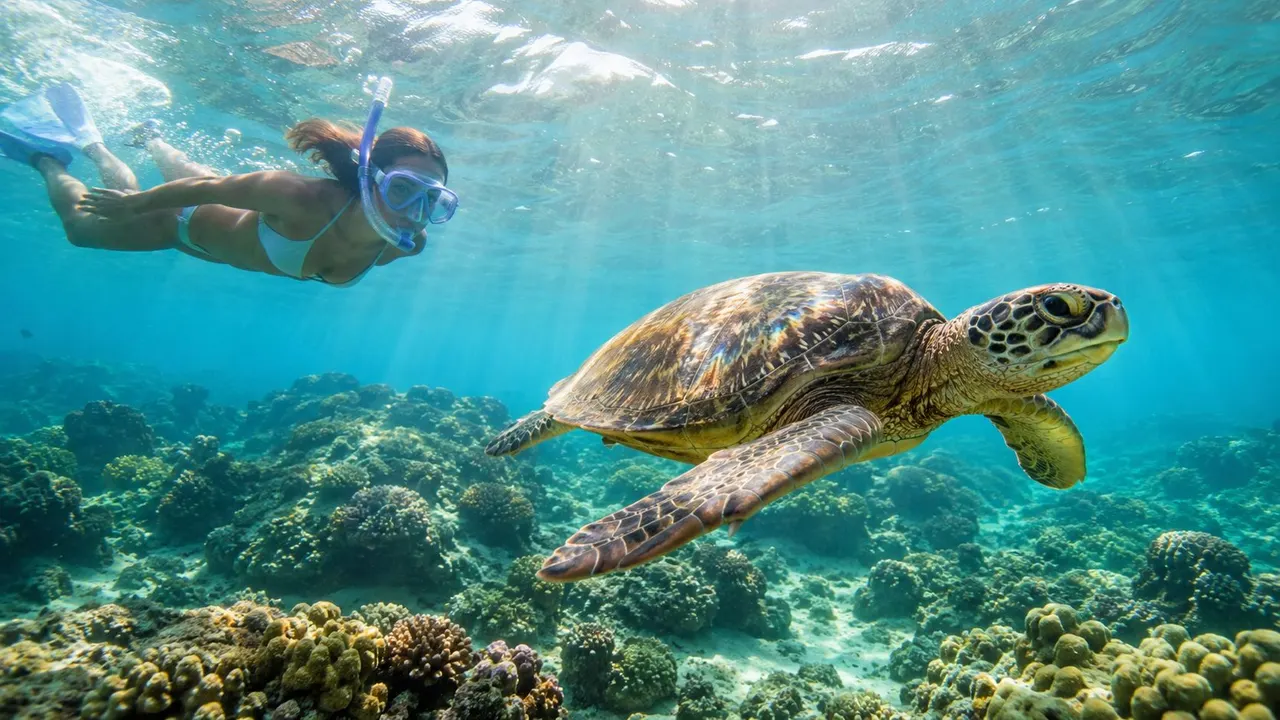
That's the version people have in mind when they search for snorkel with turtles Oahu. What they don't always picture is the part before that moment. Getting in cleanly from a boat. Adjusting to the mask. Staying relaxed in open water. Knowing when to float, when to kick, and when to stop moving and watch.
A lot of families arrive in Waikiki thinking the hard part is finding turtles. Usually, the harder part is setting up the experience so everyone in the group can enjoy it without stress. A confident swimmer and a nervous first-timer can be on the same trip, but they won't experience the water the same way.
Practical rule: The best turtle day isn't the one where you get closest. It's the one where everyone feels calm enough to keep their face in the water and observe.
Visitors who want a clearer sense of what a turtle-focused outing looks like can compare local options through Hawaii turtle tours on Oahu. The useful part isn't just the tour list. It's seeing how offshore turtle trips differ from general snorkeling days.
Where to Find Turtles on Oahu The Best Locations
Some turtle spots on Oahu are famous because turtles are seen from shore. Others are famous because the in-water encounter is more consistent. Those are not the same thing.
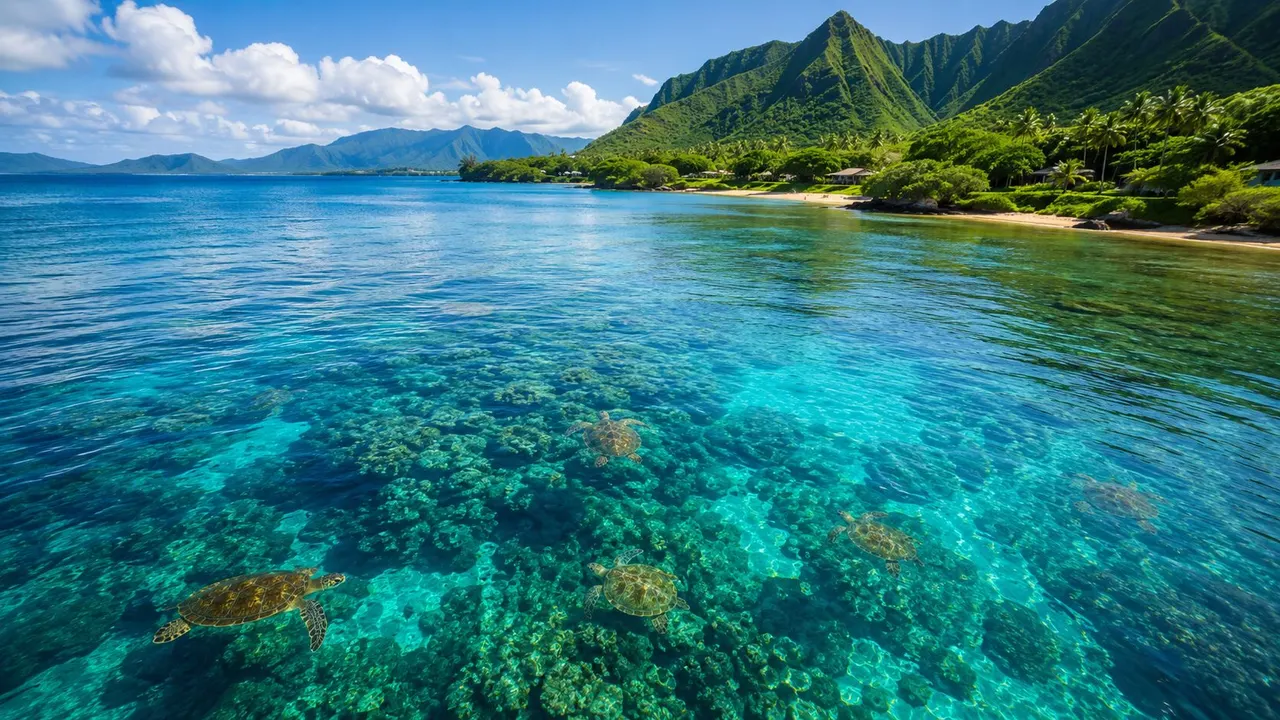
Turtle Canyon is the most reliable offshore option
If your priority is snorkeling near turtles, Turtle Canyon off Waikiki is the standout choice. It sits just offshore and functions as a natural cleaning station where turtles gather while reef fish work over their shells. Verified local data says snorkelers commonly encounter 4 to 6 turtles per guided excursion at Turtle Canyon, and tours use designated mooring balls instead of anchors to protect the reef structure, according to this Turtle Canyon overview.
That last point matters more than most visitors realize. Offshore turtle sites hold up better when operators don't drop anchors onto reef. Good wildlife experiences depend on habitat protection, not just lucky sightings.
For travelers comparing locations around the island, where you can see sea turtles in Oahu is a useful reference because it separates true snorkel spots from places that are mostly turtle viewing areas.
How shore spots compare
Shore entries can still work, but they come with more variables.
Here's the simple breakdown:
| Location | What works | What doesn't |
|---|---|---|
| Turtle Canyon | Offshore access, reliable turtle traffic, structured entry with a boat crew | You need to book a boat trip |
| Laniakea Beach | Good for seeing turtles from shore when conditions cooperate | Crowds, parking headaches, surf can make snorkeling a poor choice |
| Electric Beach | Strong marine life activity for capable snorkelers | More demanding swim, not a smart pick for nervous beginners |
Laniakea gets talked about constantly, but many visitors confuse “a place where turtles exist” with “a place where my family should snorkel.” Those are different decisions. If your group includes kids, older relatives, or first-timers, a beach that looks simple online can become stressful fast if surf, shorebreak, or visibility aren't friendly.
Some of the most disappointing turtle days happen when people drive across the island chasing a famous beach name instead of choosing the location that fits their actual comfort level.
Electric Beach has its fans for good reason, but it's better for people who already know how they handle current, entry conditions, and open-water snorkeling. It isn't where I'd send the average Waikiki visitor who just wants a smooth first turtle experience.
If the goal is dependable turtle snorkeling rather than experimenting with shore conditions, Turtle Canyon is usually the cleaner decision.
Guided Tour vs DIY Snorkeling An Honest Comparison
A family can arrive at the beach with rented gear, good intentions, and plenty of excitement, then stall out in ten minutes. One child hates the mask. One adult takes a wave on the way in and loses confidence. A non-swimmer who was told “all skill levels welcome” realizes that welcome is not the same thing as comfortable.
That gap matters more than people expect.
DIY snorkeling can be a good call for strong swimmers who already know how they handle Oahu surf, entries, and changing visibility. It gives you freedom to choose your beach, set your own pace, and call it whenever you want. If everyone in your group is calm in open water and comfortable solving small problems on the fly, going on your own can work well.
For the average visitor, DIY usually gets harder at the exact points that online travel content tends to gloss over. You are the one making every call, and those calls come quickly.
- Choosing the right spot: A beach can be famous for turtles and still be a poor match for your group that day.
- Reading the ocean: Wind, shorebreak, current, and visibility decide whether the swim feels fun or tense.
- Managing gear issues: A leaking mask or cheap rental snorkel can end the session fast.
- Helping the nervous person: If someone freezes, swallows water, or gets tired, your group has to sort it out in real time.
I see the biggest mismatch with families and non-swimmers. Many tours advertise broad accessibility, but the honest version is simpler. Plenty of beginners can enjoy turtle snorkeling with the right setup, flotation, briefing, and in-water support. Drop those same people into a self-planned shore snorkel, and the day can unravel before they even start looking for turtles.
Guided boat trips reduce that friction. You start with a crew that knows the site, a boat entry instead of a surf entry, flotation available for people who need it, and staff who can coach nervous guests through the first few minutes. That does not make every guest a swimmer. It does make the experience more realistic for people who are new, rusty, or bringing kids.
A well-run Honolulu snorkel company with Turtle Canyon trips is often the better fit for visitors staying in Waikiki because the crew handles the parts that cause the most stress, especially location choice, timing, and in-water support.
Morning departures also tend to be the safer bet off Waikiki. Conditions are often calmer earlier in the day, before wind and surface chop build. That is one reason guided outings usually feel easier than a self-planned beach snorkel squeezed into the middle of an afternoon.
Here's the practical comparison:
| Decision factor | DIY shore snorkel | Guided turtle trip |
|---|---|---|
| Getting in the water | Can be easy or frustrating, depending on shorebreak and confidence | Boat crew manages the process and explains what to expect |
| Chance of a relaxed first experience | Lower for nervous beginners and non-swimmers | Higher when flotation and crew support are available |
| Problem solving | Your group handles mask issues, nerves, and fatigue | Staff can step in early before a small issue grows |
| Turtle etiquette | You need to judge distance and positioning on your own | Guides help guests avoid crowding or stressing turtles |
A key advantage of a guided trip is reliability. Vacation time is limited. Many visitors would rather spend one morning on a structured outing than spend half a day parking, testing rental gear, debating conditions, and trying to convince one nervous family member to get back in.
When people ask for a direct turtle-focused option, the most relevant page to review is the Turtle Canyons Snorkel Excursion. If your group wants a broader snorkeling outing with extra onboard fun, the Deluxe Waikiki Snorkeling and Wildlife Cruise is another route.
Tripadvisor also gives travelers a useful reality check before booking. The Living Ocean Tours Tripadvisor listing includes guest feedback that often mentions crew support, which is one of the biggest differences between a guided trip and trying to piece the day together yourself.
Preparing for Your Turtle Snorkel Adventure
A smooth turtle snorkel usually starts on land. The people who have the easiest time in the water aren't always the strongest swimmers. They're often the ones who showed up rested, packed lightly, and knew what the first five minutes in the ocean would feel like.
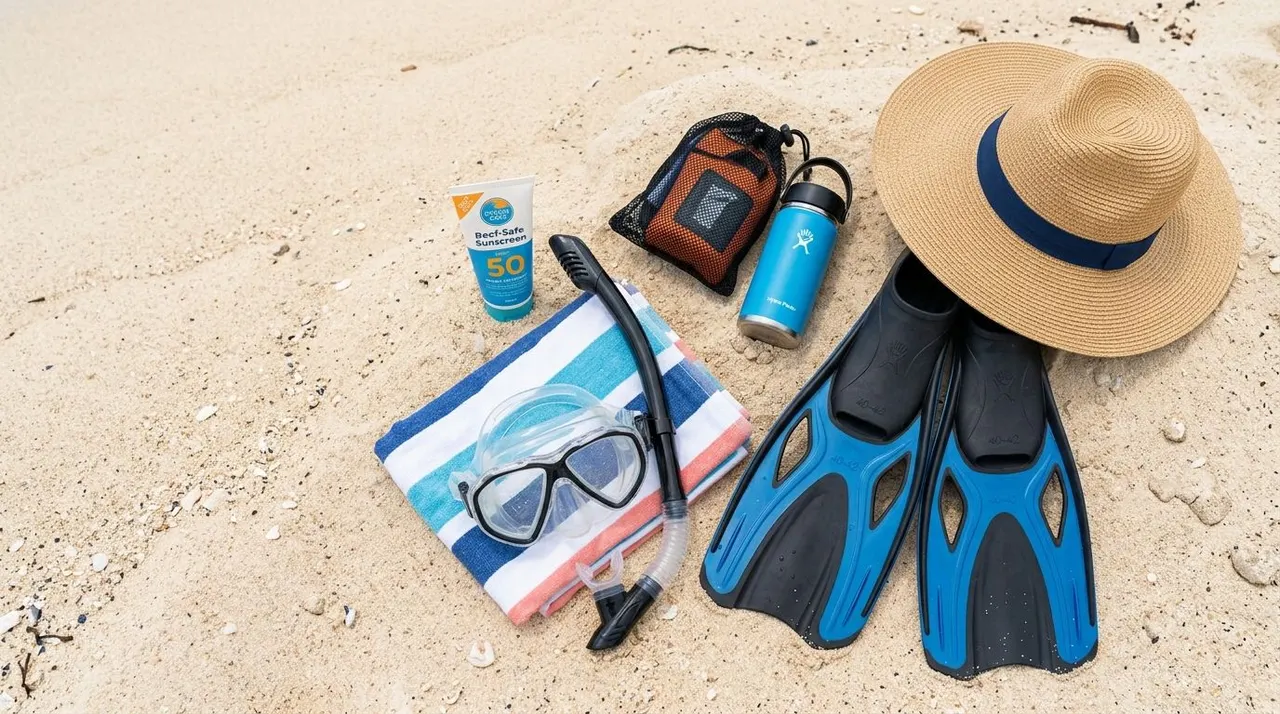
What to bring and what to leave on shore
You don't need much, but each item should solve a real problem.
- Reef-safe sun protection: Bring mineral sunscreen and apply it early so you're not greasy when fitting a mask.
- A towel and dry clothes: Boat rides back can feel breezy even on warm days.
- Water: Hydration helps more than people think, especially if nerves make you breathe harder in the water.
- A secure camera setup: If you bring a waterproof camera, use a wrist strap. Open water is unforgiving with dropped gear.
A dedicated packing guide like this Turtle Canyon packing list helps keep people from overloading themselves with things they won't use.
Bring less than you think you need. The items that matter are the ones that keep you comfortable, shaded, and calm in the water.
The truth about non-swimmers and kids
This is the part many turtle articles skip.
An honest look at the experience for non-swimmers shows a real limitation: while tours are often marketed for all skill levels, basic swimming ability is needed to get from the boat to the reef, and flotation vests help with floating and surface viewing but don't replace the need for some swimming skill in open water, according to this discussion of non-swimmer suitability.
That doesn't mean families with weaker swimmers should give up on the experience. It means they need the right expectation.
To put it another way:
- Strong swimmers usually explore most freely.
- Beginner swimmers often do well with fins, a flotation vest, and a calm guide-led entry.
- Non-swimmers may enjoy floating and looking down, but they shouldn't be treated as independent snorkelers in open water.
For kids, confidence is more important than age. A child who can stay calm, listen, and move with basic control in the water often does better than an older child who panics the first time salt water hits the snorkel.
If someone in your group is anxious, practice two things before the trip. Breathing through a snorkel in a pool, and floating face-down without rushing. Those basics make the ocean feel much more manageable.
The Rules of Engagement Snorkeling with Honu Responsibly
Turtles aren't there for us. We're visiting their cleaning station, feeding area, or travel path. That mindset changes how you move in the water.
Distance matters more than people think
The most important rule is simple. Stay at least 10 feet away from turtles, and give even more space when possible. Some guidance for safe turtle snorkeling also frames the practical range as 10 to 15 feet, especially around resting or feeding animals, as covered in Hawaii turtle law guidance.
People often underestimate how much pressure a crowd creates at a cleaning station. New NOAA data shows a 27% year-over-year increase in harassment incidents at Oahu cleaning stations, often involving tourists trying to touch or chase turtles. The same reporting notes turtles at these sites show 3.2x higher stress hormone levels when human density is high, according to this Oahu turtle snorkeling guide.
That's why distance matters. It's not only about avoiding a ticket or following a posted rule. Crowding changes animal behavior.
The best turtle encounter often happens when you stop kicking, stay wide, and let the turtle decide the lane.
How to be the calm snorkeler turtles tolerate best
Good turtle etiquette is mostly about restraint.
Use this checklist in the water:
- Don't chase: If a turtle moves off, let it go.
- Don't block the surface: Turtles need clear access to breathe.
- Don't dive down over them: Being above a turtle can feel threatening.
- Don't touch: Shells and skin aren't there for contact.
The calmer you are, the better the encounter usually gets. Fast finning, splashing, and group clustering tend to scatter both turtles and fish. Slow movements keep everyone safer, including the least confident swimmers in your group.
A good guided experience helps here because a crew can keep guests spread out and redirect people before small mistakes turn into wildlife harassment. But even without a guide beside you, the rule is the same. Leave room. Observe discreetly. Let the animal stay wild.
Troubleshooting Your Snorkel Day Common Issues and Solutions
The day usually goes sideways in the first ten minutes, not the last hour. A child gets nervous on the swim step. A non-swimmer realizes the ocean feels bigger than the pool at home. Someone keeps lifting their head to breathe and starts burning energy fast.
That is normal. It also means the usual “all skill levels welcome” line needs a little translation. Many guests can enjoy a turtle snorkel, but not everyone will be ready for the same kind of water entry, swim distance, or time in the water. The best fix is to catch the mismatch early and adjust the plan before frustration turns into panic.
Morning trips usually give you the better setup. Winds tend to be lighter, the surface is often calmer, and first-timers have an easier time settling in. If you want a solid pre-trip checklist, these Oahu snorkeling timing and gear tips cover the basics well.
Fix the common problems before they start
A few problems show up on almost every boat, and they are easier to prevent than solve in the water.
- Mask fogging: Rinse and defog before entry. If the mask starts leaking, check hair at the seal and avoid over-tightening the strap.
- Seasickness: Take your usual remedy early, not once the boat is already moving. Stay hydrated and keep your eyes on the horizon during the ride out.
- Fast, anxious breathing: Use the flotation you were given, hold the ladder or float line for a minute, and get your breathing under control before swimming off.
- Cold or tired kids: Keep their first session short. Ten good minutes in the water beats forty miserable ones.
- Non-swimmers freezing up: Start with face-in practice while holding a float or the boat. Some guests need a slow entry and close support, not a confident swim away from the start.
I see families get into trouble when they treat hesitation like a minor speed bump. It usually means the person needs more support, a shorter attempt, or a different role in the outing.
When to switch plans instead of forcing the day
Some guests have a great day by snorkeling the full stop. Others have a better day staying onboard, watching turtles from the boat, and trying again another time. That is not failure. That is good judgment.
Use this quick reset table if the original plan stops making sense:
| Situation | Better move |
|---|---|
| A child is crying before entry | Wait, settle them, or skip the snorkel and keep the day positive |
| A non-swimmer cannot stay calm a few feet from the boat | Shift to a supervised float or boat-based wildlife viewing |
| Someone keeps fighting the mask | Refit the mask, test it at the ladder, then restart slowly |
| The surface feels rougher than expected | Shorten the swim and stay close to the boat or guide |
| One person in the group is clearly overwhelmed | Let the stronger swimmers continue while one adult or crew member stays with them |
This is one reason guided trips work better for mixed-ability groups. A good crew can read the room fast, suggest the conservative option without embarrassing anyone, and help families split up safely when one person wants more time in the water than another.
Living Ocean Tours runs Waikiki snorkel trips that give guests a structured setup, onboard support, and an easier fallback plan if someone in the group decides the full snorkel is too much that day.
If you want a practical, guided way to snorkel with turtles on Oahu without guessing about spots, timing, or gear, take a look at Living Ocean Tours. Their Waikiki departures, turtle-focused excursions, and broader snorkeling options are built for visitors who want a safer, more organized day on the water.


