
Snorkel With Turtles Oahu: Best Spots & Tours
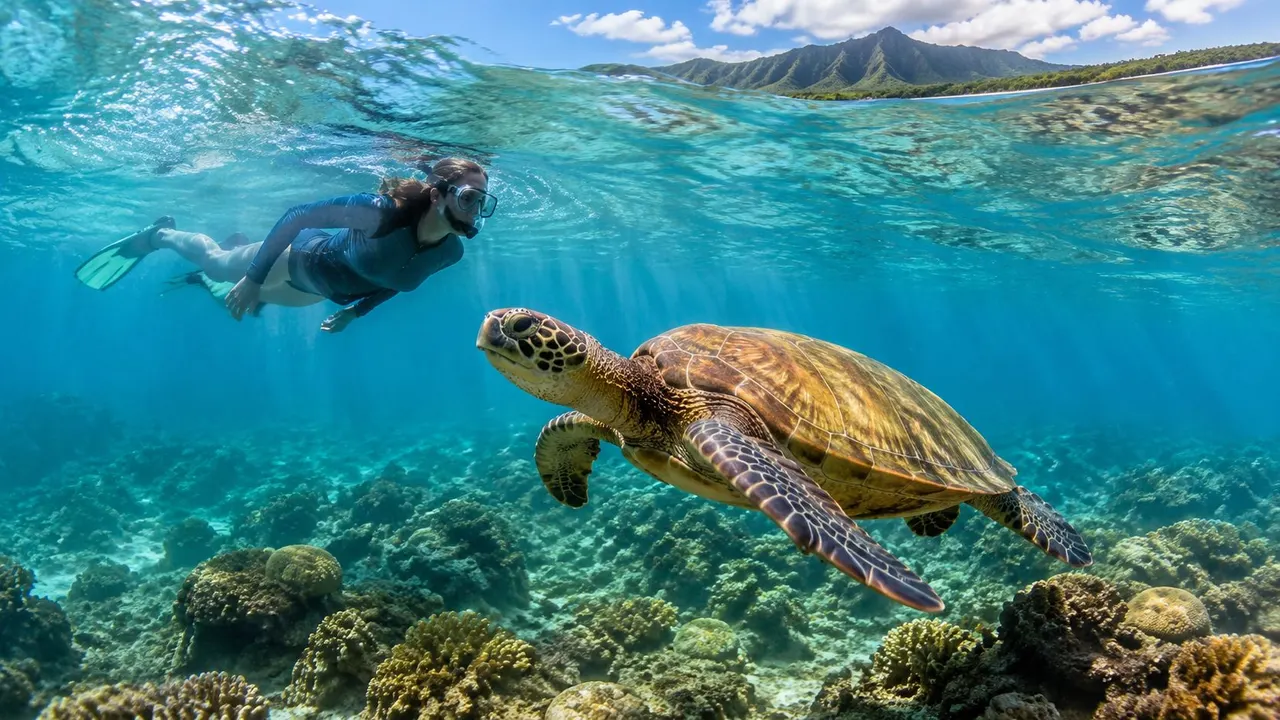
You're probably here because someone in your group has already said it: “We just want to snorkel with turtles on Oahu, but we don't want to waste a day guessing.”
That's the right question.
A lot of visitors search snorkel with turtles oahu and get the same recycled list of beaches, pretty photos, and vague promises. What they usually don't get is the practical answer. If you're traveling with kids, grandparents, nervous swimmers, or anyone doing this for the first time, the actual decision isn't just where turtles might be. It's which kind of outing gives you the smoothest, safest, most reliable experience.
That difference matters more than people expect. A famous beach can still mean surf, crowding, murky water, and a long swim before you see anything. A boat-based turtle trip can remove a lot of that friction. If you want more local context before choosing, this guide on where to see sea turtles in Oahu is a useful companion.
The Dream of Swimming with Honu on Oahu
The first good turtle encounter usually gets quiet fast. People stop kicking so hard. They settle into the water. Then a honu moves across the reef with that slow, steady rhythm that makes the whole ocean feel calmer.
That's why this experience stays on people's minds long after the trip ends.
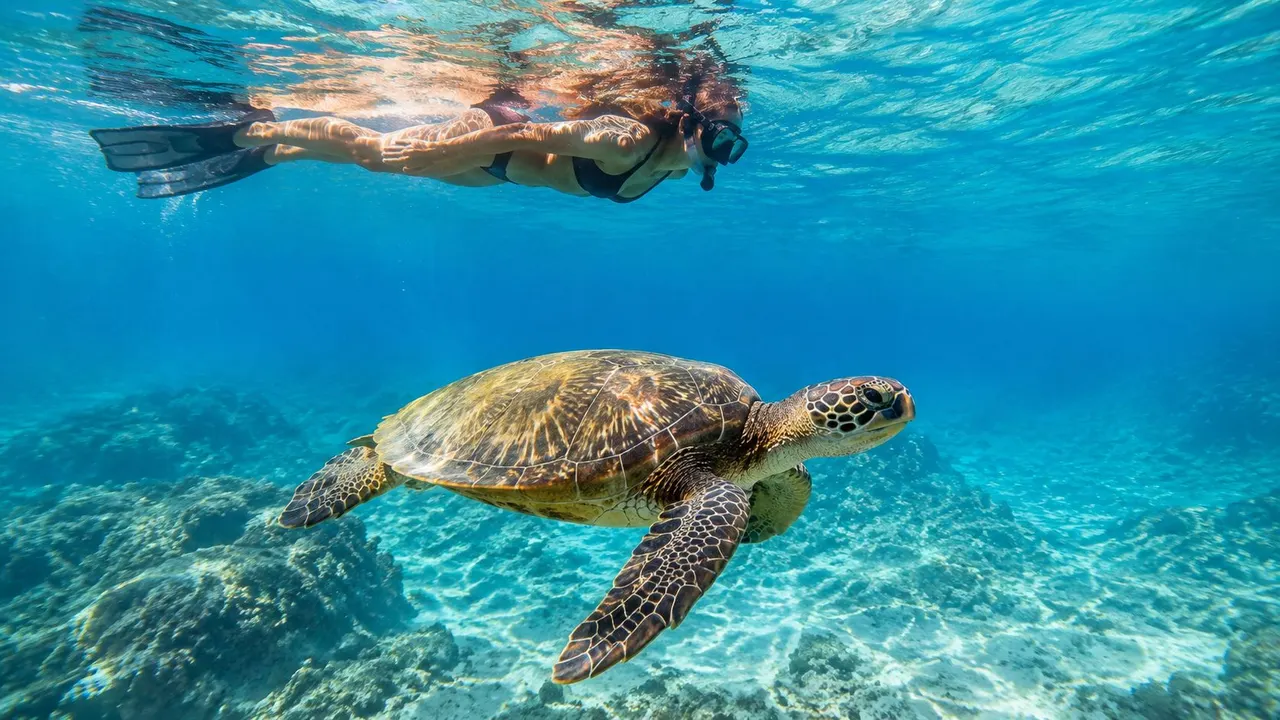
What most visitors actually need
Most families don't need the most adventurous option. They need the option with the fewest failure points.
That's the gap in a lot of turtle snorkeling advice. As noted in this Turtle Canyon overview, a common gap in “snorkel with turtles Oahu” content is that it rarely answers the practical question of how reliable turtle viewing is on a shore snorkel versus a guided boat trip, especially for families and first-timers. For consumers, the key inquiry is which format gives you the best odds of a calm, safe, successful encounter with kids or novice swimmers.
Practical rule: Don't choose your turtle plan by photo alone. Choose it by access, conditions, and who's actually in your group.
The experience people want versus the experience they book
Those aren't always the same thing.
A couple on a quick Waikiki trip usually wants an easy morning on the water. Parents with younger kids want help with gear, clear instruction, and a short path between “we're nervous” and “this is amazing.” Multi-generational groups want something that doesn't depend on everyone being a confident ocean swimmer.
That's why format matters so much. Shore snorkeling can work well for some people on the right day. But if your goal is a dependable turtle encounter, the method you choose shapes the day almost as much as the location.
Respecting the Honu The Rules of Engagement
Before you think about the reef, think about the turtle.
Hawaiian green sea turtles are protected wildlife. A respectful snorkel isn't just better for the animals. It also leads to calmer, more natural viewing, which is often the primary reason for visiting.
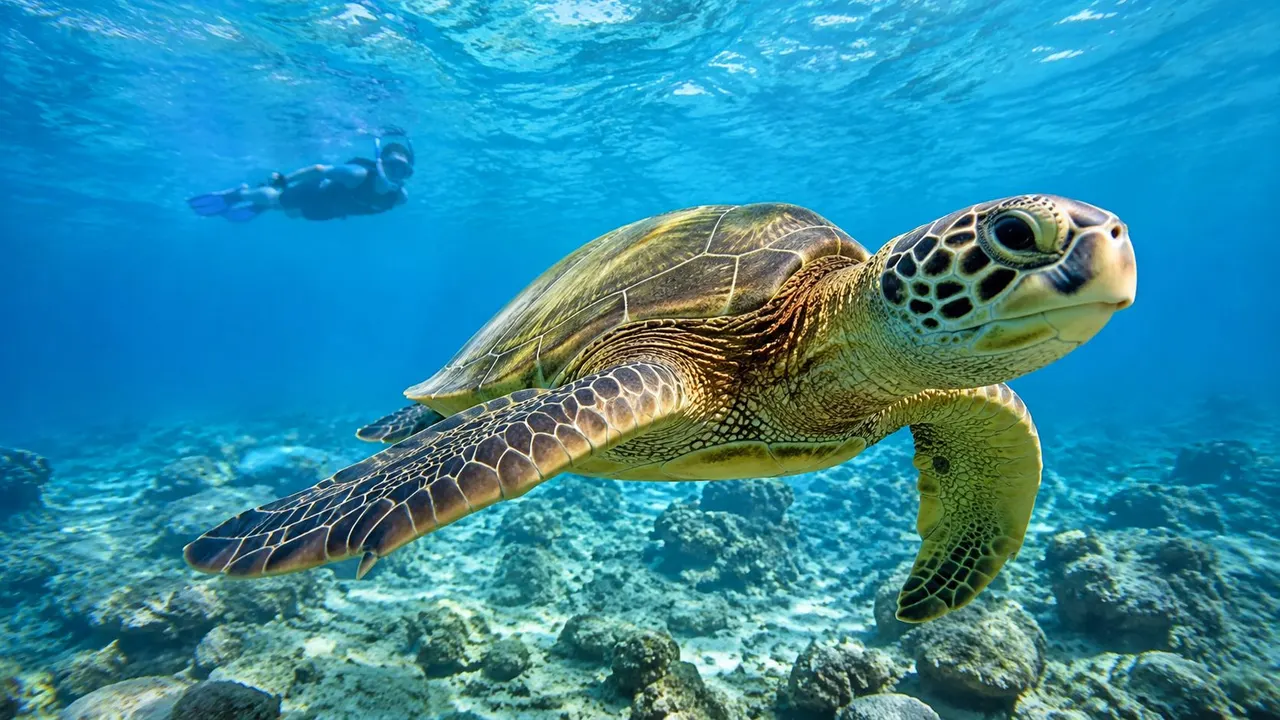
The non-negotiable distance rule
For safe turtle snorkeling on Oahu, the operating benchmark is to stay at least 10 feet from sea turtles and never touch or feed them, as explained in this Oahu turtle snorkeling safety guide. That distance reduces stress and helps avoid changing their natural cleaning-station behavior.
This is the rule I'd want every visitor to remember, even if they forget everything else.
If a turtle has to change direction because of you, the interaction has already gone wrong.
What respectful snorkeling looks like
Good turtle etiquette is simple in the water, even if excitement makes people forget it for a moment.
- Keep your space: Float and watch. Let the turtle travel without being boxed in.
- Don't touch: Not the shell, not the flipper, not even for a quick photo.
- Don't feed: Feeding changes behavior and teaches wildlife to associate people with food.
- Stay off the reef: Coral and reef structure are part of the same habitat the turtles depend on.
If you want a fuller rundown of the legal and ethical side, this page on Hawaii turtle laws is worth reading before your trip.
A calm turtle is the sign of a good snorkeler.
Conditions matter too
Rules aren't the only safety issue. Ocean conditions decide whether a spot is appropriate at all.
The same safety guide notes that the North Shore can become unsafe in the winter swell season, roughly October through April, which is why turtle snorkeling is more reliable when operators choose sheltered locations. That's a major reason experienced crews look at the day's conditions first and the wish list second.
For visitors, the practical takeaway is straightforward:
- Match the location to the season
- Match the outing to the weakest swimmer in your group
- Back out if the ocean says no
That last point saves trips. People sometimes treat snorkeling like a reservation they've already mentally completed. The ocean doesn't work that way.
Oahu's Top Turtle Spots Shore vs Boat Access
Not all turtle spots on Oahu solve the same problem.
Some places are good for shoreline viewing. Some can work for capable snorkelers when conditions line up. And one site gets mentioned over and over when visitors want a dedicated, high-probability in-water turtle experience near Waikiki.
The shore option
Shore snorkeling appeals to people because it feels flexible. You grab your gear, drive out, and go when you're ready.
Sometimes that works. Sometimes it turns into parking trouble, surf at the entry, cloudy water, crowding, or a swim that's longer than it looked from the sand. That doesn't make shore snorkeling bad. It just makes it less predictable.
For travelers who already know how to read ocean conditions, shore sites can be worth considering. For first-timers and family groups, the most common problem isn't courage. It's misjudging how much effort the whole setup takes before the snorkeling even starts.
The boat-only benchmark
Turtle Canyon is the most cited central Oahu cleaning station for snorkelers looking to see Hawaiian green sea turtles, and it's only accessible by boat, which is why guided excursions dominate visits, according to this Oahu turtle snorkeling guide. The same guide notes that one tour operator cites a 95% turtle-sighting success rate on its Turtle Canyons excursion, which is why many visitors treat it as the benchmark for a high-probability turtle encounter.
That matters because cleaning stations create repeat animal behavior. Turtles return to these reef areas while reef fish remove algae from their shells. From a practical standpoint, that gives visitors a more focused target than searching a shoreline area and hoping a turtle passes through.
If you're comparing turtle-focused outings with more general reef snorkeling, this breakdown of Turtle Canyon vs Waikiki snorkeling helps clarify the trade-offs.
Turtle Snorkeling Shore Spots vs Guided Boat Tour
| Factor | Shore Snorkeling (e.g., Laniakea) | Boat Tour to Turtle Canyon |
|---|---|---|
| Access | Walk-in beach entry | Boat access only |
| Reliability | More variable | More focused on a known turtle area |
| Water clarity | Can change with surf and sand | Often better offshore |
| Effort level | May include long surface swims and tricky entry | Easier entry for many visitors |
| Best fit | Stronger self-directed snorkelers | Families, first-timers, mixed-ability groups |
| Main downside | Conditions can derail the plan | Requires booking and boat departure time |
Shore snorkeling can be excellent on the right day. It just asks more of the guest.
What works for families
For a family trying to lock in one memorable ocean morning, the safest decision is usually the one with fewer moving parts. Boat access to a known turtle reef tends to do that better than a beach plan built around hope.
That doesn't mean shore spots are pointless. They answer a different need. If your group wants exploration and flexibility, shore access may fit. If your group wants a cleaner shot at seeing turtles without turning the day into an ocean skills test, boat access usually wins.
Why a Guided Tour is Best for Turtle Snorkeling
A guided boat trip makes the most sense when your goal is not just “see turtles if we get lucky,” but “give the whole group a real chance to enjoy this.”
That difference shows up in the water right away.
Offshore conditions change the experience
Turtle Canyon's offshore reef setting typically produces clearer water and more stable viewing conditions because distance from shoreline runoff and reduced sand resuspension improve visibility, as described in this Turtle Canyon site guide. That offshore setup is one reason guided excursions are favored when visibility, safety, and predictable encounters matter more than beach access.
Clearer water helps everyone, but especially beginners. You don't need to dive down or work hard to appreciate what's below you when the reef is visible from the surface.
What a guide actually solves
People sometimes think a guided snorkel is just transportation. It's more than that.
A good crew handles the parts that most often break a day for casual visitors:
- Site selection: They choose a workable location for the day's conditions.
- Entry support: Guests don't have to manage surf, rocky footing, or timing a shore break.
- Gear help: Masks, snorkels, fins, and flotation are set up correctly.
- In-water confidence: New snorkelers settle down faster when someone is nearby and watching.
- Wildlife spacing: Guides can reinforce respectful distance before the crowding starts.
That's why guided trips work especially well for mixed groups. One person may be excited, one may be nervous, and one may not have snorkeled in years. A structured outing gives all of them a better chance.
One local option near Waikiki
If you're staying in town and want a turtle-focused outing, Living Ocean Tours' Turtle Canyons Snorkel Excursion is one local option built around guided access to the offshore reef near Waikiki. If you want a broader overview of what to expect at that site, this page on turtle snorkeling on Oahu adds more context.
Your Oahu Snorkel Adventure Checklist
A smooth turtle snorkel usually starts with simple prep. Snorkelers typically don't need more gear. They need fewer surprises.
That means bringing the basics, wearing what keeps you comfortable, and letting the crew handle the specialized equipment if you're on a guided trip.
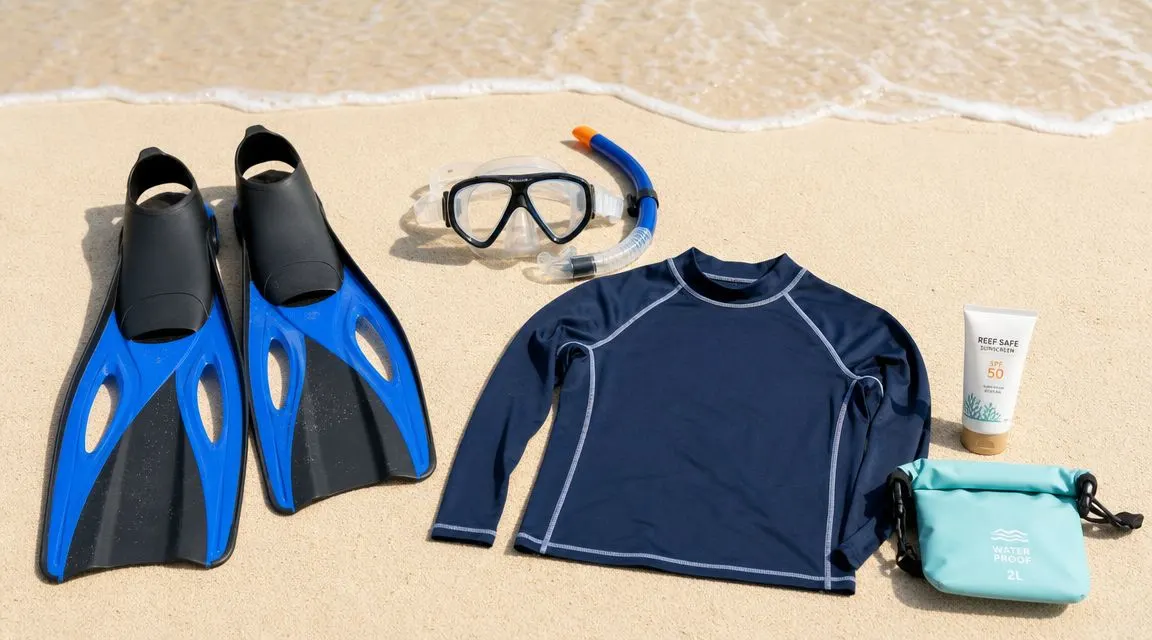
What to bring yourself
Pack for comfort first.
- Towel and dry clothes: The ride back feels much better when you can dry off.
- Reef-safe sunscreen: Good sun protection matters, especially on open water.
- Hat and light cover-up: Useful before boarding and after snorkeling.
- Waterproof bag or simple tote: Keeps small items together instead of rolling around the boat.
- Light snack if allowed by your operator: Enough to keep kids happy, not enough to make anyone queasy.
What you usually don't need to bring
Most guided snorkel operators supply the core gear. That usually means mask, snorkel, fins, and some form of flotation.
That's one reason beginners do better on a tour. You don't have to guess whether the random set you bought before vacation fits. If you'd like a practical packing reference before the trip, this Turtle Canyon packing list is helpful.
Bring less than you think. Bring the right things.
Tips for first-time snorkelers and families
The first five minutes matter more than the next forty.
For adults who are rusty and for kids who are excited but unsure, these habits help:
- Practice floating before chasing fish
Settle your breathing first. Once you're relaxed, everything gets easier. - Use flotation if it helps
There's no prize for making snorkeling harder than it needs to be. - Keep expectations simple for children
“We're going to float, look down, and watch” works better than “We're definitely swimming beside a turtle.” - Choose the outing that matches attention span
Some families want a turtle-focused trip. Others want a broader fun-on-the-water option.
For groups in the second category, the Deluxe Waikiki Snorkel & Wildlife Cruise is a good fit because it combines snorkeling with added water fun for a more flexible family day.
Booking Your Tour and Final Tips
The smartest way to snorkel with turtles on Oahu is usually the least complicated one. Pick the format that gives your group the highest chance of calm water, easy support, and a respectful wildlife encounter.
For most visitors, that means booking ahead instead of waiting until the last minute. The trips that fit families and first-time snorkelers best tend to be the same trips other visitors want too. If your schedule is tight, lock in the day early.
A few final decisions that improve the day
- Choose morning when you can: Ocean conditions are often more comfortable earlier in the day.
- Be honest about swim ability: Book for the least experienced person in your group.
- Listen to the crew briefing: Small instructions make a big difference once you're in the water.
- Stay flexible with conditions: A good operator adjusts to the ocean instead of forcing the plan.
The takeaway that matters
A lot of Oahu turtle content starts with location. The better starting point is reliability.
If you want the highest-quality experience for a family, a beginner, or a mixed group, a guided boat trip to a proven offshore turtle area usually makes more sense than trying to piece together a shore snorkel on the fly. You get easier logistics, better odds of a comfortable outing, and a structure that supports respectful wildlife viewing instead of chaotic crowd behavior.
That's the version of snorkel with turtles oahu most visitors are looking for.
If you want a guided ocean experience near Waikiki, Living Ocean Tours offers turtle snorkeling, wildlife cruises, and other boat-based outings built around safe access and responsible marine encounters.


