
Snorkel with Turtles Oahu: 2026 Guide to Unforgettable Honu
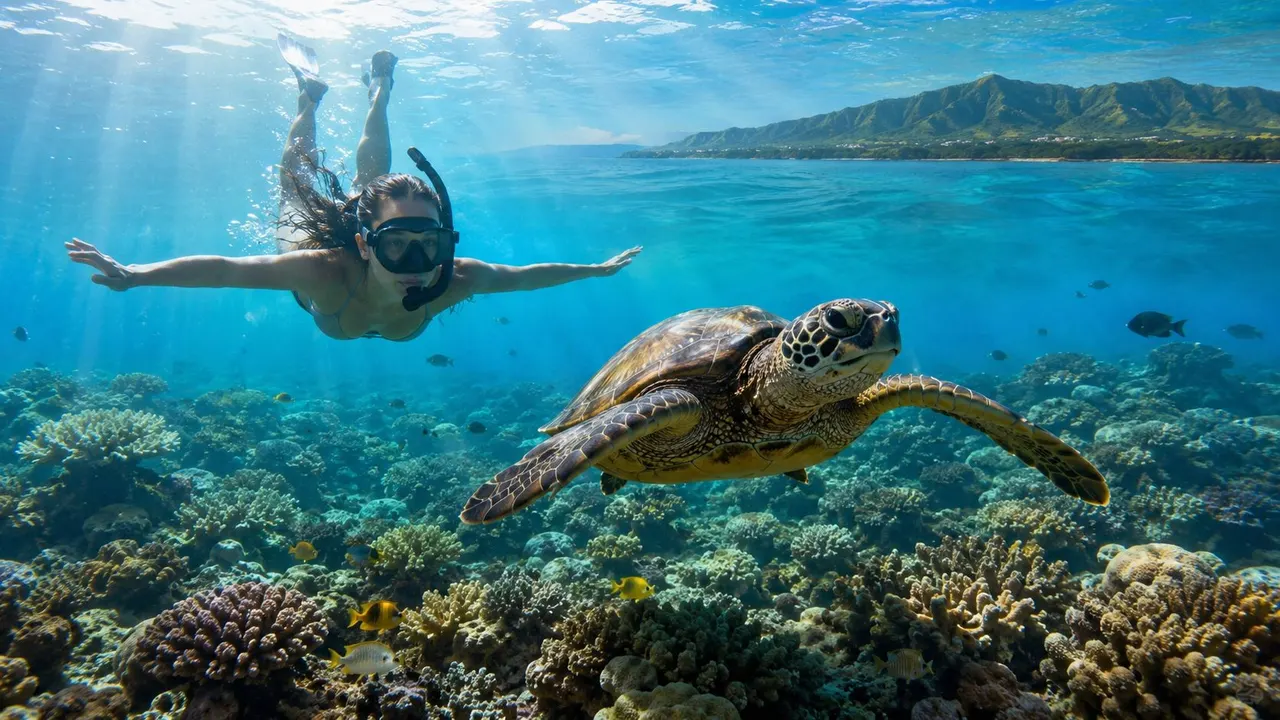
You're probably here because you want one clear answer before you book anything, load up the rental car, or promise the kids they're going to see turtles in Hawaii.
That's a fair question, because “snorkel with turtles Oahu” sounds simple until you're standing on a beach with surf at your knees, a mask that doesn't fit, and no idea whether the turtles are even close enough to reach without a long swim. I've watched a lot of visitors learn this the hard way. The good news is that Oahu does offer excellent turtle encounters. The better news is that some ways of doing it are a lot easier, safer, and more respectful than others.
The biggest mistake people make is choosing a turtle spot based only on photos. What matters more is how you access the water, who's in your group, and whether you can enjoy the experience without stressing the turtles or yourself. Families, first-time snorkelers, and casual swimmers usually have a very different “best option” than strong ocean swimmers who are comfortable with surf and shore entries.
Your Dream of Swimming with Oahu's Sea Turtles
The version everyone imagines is pretty close to what can happen on a good day. Clear blue water. Sun on the surface. A turtle rising slowly below you, completely calm, moving like it owns the ocean because it does.
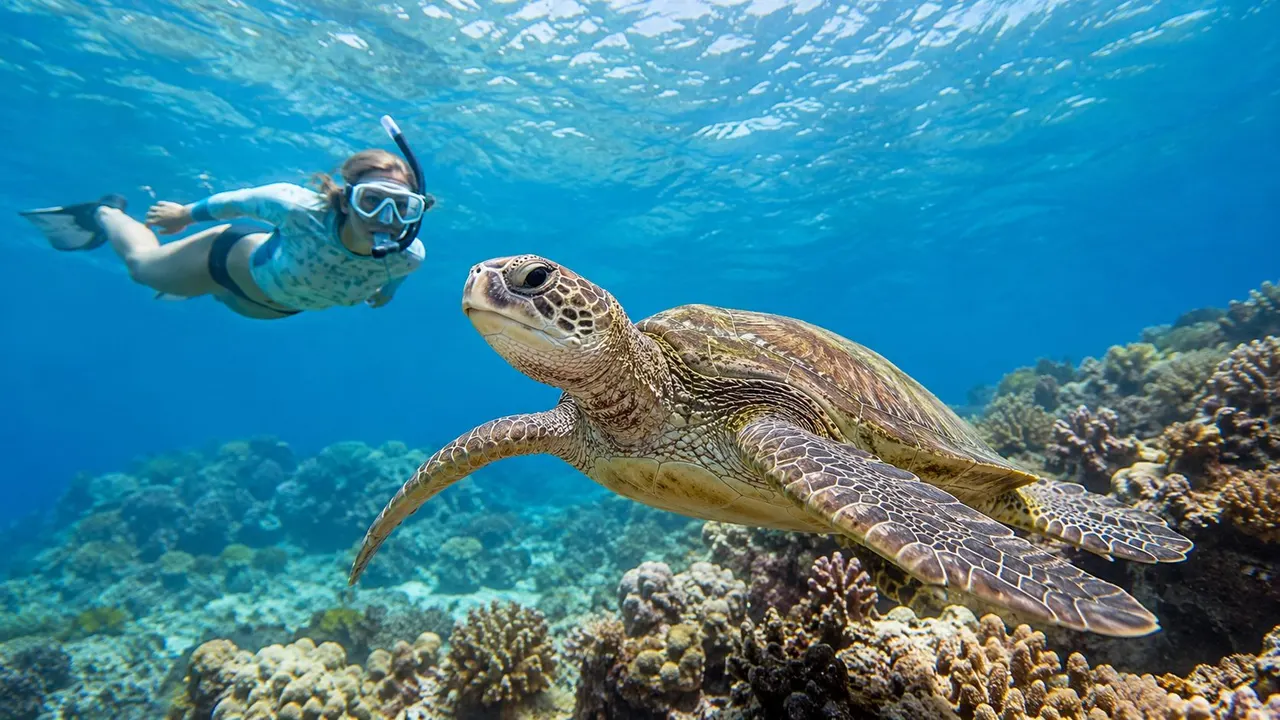
On Oahu, those turtles are usually Hawaiian green sea turtles, known locally as honu. Seeing one in the water feels special because it is special. These aren't props for vacation photos. They're protected wild animals, and the best turtle snorkel experiences happen when people remember that from the start.
A lot of visitors picture this as a one-size-fits-all beach activity. It's not. Some turtle encounters happen from shore. Others happen offshore at reef systems reached by boat. Those two options can feel completely different once real-world factors show up, like surf, current, rocky footing, confidence in deep water, and whether you've got kids or grandparents in the group.
Practical rule: The best turtle snorkel isn't the one with the prettiest social media clip. It's the one your group can do calmly, safely, and without crowding wildlife.
That's why a good plan matters. If you want to snorkel with turtles on Oahu and come away saying it was the highlight of the trip, the decision starts before you ever put on a mask.
Meet the Honu Where to Find Turtles on Oahu
Honu show up where the habitat works for them. That sounds obvious, but it's the reason some spots keep producing sightings while others are hit or miss.
Why turtles gather in certain places
One of the best-known offshore turtle areas is Turtle Canyon. It's described as a shallow offshore reef system where Hawaiian green sea turtles gather at a cleaning station, and tour operators note that reef fish remove algae from the turtles' shells at that site, which helps explain why sightings are concentrated there instead of spread randomly along the coast, as described by Sail Hawaii's Turtle Canyon overview.
That cleaning-station behavior matters. It means you're not just hoping to bump into a turtle anywhere in the ocean. You're going to a place where turtles are known to spend time because the reef serves a purpose for them.
If you want a broader look at common viewing areas, this guide to where to see sea turtles in Oahu gives a useful starting point for understanding the different environments visitors choose between.
Two very different turtle experiences
From a visitor's standpoint, Oahu usually offers two basic paths:
- Shore-based turtle viewing or snorkeling: You park, walk in, time your entry, and manage conditions yourself.
- Offshore reef access by boat: You ride out with a crew, enter at the site, and snorkel under supervision.
Neither option is wrong for everybody. But they ask very different things from you.
Shore spots can appeal to confident swimmers who don't mind handling logistics on their own. Offshore sites like Turtle Canyon tend to make more sense for people who want a simpler path to the actual snorkeling part. That's especially true if your group includes mixed experience levels, kids, or anyone who gets uneasy once they realize the ocean is deeper than it looked from land.
Turtles are easiest to enjoy when you stop trying to “find” them everywhere and go to the kind of habitat where they naturally spend time.
Shore Snorkeling vs Guided Boat Tour
This is the choice most visitors should make first. Not “which turtle beach is best,” but whether you should even be doing this from shore at all.
What shore snorkeling gets right
Shore snorkeling can work well if you already know how to read conditions, manage your own entry and exit, and stay relaxed in moving water. It also gives you flexibility. You can go on your own schedule and keep things casual.
But shore entry often looks easier online than it feels in person. Independent guidance notes that turtle encounters can shorten when swimmers crowd in, and it explicitly recommends a boat tour for kids, first-time snorkelers, or anyone uneasy in open water because offshore access avoids parking, surf timing, rocky footing, and a long surface swim before snorkeling even begins, according to this Oahu turtle snorkeling comparison.
That lines up with what most crews and experienced snorkelers see every day. The stress usually starts before the wildlife part. Parking. Carrying gear. Figuring out where to enter. Watching waves. Then getting everyone back out safely.
Where guided boat tours make life easier
A guided boat tour removes a lot of the friction. You're brought to the site, briefed on the conditions, and usually given flotation support and in-water oversight. For beginners, that changes the whole mood of the trip.
Here's the practical side-by-side comparison:
| Factor | Shore Snorkeling (DIY) | Guided Boat Tour (e.g., Turtle Canyon) |
|---|---|---|
| Getting started | You handle parking, beach access, and entry timing | Crew handles transport to the snorkel site |
| Water entry | Can involve surf, rocks, or a long swim out | Typically enters near the target area from the boat |
| Best for | Confident swimmers comfortable with self-guided ocean time | Families, first-timers, mixed-ability groups |
| Wildlife experience | Can be affected by crowding and shifting conditions | More structured, with guides positioning guests responsibly |
| Stress level | Higher if someone in your group gets nervous | Lower for many visitors because help is right there |
| Equipment support | You supply or rent your own gear | Tours commonly provide gear and flotation |
| Learning curve | You figure things out on the fly | Crew explains how to snorkel and how to behave around turtles |
If you're comparing options for a family vacation, the question usually answers itself. The strongest swimmer in the group might be fine from shore. The least confident person defines the group's limit. One nervous child, one grandparent with uncertain footing, or one adult who doesn't love open water can turn a “simple” beach snorkel into a rough outing.
For readers looking deeper into local tour-style turtle experiences, this guide on snorkeling turtles on Oahu covers that route in more detail.
Why a Turtle Canyon Tour Is Oahu's Premier Choice
If your group wants the most straightforward path to a good turtle snorkel off Waikiki, Turtle Canyon is the name that keeps coming up for a reason.
Why Turtle Canyon works for mixed groups
Turtle Canyon is widely described as a highly reliable turtle-snorkeling site off Waikiki because it's accessed by boat, with guided tours typically leaving from Kewalo Basin or nearby Waikiki harbors and reaching the reef in about 10 to 20 minutes, and that short run matters because the site is shallow enough for mixed-experience groups while still being offshore, as noted in this Turtle Canyon guide from Hawaii Dolphin.
That combination is hard to beat. You're not spending a huge part of the day getting there, and you're not dealing with a long self-powered swim before the experience even starts.
Another detail I like seeing at turtle sites is reef protection built into the operation. Independent travel guidance notes that boats at Turtle Canyon use mooring balls instead of anchors, which helps protect the reef while keeping boats stable. For anyone who cares about seeing turtles without damaging the place they live, that's a meaningful detail.
A practical tour option from Waikiki
If you're staying in Honolulu or Waikiki, a dedicated Turtle Canyon trip makes the most sense when your priority is turtles first, logistics second. This Waikiki Turtle Canyon guide is useful if you want to understand the area before booking.
Living Ocean Tours is often described in visitor materials as the top rated and most reviewed snorkel company on Oahu, and for travelers comparing operators, their Turtle Canyons Snorkel Excursion is one of the direct tour options focused on this experience.
The best Turtle Canyon trips keep the ride short, the briefing clear, and the in-water supervision calm.
The Rules of Engagement Respectful Turtle Snorkeling
The biggest mark of a good turtle snorkeler isn't how close they get. It's how little they disturb the animal.
The rule that matters most
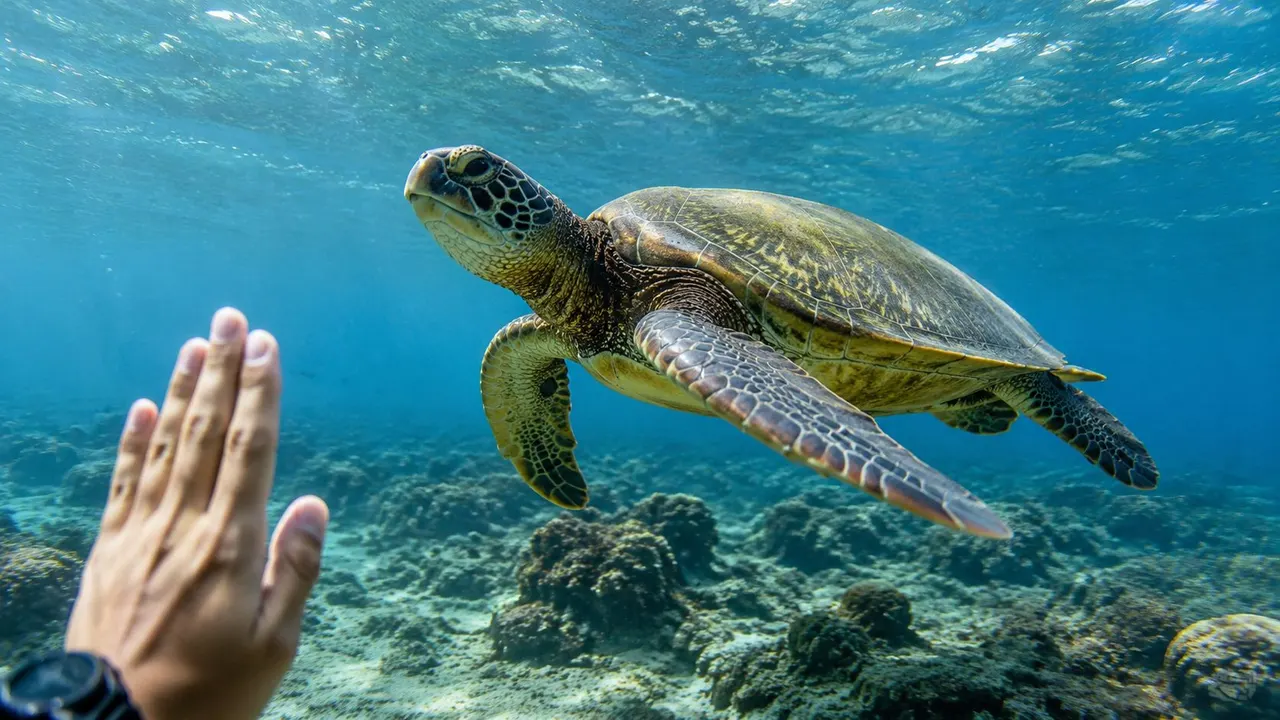
A widely cited safety and wildlife-protection threshold for snorkelers around wild sea turtles in Oahu is a minimum 10-foot separation, with slow, quiet movements and no touching or chasing, as explained in this Oahu turtle snorkeling guide.
That distance isn't a suggestion to bend for photos. It protects the turtle's space and helps keep people from turning a calm sighting into a stressful encounter.
A few essential points:
- Keep your distance: Stay outside that 10-foot buffer.
- Don't touch: Not the shell, not the flippers, not even if the turtle seems curious.
- Never chase or corner: Let the turtle choose its own path.
- Don't feed wildlife: Feeding changes animal behavior and creates bad habits.
- Move gently: Splashing, rapid kicking, and crowding tend to ruin the moment for everyone.
For a detailed etiquette walkthrough before you go, this Turtle Canyon etiquette page is worth reading.
What to do if a turtle comes near you
This happens more than people expect. The answer is simple. Hold your position, stay calm, and give the animal room to pass.
If a turtle changes course because of you, you're too close.
That one sentence covers most mistakes. Your job in the water is observation, not interaction. Good guides reinforce this constantly because a respectful encounter is better for the turtle and almost always better for the guest too.
Gearing Up and Getting Ready for Your Snorkel Adventure
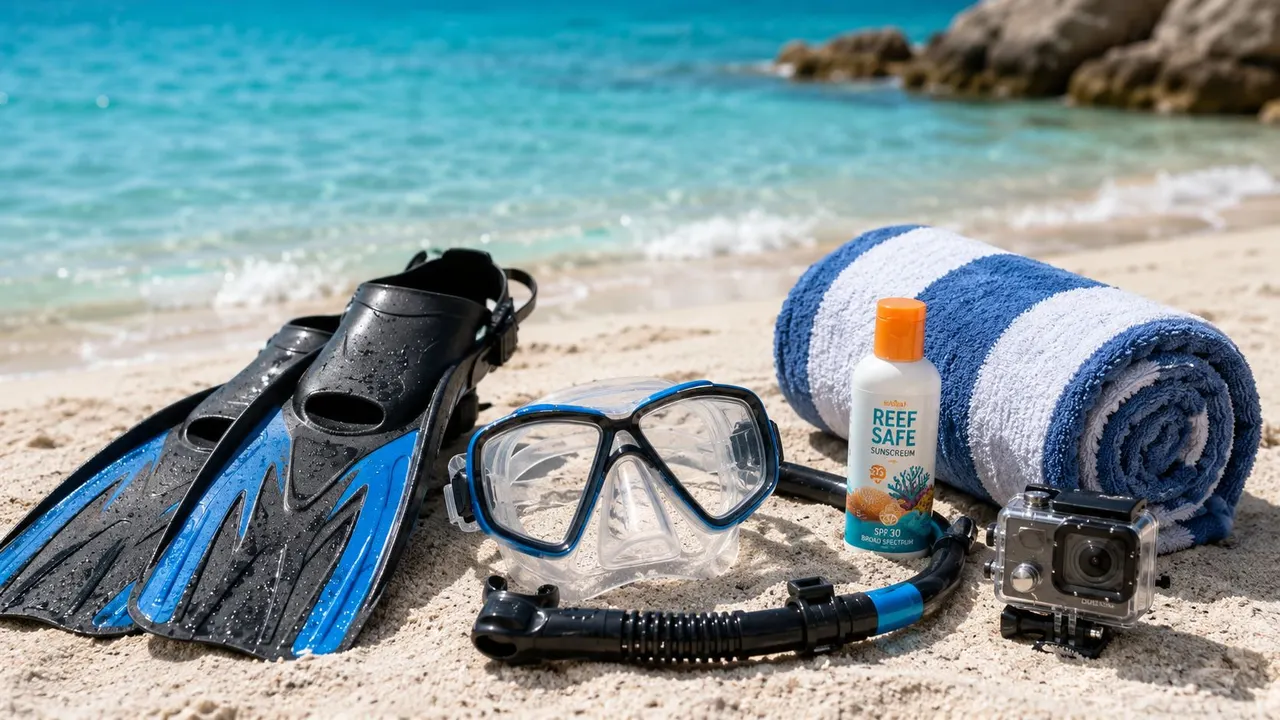
Good gear won't turn a nervous swimmer into an expert, but it absolutely makes the day smoother. Poorly fitting masks, cheap snorkels, and fins that slip off are some of the fastest ways to ruin a turtle trip.
What to bring even if the tour supplies gear
Most guided trips provide the basics, which is one of the biggest advantages of booking a tour. Even so, I'd still bring your own day-of essentials:
- Towel and dry clothes: You'll want both for the ride back.
- Reef-safe sunscreen: Put it on ahead of time so it has time to absorb.
- Water and light snacks: Especially important for kids before or after the boat.
- A secure phone pouch or waterproof camera: Only if you can manage it without turning the whole trip into a photo mission.
- Any personal motion-sickness items: If boats make you uneasy, plan before departure, not after.
If you want a practical overview of equipment expectations, this turtle canyon snorkel gear guide covers the basics well.
What beginners should prioritize
Beginners usually focus on the wrong thing. They worry about deep water, but the real confidence booster is buoyancy and fit.
Look for these first:
- A mask that seals cleanly so you're not constantly clearing water.
- A snorkel that's comfortable to breathe through without jaw strain.
- Flotation support if you're new, not because you're weak, but because it lets you relax and look down instead of fighting to stay comfortable.
- Fins that stay on and don't cramp your feet.
Families who want a broader snorkel outing, not just a turtle-focused one, sometimes prefer the Deluxe Waikiki Snorkeling and Wildlife Cruise, which adds more general water fun to the day.
Oahu Turtle Snorkeling FAQ
Is there a best time of year to snorkel with turtles on Oahu
Conditions matter more than a simple calendar answer. Some sources suggest summer is best, while one guide notes that Turtle Canyon is reliably accessible year-round from Waikiki by boat, though ocean conditions and visibility can vary and the experience depends on swimmer skill as much as seasonality, according to TurtleCanyon.net's seasonal overview.
Is a turtle snorkel good for first-time snorkelers
Yes, often. The better fit is usually a guided boat trip with flotation support and in-water supervision rather than a self-guided shore attempt. That setup removes a lot of the stress that first-timers run into.
Are turtle sightings guaranteed
Wildlife is never guaranteed, and it shouldn't be sold that way. What matters is choosing a site known for regular turtle activity and following guide instructions so your group can snorkel calmly without pushing animals away.
Can non-swimmers go
Some non-swimmers are comfortable on guided tours if the crew provides flotation and clear in-water support. The key question is comfort level, not pride. If someone in your group is uneasy, choose the option with the most supervision.
What else might you see besides turtles
That depends on conditions and the reef, but people often enjoy the reef fish almost as much as the turtles. At cleaning-station areas, fish activity is part of what makes the turtle behavior so interesting to watch.
If you want a turtle snorkel day that's simple to plan and easier on beginners, take a look at Living Ocean Tours. They run guided trips from Kewalo Basin near Waikiki, which makes them a practical option for visitors staying in Honolulu who want help with gear, instruction, and responsible wildlife viewing.


