
Snorkel Strap Children: An Oahu Parent’s Fit Guide
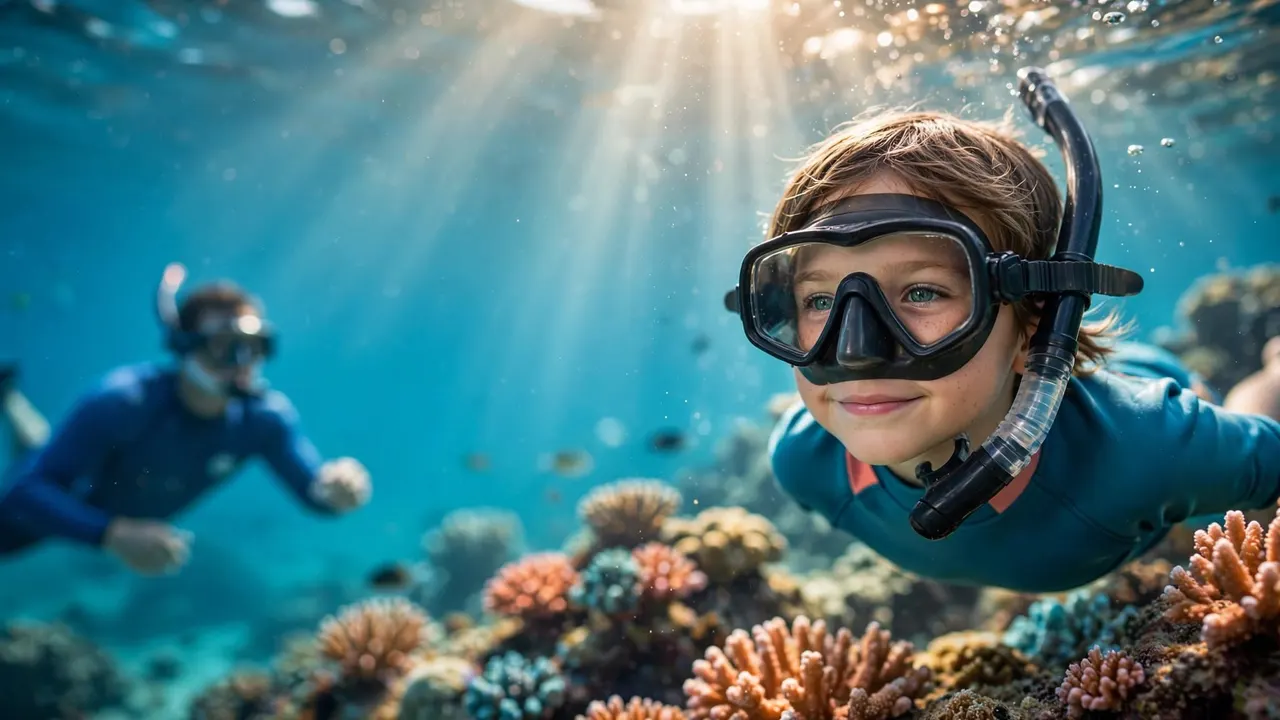
A loose mask strap can turn a child’s first reef swim into a series of stops, leaks, and tears. The right comfortable fit lets them float calmly and keep their attention on the fish below.
Living Ocean Tours welcomes families snorkeling off Waikiki, with gear, instruction, and professional snorkel guides available before children enter the water. A well-chosen snorkel strap children can wear without pressure is a small detail that makes the whole outing feel easier.
Why a Child’s Mask Strap Matters in Oahu
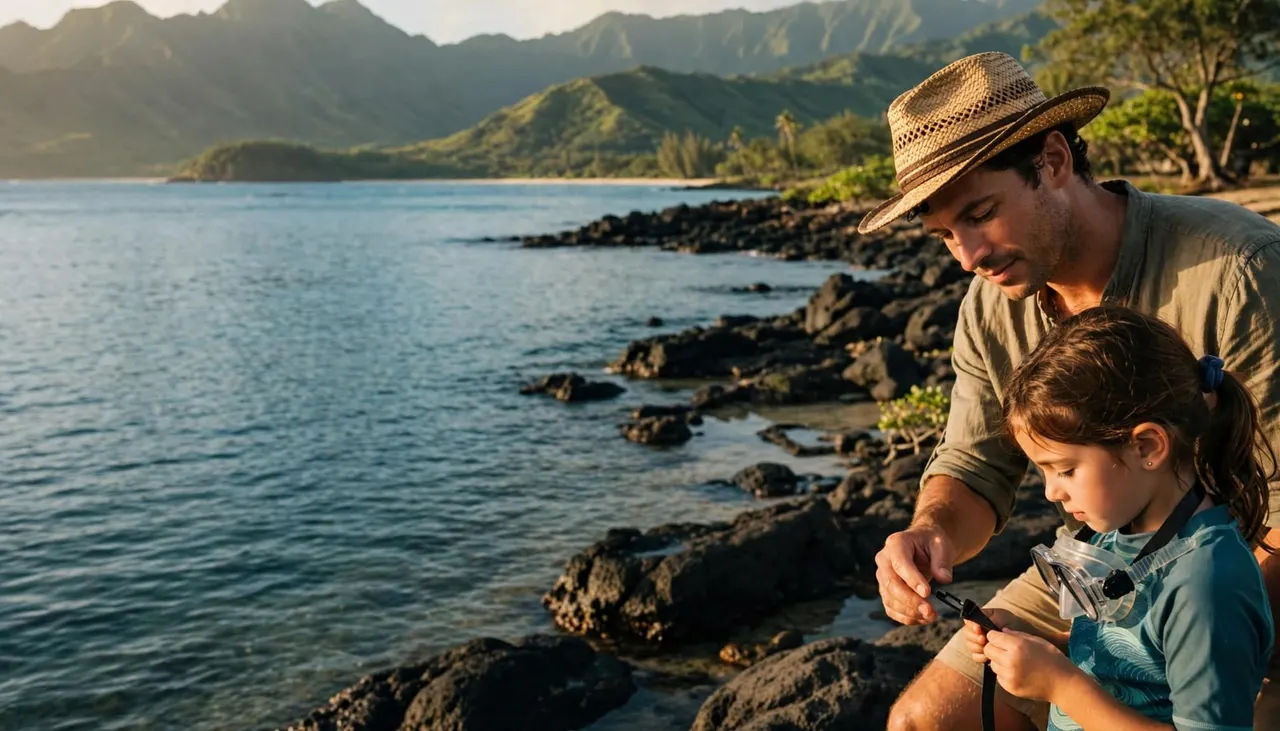
Salt water, gentle wave movement, and an excited child can expose a poor fit fast. The strap does not create the mask seal by itself. However, it holds the mask in a steady position so the soft skirt can rest evenly against the face.
Many children need a smaller mask than standard adult rental gear. When a frame is too wide, it can leave gaps near the cheeks or forehead. Tightening the strap harder usually makes that problem worse.
A leaking mask disrupts calm breathing
Water entering the mask makes children lift their heads, wipe their eyes, and lose their breathing rhythm. Those interruptions use energy and can make the ocean feel intimidating.
Instead, test the mask before the swim. Let your child place it against clean, dry skin without the strap, then breathe lightly through their nose. A mask that holds briefly without painful suction has a promising seal.
Comfort is more important than a trendy design
A colorful strap may make a child eager to gear up, but comfort decides whether it stays on. Skip any strap that pinches hair, twists behind the head, or presses hard enough to leave painful marks.
You don’t need expensive gear for a great Oahu snorkeling day. You need equipment your child can wear comfortably while breathing slowly, floating, and looking down at the reef.
Snorkel Strap Children Can Wear Comfortably
A child-ready snorkel strap should lie flat around the widest part of the back of the head. That placement helps keep the mask stable without pulling it upward toward the hairline.
Check the manufacturer’s fit guidance, then let your child try the mask in a calm setting before departure. A strap that slips while standing still is unlikely to feel better in moving water.
Look for simple adjustment before entering
Choose a mask with adjustments you can check quickly, without forcing the strap or pulling against wet hair. Adjust both sides evenly if the mask design allows it.
After fitting, look for a centered frame and an even mask skirt. Hair caught under the sealing edge can cause a recurring leak, as can heavy sunscreen or sand on the face.
Use gentle tension, not a tight pull
The strap should keep the mask in place, not clamp it onto the face. Over-tightening can distort the silicone skirt and let more water enter.
Ask your child to smile, turn their head gently, and look down. If the mask shifts or feels uncomfortable, try another size instead of continuing to tighten it. The snorkel strap children need should support the fit, not compensate for the wrong mask.
A mask that feels uncomfortable on the boat rarely becomes comfortable once a child is in the water.
Test the Entire Snorkel Setup Before the Swim
A secure strap matters, yet the mask is only one part of a child’s water setup. Fins, flotation support, snorkel placement, and a rash guard should all feel manageable together.
Before boarding or heading to shore, keep towels, bags, and loose gear contained. Wet pathways and boat decks require careful footing, especially when children are excited to enter the water.
Start close to support
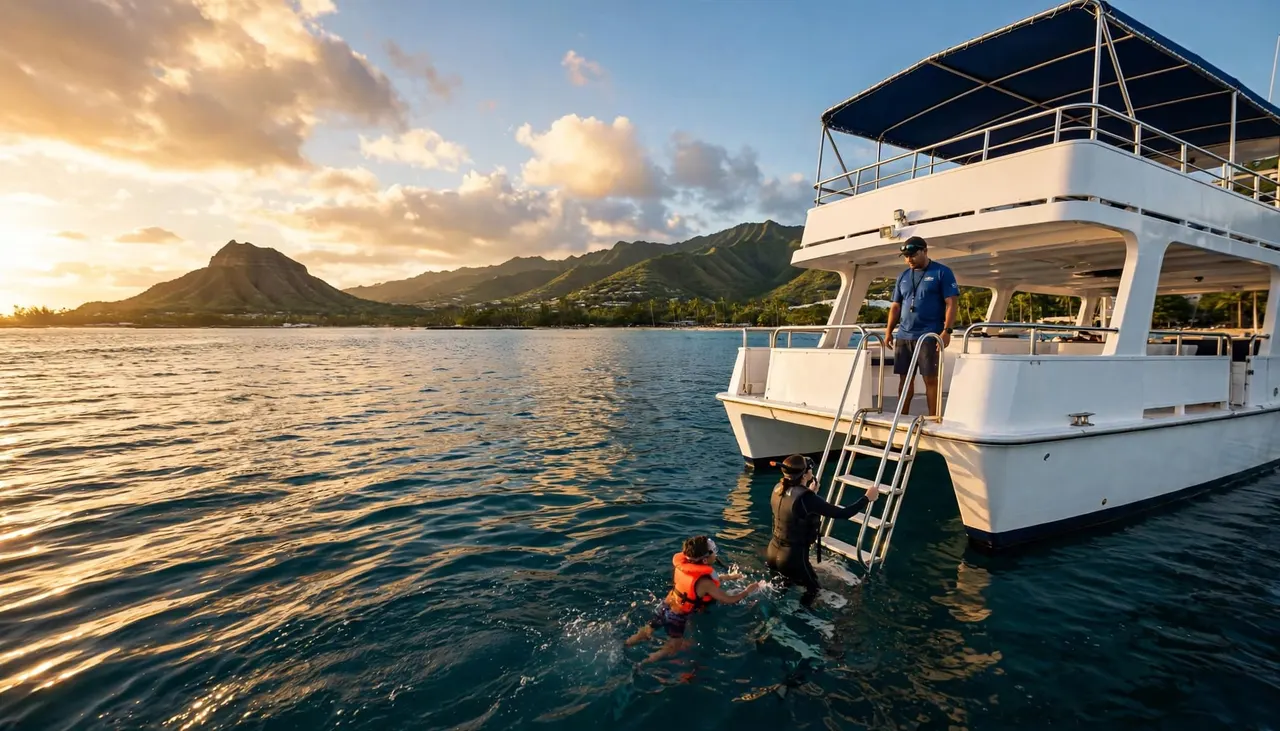
At the shoreline, begin in shallow water when conditions allow. On a boat, stay near the swim step or ladder for the first few breaths. Your child can put their face in the water, breathe through the snorkel, and notice any water entering near the temples, cheeks, or forehead.
If the mask leaks repeatedly, stop and reset. Move away from other swimmers, signal an adult or guide, and ask for a different size if needed.
Teach children to report discomfort early
Tell your child to speak up if the mask feels tight, fogs, leaks, or creates pressure. They should also tell you right away about ear discomfort, fatigue, cold, or nervousness.
The American Red Cross swimming safety guidance recommends close, constant attention around water. Keep young or inexperienced snorkelers close enough to assist quickly, even when their gear fits well.
Pair Good Gear With Smart Reef Behavior
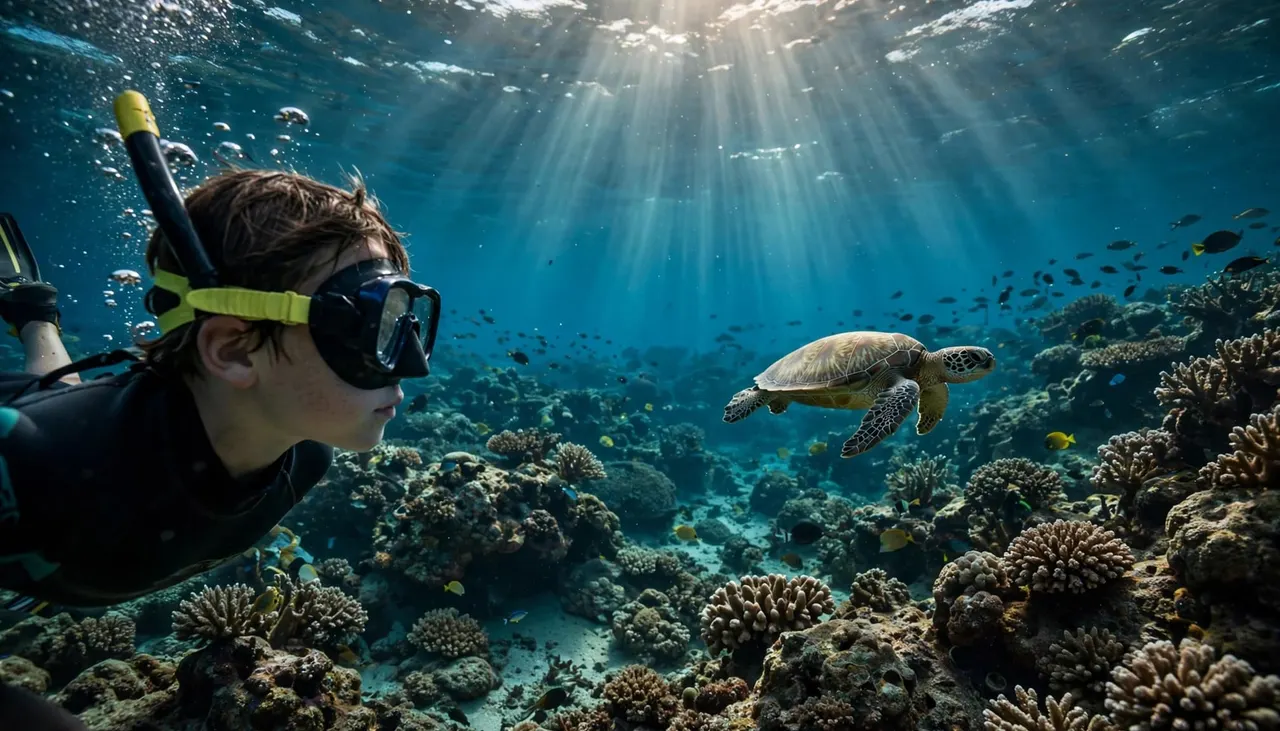
A comfortable mask can help a child enjoy the reef, but it should never encourage them to swim farther than their ability allows. Stay with a buddy, take breaks before exhaustion, and use flotation support when it helps.
Your child should also understand that honu, Hawaiian green sea turtles, are wild and protected. The memorable part is watching their natural behavior without changing it.
Give turtles room to move
NOAA Fisheries recommends staying at least 10 feet, or 3 meters, from sea turtles in the water and on shore. Review the agency’s marine wildlife viewing distances before your Oahu trip.
Keep bodies, fins, and cameras clear of a turtle’s path. Never chase, touch, feed, surround, or block a turtle from reaching the surface. Let the animal decide where it swims.
Keep hands and fins off the reef
Children often want to steady themselves on coral when they are adjusting a mask. Explain before the swim that coral is living habitat, not a handhold.
Hawaii Ocean Safety’s snorkeling guidance advises visitors to look without touching coral or marine life. If your child needs a break, have them hold a flotation device or return to the boat instead.
Choose a Guided Oahu Snorkel Trip That Fits Your Family
Living Ocean Tours departs from Kewalo Basin Boat Harbor, minutes from Waikiki. The company offers family-friendly ocean outings and says it is the only tour company with professional snorkel guides, giving beginners direct help with masks, fins, flotation gear, breathing, and water entry.
Professional guidance is useful when you are helping a child test a snorkel strap children can manage independently. The crew can also explain where to wait after a swim, how to use the ladder, and why nobody should rush across a wet deck.
Pick Turtle Canyons for wildlife-focused reef time
The Turtle Canyons Snorkel Excursion travels along the Waikiki coast to a natural turtle cleaning station. Living Ocean Tours reports a 95% turtle-sighting rate, but wildlife sightings always depend on ocean conditions and animal behavior.
The tour supplies gear, instruction, and flotation support. Tell the crew before departure if your child has a small face, feels unsure in deep water, or needs extra time with their mask.
Choose a longer cruise for mixed-age groups
The Deluxe Waikiki Snorkeling and Wildlife Cruise lasts 2.5 hours and visits a less-crowded reef. Families also have access to a boat-mounted waterslide, water trampoline, and floating lily pad.
The Lokahi has shaded seating, restrooms, dry storage, sturdy ladders, and a SeaKeeper stabilization system that helps reduce boat roll. Those comforts give children time to reset between activities instead of feeling rushed.
Key Takeaways for Parents
- Test the mask against clean, dry skin before you adjust the strap.
- Choose a child-sized mask when an adult frame leaves gaps or requires excessive tightening.
- Place the strap flat around the broadest part of the back of the head.
- Replace a poor-fitting mask instead of trying to solve every leak with more tension.
- Keep your child near you, a buddy, or a professional guide while they build confidence.
- Treat a well-fitted snorkel strap children use as comfort equipment, not a substitute for supervision.
- Watch turtles from at least 10 feet away, and never touch coral or wildlife.
Frequently Asked Questions About Children’s Snorkel Straps
Should a child’s mask strap leave marks?
Light, temporary marks can happen after wearing a mask. Pain, deep marks, numbness, or a headache signal that the strap is too tight or the mask shape is wrong.
Try another mask before the swim. A better seal comes from a frame and skirt that match the child’s face, not from extra pressure.
Can a child wear an adult snorkel mask?
Some older children may fit an adult mask, but many children need a smaller frame. Test the seal before entering the ocean, and watch for gaps at the forehead and cheeks.
A poorly fitting adult mask can leak even when the strap feels tight. A child-sized option is usually the better starting point for a narrow face.
What if water keeps entering the mask?
Stop swimming forward and move close to an adult, guide, shore, or boat ladder. Check for hair, sunscreen, sand, or a folded mask skirt around the sealing edge.
If the same leak returns after a calm adjustment, switch masks. Don’t ask your child to push through an uncomfortable swim.
A Better First Snorkel Starts With Comfort
Your child’s best Oahu reef memory should be colorful fish, clear water, and the thrill of spotting wildlife from a respectful distance. A comfortable mask, a properly placed strap, attentive supervision, and patient guidance create that experience.
When the snorkel strap children wear fits naturally, they can relax, breathe slowly, and enjoy the ocean at their own pace.


