
Snorkel Oahu: Best Spots, Tours & Safety Guide 2026
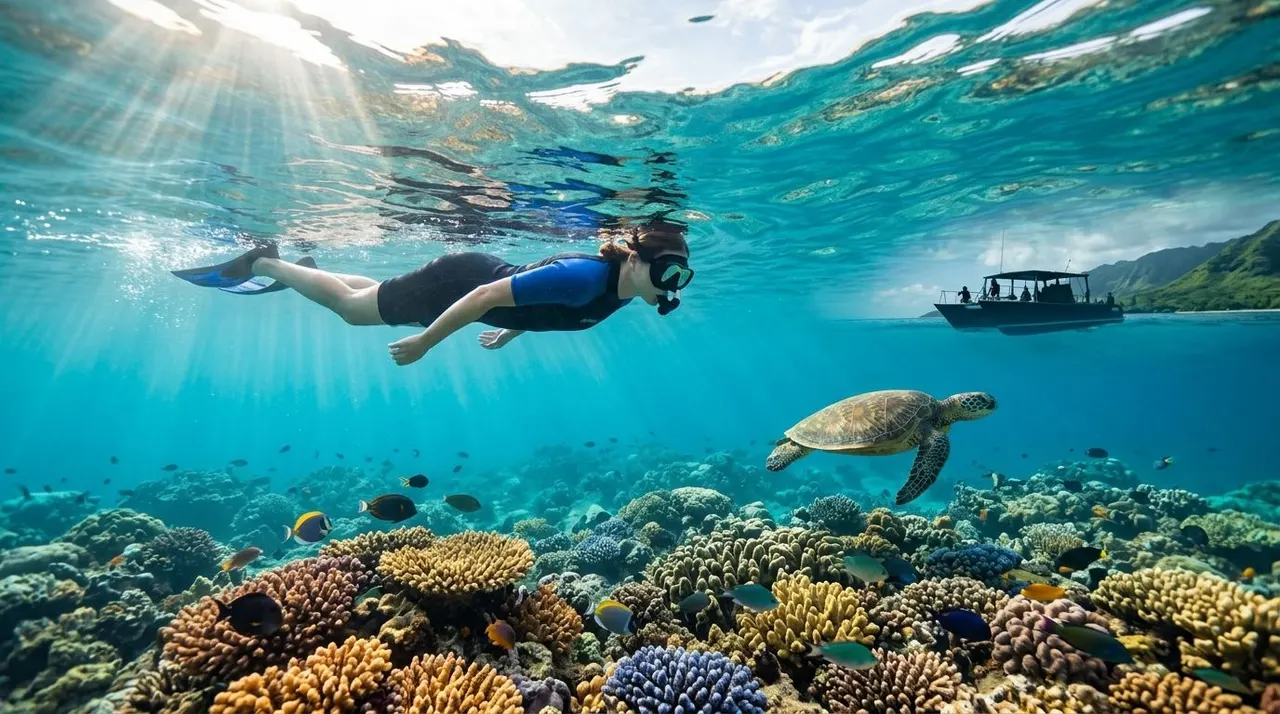
You're probably here with the same picture most visitors have in mind. Warm blue water. A mask that finally stops leaking. Reef fish flashing under you. If luck goes your way, a honu sliding across the reef so calmly that everyone in the water forgets to kick for a second.
That picture is real on Oahu. The part that catches people off guard is how different one snorkel day can be from the next. The island has easy-looking beaches that can be a poor call for beginners. It also has offshore sites that are far more controlled, easier to manage with a crew, and much more reliable if your goal is to see turtles instead of hoping for them.
I've always felt the best snorkel advice on Oahu starts with honesty. Some spots are beautiful but condition-dependent. Some are famous more for photos than for beginner-friendly snorkeling. Some of the safest, most consistent experiences happen from a boat, not from shore. If you want a practical starting point before picking a trip, this Oahu snorkeling overview is a useful companion.
Welcome to Oahu's Underwater Paradise
You arrive at a Waikiki beach with brand-new gear, clear water in front of you, and one goal. See turtles. Then practical questions quickly arise. Can everyone in your group handle the swim from shore, the entry over reef or rock, and the trip back in if the current picks up?
That gap between a good-looking beach and a good snorkel is what catches first-time visitors on Oahu.
Oahu gives you several completely different snorkeling experiences packed onto one island. Some days the south shore is calm and forgiving. Some days the same shoreline has weak visibility, surge at the entry, or crowds that turn a simple snorkel into work. Offshore sites are different. They often hold better marine life, cleaner conditions, and less guesswork, because you start over the habitat instead of fighting your way out to it.
I tell visitors to match the plan to the least confident person in the group, not the strongest swimmer. Families usually need an easy start, quick access to fish, and a setup where kids are not burning energy before the snorkeling even begins. New snorkelers do better when they can focus on breathing and floating instead of timing a beach entry. Strong swimmers have more options, but they still need to respect current, swell direction, and exit conditions.
The biggest difference on Oahu is reliability. Shore snorkeling can be excellent on the right day, but it depends on surf, visibility, entry conditions, and your group's comfort in open water. Boat trips remove a lot of those variables. They also reach offshore areas unavailable to beachgoers. Waikiki's Turtle Canyon is the best example. It is an offshore turtle cleaning station reached by tour boats rather than beach entry, as described by the Hawaii Ocean Project's Turtle Canyon overview.
That matters if turtle sightings are the priority.
A well-run boat trip does more than drop people in the water. The crew checks conditions, chooses the workable site for that day, watches the group, and keeps snorkelers away from bad entries and crowded shore breaks. Visitors comparing options can start with this practical guide to Oahu snorkeling tours and boat-access turtle spots.
Good snorkeling on Oahu starts with one honest question. Are you choosing the spot that looks easiest to reach, or the one that gives your group the safest and most dependable day in the water?
Choosing Your Adventure Shore Snorkel vs Boat Tour
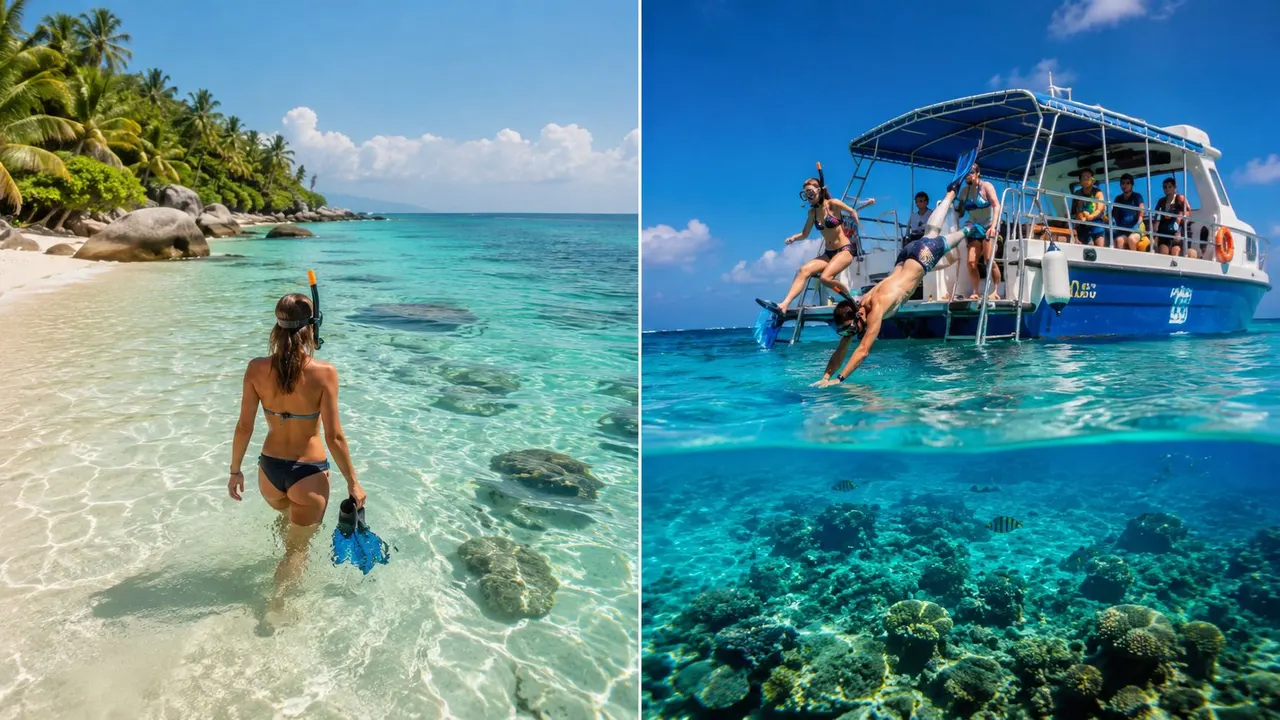
You pull into a beach that looked calm on Instagram. At water level, the entry is slippery, the shore break is stacking up, and the least confident swimmer in your group is already hesitating. That is a critical decision point on Oahu. Shore entry asks you to judge conditions correctly before the fun part starts. A guided boat tour puts that call in the hands of a captain and crew who evaluate ocean conditions for a living.
What the trade-off actually looks like
The choice is not just cost versus convenience. It is independence versus support, and access versus limitation.
| Option | What works | What often doesn't |
|---|---|---|
| Shore snorkel | Flexible timing, lower upfront cost, good on calm days for confident swimmers who can handle their own entry and exit | Rocky or reefy entries, shifting surf, weaker visibility, long surface swims, crowded parking and access |
| Boat tour | Access to offshore sites, crew supervision, easier entries from the boat, better odds of seeing turtles and reef life | Fixed departure times, higher price, less freedom to stay as long as you want at one spot |
The reliability difference is what visitors usually underestimate. Offshore sites reached by boat, especially Turtle Canyon off Waikiki, are visited because they produce consistent wildlife encounters in workable conditions. Shore spots can be excellent, but only when surf, wind, current, visibility, and the swimmer's comfort level all line up. For a practical side-by-side look, this guide to Waikiki snorkeling versus guided boat tours lays out the same trade-offs travelers run into every week.
Boat access also removes one of the biggest injury points. The entry.
A lot of shore snorkel problems happen in the first five minutes. Slips on lava rock, fins going on too early, surge pushing people into reef, or tired swimmers realizing too late that the swim back is harder than the swim out. Offshore tours avoid that beach entry altogether. Crews can also choose a protected mooring or alternate site based on the day's conditions, which is why boat trips are often the safer call for families, first-timers, and anyone focused on turtle sightings. The National Weather Service marine forecasts for Oahu regularly show how fast swell and wind can change water conditions around the island, especially along exposed coasts.
Where shore snorkeling goes wrong
North Shore visitors make the same mistake every season. They see summer photos, then show up in winter expecting the same easy water. It does not work that way. Honolulu Ocean Safety responds to rescues around Oahu every year, and exposed North Shore beaches get dangerous fast once seasonal swell arrives.
That does not mean shore snorkeling should be avoided altogether. It means it should be chosen carefully, with honest judgment about your group.
Practical rule: If one person in your group looks uneasy at the shoreline, cancel the shore entry and change the plan.
I tell visitors this all the time. If your main goal is guaranteed turtles with the least guesswork, book a boat. If your goal is a cheap, flexible swim and you are comfortable reading the ocean, shore snorkeling can work on the right day. On Oahu, the right choice usually comes down to how much uncertainty your group can safely handle.
Oahu's Most Popular Shore Snorkeling Spots
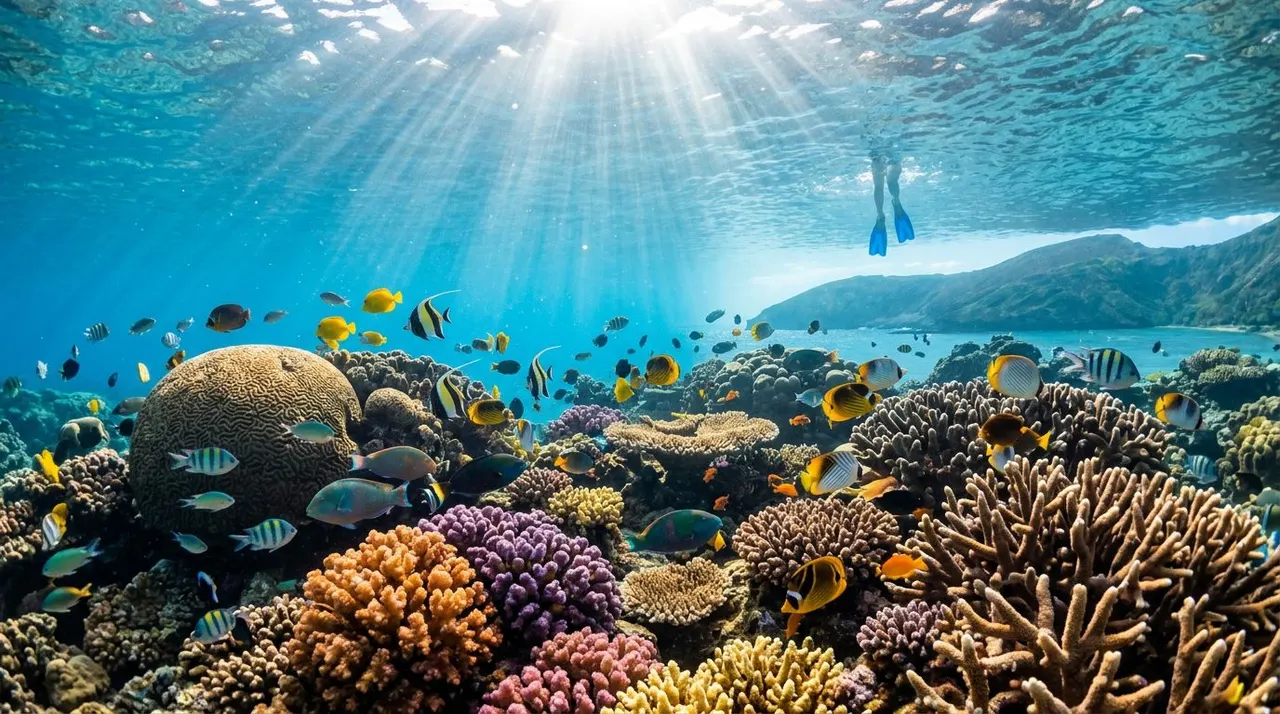
Shore snorkeling still has a place in a good Oahu trip. You just need to treat each spot for what it is, not for what social media says it is.
Hanauma Bay
Hanauma Bay is the classic choice for visitors who want an organized, well-known reef setting. It's easy to understand why people start there. The bay is scenic, the water can be inviting, and the fish life often starts close enough to shore that you don't need a long swim to see something.
The trade-off is crowd pressure and a more structured visit. Go early, expect company, and don't assume a famous bay automatically means the least stressful snorkel of your trip. For some families, the logistics are simple. For others, the crowds drain the fun before they even hit the water.
Shark's Cove
In summer, Shark's Cove can be excellent for strong casual snorkelers who don't mind uneven footing and rocky access. In winter, it's the wrong call for almost everybody. North Shore winter energy changes the entire character of that coastline.
That's where visitors get into trouble. They see photos from a flat summer day and assume the spot behaves that way year-round. It doesn't.
Electric Beach and Turtle Beach
Electric Beach attracts people who want more action in the water. It can reward experience, but it's not where I send nervous swimmers to “try snorkeling.” Current, surge, and entry timing all matter there.
Turtle Beach draws people because turtles are often associated with that stretch of shoreline, but the reef-shelf hazard deserves more respect than it usually gets. Guides regularly warn people away from the sharp reef where turtles feed, yet many casual articles still skip the physics of what happens when a single wave throws a snorkeler onto that reef. This overview of Oahu snorkeling spots points out that visitor forums and NOAA coastal safety briefs highlighted the collision risk at crowded shore-entry turtle beaches in 2025.
Here's a simple way to choose a shore spot:
- Want easy logistics: Stay closer to town and keep expectations modest.
- Want the best reef quality from shore: Be willing to skip the day if conditions don't cooperate.
- Traveling with kids: Pick the beach for the exit, not just the entry.
- Chasing turtles: Don't confuse “possible from shore” with “reliable from shore.”
For a closer look at near-town beach options, this guide to Waikiki beach snorkeling helps narrow the shortlist.
The Ultimate Experience A Guided Oahu Snorkel Tour
You can feel the difference before the boat even leaves the harbor. Families are getting fitted with the right gear, nervous swimmers get a clear briefing, and the crew is already watching wind, current, and swell. That setup matters. On Oahu, a guided boat trip removes the two parts of snorkeling that cause the most trouble for visitors: bad site selection and rough shore entry.
Boat access also changes what you can reasonably expect to see. Shore snorkeling can be good on the right day, but it is condition-dependent and often inconsistent for first-timers. Offshore trips to Turtle Canyon are built around a known turtle cleaning station, which is why the Turtle Canyon Snorkel Excursion off Waikiki is accessible only by boat and reports a 95% turtle sighting success rate in these Turtle Canyon tour reviews.
That reliability is the main advantage.
A good crew does more than drive you to the reef. They choose the mooring based on the day's water movement, explain how to enter without crowding the ladder, keep weaker swimmers inside the safer part of the group, and stop the common mistake of chasing turtles instead of letting the animals pass naturally. At a cleaning station, that kind of control protects both guests and wildlife.
Water quality is usually better offshore too. Waikiki boat tours often reach clearer water than the average near-beach snorkel, especially when sand and surface chop reduce visibility close to shore. You also spend more of the trip snorkeling instead of dealing with a long swim out, a rocky entry, or an exit that suddenly looks harder on the way back in.
Two practical tour styles
Some visitors want one thing. Turtles. If that is your priority, the Turtle Canyons Snorkel Excursion is the direct choice.
The other option works better for mixed groups, especially when some people care as much about the boat time as the snorkeling itself. The DELUXE Waikiki Snorkeling and Wildlife Cruise gives families and mixed-age groups a broader on-the-water experience.
If you are comparing trip formats, crew style, and departure options, this guide to choosing a Honolulu snorkel company is a useful place to start.
The strongest snorkel tours feel organized before anyone hits the water. That usually tells you the crew knows how to prevent problems instead of reacting to them later.
A Seasonal Guide to Snorkeling on Oahu
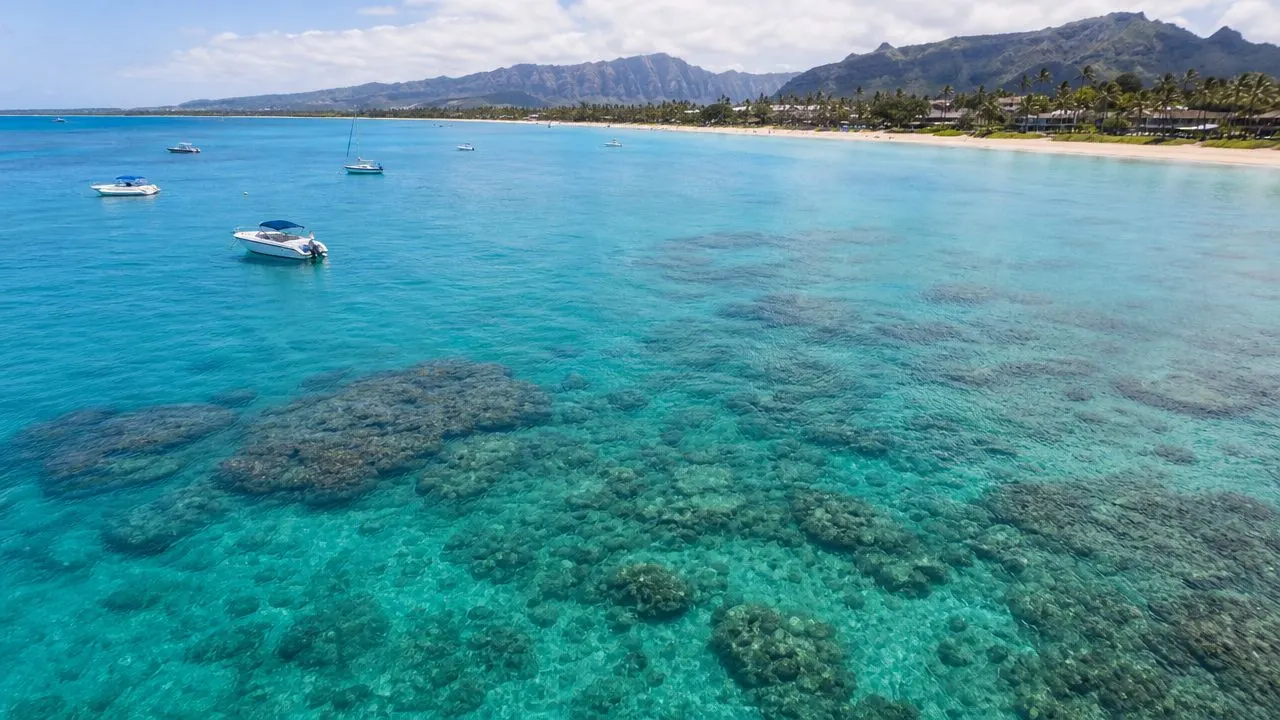
Oahu doesn't snorkel the same way year-round. The island's seasons change where the easy water is and which plans still make sense.
Summer and winter change the map
Summer usually opens up more shoreline options, especially outside the south shore. When the ocean settles down, places that are rough or questionable at other times can become enjoyable for experienced beach snorkelers. That's why visitors sometimes leave with the impression that Oahu shore snorkeling is simple everywhere. They happened to catch a forgiving window.
Winter shifts that balance. The North Shore becomes a spectator coastline for most casual visitors, not a snorkel playground. That's one reason south shore and offshore boat-access sites stay so important during the cooler season. Turtle Canyon remains active year-round, and guided boat operators keep reaching it even when winter shore conditions elsewhere become a poor fit for families or first-timers, as noted earlier in the article.
Water comfort matters too. Most visitors find Oahu swimmable year-round, but people vary. If you run cold easily, check local conditions before your trip with this guide to Oahu water temperature.
A winter bonus from the boat
If you visit from January through March, snorkeling isn't the only reason to get offshore. That's also when humpback whale encounters become part of the season. For travelers doing a winter itinerary, it's smart to separate the two experiences. Pick one day for snorkeling and another for whales rather than trying to cram everything into one rushed outing.
The Waikiki Whale Watching Tour is the relevant option during that seasonal window.
A lot of good Oahu trips come down to this. Match the coast to the season, and don't force a summer plan onto winter water.
How to Snorkel Safely and Respect Marine Life
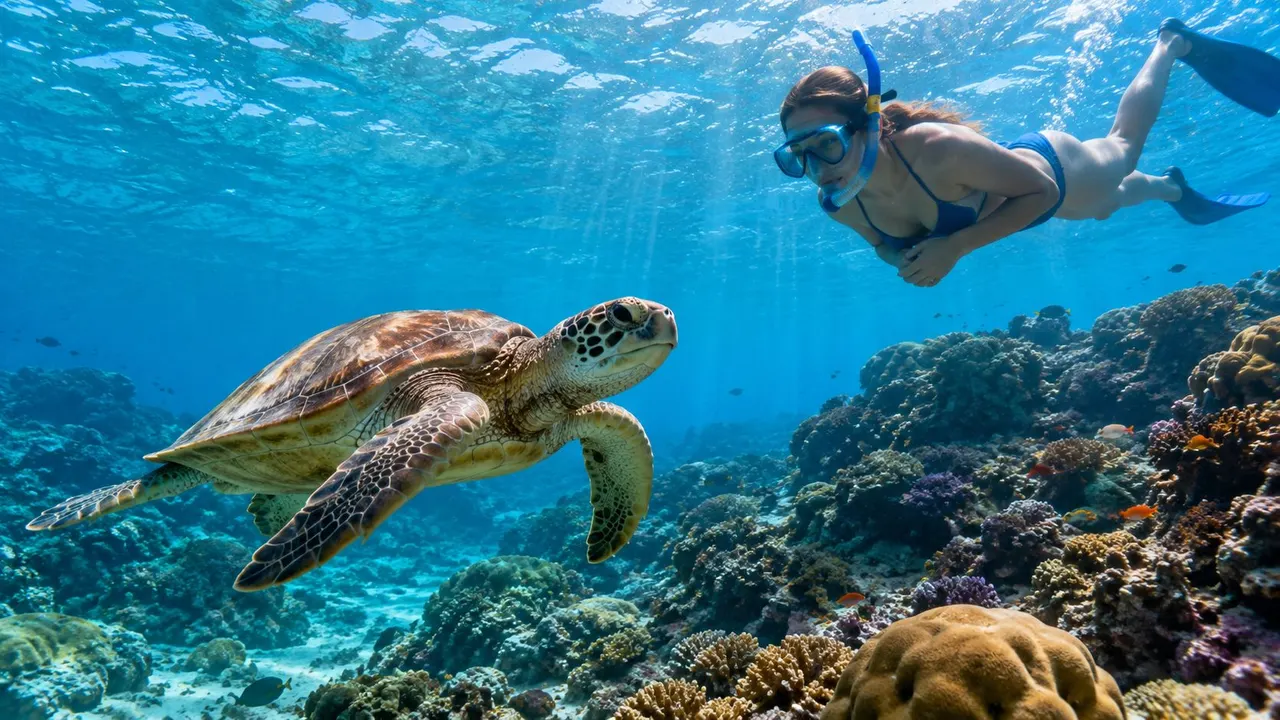
You can spot the difference between a safe snorkeler and a risky one in the first minute. The safe snorkeler stays calm, floats flat, and lets the reef come to them. The risky snorkeler kicks hard, drops vertical in shallow water, and closes distance on turtles without realizing how fast conditions can change.
That gap matters more on Oahu than many visitors expect. Shore snorkeling can look easy from the sand, then turn rough once surge, current, and reef depth start working against you. Guided boat trips reduce a lot of that guesswork because the crew picks the entry point, watches the group, and keeps people away from bad lines on the reef.
Turtle rules you need to follow
Hawaiian green sea turtles are a threatened species protected by federal law. Snorkelers must keep 10 feet away and never chase, touch, ride, or block a turtle, according to NOAA guidance on staying at least 10 feet from sea turtles and other marine wildlife in Hawaii.
In the water, the clearest rule is simple. If a turtle changes course because of you, you are too close.
Stay horizontal at the surface and give the animal a clean path to breathe or leave the area. I tell guests the same thing every trip. Watch the turtle's behavior, not just your camera screen. A turtle that speeds up, turns away, or cuts sharply is telling you to back off.
These habits prevent most problems:
- Float flat: Vertical kicking pushes you toward coral and wildlife.
- Leave space in front of the turtle: Do not crowd its route to open water or the surface.
- Let the turtle make the approach: Passive encounters are better for the animal and usually better for photos.
- Follow the crew or lifeguard briefing: Local rules are based on the site, surf, and animal behavior that day.
Reef protection starts with how you swim and what you put on your skin
Coral gets damaged faster than visitors think. A fin tip, a hand on the bottom, or standing up in shallow water can break living structure that took years to grow.
Sunscreen choice matters too. Hawaii banned the sale of sunscreens containing oxybenzone and octinoxate because of their harmful effects on marine environments, as explained by the State of Hawaii sunscreen law overview. Use mineral sunscreen with non-nano zinc oxide or titanium dioxide, and cover up with a rash guard when you can.
Good marine life etiquette is practical, not complicated:
- Keep your fins and hands off the reef.
- Do not feed fish or toss scraps in the water.
- Avoid standing in sandy pockets near coral heads if surge is pushing you around.
- Back away early from turtles, eels, and resting fish instead of waiting until you are already too close.
Boat tours have an advantage here too. At a managed offshore site, guides can brief the group before anyone gets in, space swimmers out, and redirect people before they drift onto coral or pressure wildlife. Shore entries are less forgiving because people often enter where it is convenient, not where it is safest.
Respect for marine life usually looks quiet. Slow kicks, wide spacing, and good judgment keep the encounter good for you and for the reef.
Essential Gear and Tips for Beginner Snorkelers
The first snorkel problem usually isn't fear. It's bad gear. A leaking mask, a twisted snorkel, or fins that force you to kick too hard can make a calm person feel clumsy fast.
Start with the mask. Put it on without the strap first and inhale lightly through your nose. If it seals for a moment without effort, that's a workable fit. For the snorkel, keep the mouthpiece relaxed. Bite just enough to hold it, then breathe slowly until the sound of your own breathing stops feeling strange.
A few beginner habits help right away:
- Wear a rash guard: It cuts sun exposure and reduces how much sunscreen you need.
- Defog before you swim: The old spit trick still works if you rinse lightly.
- Kick less than you think: Small flutter kicks are more efficient than hard bicycling.
- Practice floating first: Settle your breathing before you look for fish.
- Use flotation if offered: Good snorkelers use the support they need. There's no prize for refusing it.
For first-timers, guided trips simplify all of this because the gear, setup, and in-water instruction are handled for you. You spend less time solving equipment problems and more time getting comfortable enough to enjoy the reef.
If your family wants one rule to remember, use this one. Build the day around the least confident swimmer, not the strongest one. That choice fixes a lot before anything goes sideways.
If you want a straightforward way to plan your day on the water, Living Ocean Tours offers guided Waikiki snorkeling, turtle trips, seasonal whale watching, and other boat-based options that help visitors avoid the guesswork that comes with shore-entry planning.


