
Snorkeling Oahu: How to Choose the Right Snorkel Mouthpiece
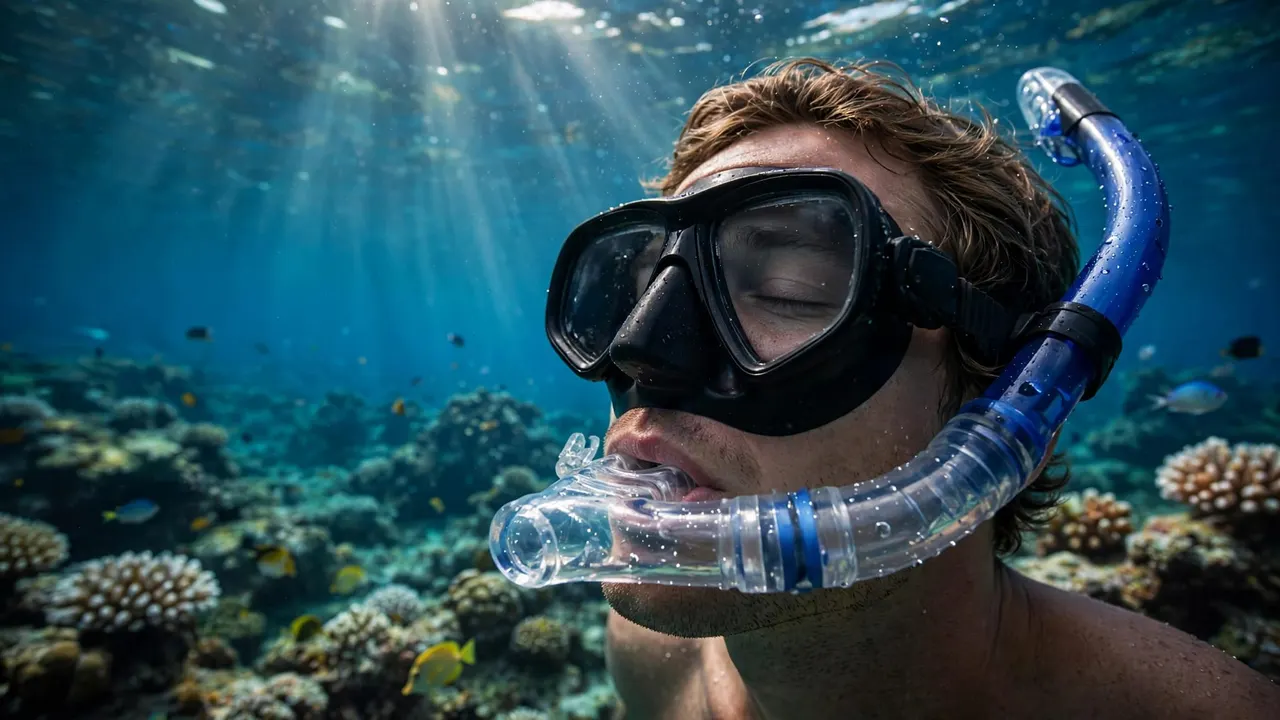
A sore jaw can pull your attention away from every turtle, reef fish, and patch of coral below you. The right snorkel mouthpiece feels secure without making you clench, so you can slow your breathing and enjoy the water.
Living Ocean Tours welcomes couples, families, first-time snorkelers, and confident swimmers from Kewalo Basin Boat Harbor, minutes from Waikiki. You get gear, instruction, sturdy ladders, and in-water support from the only tour company with professional snorkel guides.
Comfort starts while you are still on deck, before the Pacific sets the pace.
Why Your Snorkel Mouthpiece Matters in Oahu
A snorkel is a simple piece of gear, yet the mouthpiece determines how relaxed you feel while floating face-down. If it shifts, presses into your gums, or makes you bite hard, you may take quick shallow breaths and tire sooner.
A comfortable fit keeps your jaw loose
A well-fitting snorkel mouthpiece rests between your lips and teeth. Your lips should form the seal, while your teeth sit gently on the bite tabs. You should not need to clamp down to keep it in place.
Give yourself a minute to breathe through it before entering the water. If your cheeks tighten or your jaw aches on deck, the discomfort will likely feel stronger once you are swimming in small waves.
Your breathing should stay steady and unhurried. Lift your head for a break whenever you want. A relaxed surface float lets you see plenty of reef life without covering a large distance.
Pressure and movement are warning signs
Ask for another option if the mouthpiece feels bulky, pulls at the corners of your mouth, or slides when you turn your head. A mouthpiece that feels too small can be equally frustrating if you struggle to keep a comfortable seal.
Don’t force yourself through a gear problem because everyone else is ready to enter. Tell the crew early if you have braces, sensitive gums, a small mouth, jaw tension, or anxiety about breathing through a snorkel.
A mouthpiece should stay in place with a light bite. If you have to clench, pause and reset before you leave the boat.
Choose a Snorkel Mouthpiece by Fit, Not Marketing
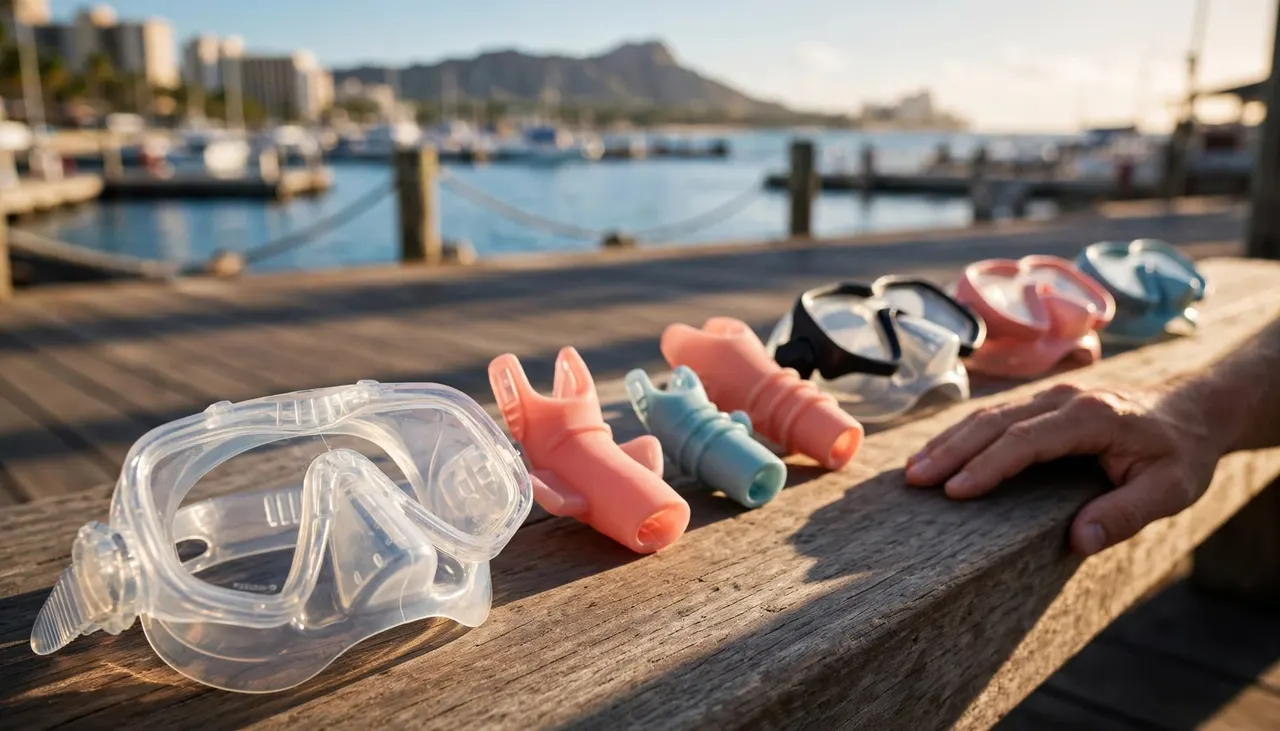
Snorkel gear does not fit every face or jaw the same way. Focus on what you can feel during a short test, rather than choosing based on a color, a brand, or a big promise on the package.
Compare standard and custom-fit styles carefully
Most rental snorkels have a standard flexible mouthpiece with bite tabs. That setup works well for many vacation snorkelers because it is easy to use and simple to replace.
If you snorkel often, you may prefer to research custom-fit options. This overview of regulator mouthpiece choices explains the range from basic designs to molds intended for a more personal fit. However, a custom option still needs testing before an ocean outing.
A shape that feels comfortable for a few breaths might become tiring after 20 minutes. Try it while standing, then while floating near the swim step if conditions allow.
Read material claims with care
Silicone is common in mouthpieces because it is soft and flexible. Still, “soft” does not guarantee a good match for your teeth or jaw. Thickness, bite-tab shape, and the angle of the snorkel all affect comfort.
You will also find replacement products labeled “anti-leak” or moldable. For example, this moldable silicone replacement mouthpiece listing describes those features for standard regulators. Treat product language as a starting point, not proof that it will solve a fit problem.
The best choice is the one that lets you breathe calmly without pressure. On a guided trip, ask whether the crew has a different snorkel available before departure.
Test Your Snorkel Before You Swim
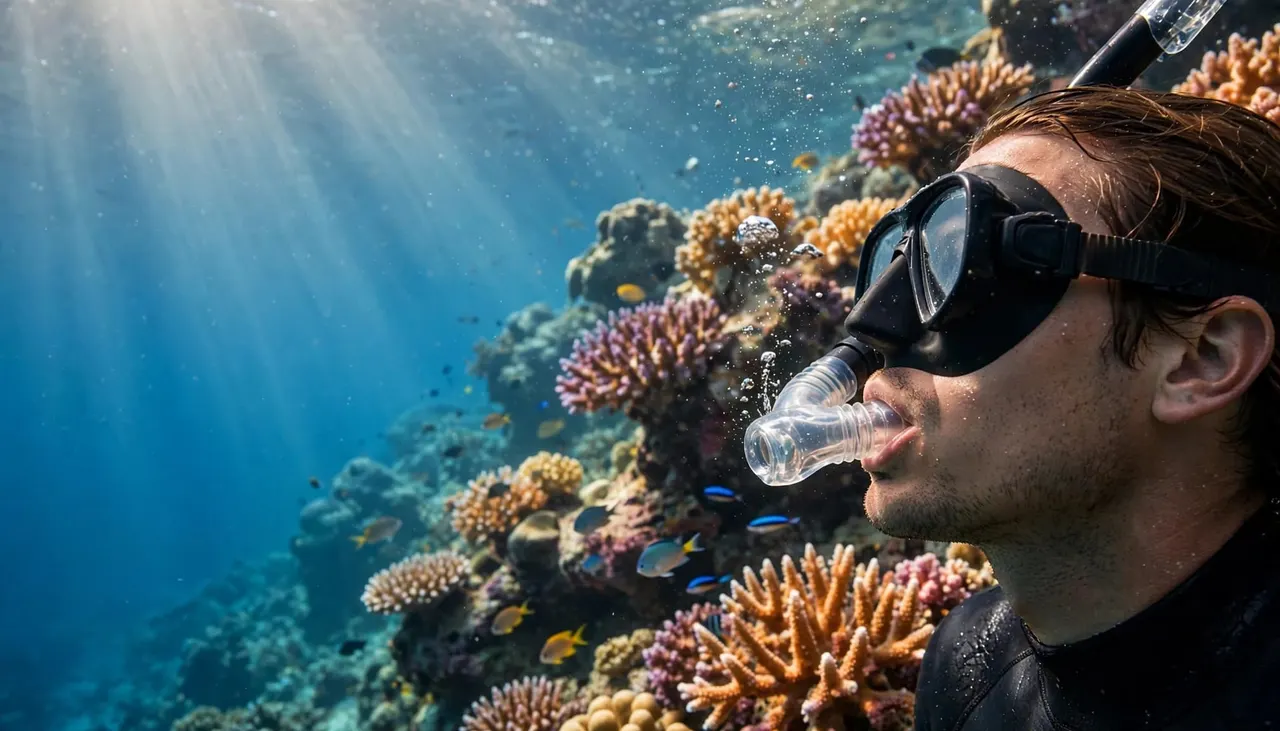
Your first few minutes with a snorkel mouthpiece should be practice time. Start before you are excited about turtles or trying to keep up with another swimmer.
Practice breathing while you are dry
Hold the snorkel in its normal position and breathe slowly through your mouth. Keep your shoulders low and your teeth relaxed. If you cannot breathe evenly on deck, don’t expect it to improve offshore.
Next, put on your mask and make sure its strap does not pull the snorkel into an awkward angle. A mask that sits too high or too low can change where the mouthpiece lands in your mouth.
Avoid chewing the bite tabs or pulling the snorkel sideways with your head. Small adjustments now can prevent a distracting leak or jaw ache later.
Do a calm-water comfort check
Once you enter, stay close to the boat, flotation device, or guide. Float face-down, take slow breaths, and notice whether water enters from one spot. If it does, lift your head, return to a relaxed position, and ask for help.
Don’t tighten a mask strap or bite harder as your first response. Hair across the mask skirt, a poorly placed snorkel keeper, or a shifted mouthpiece can all create discomfort.
Living Ocean Tours provides snorkel gear and knowledgeable guides, so you can address a small fit issue before it takes over your reef time.
Match Your Mouthpiece to Your Snorkeling Plans
The right snorkel mouthpiece for a short guided reef session may not be the one you would choose for repeated long swims. Plan around your comfort level, your group, and the style of day you want.
Pick a focused turtle experience for reef time
The Turtle Canyon Snorkel Excursion is a good fit when Hawaiian green sea turtles and reef viewing are your main priorities. Turtle Canyons is a boat-accessible Waikiki reef area where turtles may visit cleaning stations, although wildlife sightings are never guaranteed.
Before you enter, tell your professional snorkel guide if you are nervous about the mouthpiece or want to practice near the ladder. You can float slowly, get comfortable with your breathing, and stay aware of where your fins are moving.
Keep your body and camera at a respectful distance from turtles and coral. Watching wildlife behave naturally is more rewarding than trying to get closer.
You can CHECK AVAILABILITY when you are ready to plan your Turtle Canyons outing.
Choose more time and water play for families
The Deluxe Waikiki Snorkeling and Wildlife Cruise gives you 90 minutes of snorkeling at Rainbow Reef, plus a boat-mounted waterslide, water trampoline, and floating lily pad. It is a strong option for families and mixed-age groups who want time in the water without making snorkeling the only activity.
The longer you plan to snorkel, the more a comfortable mouthpiece matters. Start with a few calm minutes near the boat. Then take a break if your jaw begins to tire, even if the rest of your group stays in the water.
You can CHECK AVAILABILITY for a family-friendly Waikiki reef day.
Use Good Technique to Reduce Jaw Fatigue
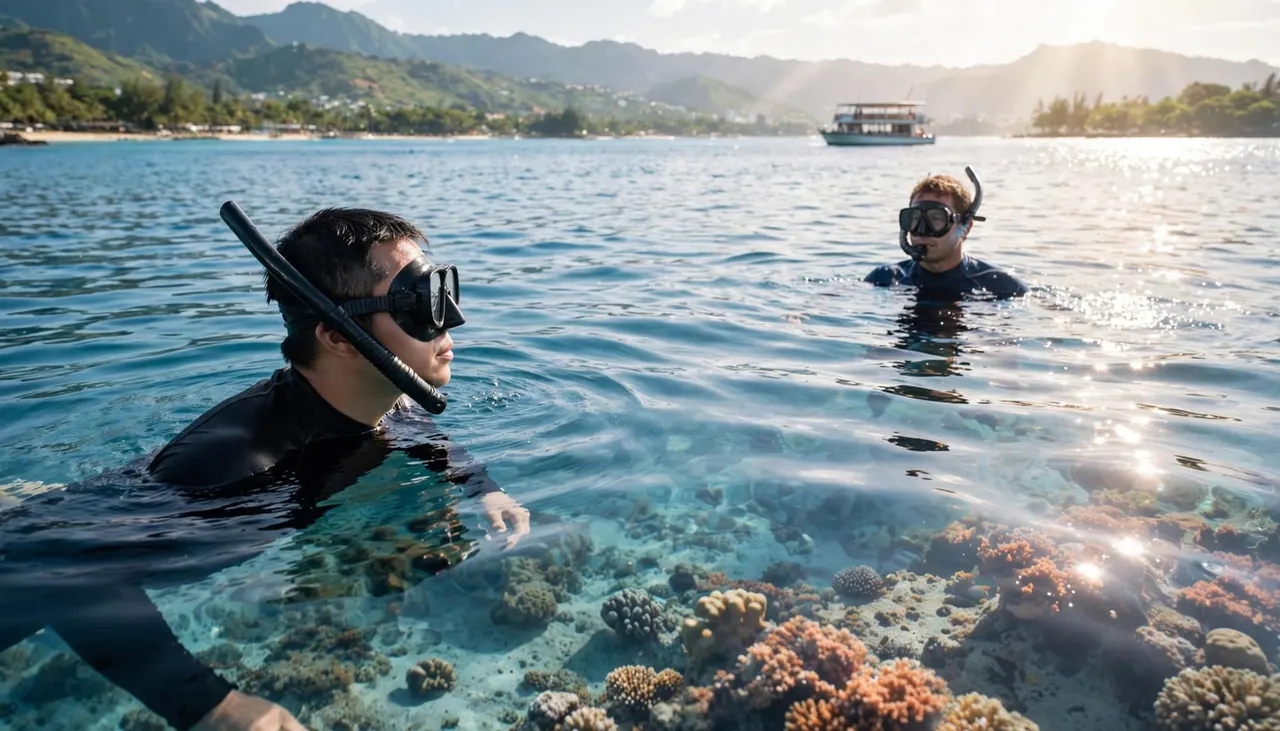
Even the right snorkel mouthpiece can feel uncomfortable when you are tense. A few basic habits make a noticeable difference.
Keep your body horizontal
Use a flotation device if it helps you relax. When you float face-down, the snorkel tube stays clear of the water more easily and your body uses less energy.
Fast kicking or lifting your head repeatedly can make you tense your neck and jaw. Instead, use long, easy kicks and look down at the reef. Stay close enough to hear your guide’s instructions.
If a wave enters the snorkel, lift your head above the surface, clear it, and reset. You do not need to push farther from the boat to prove you can handle the water.
Take breaks before discomfort grows
Jaw fatigue, dizziness, cold, frustration, and tired legs are all reasons to pause. Hold a flotation device, return to the ladder, or let a guide know you want help.
A snorkel mouthpiece should never make you feel trapped. You can remove it, breathe normally at the surface, and decide whether you want to continue. That choice is part of safe, enjoyable snorkeling.
Tell the crew about motion sickness, children who need extra attention, mask concerns, or swimming nerves before you enter. Early communication gives you more options.
Protect Oahu’s Reef While You Get Comfortable
Your equipment affects the reef experience. When your mask and mouthpiece fit well, you are less likely to grab coral or stand up in shallow water to fix a problem.
Hover instead of touching the bottom
Use enough buoyancy to float above the reef. If you need to adjust your mask or snorkel mouthpiece, move into clear water or hold a flotation device rather than reaching for coral.
Keep your fins behind you and kick gently. Coral can break or become stressed by contact, even when the touch seems minor. A calm, horizontal position also helps you avoid drifting into wildlife.
Let turtles choose the distance
Hawaiian green sea turtles, also called honu, need room to surface, rest, and move through the reef. Do not chase, touch, feed, or block their path.
Your guide can help you view turtles without crowding them. Stay patient if one swims away or does not appear. The reef still has colorful fish, coral formations, and small marine life worth watching.
Observing without touching protects the animals and keeps your snorkeling memory rooted in respect.
Key Takeaways
- Choose a snorkel mouthpiece that stays secure with a light bite and does not create jaw, gum, or lip pressure.
- Test your mask and snorkel while dry, then take a slow comfort check close to the boat.
- Ask for a different snorkel if it shifts, leaks, feels bulky, or makes you clench.
- Use flotation support when it helps you relax and remain horizontal above the reef.
- Tell your crew about braces, sensitive gums, motion sickness, swimming nerves, or children who need added support.
- Stay off coral and give turtles room to move naturally.
Frequently Asked Questions
Should you bring your own snorkel mouthpiece to Oahu?
Bring your own if you already know it fits comfortably and you prefer familiar gear. However, test it before your trip and ask the operator whether it works with their snorkel setup. A new mouthpiece should not get its first trial in open water.
Can braces make snorkeling uncomfortable?
Braces can make a standard mouthpiece feel different against your teeth and lips. Tell the crew before you enter the water, take extra time to test the fit, and stop if you feel rubbing or pain. You should never force a mouthpiece against sensitive areas.
Is guided snorkeling Oahu good for beginners?
Yes, provided you have basic swimming ability and choose conditions that match your comfort level. A guided outing gives you equipment support, an organized entry plan, and professional snorkel guides nearby. You can start slowly near the boat and return when you are ready.
A More Comfortable Oahu Snorkel Starts Before You Enter
A good snorkel mouthpiece lets you focus on the life below you instead of the gear in your mouth. Test the fit early, breathe slowly, and speak up when something feels wrong.
With a relaxed jaw, a calm surface float, and respect for the reef, you can spend your Oahu snorkel day watching the ocean instead of fighting your equipment.


