
Turtle Canyon Snorkel Mask Defogging Steps That Actually Work
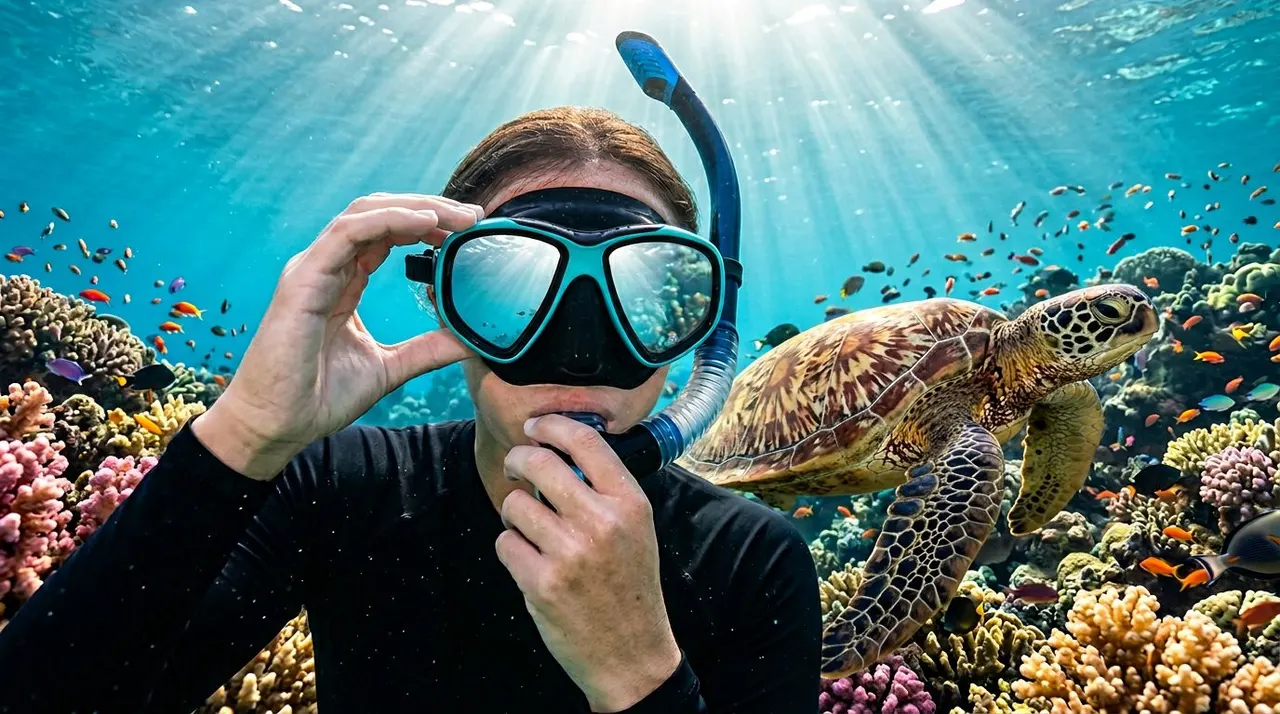
If your mask fogs up, Turtle Canyon loses its magic fast. Sea turtles turn into blurry shapes, coral fades, and you spend more time fiddling than floating. The good news is that snorkel mask defogging isn’t complicated when you use the right routine.
If you’re heading out with Living Ocean Tours, you want clear vision from the start. They’re also the only tour company in Honolulu with professional snorkel guides, which helps a lot if you’re new to mask prep or want a quick fit check before you get in.
Why your mask fogs right when the water gets good
Fog forms when warm, moist air hits a cooler lens. Your face heats the inside of the mask, the water cools the glass, and tiny droplets build up. In other words, your mask turns into a bathroom mirror.
Residue makes it worse. A brand-new mask often has a thin film from the factory. Sunscreen, skin oil, and hair products can also stick to the lens. Then, even a good anti-fog treatment struggles to hold.
Fit matters too. If your mask leaks, you keep lifting it to clear water. Each time you break the seal, you invite more moisture inside. That’s why good snorkel mask defogging starts before you even reach the reef.
If you want a simple explanation of what causes fog and why it keeps coming back, this breakdown of mask fogging causes covers the basics well.
At Turtle Canyon, clear vision is more than comfort. It helps you spot turtles early, stay aware of other swimmers, and keep a respectful distance from wildlife. You came to observe, not chase. A clear lens helps you do that.
Prep your mask before you leave the dock
The best results start at home or in your hotel room, not after the boat is already moving. If your mask is new, clean it before tour day. A small drop of plain, non-gel toothpaste on the inside of each lens can help strip that leftover film. Rub gently with your fingertip for about a minute, then rinse well.
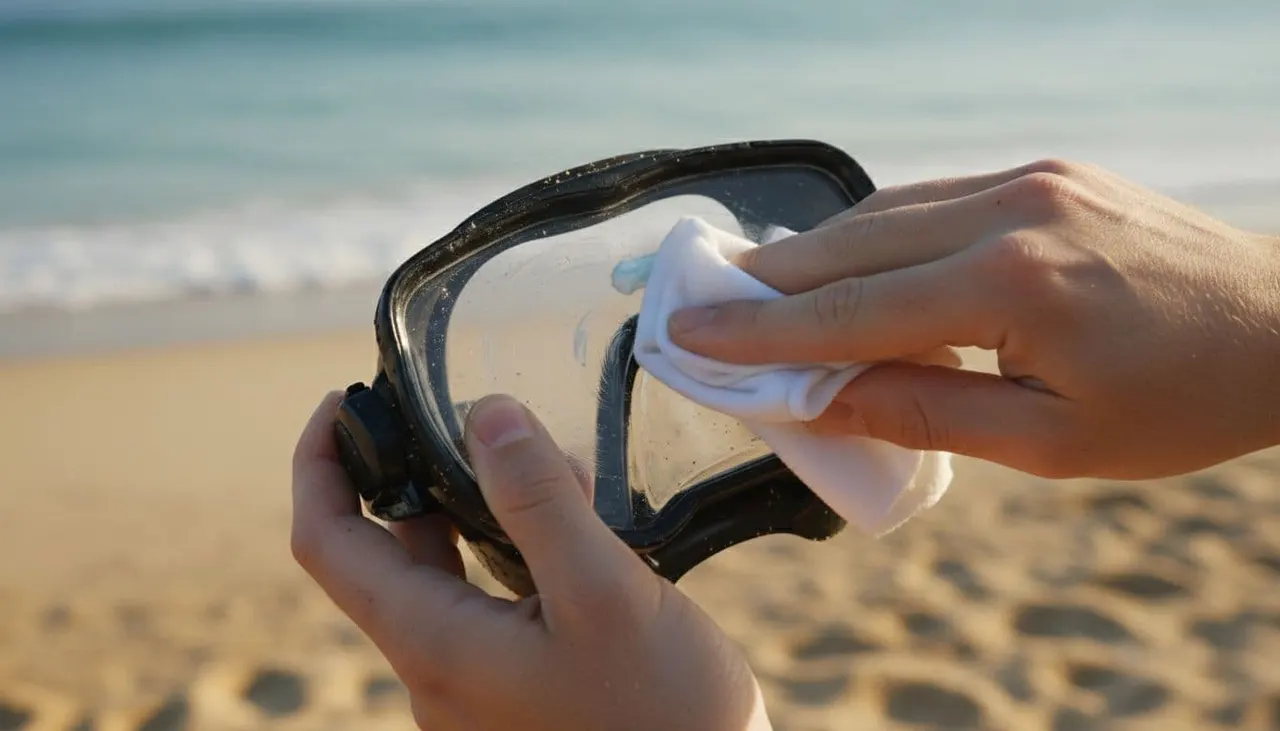
After that first deep clean, keep the inside of the lens as clean as you can. Don’t touch it with oily fingers. Try to keep sunscreen off the skirt and lens area. If you apply face products, do it well before you put your mask on.
Right before snorkeling, rinse the mask in fresh water or seawater to cool the lens. That small step helps reduce the temperature gap that sparks condensation.
A quick prep routine works best:
- Clean a new mask once or twice before the trip.
- Keep fingers off the inside of the lens.
- Wet the mask before use.
- Apply your defog right before you enter the water.
Commercial defog works well, and it’s easy to pack. Still, plenty of snorkelers use simple methods because they work fast. If you want a few extra practical ideas, these clear-vision tips for snorkel masks line up with what experienced guides already do on the boat.
The biggest mistake is over-rinsing after you apply defog. If you wash away the thin film, the fog comes right back.
The on-boat snorkel mask defogging routine that works
When it’s almost time to jump in, keep things simple. You don’t need five products or a long ritual. You need a clean lens, a thin film, and a good seal.
Use this order:
- Rinse the mask lightly to cool the lens and remove dust or salt.
- Add a defogging agent, either commercial defog or a small amount of saliva.
- Rub it across the inside of both lenses with one fingertip, all the way to the edges.
- Give it a very light rinse, just enough to remove bubbles or extra residue.
- Put the mask on right away and leave it there.
Saliva still works because it creates a thin surfactant layer over the glass. It isn’t fancy, but it has saved many snorkel sessions. The trick is not using too much water after.
Once the mask is on, breathe through your mouth, not your nose. Even a slow nose leak can fog a lens in minutes. Also, don’t wear the mask on your forehead between stops. That warms the lens and often transfers more oil from your skin.
If the mask starts to haze in the water, don’t panic. Float calmly, break the bottom seal a little, let in a small amount of water, swish, and clear it. A quick reset usually fixes light fog without ending your snorkel.
On a Turtle Canyon trip, this matters because the good moments pass quickly. One turtle glides below you, then another appears off to the side. If your lens clouds over, you miss the clean, sharp look that makes the whole experience feel real.
How to keep your view clear once you’re over Turtle Canyon
Even a well-prepped mask can fog if you keep adjusting it. So, once you enter the water, try to settle in early. Let the mask sit naturally on your face. Don’t overtighten it. A strap that’s too tight can break the seal and make leaks more likely.

Swim easy at first. Hard kicking and rushed breathing can make you feel warm fast, and that added heat can feed condensation. A calm start usually leads to a clearer mask.
This is where good guidance helps. Living Ocean Tours pairs you with professional snorkel guides who can spot fit issues, show you how to clear a mask, and help you stay relaxed in the water. That’s especially useful if you’re snorkeling with kids or trying Turtle Canyon for the first time.
Most of all, keep your focus on the ocean, not on the gear. When your mask is clear, you notice the way sunlight moves over the reef, the flash of fish near the coral, and the slow, steady movement of Hawaiian green sea turtles below you.
Clear water deserves a clear view. If you clean the lens early, apply defog the right way, and avoid rinsing it away, your mask will usually stay clear long enough for the moments that matter most. Snorkel mask defogging doesn’t need to be fancy, it just needs to be done right. Use the same routine every time, and Turtle Canyon gets a lot better.


