
Snorkeling Oahu: How to Use a Snorkel Keeper
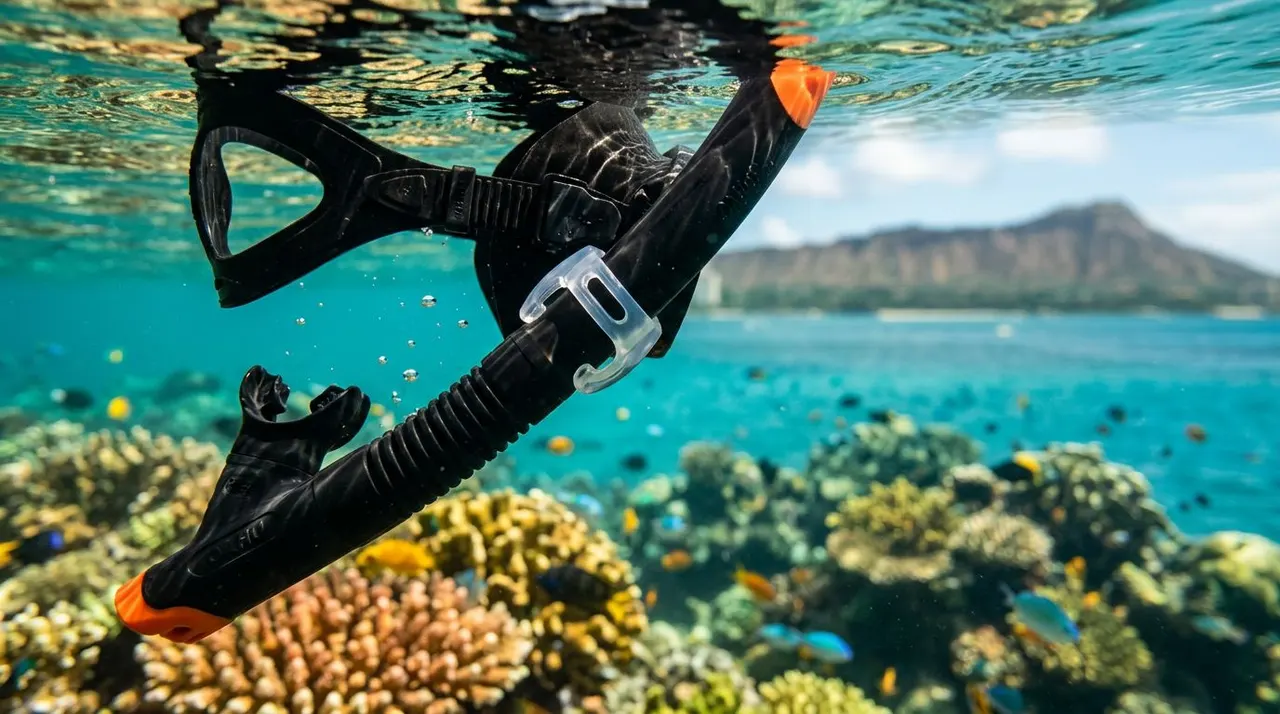
A loose snorkel can turn a peaceful swim into a constant adjustment. When you’re snorkeling Oahu, a properly fitted snorkel keeper keeps the tube aligned with your mouth, mask, and breathing position.
This small plastic or silicone attachment connects your snorkel to the mask strap. It doesn’t hold the mask on your face, but it stops the snorkel from drifting away or pulling against your mouth. Once you know how to position it, your gear feels more natural in the water.
What a Snorkel Keeper Does
A snorkel keeper is the attachment that secures the snorkel tube to your mask strap. Most models use a sliding ring, split clip, or hinged clip. Each style performs the same basic job, although the fitting process can vary slightly.
The keeper should hold the snorkel close to the side of your head without pressing into your skin. It also allows the tube to move slightly as you turn your head. A rigid setup can tug on the mask skirt and create leaks.
The keeper isn’t a replacement for a properly fitted mask. Your mask should seal around your eyes and nose before you attach the snorkel. Press the mask gently against your face, inhale through your nose, and check that it stays in place for a few seconds without the strap pulling tightly.
Keep the snorkel on the side that feels comfortable. Many snorkels are designed for the left side, but some can work on either side. The mouthpiece should rest naturally between your teeth, with your lips closed around it without biting down hard.
A keeper also isn’t a safety leash. Don’t attach it to your wrist, life jacket, or swimsuit. Its purpose is limited to keeping the snorkel in the correct position beside your mask.
Snorkel Keeper Parts and Correct Placement
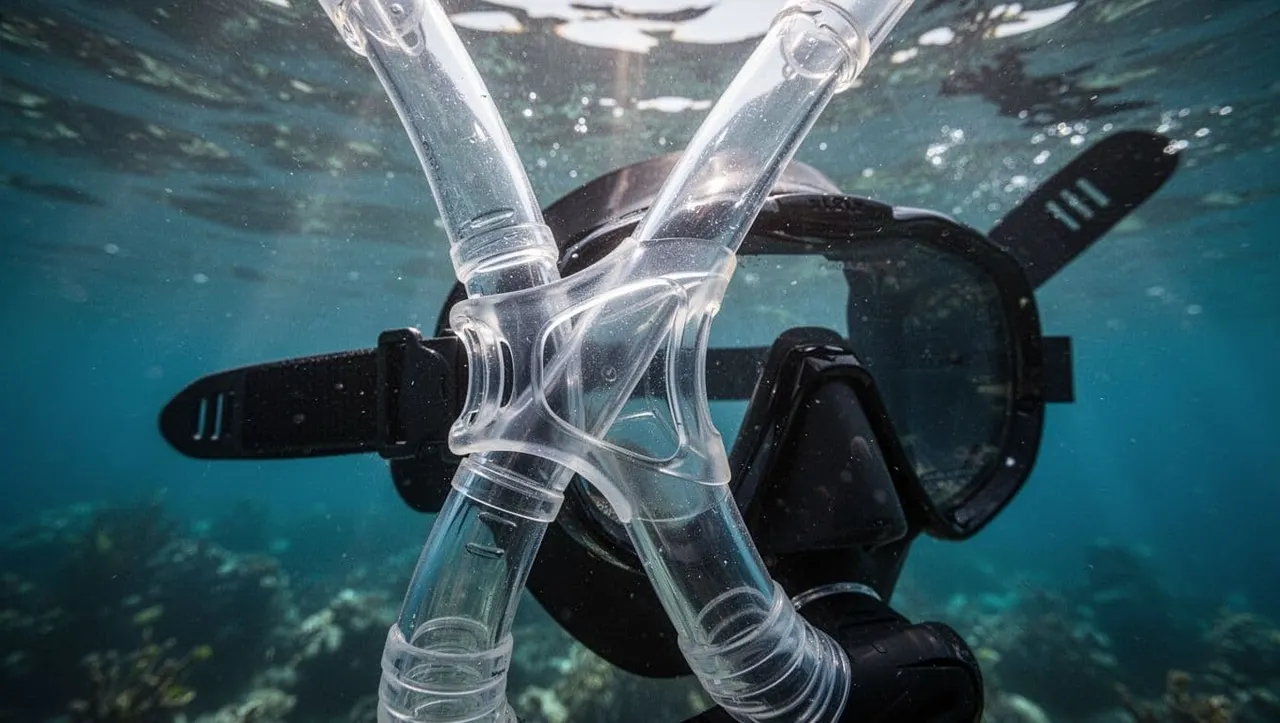
The attachment point matters more than the brand. Place the keeper on the mask strap, not on the soft silicone skirt around your eyes. The skirt needs to remain flexible so it can form a watertight seal.
Position the snorkel tube beside your temple. The top opening should rise above the crown of your head when you float face down. If the tube leans forward, water can enter more easily. If it leans too far backward, the mouthpiece may pull at the corner of your mouth.
The strap should lie flat through the keeper. Twisted straps can create uneven pressure and make the mask sit crooked. On a traditional sliding keeper, feed the mask strap through the wider opening, then pass the snorkel tube through the second opening. On a clip-style model, open the clip fully before placing it around the strap and tube.
Different keepers have different shapes, so check the fit before entering the water. This guide to attaching a snorkel to a mask shows the common arrangement and explains why the tube needs to stay close to the mask.
How to Attach a Snorkel Keeper Step by Step
Follow these steps on dry land before you reach the beach or boat platform.
- Put on the mask first. Set the strap around the widest part of your head. Keep it level and flat, with the buckle resting comfortably near your ear.
- Place the mouthpiece in your mouth. Rest the bite tabs between your teeth and close your lips around them. You shouldn’t need to stretch your jaw or turn your head to reach the mouthpiece.
- Align the snorkel tube. Hold the tube beside your face. Keep the upper opening vertical and above the back of your head. The lower tube should meet the mouthpiece without a sharp bend.
- Open or slide the keeper into position. Feed the mask strap through the keeper, then secure the snorkel tube in its channel. If the keeper slides, move it up or down until the mouthpiece sits naturally.
- Check the strap and skirt. Make sure the keeper isn’t sitting on the silicone mask skirt. Confirm that the strap remains flat and that the mask hasn’t shifted away from your eyes.
- Test your head movement. Look left, right, down, and slightly up. The snorkel should stay close without pulling the mask or pressing the tube into your cheek.
- Take a few breaths. Breathe slowly through the mouthpiece while standing or sitting safely on shore. If your jaw feels strained, lower the keeper slightly or adjust the mouthpiece angle.
A good fit should feel secure but not tight. If you have to clamp your teeth together to keep the mouthpiece in place, the keeper is probably too high, too low, or attached to the wrong section of the tube.
Common Snorkel Keeper Problems
A snorkel keeper can be attached correctly and still feel uncomfortable if the rest of the gear isn’t adjusted. Small changes often solve the problem.
The snorkel keeps falling away from your face. Check whether the tube is actually inside the keeper channel. Some clips look closed when they haven’t fully locked. Also inspect the mask strap for twisting or stretching.
The mask leaks after you attach the keeper. The keeper may be pressing against the silicone skirt. Move it onto the strap and loosen the strap slightly. A mask strap that’s too tight can fold the skirt instead of improving the seal.
The mouthpiece pulls on your lips. Lower the keeper a little or rotate the snorkel tube so it follows the natural line of your cheek. Avoid forcing the tube into a perfectly straight position if that makes the mouthpiece uncomfortable.
Water enters through the top. Keep the snorkel opening above the surface while you float. If waves wash over it, lift your head calmly and clear the tube according to your guide’s instructions. A keeper helps with alignment, but it can’t prevent water from entering during a wave.
The clip slips during a swim. Look for sand, sunscreen, or salt crystals around the attachment. Rinse the keeper with fresh water after every use. A worn or cracked clip should be replaced rather than tightened with tape or makeshift ties.
Silicone clips and replacement keepers are widely available, including basic mask keeper clips for common mask and snorkel combinations.
Choosing and Packing the Right Keeper for Oahu
Most recreational snorkelers need a simple keeper that fits their mask strap and snorkel diameter. You don’t need a complicated attachment for a calm reef swim, but you do need a secure fit.
When buying or packing one, check these details:
- Choose a keeper made from flexible silicone or durable plastic.
- Confirm that its opening fits both your strap width and snorkel tube.
- Avoid cracked clips, sharp edges, or stiff plastic that can cut into the strap.
- Carry a spare if you’re bringing your own equipment on a longer trip.
- Rinse the keeper with fresh water after swimming in salt water.
Try the complete setup at home. Put on the mask, attach the snorkel, and breathe through the mouthpiece for several minutes. That test can reveal jaw pressure or strap problems before you’re floating above a reef.
If you’re renting gear, ask the crew to check the keeper before you enter the water. A professional guide can adjust the height quickly and help you understand how to clear water from the snorkel. This is especially useful for children and first-time snorkelers.
Snorkeling Oahu With Living Ocean Tours
Living Ocean Tours operates from Kewalo Basin Boat Harbor, a short drive from Waikiki Beach. The company takes guests along the Waikiki coastline for guided snorkeling, wildlife cruises, sunset trips, and seasonal whale watching.
The Turtle Canyons Snorkel Excursion is a popular choice if you want to look for Hawaiian green sea turtles at a natural underwater cleaning station. The crew provides the snorkel equipment, checks every guest’s fit, and offers guidance before you enter the water. You can see the Turtle Canyon Snorkel Tour for current tour details.
Living Ocean Tours is also the only tour company with professional snorkel guides. That support helps you focus on breathing, body position, and reef awareness instead of struggling with loose equipment. Beginners receive direct instruction, while experienced swimmers can settle into the water with less interruption.
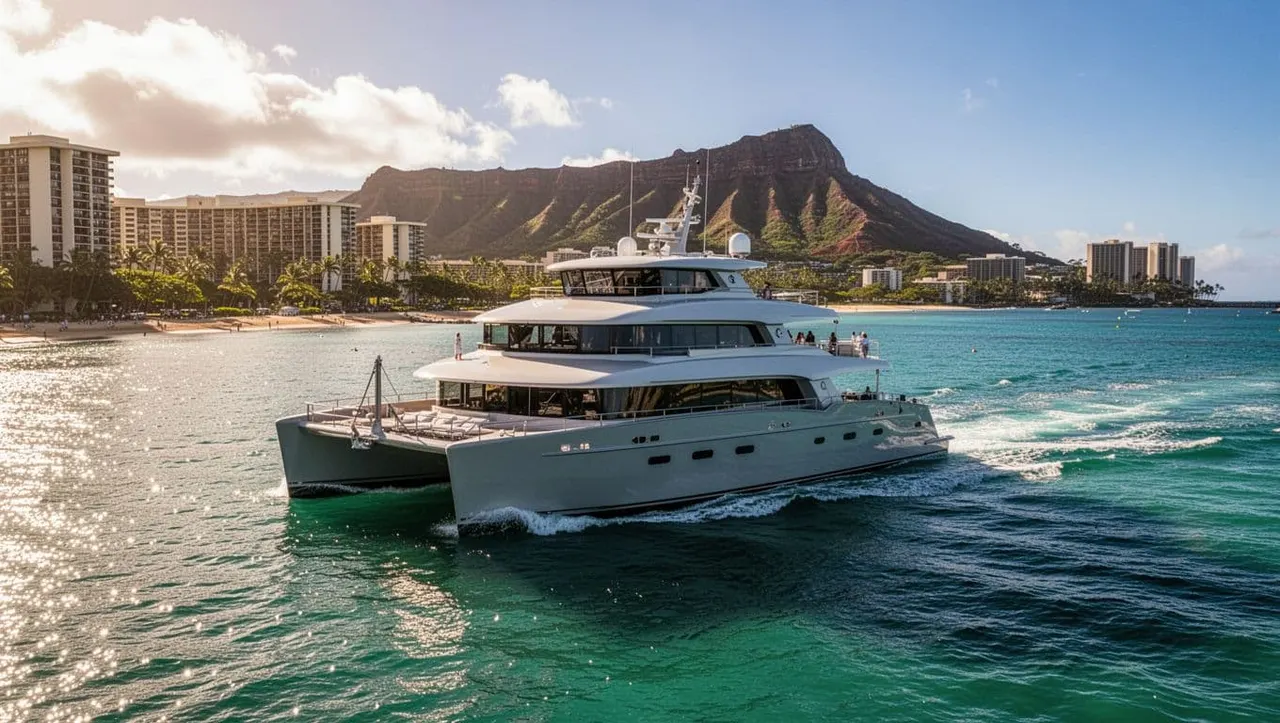
For families and couples who want more time on the boat, the Deluxe Waikiki Snorkeling and Wildlife Cruise visits a less-crowded reef and includes a waterslide, water trampoline, and floating lily pad. The Lokahi also has a SeaKeeper stabilization system that helps reduce rolling while you’re aboard.
The boats include shaded seating, restrooms, dry storage, and sturdy ladders for water entry. Those details matter when you’re traveling with children or taking a first snorkeling trip.
Protect Oahu’s Reefs While You Snorkel
A well-fitted keeper improves comfort, but your behavior protects the reef. Keep your hands off coral, rocks, and marine animals. Hawaiian green sea turtles need space, even when they swim close to you.
Follow your guide’s distance instructions and watch your fins. Kicking coral can break fragile growth, while standing on the reef can damage organisms that take years to recover.
Use reef-safe practices before you leave shore. Secure loose gear, avoid litter, and keep sunscreen away from your eyes and mouthpiece. If you see a turtle, watch quietly and allow it to choose its own path.
Your snorkel keeper should keep your equipment in place, while you give every animal and reef structure room to move and grow.
Conclusion
A snorkel keeper works best when it holds the tube close to your mask without pulling on the strap or skirt. Attach it on a flat mask strap, align the mouthpiece with your lips, and test the setup before entering the water.
When you’re snorkeling Oahu, professional guidance can make the first few minutes much easier. With comfortable gear, calm breathing, and an observe-not-touch approach, you can spend less time adjusting your equipment and more time watching the reef.


