
Silicone Swimwear Allergies: Snorkeling Honolulu
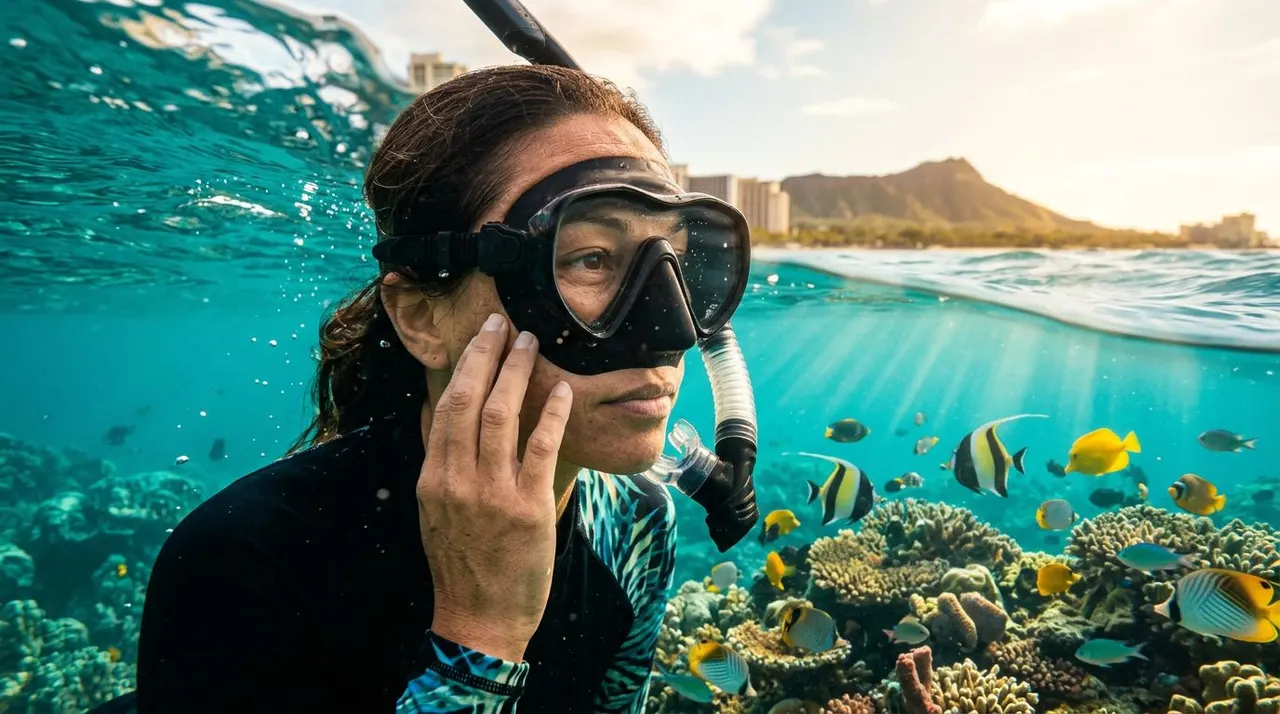
An itchy mask line can turn an exciting reef swim into a distraction. If you have sensitive skin, you can still enjoy Honolulu’s clear water, but you should know what may trigger a reaction before you board.
Silicone swimwear allergies are rare, and a rash after snorkeling doesn’t automatically point to silicone. Saltwater, sweat, sunscreen, wet fabric, pressure from a mask, and rubbing straps can all irritate skin. Living Ocean Tours, Oahu’s top-rated and most-reviewed snorkel company, offers guided outings from Kewalo Basin near Waikiki and is the only Honolulu tour company with professional snorkel guides in the water with you.
A careful gear check and an unhurried entry can help you focus on coral, tropical fish, and the coastline instead of uncomfortable skin.
Key Takeaways
- Silicone swimwear allergies are uncommon, and only a medical professional can determine whether you have allergic contact dermatitis.
- A rash around your eyes, cheeks, waist, or legs may come from friction, trapped moisture, sunscreen, fabric dyes, adhesives, or gear pressure.
- Test a personal mask and swimwear at home before travel, especially if you have eczema or past reactions to wearable gear.
- Tell your crew about skin concerns before entering the water, so you can adjust equipment or remain close to the boat.
- Keep at least 10 feet from Hawaiian green sea turtles, and never touch coral or marine life.
Silicone Swimwear Allergies and Contact Dermatitis
Silicone appears more often in snorkel masks, straps, grip bands, and swim caps than in the main fabric of a swimsuit. Silicone swimwear allergies can happen, but the available evidence is limited. A case report in Contact Dermatitis documented an allergic reaction tied to a silicone CPAP mask, which shows that a reaction is possible without proving it is common among snorkelers.
Allergic contact dermatitis can take time to appear
Allergic contact dermatitis happens when your immune system reacts to a substance after prior exposure. The American Academy of Dermatology’s contact dermatitis overview explains that itchy skin often appears first, followed by a rash and, in some cases, blisters.
A delayed reaction may show up hours after your snorkel or the next day. The skin can become red, swollen, dry, tender, or intensely itchy where the mask skirt, swimsuit edge, or strap rested.
Irritation is more common than a true allergy
Pressure and rubbing can leave marks that look alarming but fade after you dry off and remove the gear. Saltwater trapped under a tight band, sunscreen under a mask seal, or a wet swimsuit seam can also cause stinging.
Silicone swimwear allergies usually cannot be identified by appearance alone. Avoid guessing based on one rough-water day, especially if you wore a new sunscreen, used rental gear, or spent hours in a damp suit.
A rash limited to a mask line may be caused by the seal’s pressure or friction, even when the mask material itself is not the trigger.
How Snorkel Gear Can Irritate Your Skin
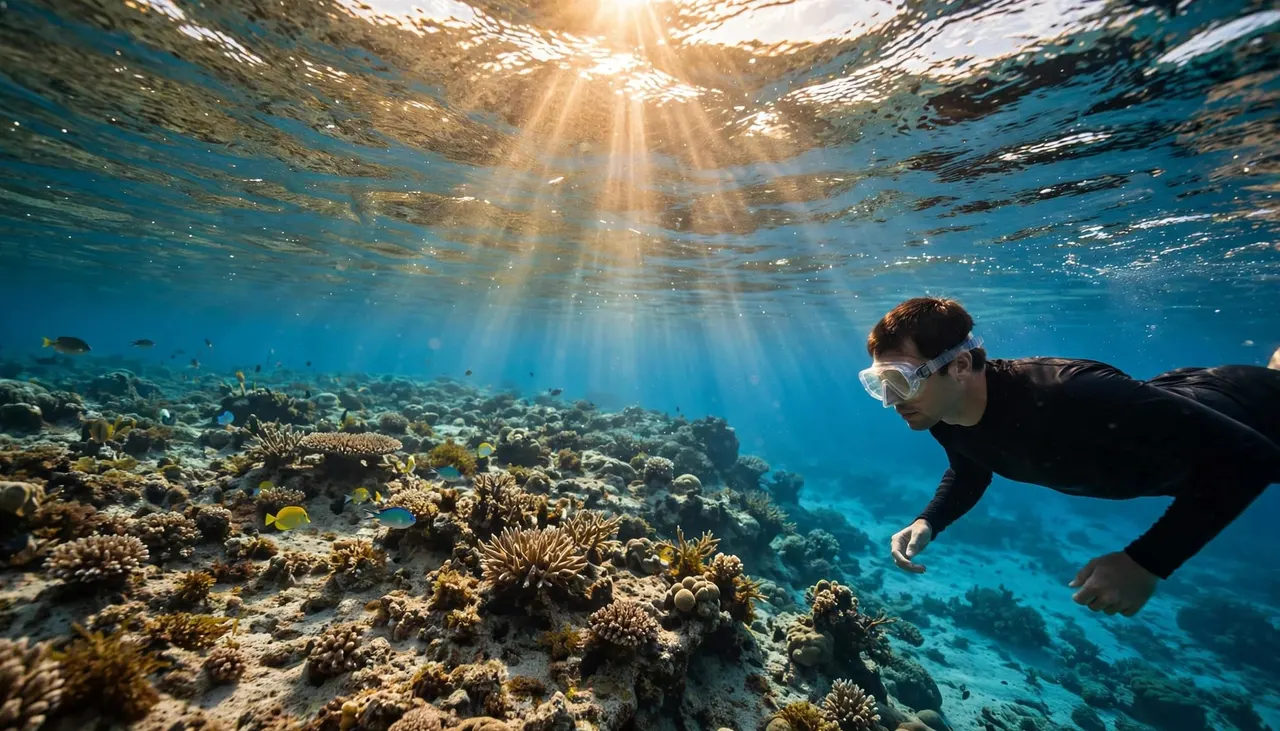
Your face gets the most attention because a mask must seal closely. Still, skin issues can start anywhere your body stays wet and covered.
Check the mask, strap, and hairline
Test your mask’s seal against clean, dry skin before you enter the water. It should sit comfortably without aggressive tightening. A strap that is too tight can pull hair, press behind your ears, and force the silicone skirt into your face.
Keep sunscreen and hair products away from the contact edge when possible. They can interfere with the seal and make you tighten the strap more than needed. If your mask leaks, ask a guide for help rather than cranking it down.
Watch damp seams and covered areas
Rash guards, fitted swim leggings, and secure one-pieces can reduce sun exposure and limit direct friction from a flotation vest. However, any wet layer can rub if it bunches under a vest or twists while you kick.
Choose swim-specific fabrics that stay close to your body. Skip cotton, loose cover-ups, and stiff new garments for the water. Once you feel burning, chafing, or pinching, take a break before it becomes a raw patch.
Prepare for a Honolulu Snorkel Day With Sensitive Skin
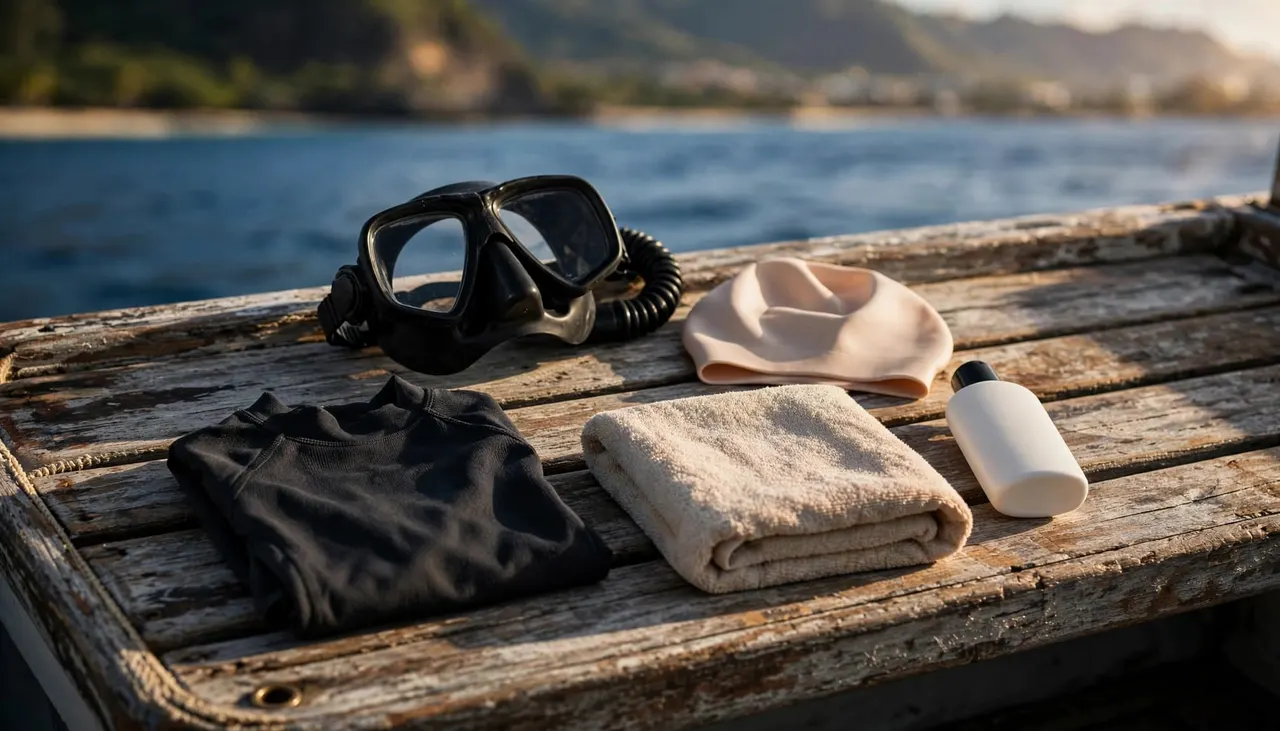
A few thoughtful choices before departure can make silicone swimwear allergies and other skin concerns easier to manage.
Pack coverage that stays secure
Bring a rash guard or swim shirt if you want coverage under a flotation vest. Swim leggings can also help if your legs react to friction from a board, ladder, or swimwear seam. Try every layer on while dry, then move your arms, squat, and stretch.
Pack drinking water, a towel, sunglasses with a secure strap, and a dry layer for the ride back. Sun protection matters, but don’t assume a product will suit your skin because its label uses broad marketing terms. If you have reacted to sunscreen before, bring one you have already tolerated.
Ask about equipment before booking
Tell the operator if you have a confirmed latex allergy, severe eczema, a known contact allergy, or a history of facial rashes from masks. Ask whether you may bring your own mask and whether you can practice with the gear before the water entry.
You should also ask whether you can stay near the boat, use flotation support, and return aboard whenever you need. A clear plan makes it easier to pause if your skin, breathing, or comfort level changes.
Choose a Guided Snorkel Tour With In-Water Support
A guided trip gives you a practical way to solve small gear problems before they ruin your time in the water. Living Ocean Tours provides gear instruction, shaded seating, restrooms, dry storage, and heavy-duty ladders on its Coast Guard-inspected double-decker vessels.
Focus on Turtle Canyons at your own pace
The Turtle Canyon snorkel excursion is designed for guests who want time near Waikiki’s natural turtle cleaning station. Living Ocean Tours reports a 95% turtle-sighting rate there, though wild animal sightings and ocean conditions can never be guaranteed.
Professional snorkel guides can help you settle your mask, manage surface chop, and stay calm near the boat. If your skin feels irritated or your mask won’t seal, you can stop early and enjoy the coast from the deck. For a turtle-focused outing, CHECK AVAILABILITY.
Pick a family-friendly cruise for more flexibility
The Deluxe Waikiki snorkeling tour visits Rainbow Reef and adds a waterslide, water trampoline, and floating lily pad. It is a strong option when some people in your group want to snorkel while others prefer boat-based fun.
The Lokahi has a SeaKeeper stabilization system that reduces boat roll. It cannot remove all motion on the Pacific, but it can make the ride more comfortable for guests prone to seasickness. You can CHECK AVAILABILITY for this longer wildlife cruise.
Protect Your Skin, the Reef, and Wildlife
A good Honolulu snorkel is built around calm movement and good judgment. Conditions can change with wind, swell, rainfall, currents, and boat traffic, even on a sunny morning.
Let conditions set your plan
Whitewater over the reef, murky runoff, persistent surface chop, and strong shorebreak are reasons to reconsider entering the water. On a charter, the captain and crew assess the actual conditions at the snorkel site.
Tell a guide early if you feel cold, dizzy, tired, nervous, short of breath, or uncomfortable. Returning to the boat is a smart decision, not a failed snorkel. You can still see Diamond Head, Waikiki, and passing marine life from the deck.
Give honu and coral plenty of room
Hawaiian green sea turtles need room to surface, rest, and swim naturally. Stay at least 10 feet away. Don’t touch, feed, chase, crowd, or block a turtle’s path.
Follow Hawaii’s snorkeling safety rules by looking without touching. Never stand on coral, even for a second to clear a mask or adjust a fin. Float horizontally, use a flotation device when helpful, and ask your guide for assistance.
When a Rash Needs Medical Attention
Minor pressure marks may settle after you rinse with fresh water, dry gently, and stop using the suspected gear. Persistent symptoms deserve more attention, especially around your eyes or mouth.
Stop snorkeling for swelling or worsening pain
Get out of the water if you develop spreading hives, facial swelling, blistering, severe burning, dizziness, or eye irritation. Seek urgent medical care for trouble breathing, throat tightness, faintness, or rapidly worsening swelling.
The AAD lists itching, painful or tender skin, cracking, swelling, and blisters among contact dermatitis symptoms. Children and anyone with a history of severe allergic reactions should use extra caution.
Patch testing can clarify the cause
If the same type of rash returns after contact with masks, straps, swimwear, or other gear, schedule an appointment with a board-certified dermatologist. Bring photos of the reaction and a list of products and materials you used that day.
A dermatologist may recommend patch testing for contact dermatitis. It can help identify allergens you need to avoid, but it does not make a diagnosis from a single ocean outing.
FAQ About Silicone Swimwear Allergies
Can you snorkel if you suspect silicone swimwear allergies?
You may be able to snorkel after discussing the issue with your clinician and identifying a comfortable setup. Bring gear you have worn without problems, minimize pressure points, and tell your crew before entering the water.
Should you wear a rash guard under a flotation vest?
Yes, if it fits smoothly and does not bunch under the vest. A fitted rash guard can reduce sun exposure and friction, but you should test its comfort while moving and breathing normally.
Do you need to be an advanced swimmer?
You should have basic swimming ability and feel comfortable putting your face in the water. However, beginners can enjoy a guided snorkel with instruction, flotation support, and professional guides nearby. Stay close to the boat and take breaks whenever you need them.
A Comfortable Snorkel Starts Before You Enter
Silicone swimwear allergies are possible, yet most post-snorkel skin discomfort has more than one potential cause. A well-fitting mask, secure swimwear, clean dry skin, and early communication with your guide give you a better chance of staying comfortable.
Give wildlife space, respect the crew’s call on conditions, and let your comfort level decide how long you stay in the water. The reef is far more enjoyable when you can relax and watch it without fighting your gear.


