
Sensory-Friendly Boat Tours: How to Plan Your Trip

Sensory-friendly boat tours start with a plan for the sounds, movement, sunlight, and changes you may encounter on the water. At Living Ocean Tours, we want you to feel ready for the adventure and comfortable speaking up about what helps.
Your ideal outing might include snorkeling, watching the coast, or taking breaks beside someone you trust. A little preparation can help you enjoy the ocean at your own pace.
Key takeaways
Sensory needs differ, so choose an outing around the experience you want rather than a general label. Bring familiar comforts, prepare for boat motion, and give yourself time to hear the safety instructions.
A flexible plan matters. You can enjoy the scenery without taking part in every activity, and you can tell the crew when you need support.
Plan around your sensory needs
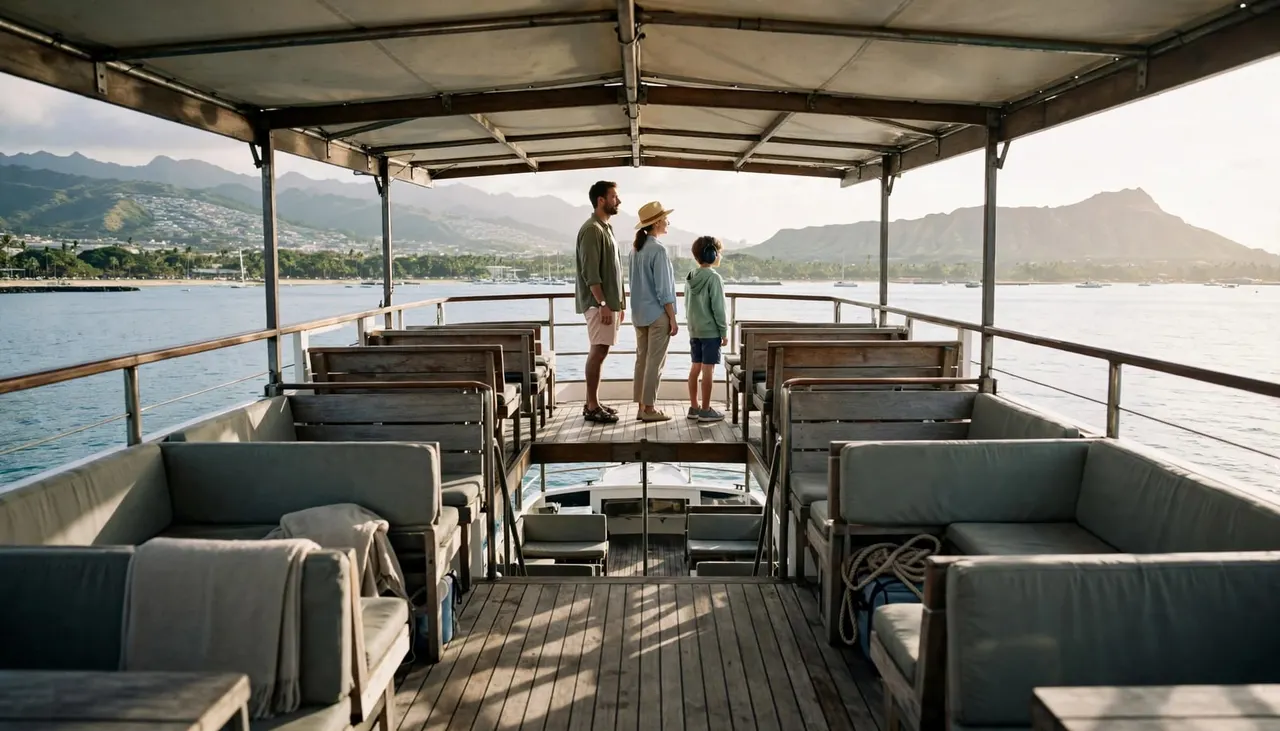
Sensory-friendly boat tours look different for everyone. One guest may love the breeze and ocean spray but find engine noise tiring. Another may enjoy wildlife viewing but feel uncomfortable with the movement of the boat.
Identify what helps you feel comfortable
Start with experiences you already know. If bright sunlight bothers you at the beach, pack the sunglasses or hat you prefer there. If unexpected sounds are difficult, consider familiar hearing protection that still allows you to understand crew instructions.
For a child, include their preferences in the plan. A favorite towel, familiar snack, or time beside a parent may make the outing feel more predictable. Adults deserve the same consideration for their own needs.
Make a plan for changes
Ocean conditions and wildlife don’t follow a script. Before your trip, talk through what you’ll do if the boat moves more than expected or the group needs to pause an activity.
Agree on a simple way to communicate discomfort. A word, gesture, or short phrase such as “I need a break” can help your companion understand what you need without a long explanation.
Choose an outing that matches your comfort level
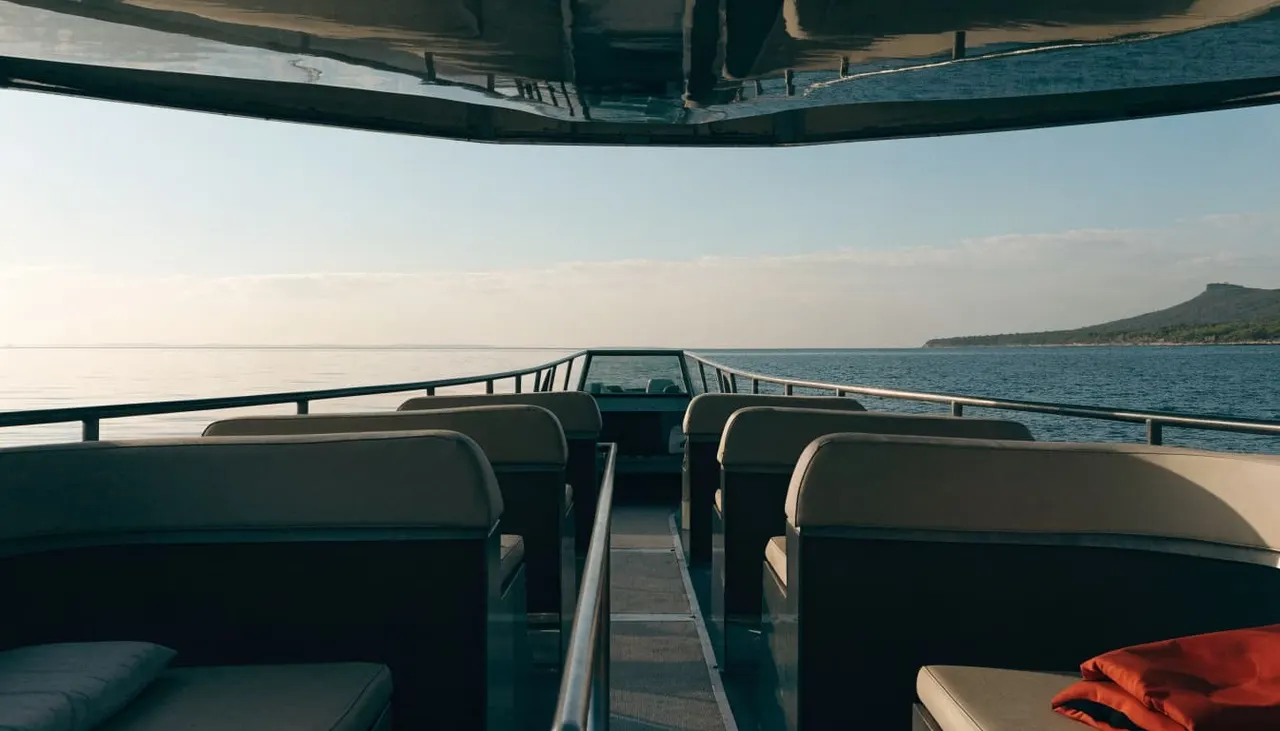
When comparing sensory-friendly boat tours, consider the whole experience, not only the destination. Time aboard, group activity, and your energy level all affect how the day feels.
Match the activity to your energy
A snorkeling outing includes several distinct experiences: the ride, a safety briefing, putting on gear, and entering the water. If those steps sound exciting but demanding, leave room in your day for rest afterward.
A sightseeing-focused outing may appeal if you prefer to stay dry and watch the coast. Evening light can feel gentler than midday glare, though an evening trip may be less comfortable if fatigue makes sensory input harder to manage.
Leave room for different preferences
Your group doesn’t need to enjoy every part of a trip in the same way. One person may want to swim while another prefers to enjoy the view from the boat.
Discuss those preferences before departure, especially with children. Knowing that a trusted adult will stay nearby can make the experience easier to approach. Keep your plans flexible enough to respond if someone’s comfort changes.
Find your ocean experience with Living Ocean Tours
Our Waikiki snorkeling and cruise options offer different ways to enjoy Oahu’s coast. Our snorkeling trips include equipment and guidance, so beginners have support as they get ready to explore the water.
Our professional snorkel guides can help you understand the activity and feel more prepared. You can tell the crew about your swimming experience and any sensory needs that affect how you follow instructions.
Sensory-friendly boat tours depend on your individual needs as well as the day’s conditions. You can use the planning ideas below to decide which parts of an outing sound comfortable for you and your group.
Prepare for boat motion before departure
A comfortable plan accounts for motion even if you don’t usually get carsick. Swell, wind, and wakes can all affect how a boat moves, and you may notice those sensations more when you’re already tired or overstimulated.
Eat lightly and plan medication ahead
Choose a familiar, light meal before your outing and drink water during the day. If you’re concerned about nausea, skip alcohol and avoid arriving hungry or after a meal that leaves you uncomfortable.
If you use motion-sickness medication, follow the product directions. A pharmacist or clinician can help you choose an appropriate option, particularly for a child or if you plan to enter the water. Some medicines cause drowsiness, which matters when you’re swimming.
Give your eyes a steady reference
A seat near the middle of a boat often feels less active than the bow or stern, although the best position depends on the vessel and conditions. Follow the crew’s seating instructions and look toward the horizon if motion starts to bother you.
Put your phone away if reading or scrolling makes you feel uneasy. Tell a crew member promptly if you feel dizzy, sweaty, or nauseated, especially before moving around the deck.
Pack familiar comforts for the ride
You don’t need a large bag to prepare for sensory-friendly boat tours. A few items you already know and like can make transitions between the dock, boat, and water easier.
Protect yourself from sun and sound
Bring sunglasses that fit comfortably and a hat you can secure in the breeze. A light layer can help if wind or damp clothing feels uncomfortable. A towel and dry clothes also give you options after swimming.
If you use ear defenders or earplugs, bring a familiar pair rather than trying a new one for the first time aboard. Keep them accessible, and adjust them as needed to hear safety directions.
For children who benefit from familiar objects, travel essentials for kids with ADHD offer ideas to consider alongside their usual comforts.
Keep belongings simple
A zipped bag keeps loose items together when you need your hands free for railings. Secure glasses with a strap if you rely on them, and choose accessories that won’t catch on bags or blow away.
Pack a familiar snack and water if those are part of your routine. Also consider a small comfort item that can tolerate moisture. Leave anything irreplaceable safely on shore.
Make boarding and instructions easier to follow
The period before departure can feel busy, especially if you’re managing a group. Give yourself enough time to arrive without rushing, use the restroom on shore, and settle your belongings before the briefing.
Explain what helps you communicate
Let our crew know about your needs in plain language. You might prefer face-to-face instructions, a slower explanation, or a chance to hear the important steps again. If your child needs extra processing time, you can share that too.
The tour guide communication guidelines offer broader context on communicating with guests who have disabilities. Your own preferences are the best starting point for explaining what works for you.
Keep safety information clear
Listen for the crew’s instructions about moving around the boat, life jackets, and any planned water activity. If you miss something because of noise or distraction, ask for it to be repeated.
You can also agree with your companion on who will listen closely and help relay information. Keep instructions short and direct for children, while making sure they understand the crew’s directions.
Take snorkeling one step at a time
Snorkeling adds new sensations: water on your face, pressure from a mask, and breathing through a snorkel. You can enjoy the outing without forcing yourself to enter the water before you’re ready.
Get comfortable with the equipment
Tell your guide if the mask feels too tight, leaks, or presses on an uncomfortable spot. Give yourself a moment to adjust to the fit and understand how to use the snorkel. If you need flotation support, discuss it with your guide.
A familiar swimsuit can also help. Choose one that feels comfortable when wet, and bring a dry layer for afterward. Small clothing preferences can matter more when you’re already managing several new sensations.
Keep wildlife encounters respectful
You may see fish or turtles while snorkeling, but wildlife sightings aren’t guaranteed. Give marine animals room and observe without touching them. Your guide can help you understand where to go and how to enjoy the reef respectfully.
If you decide to stay aboard, that’s a valid choice. You can still enjoy the coast and share the experience with your group.
Respond early when you need a break
Even a well-planned trip can feel different once you’re on the water. Pay attention to your own signals or changes in a child’s behavior, such as becoming unusually quiet, restless, or distressed.
Use your agreed signal
Tell your companion or a crew member what you need as soon as you notice discomfort. A short request such as “I need to sit” or “Please repeat that” gives others a clear way to help.
If the boat is moving, follow crew instructions before changing seats or moving between levels. Ask for assistance if you feel unsteady rather than trying to manage stairs or a wet deck alone.
Reduce one demand at a time
Start with the support that usually helps you. You might put on sunglasses, sit beside your companion, or pause a conversation. If you’re feeling motion sick, looking toward the horizon may help.
A break doesn’t have to end the outing. Give yourself time to settle, then decide whether you want to rejoin an activity or continue watching from your seat. If you feel severely unwell, tell the crew rather than assuming every symptom is ordinary seasickness.
Frequently asked questions
Are sensory-friendly boat tours completely quiet?
No boat outing is free of sound. Engines, wind, water, crew announcements, and other guests can all be part of the experience. Familiar hearing protection may help, provided you can still hear safety instructions.
Can you enjoy a boat tour without snorkeling?
Yes. You may prefer to stay aboard and enjoy the coastal views while others in your group take part in water activities. Discuss your preferences with your companions before the outing so everyone understands the plan.
What should you do if your child becomes overwhelmed?
Stay close, use your child’s preferred signal or words, and tell a crew member what support you need. Reduce demands where you can, and follow the crew’s directions before moving around the boat.
Does boat stabilization prevent seasickness?
Stabilization can reduce some movement, but it doesn’t remove every effect of waves, wind, or wakes. Prepare for motion in advance and tell the crew if you begin to feel unwell.
Make comfort part of the adventure
The best sensory-friendly boat tours for you are the ones that fit your needs and leave room for choices. Familiar comforts and a clear communication plan can make the ocean feel more approachable.
Choose the activities that appeal to you, take breaks when you need them, and enjoy the coast at your own pace.


