
Snorkeling Honolulu: Responding to a Sea Urchin Spine
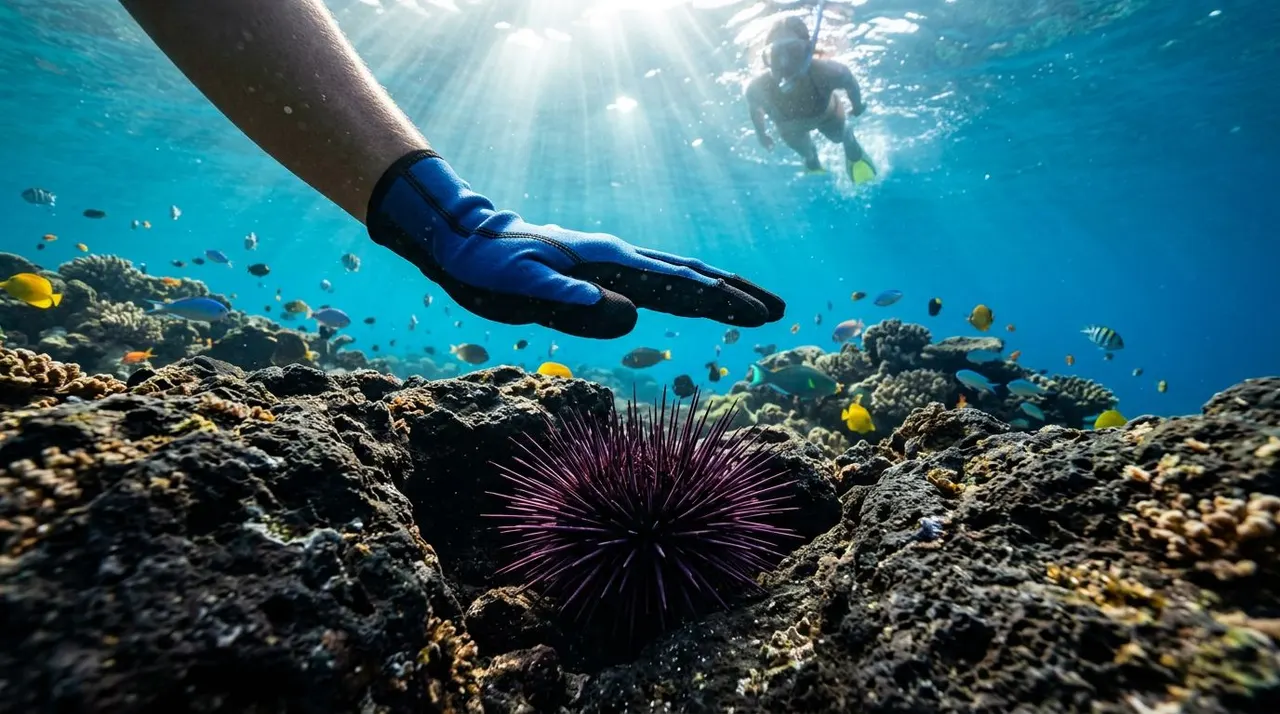
A sea urchin spine can turn a calm Honolulu snorkeling trip into a sharp and confusing emergency. One careless touch against a rocky reef can leave a brittle fragment in your skin.
If you’re planning snorkeling in Honolulu with Living Ocean Tours, you can reduce the risk by learning where urchins hide and what to do before pain and swelling distract you. A sea urchin spine injury is usually manageable when you leave the water promptly, avoid digging, and arrange medical care for deep punctures.
Why a Sea Urchin Spine Is a Risk in Honolulu Waters
Honolulu’s shallow reefs offer excellent visibility, colorful fish, and Hawaiian green sea turtles. They also contain rocky crevices where sea urchins shelter during the day.
Most urchins don’t chase swimmers. Injuries happen when you place a hand on the reef, kneel to adjust your mask, or stand on a rock without seeing what sits underneath.
Where accidental contact happens
You may encounter sea urchins on volcanic rock, reef ledges, coral rubble, and shaded spaces beneath overhangs. Their dark bodies can blend into the seafloor, while their long spines may be difficult to see in moving water.
Strong waves can also push your legs or fins toward the reef. If you feel uncertain, signal your guide and move into deeper water rather than grabbing the bottom for balance.
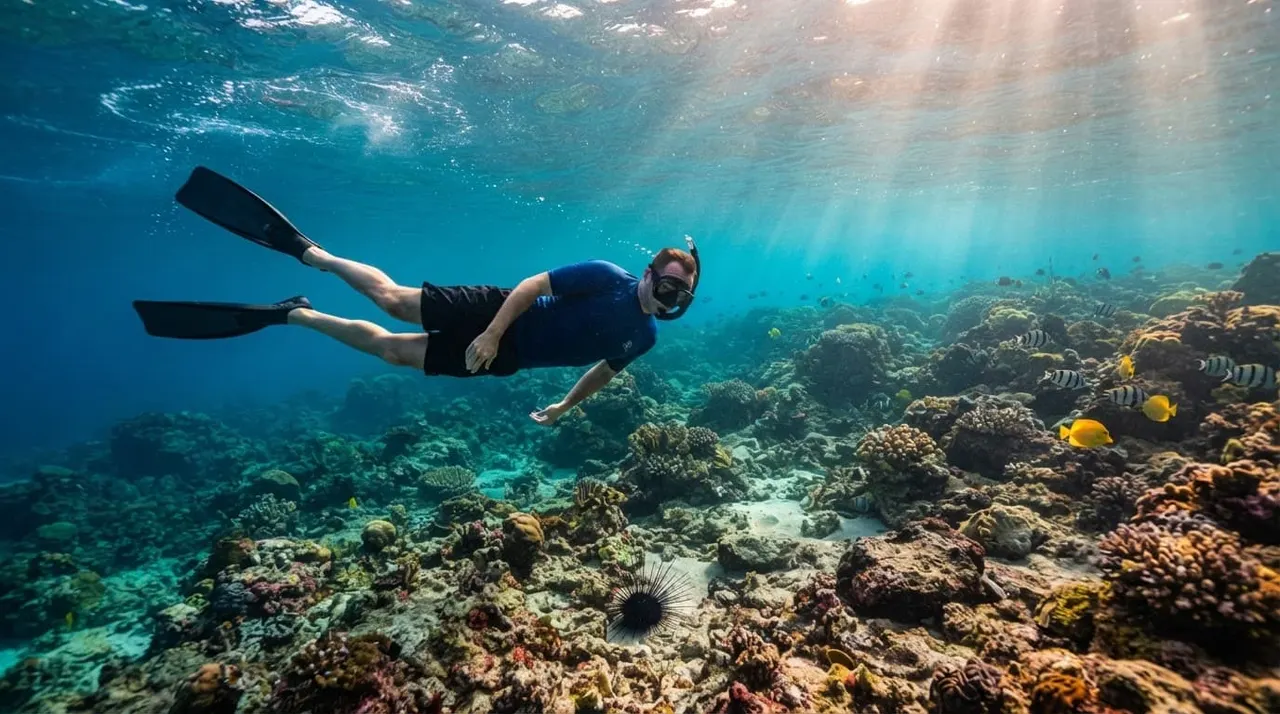
Your fins should help you stay horizontal. That position protects the reef and keeps your hands away from surfaces where urchins may live.
What the injury feels like
A puncture from a sea urchin spine often causes immediate, sharp pain. You may notice bleeding, tenderness, swelling, or a visible black or purple fragment.
Some people also feel a burning sensation or numbness around the puncture. The severity depends on the location, depth, and number of spines involved.
A small-looking puncture can still leave a broken spine under the skin, especially when the spine enters at an angle.
What to Do in the First Few Minutes
Your first priority is to get stable and out of the water. Panic can make you kick against the reef or grab nearby rocks, which may create additional injuries.
Tell your guide immediately if you’re on a boat tour. A professional crew can help you reach the ladder, assess the wound, and arrange the next step.
Leave the water safely
Stop swimming as soon as you feel the puncture. Keep your injured area away from the reef, then signal for assistance.
If you can swim without using the injured limb, move toward the boat or shore with slow, controlled movements. Don’t continue snorkeling to see whether the pain fades.
On a guided Honolulu tour, ask for help rather than climbing a ladder while distracted by pain. Sit down, keep the area still, and remove rings or tight jewelry before swelling increases.
Divers Alert Network recommends careful removal of accessible spines, wound cleaning, and medical attention when fragments remain or the puncture is deep. You can review DAN’s sea urchin guidance for additional diver-focused first-aid information.
Inspect without digging
Rinse away loose sand and seawater with clean water if it’s available. Look at the area under good lighting, but don’t squeeze the wound or probe it with a knife, pin, or fingernail.
If a sea urchin spine is sticking out and appears shallow, you may be able to remove it gently with clean tweezers. Stop if it breaks, resists, or causes significant pain.
Deep punctures need professional evaluation. The spines are brittle and can fragment under pressure, leaving pieces that are harder to remove.
Removing a Sea Urchin Spine Without Making It Worse
The safest approach depends on how deeply the spine entered your skin. You can handle a loose surface fragment carefully, but you shouldn’t attempt a minor procedure on a spine embedded near a joint, tendon, bone, or eye.
Use tweezers only for visible pieces
Wash your hands if possible. Clean the tweezers with alcohol or soap and water, then grip only the exposed end of a superficial spine.
Pull slowly in the same direction the spine entered. Use steady pressure rather than twisting or squeezing.
After removal, check whether the entire piece came out. A spine that crumbles or snaps needs medical attention, especially if the wound remains painful.
Don’t use your teeth, a pocketknife, or a shell. Those methods can push fragments deeper and introduce bacteria.
Leave deep spines to a clinician
Never dig into the skin to reach a buried fragment. A medical professional can decide whether removal is appropriate and whether imaging or another procedure is needed.
Avoid closing the puncture with glue or tight tape. The wound needs to drain and remain visible while you monitor it.
If several spines entered your foot or hand, seek care even when the pain seems tolerable. Multiple punctures increase the chance of retained pieces and infection.
Hot Water and Wound Care After a Puncture
Hot-water immersion is a common treatment step for marine injuries because it can reduce pain and may limit the effects of certain toxins. The water must be hot without scalding your skin.
Use hot water carefully
Place the affected area in hot water, ideally no hotter than 113°F (45°C), for 30 to 90 minutes. If you can’t measure the temperature, use water that feels hot but doesn’t burn.
Test the water with an uninjured area first. Keep checking your skin during the soak, especially if numbness makes it difficult to judge the heat.
You can read WebMD’s sea urchin first-aid advice for its guidance on hot-water treatment and superficial spine removal.
Hot water may ease symptoms, but it doesn’t replace medical evaluation. Persistent pain, a retained spine, or increasing swelling requires follow-up.
Clean and protect the wound
After soaking, wash the area gently with soap and clean water. Pat it dry with a clean towel and cover it with a light dressing if the wound rubs against clothing.
Don’t scrub aggressively. Broken spines can remain in the skin, and forceful rubbing may cause more irritation.
Keep the area clean and dry between checks. You should also avoid returning to the ocean until the wound has received medical advice and begun to heal.
When a Sea Urchin Spine Needs Medical Help
A sea urchin puncture isn’t always a crisis, but certain symptoms need prompt attention. Use this quick guide while deciding what to do next.
| Situation | Recommended response |
|---|---|
| A visible, shallow fragment | Remove it gently with clean tweezers if it comes out easily |
| A deep, broken, or multiple spine injury | Visit urgent care or contact a clinician |
| Puncture near an eye, joint, tendon, or bone | Seek prompt medical evaluation |
| Trouble breathing, hives, weakness, or vomiting | Call 911 immediately |
| Increasing redness, warmth, pus, or swelling | Arrange medical care for possible infection |
Know the emergency symptoms
Call 911 in Hawaii if you develop difficulty breathing, widespread hives, severe weakness, faintness, or repeated vomiting. These symptoms may indicate a serious reaction that needs emergency treatment.
Severe pain that doesn’t improve after hot-water immersion also deserves urgent care. Don’t drive yourself if you feel weak or lightheaded.
If you’re still aboard a boat, tell the crew clearly what happened and describe any new symptoms. They can help coordinate emergency support and keep you from entering the water again.
Watch for infection and tetanus concerns
Over the next several days, monitor the puncture for worsening pain, redness, warmth, swelling, drainage, or pus. Fever is another reason to contact a medical professional.
A retained sea urchin spine can continue causing pain and inflammation. Deep puncture wounds can also raise tetanus concerns, so tell the clinician when your last tetanus vaccination occurred.
Medical evaluation is especially important if you have diabetes, poor circulation, a weakened immune system, or a history of difficult wound healing.
Prevent Sea Urchin Injuries on Your Honolulu Snorkeling Trip
Prevention starts with buoyancy and awareness. You don’t need to avoid Honolulu’s reefs. You need to observe them without using them as handholds or stepping surfaces.
Protect your feet and maintain distance
Keep your body horizontal and your hands relaxed while you swim. Adjust your mask in open water or ask your guide for help instead of bracing yourself on the bottom.
Never stand on coral, volcanic rock, or reef rubble. Besides protecting your feet, this practice protects living coral and small marine animals.
Wear properly fitted fins and use a flotation device if you need extra support. If you aren’t a confident swimmer, stay close to the guide and follow instructions about entry, depth, and distance from the reef.
A guide can point out hazards that are hard to see through a mask. You should also avoid touching sea turtles, fish, coral, and urchins. Observing wildlife keeps you safer and protects Hawaii’s marine environment.
Choose professional guidance at Turtle Canyon
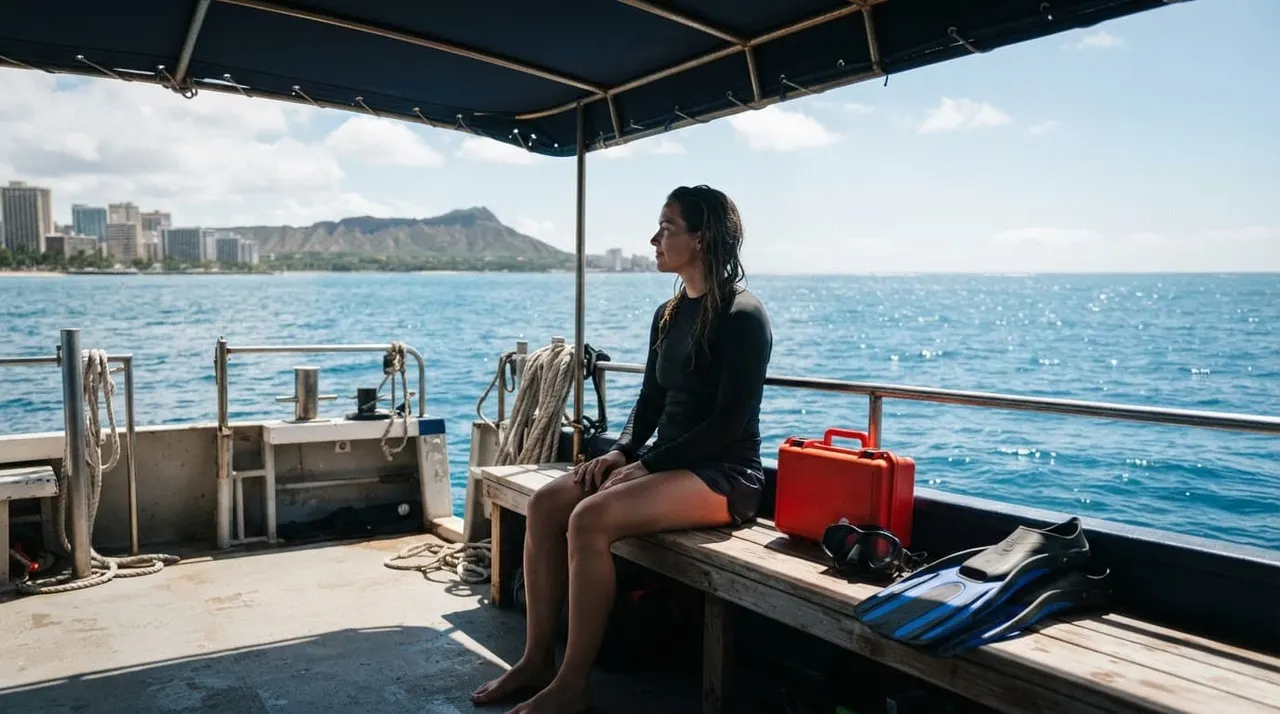
Living Ocean Tours departs from Kewalo Basin Boat Harbor, just minutes from Waikiki Beach. Its Coast Guard-inspected, custom-built double-decker boats include shaded seating, restrooms, dry storage, and sturdy ladders for easier water entry.
Living Ocean Tours is the only tour company with professional snorkel guides. That matters when you’re a first-time snorkeler, traveling with children, or unsure how to move over a rocky reef.
The Turtle Canyon snorkel excursion takes you to a natural turtle-cleaning station. The company reports a 95% success rate for spotting Hawaiian green sea turtles, and the crew provides gear and guidance for all skill levels.
For a broader look at the company’s Honolulu ocean tours, you can compare snorkeling and other ocean experiences before choosing your outing.
The boat’s SeaKeeper stabilization system on the Lokahi helps reduce rolling, which can make the ride more comfortable if you worry about seasickness. Even with a stable boat and expert crew, follow all safety instructions and speak up as soon as you feel uncomfortable.
If Turtle Canyon fits your plans, check the schedule before your snorkeling day:
A Simple Sea Urchin Safety Plan
Before entering the water, ask where you’ll snorkel, how you’ll signal for assistance, and what support the crew provides. Check that your mask fits, your fins stay secure, and you can climb the ladder comfortably.
During the outing, remain horizontal, keep your hands off the reef, and stay within the guide’s instructions. If contact occurs, get out of the water, notify the crew, and inspect the wound without digging.
For a minor superficial puncture, careful tweezers, hot non-scalding water, gentle cleaning, and observation may help. Deep or broken spines require medical care, while breathing problems, hives, faintness, or severe weakness require 911.
Enjoy Honolulu Snorkeling With Confidence
A sea urchin spine injury is painful, but the right response is clear: leave the water, alert your guide, remove only an easy surface fragment, use hot water safely, and seek care for deep wounds or worsening symptoms.
You can enjoy Turtle Canyon and Honolulu’s reef life without touching the seafloor. Stay buoyant, respect marine life, and choose a tour with professional guidance so your time in the Pacific remains memorable for the right reasons.


