
Why reef sand grain sizes vary around Oahu
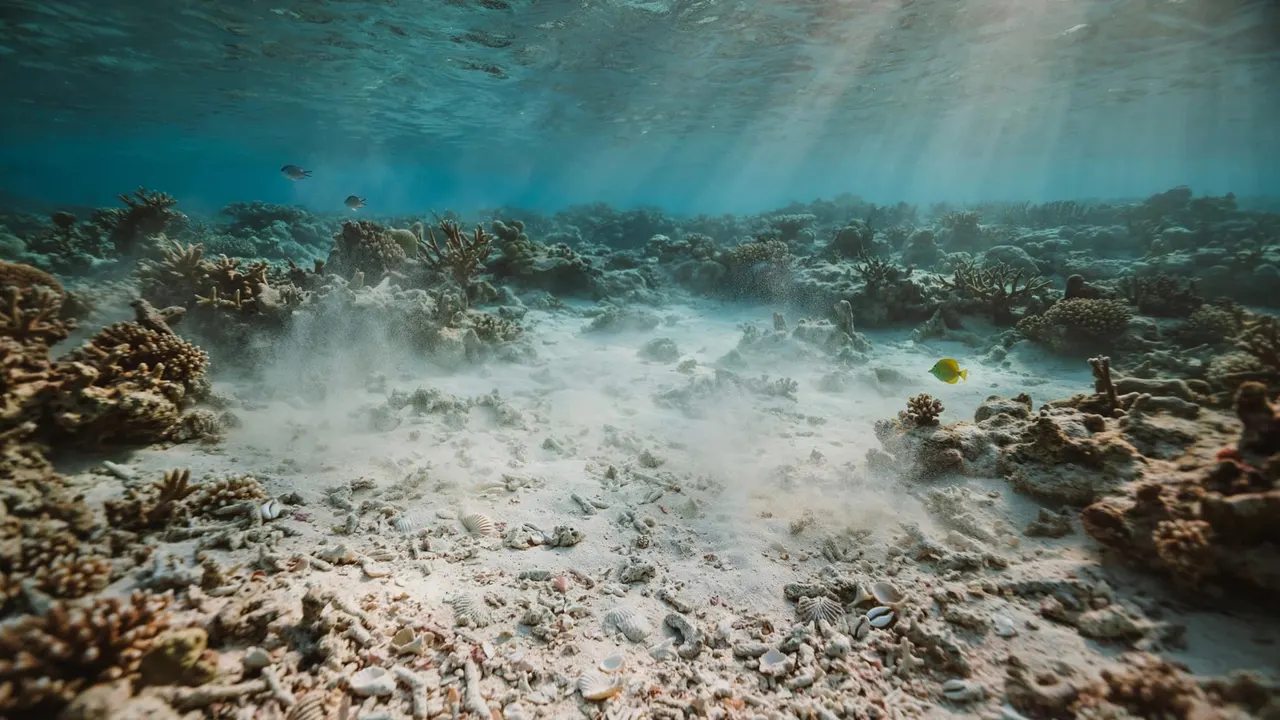
You see different reef sand grain sizes around Oahu because marine organisms produce varied fragments, while waves and currents break, transport, and sort them. When you snorkel with us at Living Ocean Tours, those pale patches deserve attention alongside the colorful fish.
The texture beneath you offers clues about reef life and moving water, but it can’t tell you everything about conditions. Start by looking at where the grains come from, then notice where they collect.
Key Takeaways
- Oahu’s reef sand includes broken material from corals, shells, and other marine organisms, rather than one uniform ingredient.
- Waves and currents sort sediment, so neighboring patches can contain different reef sand grain sizes.
- Fine sediment can reduce visibility when disturbed, while coarse material often settles faster under similar conditions.
- You can observe these patterns from the surface without touching the bottom, collecting grains, or swimming away from your group.
Where Oahu’s reef sand begins
Skeletons and shells supply different fragments
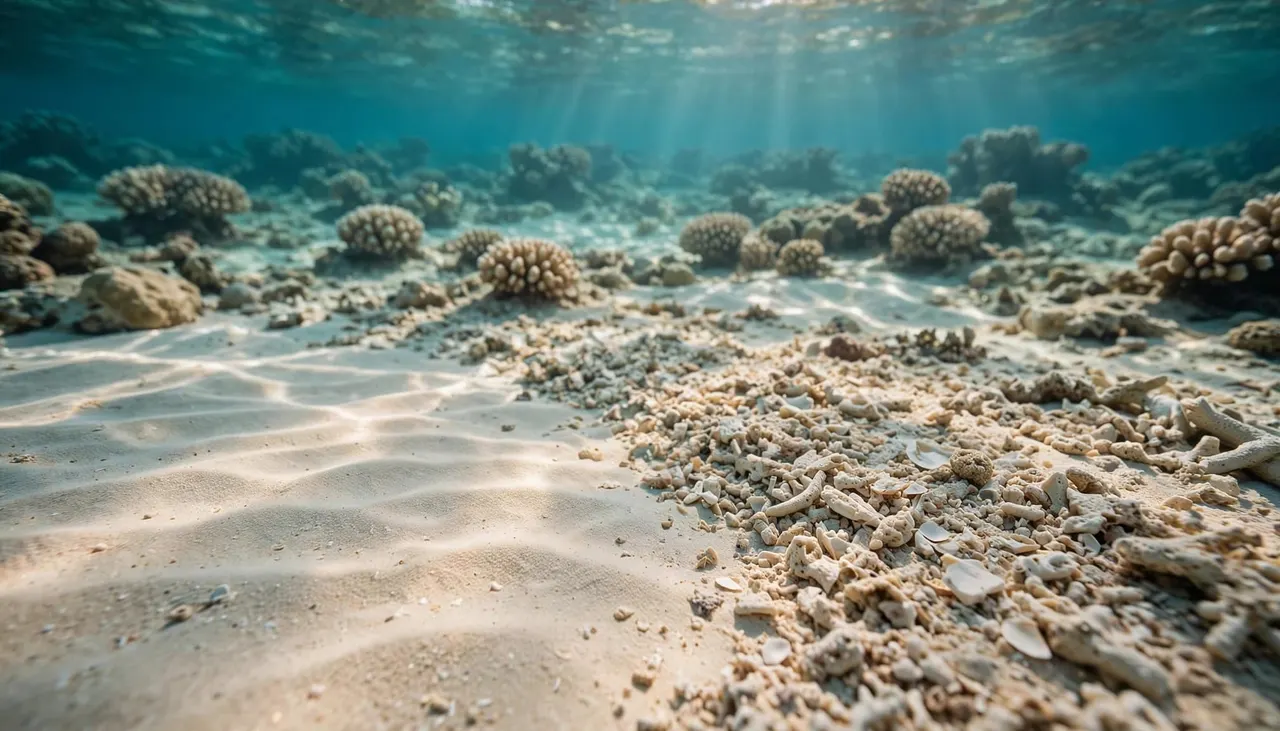
Much of Hawaii’s pale beach sand starts as calcium-carbonate material produced by marine life. Coral skeletons, mollusk shells, and calcifying algae contribute pieces with different shapes and strengths.
The report Historical Shoreline Change in the Hawaiian Islands describes Hawaiian beach sand as largely reef-derived material that breaking waves rework into smaller grains.
Through your mask, you might notice angular chips beside rounded particles. That mixture reflects different starting materials and different histories of breakage. However, color alone won’t identify a grain’s source.
Oahu’s volcanic setting also matters. Dark mineral particles can mix with lighter reef-derived sediment, so you shouldn’t assume every grain began as coral.
Grazers and abrasion make smaller pieces
Parrotfish scrape reef surfaces while feeding on algae. Depending on the species and feeding behavior, they also remove carbonate material and release smaller particles.
Meanwhile, fragments collide and rub together as water moves them. This abrasion can wear down sharp edges and produce smaller pieces over time.
These processes help explain varied reef sand grain sizes, but they don’t produce identical results everywhere. A recently broken shell and a long-tumbled fragment can look different even within the same sandy pocket.
How waves sort reef sand grain sizes
Moving water carries grains differently
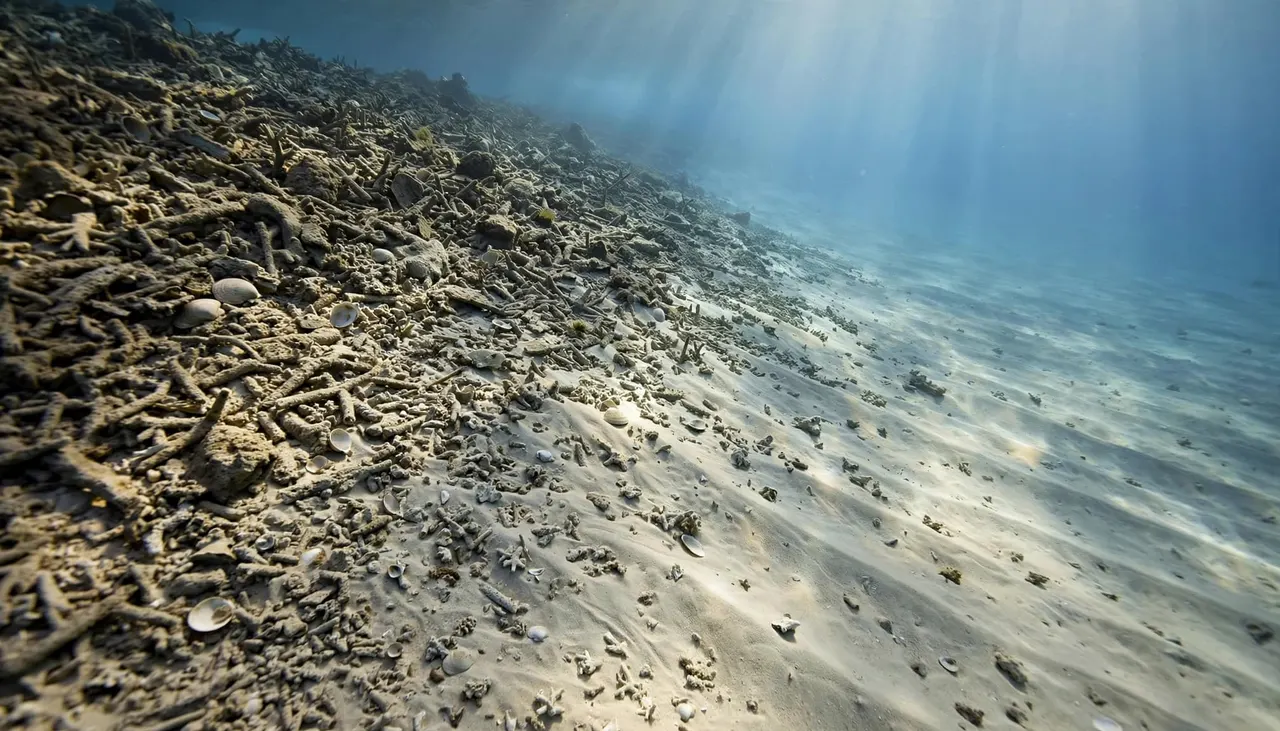
Once particles exist, moving water redistributes them. Waves stir the seabed, while currents carry suspended material or move grains along the bottom.
Size matters, but so do shape and density. A flat shell fragment doesn’t move exactly like a compact, rounded grain.
Under comparable conditions, stronger water movement can transport larger particles. Finer material often travels farther after it lifts into the water. As a result, a coarse patch may remain after smaller grains move elsewhere.
The University of Hawaii’s explanation of beaches and sand also connects grain size with wave energy and beach slope. Your view reflects several processes working together.
Quieter pockets let sediment settle
Behind a reef ridge or inside a depression, water movement can weaken enough for suspended sediment to settle. However, those sheltered spaces don’t necessarily contain only fine sand.
A pocket can trap mixed material delivered during different conditions. Later waves may disturb part of that deposit while leaving heavier fragments behind.
This repeated sorting creates a patchwork rather than a perfectly graded seabed. You may see smooth-looking sand near rubble, with small ripples crossing the boundary.
Those ripples show that water has rearranged the sediment. They don’t establish that the water is currently safe, calm, or free of currents.
Why neighboring sand patches look different
Reef shape changes the local flow
A raised coral formation, rocky ledge, or sandy channel changes how water passes through an area. Even a short distance can separate exposed bottom from a sheltered hollow.
That helps explain why reef sand grain sizes vary within a single snorkeling view. One pocket may hold shell chips while another appears more uniform.
The government publication Coastal geology of Hawaii links sediment size and sorting with coastal shape and exposure. The shoreline and underwater terrain both influence what stays in place.
Still, you can’t reconstruct a patch’s complete history by looking down once. Its grains may reflect previous swell, ongoing currents, and material produced nearby.
Compare textures without ranking the reef
Fine sand doesn’t automatically mean a healthier reef. Likewise, coarse fragments don’t automatically mean recent damage.
You need more context to distinguish ordinary sediment production, older rubble, and new disturbance. A pale sandy opening can be a natural part of a reef environment.
When comparing Waikiki’s offshore reefs with a shore-entry setting such as Hanauma Bay, notice the larger pattern. Look for open sand, hard surfaces, channels, and ledges.
These observations are more useful than deciding that one location has the “right” kind of sand. Different habitats support different ways of living.
What sand texture tells you about visibility
Fine particles can remain suspended after waves, runoff, or fin strokes disturb them. When enough material enters the water, your view becomes hazy.
Coarser grains generally settle faster under comparable conditions. However, a coarse seabed doesn’t promise clear water. Plankton, bubbles, suspended particles arriving from elsewhere, and light conditions also affect what you see.
A sandy channel may look clear at first, then cloud when several swimmers kick close to the bottom. You can reduce your own contribution by keeping your body horizontal and your fins well above the sediment.
Coarse sand beneath you doesn’t rule out suspended sediment arriving from another part of the reef.
Although reef sand grain sizes help explain some visibility changes, they aren’t a snorkeling safety rating. Watch your surroundings rather than judging conditions by bottom texture.
If you can’t maintain a comfortable view of your buddy and the group’s route, stay close to your guide. Avoid swimming farther out in search of clearer water. Better visibility isn’t worth losing your orientation or separating from your group.
How to observe sand without disturbing the reef
Choose a small area you can comfortably see from the surface. Then spend about 20 to 30 seconds noticing the boundary between sand and hard reef.
Look for changes in texture, scattered shell fragments, or fish pausing near the edge. A short observation often reveals more than continuously swimming toward another feature.
Keep some attention on your buddy and position throughout. Concentrating on a tiny patch shouldn’t pull you away from the crew’s swimming area.
Sand also supports animals that receive less attention than turtles or bright reef fish. If you notice a sea cucumber or a bottom-resting fish, watch without approaching closely. Its location may make more sense once you notice the surrounding sediment.
Meanwhile, leave crevices alone. A shaded opening can shelter an animal you haven’t seen, including an eel. Keep your hands out of every gap.
Leave grains and fragments in place. Scooping sand creates a cloud and removes material from the habitat you’re observing.
For families, comparing “smooth-looking” and “chunky-looking” patches can keep children engaged without encouraging collection. Remind everyone that sand beside coral isn’t an invitation to stand up. Maintain enough clearance that an unexpected wave won’t push your fins against the reef.
Explore Waikiki reefs with our crew
With our Waikiki snorkeling and ocean tours, you can explore offshore reef environments with crew support close to Honolulu. We depart from Kewalo Basin Boat Harbor, near Waikiki.
At Living Ocean Tours, we’re the only Oahu tour company with professional snorkel guides. You have guidance with equipment, an introduction to responsible wildlife viewing, and a crew-managed swimming plan.
That support lets you give more attention to the reef while following clear boundaries. Between larger wildlife encounters, look at sandy openings and the transitions around coral formations.
You don’t need to identify every organism to enjoy what you see. Ask your guide about visible features, stay with your buddy, and let marine life continue its normal behavior.
Our approach is simple: observe without touching. Whether you’re watching a turtle or studying a sandy pocket, respectful distance protects the experience.
Frequently Asked Questions About Reef Sand
Is all white sand broken coral?
No. Pale reef-derived sand can include shell fragments, calcifying algae, and material from other carbonate-producing organisms. Coral is one contributor. When you look through a snorkel mask, you usually can’t identify every ingredient, especially where tiny grains blend into an apparently uniform surface.
Does fine sand mean the water will be cloudy?
Fine sediment can cloud the water when disturbed, but settled fine sand can sit beneath clear water. Waves, currents, and swimmers influence whether particles enter suspension. You should judge your actual visibility and surroundings rather than predicting the whole swim from the seabed’s appearance.
Can you tell reef health from sand size?
Grain size alone can’t establish reef health. You’d also need information about living coral, water quality, sediment sources, and changes over time. During a recreational snorkel, use reef sand grain sizes as an observation clue rather than a diagnosis of the entire habitat.
See More by Noticing the Sand
Different grains reveal the combined work of marine organisms, breakage, and moving water. Once you notice those textures, sandy openings become part of the reef’s story rather than empty spaces between fish.
Your best view comes with careful observation and plenty of clearance above the bottom. Float comfortably, stay with your buddy, and leave every grain where you found it.


