
Portable Oxygen Concentrator on a Boat Tour: What to Know
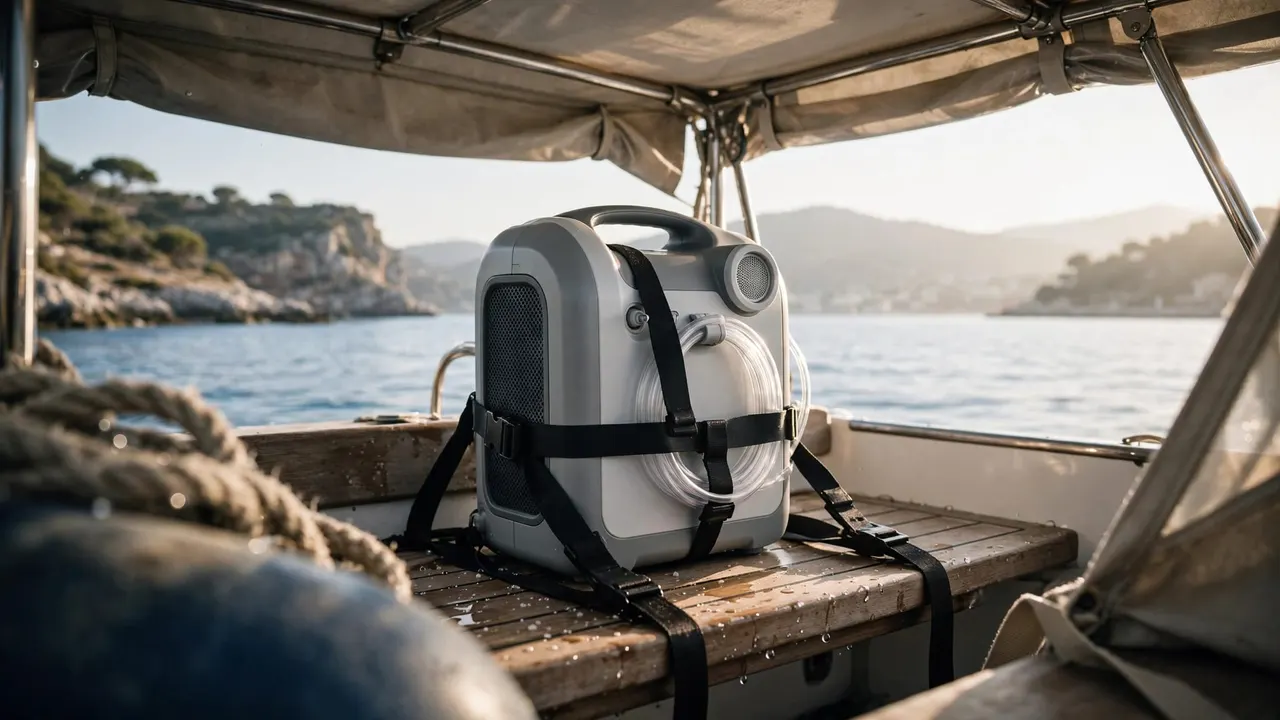
You may be able to bring a portable oxygen concentrator on a boat tour, but the answer depends on the vessel and your individual needs. At Living Ocean Tours, we want you to feel comfortable planning your time on the water.
A little preparation can help you protect your equipment and follow your prescribed oxygen plan. Start with the differences between traveling on a boat and traveling by air.
Can You Bring a Portable Oxygen Concentrator on a Boat?

A portable oxygen concentrator may be suitable for a boat outing when the arrangements support your medical needs and the vessel’s safety procedures. Your plan needs to cover the whole trip, including boarding, time on the water, and the return to shore.
Unlike an oxygen cylinder, a concentrator draws in surrounding air and concentrates the oxygen. Because it needs power and airflow, its placement matters. Salt spray, boat movement, and access to the device are also part of the planning.
Before your trip, discuss the outing with your clinician and tell us about your needs. Bring the device you normally use, along with the supplies your prescribed routine requires.
Keep following your prescription. Don’t reduce your oxygen setting or stop using oxygen to make an activity easier unless your clinician has advised you to do so.
Airplane Rules Don’t Automatically Apply to Boats
The Federal Aviation Administration has guidance for passengers traveling with portable oxygen concentrators. Those requirements address aircraft travel, so they don’t establish a boat operator’s rules.
For example, the FAA’s portable oxygen concentrator guidance discusses spare batteries for flights. You shouldn’t treat an airline’s battery requirement as a boat-tour requirement, or assume airline acceptance settles every detail of your ocean outing.
Your flight and boat trip also present different conditions. On a boat, you may encounter spray, an uneven boarding step, and movement while walking to a seat. Those practical details deserve attention even if you’ve traveled with your equipment before.
If your vacation includes a flight to Hawaii, plan the air travel and the boat outing separately. Your usual oxygen routine remains the starting point for both.
Plan Enough Power for Your Time Away
Account for More Than the Scheduled Ride
Your portable oxygen concentrator needs power whenever you rely on it. Consider the entire period away from a dependable charging source, including travel to the harbor, check-in, boarding, the tour, and your return.
Allow room for delays rather than planning around the advertised tour length alone. Traffic, weather, and the pace of getting on and off a boat can all affect your day.
Bring fully charged batteries and any spare power supplies appropriate for your device. Keep spare batteries protected and packed according to the manufacturer’s instructions. Your clinician and equipment supplier can help you develop a backup plan that fits your prescription.
Keep Your Prescribed Setting
Battery life varies with the device, its age, and the setting you use. A setting that works for someone else doesn’t tell you how long your own battery will last.
Some concentrators deliver oxygen in pulses, while others offer continuous flow. Pulse settings don’t necessarily correspond to liters per minute. Use the setting prescribed for your particular device, and don’t change it to save battery power without medical advice.
A boat’s scheduled duration is only part of your oxygen planning. Include the time you spend getting to and from the harbor.
Protect Your Concentrator From Spray and Heat
Choose a Dry, Ventilated Spot
A boat can feel dry at the dock and still encounter spray once it’s underway. Keep your portable oxygen concentrator away from splashes and direct sunlight, while leaving its air intake and exhaust unobstructed.
A protective bag can help with transport, but a sealed waterproof bag isn’t a safe way to run a device that needs airflow. Use the carrying arrangement intended for your model and follow its operating instructions.
Keep the unit where you can reach it and see its alerts. At the same time, make sure it can’t slide into a walkway or fall when the boat moves.
Keep Oxygen Away From Ignition Sources
Oxygen supports combustion, so keep your equipment away from smoking, open flames, and other ignition sources. Follow the safety instructions supplied with your concentrator and oxygen accessories.
If spray reaches the device, don’t ignore an alarm or assume it will dry out safely while operating. Follow the device instructions, use your backup plan, and tell the crew if you need assistance.
Make Boarding and Seating Part of Your Plan

Your comfort starts at the dock. Boarding can involve a step or a changing gap between the dock and boat, so give yourself time and keep a hand free for a railing when practical.
Tell our team about the equipment you’ll carry and any movements that are difficult for you. Include your companion in that conversation if they help with your usual routine. You can then approach the outing with a clearer understanding of your needs.
Once aboard, settle somewhere that lets you reach the concentrator without stretching tubing across a path. Loose tubing can catch on feet or equipment, especially when passengers move around the deck.
Listen to the safety briefing and notice the route to the restroom, the life jacket locations, and where the crew wants belongings kept. If an instruction is hard to hear over wind or engine noise, ask for it again.
Decide Whether You Want to Enter the Water
A snorkeling tour can offer time on the ocean even if you prefer to stay aboard. You can enjoy the coastline and watch for marine life without feeling pressure to swim.
If you want to snorkel, discuss the activity with your clinician before the trip. Swimming adds exertion, and returning up a ladder can take more energy than entering the water. Your ability to use oxygen on deck doesn’t automatically mean a swim is suitable for you.
Don’t take an electrical concentrator into the water. A standard snorkel or mask also shouldn’t be assumed to deliver your prescribed oxygen. Keep following your medical plan, including any instructions about whether you can be without oxygen.
Tell the crew about your swimming comfort and any concerns before the water activity begins. If you feel tired, short of breath, or uneasy, stay aboard or signal for help rather than pushing farther.
When you observe turtles or other wildlife, give them space. Watch without touching them or the reef.
Choose an Outing That Fits Your Day
Our Honolulu outings depart from Kewalo Basin Boat Harbor, near Waikiki. You can compare our Oahu snorkeling and boat tours and choose the experience that best matches your group’s interests and comfort.
Our vessels offer shaded seating, onboard restrooms, dry storage, and water-entry ladders. Those amenities make the ride more comfortable, although your own plan should account for the route you need to take between the dock, your seat, and the restroom.
We describe ourselves as the only tour company with professional snorkel guides. If you’re considering a snorkeling trip, share your needs with our team before booking so we can discuss the outing with you.
You can also browse guest reviews and available departures as you plan.
Have a Plan for an Equipment Problem
Bring your usual supplies where you or your companion can reach them. Depending on your prescribed routine, that may include spare tubing, a nasal cannula, charged batteries, and any other items you normally carry.
Your clinician can help you decide what to do if the device stops working or your symptoms change. Share the parts of that plan a companion would need to know, and tell the crew promptly if you need help.
If you develop severe breathing difficulty, chest pain, or another urgent symptom, alert the crew immediately. Call 911 if you’re able, or ask someone to contact emergency services. Don’t wait until the boat returns to the dock to report a medical emergency.
Key Takeaways
- A portable oxygen concentrator may be suitable for a boat tour, depending on the vessel and your needs.
- Plan power for your full time away, including travel and possible delays.
- Keep the device dry, ventilated, accessible, and away from ignition sources.
- Follow your prescribed oxygen plan and discuss swimming with your clinician.
- Tell the crew early if you need assistance or feel unwell.
Frequently Asked Questions
Can I use the same oxygen setting I use at home?
Follow the setting prescribed for your device and activity. Don’t change it to extend battery life or make swimming easier. Your clinician can advise you about your needs during travel and physical activity.
Can a portable oxygen concentrator get wet?
Keep it away from spray and splashes. A concentrator is electrical equipment, and its air vents must stay clear while it operates. Use the carrying method intended for your model rather than sealing a running device inside a waterproof bag.
Can I enjoy a boat tour without snorkeling?
A boat outing can still give you time on the water and views of the coastline if you stay aboard. Choose an experience that suits your interests, and discuss your oxygen needs with our team before booking.
A Comfortable Day Starts With Your Oxygen Plan
A portable oxygen concentrator doesn’t have to keep you from considering time on the water. The important part is planning around your prescription, your equipment, and the movements the outing requires.
Talk with your clinician, prepare your supplies, and share your needs with us before you book. That preparation leaves you more room to enjoy your day on the ocean.


