
Your first offshore boat tour: What to expect
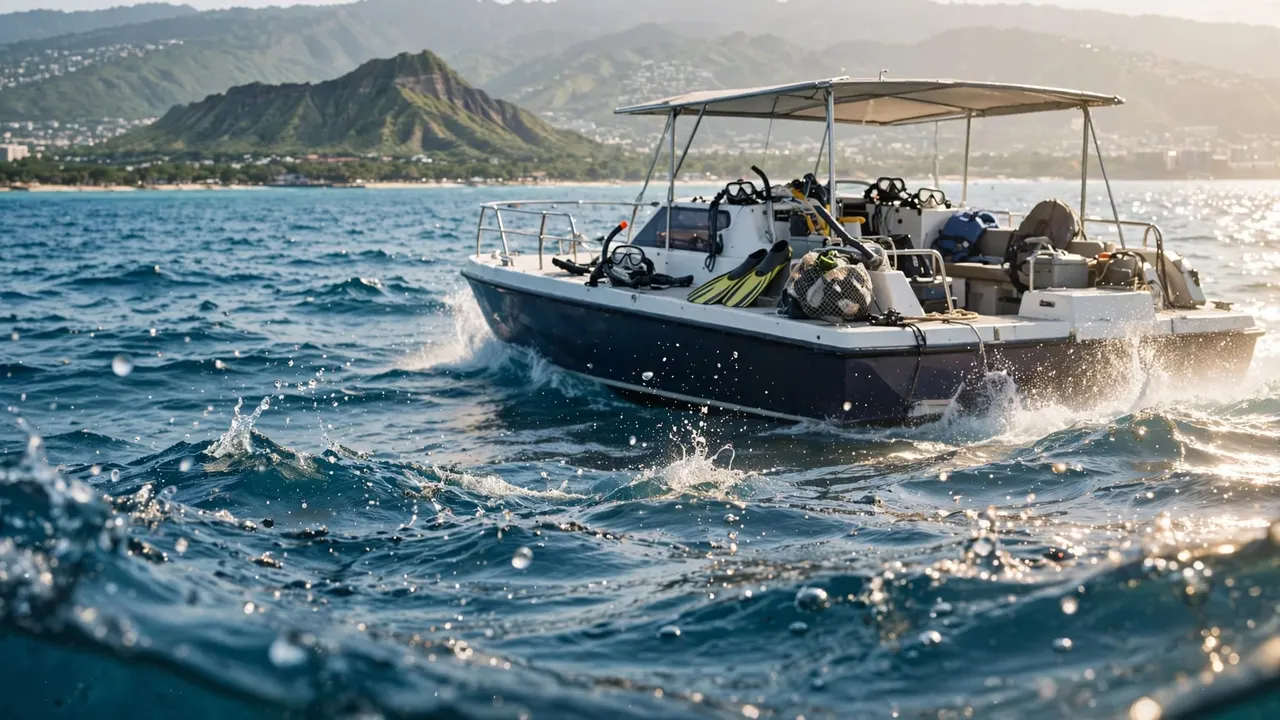
On your first offshore boat tour, expect a moving deck, open-water views, ocean breezes, and crew instructions that help you settle in. You don’t need boating experience, but preparing for motion and choosing an outing that suits your comfort level make the day easier.
With us at Living Ocean Tours, you can explore Waikiki’s coastline through snorkeling, sightseeing, and whale watching. Start by understanding how the ride feels, then plan around the experience you want on the water.
What an offshore boat tour feels like
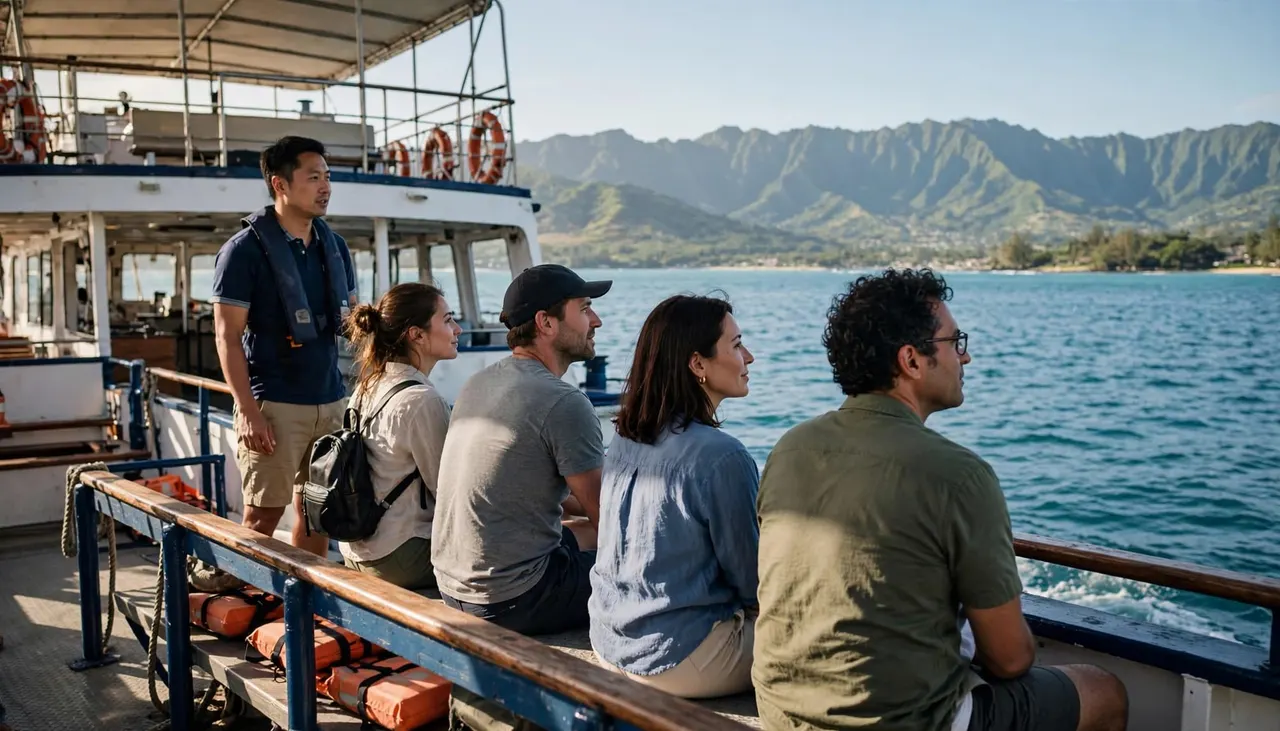
Leaving sheltered water
As you leave sheltered water, you may notice a change in the boat’s movement. Gentle lifting, side-to-side rolling, and occasional spray are normal possibilities on an offshore boat tour.
However, no two rides feel identical. Wind, swell, the boat’s speed, and wakes from other vessels affect the motion. A smooth-looking ocean can still have long swells that you feel once you’re underway.
You may also hear the engines more clearly and feel a stronger breeze. Give yourself time to adjust before moving around for photographs. Staying seated initially lets you learn the rhythm of the ride without juggling your bag or camera.
Seeing Waikiki from the water
Away from shore, the view opens up. Honolulu’s buildings become part of a wider scene, with Oahu’s ridgelines behind them and the Pacific stretching ahead.
You don’t need to keep searching for a dramatic moment. Watching the coastline change as the boat travels is part of the pleasure.
For couples, that can mean a relaxed stretch together without another reservation demanding attention. For families, it gives children a new perspective on the island. Point out the shoreline and passing boats while keeping everyone settled safely.
Boarding without the last-minute scramble
An offshore boat tour feels more relaxed when you arrive without rushing. Allow time for transportation, finding the departure area, and getting your group organized.
Keep your reservation information accessible rather than buried beneath towels. If you’re traveling with children, handle bathroom needs and sun protection before boarding when possible.
At the dock, keep pathways clear and follow the crew’s directions. Boarding is easier when your belongings fit into one manageable bag instead of several loose items.
Once aboard, give the crew your attention. Put your phone away during instructions so you can hear clearly over engines, wind, and other passengers.
You don’t need to pretend you understand unfamiliar boating language. Ask for clarification before acting, especially if an instruction affects where you sit or move.
Tell a crew member early if you have a mobility concern, feel anxious around deep water, or have experienced motion sickness. That conversation helps you get useful guidance before discomfort distracts you.
Keep children close during boarding, and don’t rely on an older sibling to manage a younger child on a moving deck. Meanwhile, leave your hands free whenever practical. A zipped bag is easier to manage than a phone, drink, towel, and hat carried separately.
How to keep boat motion manageable
Give your eyes a steady reference
Motion sickness can affect confident swimmers and experienced travelers. According to the CDC’s motion sickness guidance, conflicting signals between your eyes and inner ear can cause dizziness, nausea, and vomiting.
Looking toward the horizon gives your eyes a useful reference. In contrast, reading messages or reviewing photos keeps your gaze fixed close by while your body senses movement.
If you start feeling uneasy, put the screen away and tell the crew. Follow their advice about where to sit rather than moving around in search of a better spot.
Sip water and avoid alcohol if you’re worried about nausea. Also, don’t measure your tolerance against someone else’s. Your companion may feel comfortable while you need a quieter, seated stretch.
Plan medication before departure
If you regularly experience motion sickness, discuss prevention with a pharmacist or clinician before your outing. Medication choice depends on your health, other medicines, and whether you plan to enter the water.
The CDC Yellow Book’s motion sickness advice covers prevention and treatment, including medicines that can cause drowsiness.
Follow the product directions and professional advice. Don’t borrow someone else’s prescription or assume a child’s dose matches an adult’s.
A light meal beforehand is a practical choice if heavy food makes travel uncomfortable for you. Then keep the rest of your preparation simple: rest, drink water, and speak up early if symptoms begin.
Pack for sun, spray, and the ride home
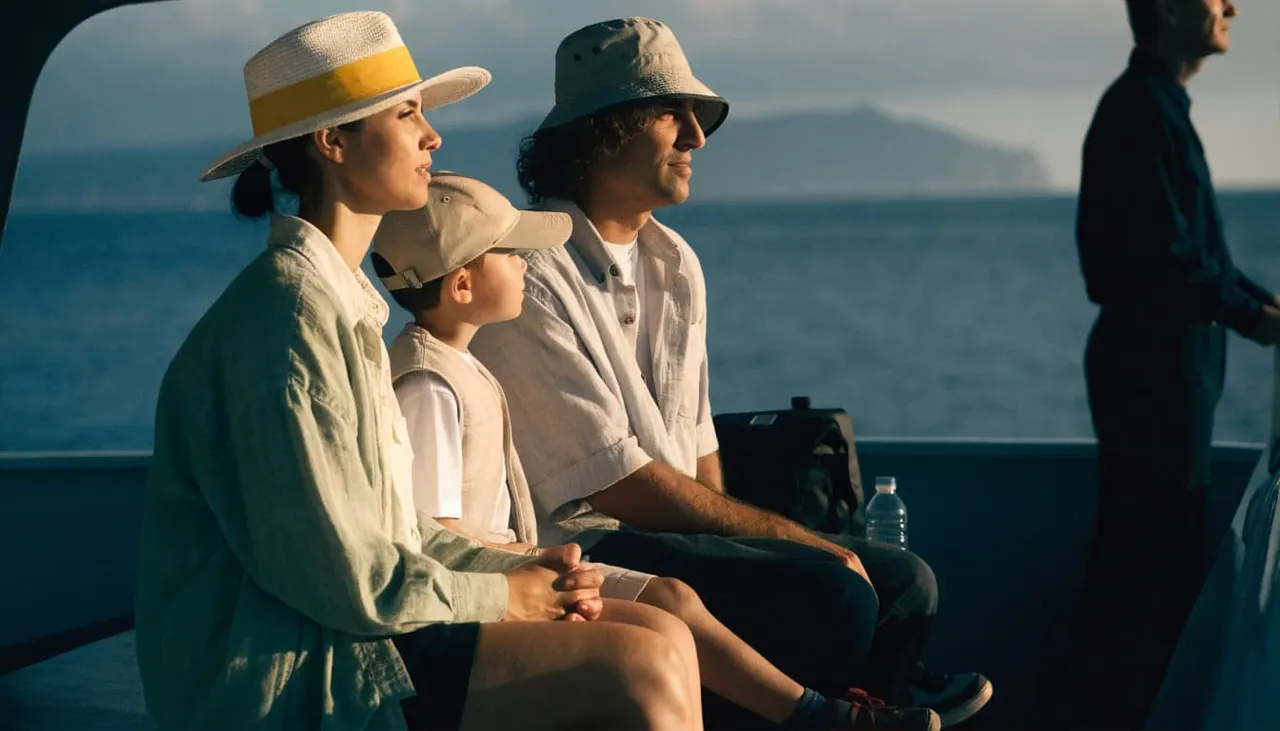
You can pack lightly for an offshore boat tour without sacrificing comfort. Choose items that handle wind, moisture, and time outside.
These essentials cover the most common needs.
| Bring | Why it helps |
|---|---|
| A light long-sleeve layer | Adds warmth when wind meets damp skin. |
| Sunglasses and a secure hat | Help with bright sun and reflected glare. |
| Sun protection | Protects exposed skin during time outside. |
| A waterproof pouch | Keeps your phone, cards, and room key together. |
| A towel for snorkeling | Helps you dry off after swimming. |
| A dry shirt | Makes the return ride more comfortable. |
The goal is a small bag you can close securely, with nothing loose enough to blow away.
Wear lightweight clothing that dries quickly. For snorkeling, arrive with your swimsuit beneath your clothes so you’re ready without reorganizing your entire bag.
Choose flat footwear with grip, then follow the crew’s instructions about shoes aboard. Loose flip-flops and slippery soles can make a damp deck awkward.
Secure long hair and use a glasses strap if you depend on your eyewear. Also, leave expensive jewelry and bulky beach gear behind.
For children, an extra dry shirt earns its space. A small splash can feel much less bothersome when there’s something comfortable to change into afterward.
When your tour includes snorkeling
Let the guides know your experience level
A boat ride and an ocean swim are different activities. Being comfortable aboard doesn’t automatically mean you’ll feel ready to snorkel in open water.
Tell your guide whether you’ve snorkeled before and how comfortable you are swimming. Clear information is more useful than saying you’re fine because everyone else seems excited.
At Living Ocean Tours, we’re the only tour company with professional snorkel guides. You have people to turn to when equipment, breathing through a snorkel, or the ocean environment feels unfamiliar.
Listen to demonstrations and ask for help before entering the water. If your mask feels uncomfortable, address it while you can still communicate easily. There’s no advantage to starting your swim distracted by an avoidable problem.
Start at your own pace
Saltwater, moving water, and the view beneath you can feel different from a pool. Allow yourself a moment to become comfortable rather than hurrying after someone else.
Follow the guide’s directions and stay within the activity area. If you feel tired, unsettled, or unable to breathe comfortably through your snorkel, signal for help promptly.
For families, avoid turning snorkeling into a test of bravery. A child who needs more explanation deserves patience, even when another child feels ready immediately.
Likewise, couples don’t need identical confidence levels to enjoy the outing together. Communicate honestly and let guidance shape your next step.
Wildlife encounters come on nature’s schedule
Seeing a turtle, fish, or humpback whale is exciting because you’re watching a wild animal in its own habitat. That also means its appearance and behavior aren’t yours to control.
Keep your expectations flexible. Even when wildlife is nearby, it may surface briefly, swim away, or remain difficult to photograph.
Observe without touching. Don’t chase animals for a closer look, block their movement, or offer food. During snorkeling, avoid standing on coral or reaching toward it for balance.
If a turtle approaches, stay calm and give it room. Your guide’s directions take priority over the angle you want for a photo.
On a wildlife-watching outing, keep looking outward rather than spending every moment behind your camera. You may notice more when you watch the water itself.
Also, secure wrappers, hats, and other lightweight belongings. If something falls overboard, tell the crew instead of leaning beyond the rail or trying to retrieve it yourself.
Choose the outing that matches your comfort
Your first offshore boat tour should match what you enjoy doing. If swimming is your main interest, snorkeling gives the trip an active focus. If you’d rather stay aboard, coastal sightseeing or whale watching keeps your attention on the view.
Our family-friendly ocean tours near Waikiki include snorkeling, coastal cruises, and humpback whale watching. Our double-decker vessels give you a way to experience Oahu from the water.
Start with your group’s least comfortable participant when choosing an activity. That helps you avoid building the day around an experience someone feels pressured to attempt.
Then consider your vacation schedule. Leaving breathing room afterward means you can dry off, change, and enjoy the return without rushing toward another commitment.
You can explore available outings below and choose the experience that fits your group.
Key takeaways for your first trip
- Expect some movement, even when the water looks smooth.
- Prepare for motion sickness before departure, and tell the crew early if you feel unwell.
- Pack a small, secure bag with sun protection and a dry layer.
- Be honest about your swimming experience, and respect wildlife throughout the outing.
Your preparation should support the experience, without turning it into another complicated vacation task.
Enjoy the ocean at your own pace
Your first offshore boat tour doesn’t require you to know boating terminology or feel confident about every new sensation. Clear communication and a few practical preparations give you a more comfortable start.
Listen to the crew, allow yourself time to adjust, and choose an activity that suits your group. Then you can spend more of the outing enjoying Oahu’s coastline and the ocean around you.


