
Ocean Surface Slicks: Why Calm Seas Reveal Them

Ocean surface slicks are smooth patches or lines that appear when water movement gathers natural material at the surface. On a Living Ocean Tours boat trip, you may spot them as glassy ribbons against the rippled Pacific near Waikiki.
Light winds can make the contrast easier to see, while currents and other water movements help create the pattern. Once you know what to look for, a quiet stretch of ocean can offer a fascinating view of the water’s movement.
What Ocean Surface Slicks Look Like
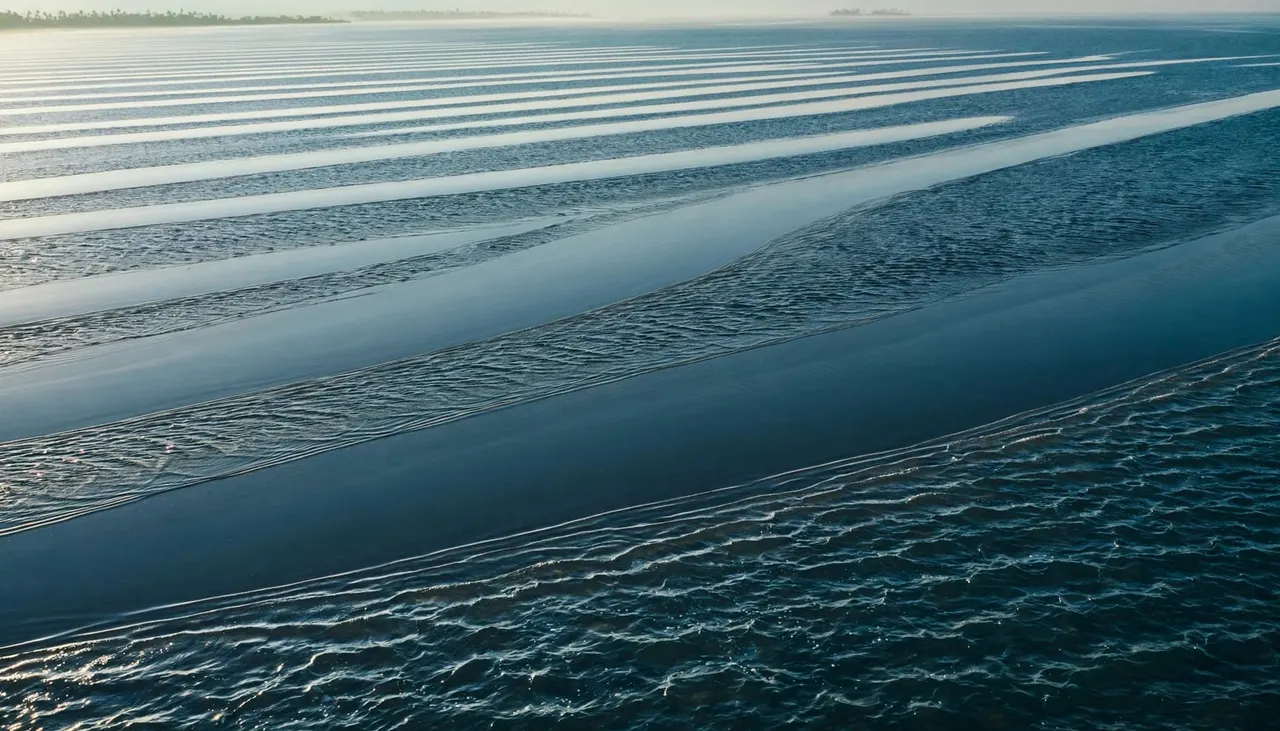
You might first notice a slick because one strip of water looks smoother than the sea beside it. The line can bend, widen, or stretch across your view instead of forming a neat shape.
The difference often comes down to tiny surface ripples. Inside a slick, those ripples can be dampened. Outside it, a light breeze can leave the surface looking more textured.
NOAA describes surface slicks as meandering lines of smooth water that can collect plankton and floating material. From a boat, you may see the smooth band before you notice anything it has gathered.
Color can be misleading, though. A slick may look dark against bright water or bright against a darker background. Sun angle, clouds, and your position on the boat all affect what reaches your eyes.
As the boat changes direction, watch the same area for a little longer. You may see the boundary become clearer, fade into glare, or appear to change shape as your viewpoint moves.
Why Slicks Stand Out on Calm Days
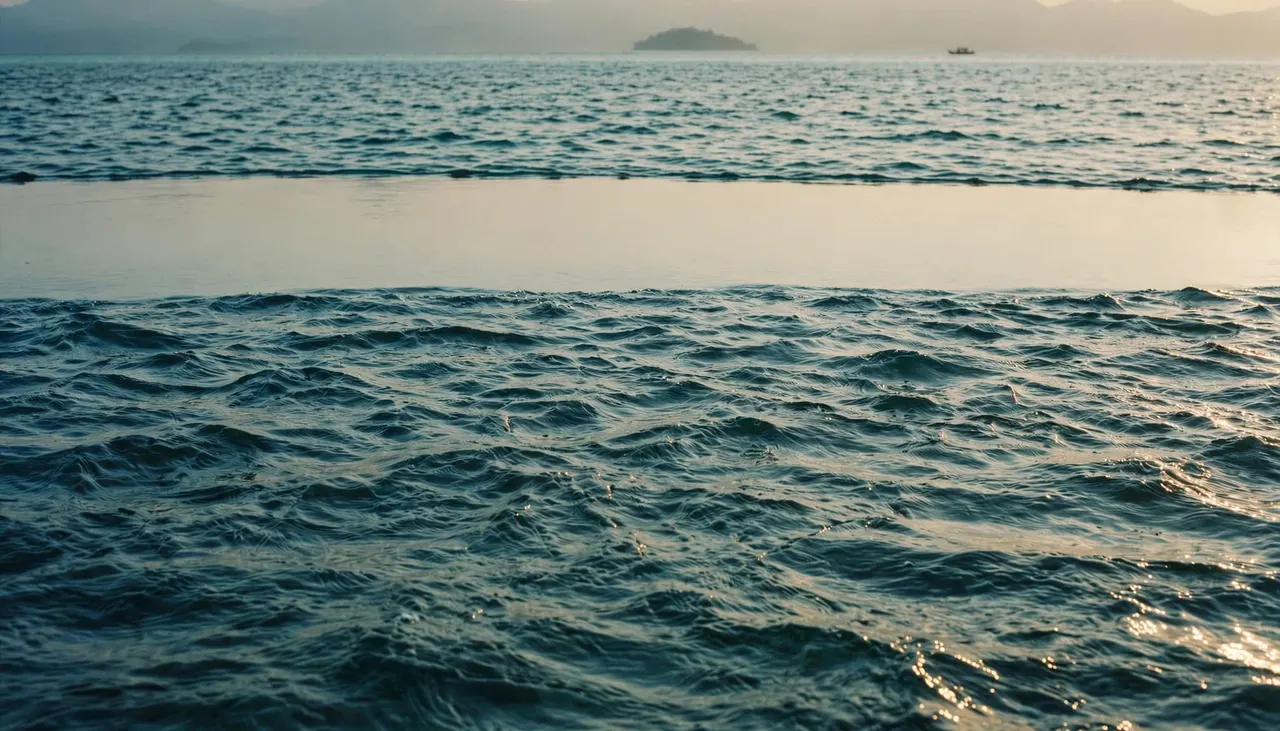
A light breeze can give you the best visual contrast between a slick and surrounding water. It creates small ripples across much of the sea, while the slick remains comparatively smooth.
On a windier day, chop and whitecaps add more texture across your view. The smooth bands can become harder to pick out. If the surface is exceptionally flat everywhere, you may also have less contrast to help you distinguish one patch from another.
Calm weather makes observation easier, but the visible pattern depends on more than the wind. Water movement can gather surface material into a line, and naturally occurring substances can reduce the formation of small ripples within it.
Swell adds another layer to the scene. Even when the water looks smooth, you may feel the boat rise and fall on longer waves. Wind chop and swell describe different kinds of movement, so a glossy patch won’t tell you everything about the ride.
Give your eyes a moment to adjust as you look across the water. A slick that blends into the surface at first may become obvious when sunlight strikes it at a different angle.
How Water Movement Creates a Slick
Ocean surface slicks often form where surface water comes together. Oceanographers call this process convergence. As water approaches the same area from different directions, it can carry floating material into a shared line or patch.
You won’t see every movement beneath the surface, but you can sometimes see its effect where smooth water and floating material gather.
Converging Water Collects Material
Surface currents can bring together small pieces of organic matter, bubbles, and other floating material. A line of collected material may trace the area where the water meets.
That line isn’t fixed in place. Currents shift, the wind changes, and the boat moves, so the shape you see can stretch or break apart. You may notice a narrow streak that opens into a wider patch farther away.
A slick can contain material that’s too small to identify from the deck. Its smooth appearance is often the easiest clue to recognize.
Internal Waves Can Shape the Surface
Some slicks begin with waves moving below the surface. These internal waves travel through layers of water with different densities.
A 2021 study of surface slicks describes how internal waves interacting with steep seafloor topography can create areas where surface water converges and separates. The resulting lines can become visible at the surface.
That mechanism explains certain slicks, rather than every smooth patch you see. From the boat alone, you usually can’t identify the exact process that formed a particular line.
Why Natural Films Smooth the Water
The surface of the ocean can contain a thin film of naturally occurring organic material. Microscopic marine life and other biological processes contribute substances that collect where water converges.
Some of these substances are called surfactants. They affect the behavior of the water’s surface and can dampen the smallest wind-driven waves. With fewer tiny ripples to scatter reflected light, the area can look smoother than the water around it.
You don’t need to see a thick coating for that contrast to appear. A thin surface film can change the look of the water while remaining difficult to distinguish as a separate layer.
The smooth band you notice is therefore a combination of processes: moving water gathers material, and that material changes how the surface responds to the breeze. Light then makes the difference visible to you.
If you spot a surface feature that concerns you, point it out to the crew rather than trying to identify its contents from appearance alone.
What Slicks Can Gather
A surface slick can collect much more than material you can see. Tiny drifting organisms and floating debris can become concentrated along the same lines of converging water.
A Nursery at the Surface
For young marine animals, a slick can be a place to find food and shelter. Research reported by Arizona State University found that studied slicks provided nursery habitat for larvae of at least 112 species of fish.
That’s an extraordinary amount of life in an area that may look almost empty from a boat. Many larvae are tiny, and you won’t necessarily be able to pick them out without specialized sampling.
The finding also gives you a reason to look at the ocean’s surface differently. What appears to be a simple change in texture may be part of a habitat used by young fish.
Floating Material and Plankton
Slicks can collect plankton and pieces of floating material that offer shelter. The contents vary, and the line can change as the water moves.
You may spot a small amount of seaweed or other natural material along a boundary. Instead of reaching for it or disturbing the area, enjoy watching how the pieces move relative to the surrounding water. Leave wildlife and floating habitat where you find them.
How to Spot a Slick From Your Boat
You don’t need special equipment to look for ocean surface slicks. A steady place to sit or stand and a little patience can make the view more rewarding.
Compare One Patch With Another
Start by looking across the water beside the boat rather than directly into the sun’s reflection. Compare the texture of neighboring areas. A slick may appear as a smooth lane between patches covered in small ripples.
Look for an edge that curves or wanders across your view. Then follow it with your eyes to see whether it connects with another smooth patch or a line of floating material.
Polarized sunglasses can reduce glare and make some surface details easier to see. Your viewing angle still matters, so the best view may change as the boat turns.
Give Children a Section to Watch
If you’re traveling with children, invite them to describe the water in one manageable area. They might notice a shiny stripe, a darker patch, or ripples that seem to stop at a boundary.
You can compare observations without needing to identify every feature. Share the rail, keep walkways clear, and follow the crew’s directions before changing seats or moving around the deck.
What the Surface Can Tell Snorkelers
A smooth-looking patch is interesting to observe, but your crew considers the wider conditions when deciding where and when to enter the water. Wind, swell, current, and underwater visibility each deserve attention.
Look Beyond the Sunshine
A bright Waikiki sky doesn’t describe the whole ocean. Trade winds can create chop, while swell can move the boat and water even when the surface has a glossy appearance.
Near shore, waves can stir sand and reduce underwater visibility. Rain runoff can also make water murky. If you see brown or cloudy water, stay out and follow your crew’s guidance.
Tell Your Guide What You Need
Before entering the water, let your guide know if you’re new to snorkeling, unsure about your equipment, or concerned about swimming. Listen to the briefing and use flotation support as directed.
Stay with your group and give marine life space. You can enjoy watching a turtle or fish without touching it or the reef around it. If you feel tired or uncomfortable, tell a guide and return to the boat.
Watch the Water With Living Ocean Tours
On our Waikiki snorkeling and ocean tours, you can enjoy the coastline while watching how the water changes along the route. We depart from Kewalo Basin Boat Harbor near Waikiki, and our crew can help you notice features you might otherwise miss.
If your outing includes snorkeling, our professional snorkel guides welcome beginners and help you feel more comfortable in the water. You can ask about equipment, listen to the safety briefing, and take your time observing the marine environment.
Bring your curiosity as well as your sun protection. A smooth ribbon on the water can be as interesting to follow as the shoreline, especially when you know that currents and tiny organisms may be part of the story.
See More in a Smooth Stretch of Sea
Ocean surface slicks give you a visible clue to movement that can be difficult to notice otherwise. Converging water gathers material, natural films dampen small ripples, and light winds can make the resulting pattern easier to see.
On your next boat ride, take a moment to compare the glossy bands with the water around them. You may find that a seemingly quiet patch of ocean has plenty to show you.


