
Ocean Smell: Why It Changes Beyond the Harbor
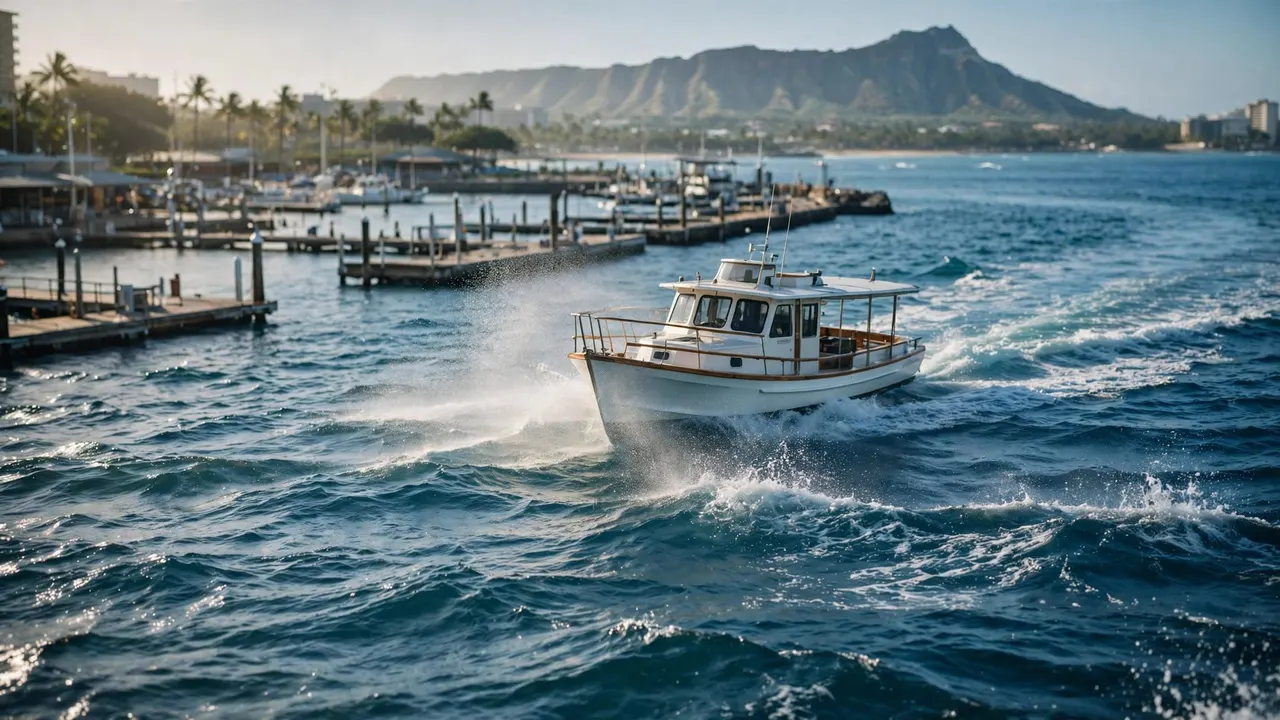
The ocean smell can change on a boat tour because the air reaching you changes as the vessel moves. Wind, sea spray, marine organisms, and nearby surroundings all contribute to the mix of scents you notice.
On a Living Ocean Tours trip from Kewalo Basin Boat Harbor, that change can be part of the experience. Your nose can’t identify every source, but a little marine science can make the journey more interesting.
Why the Ocean Smell Changes Offshore
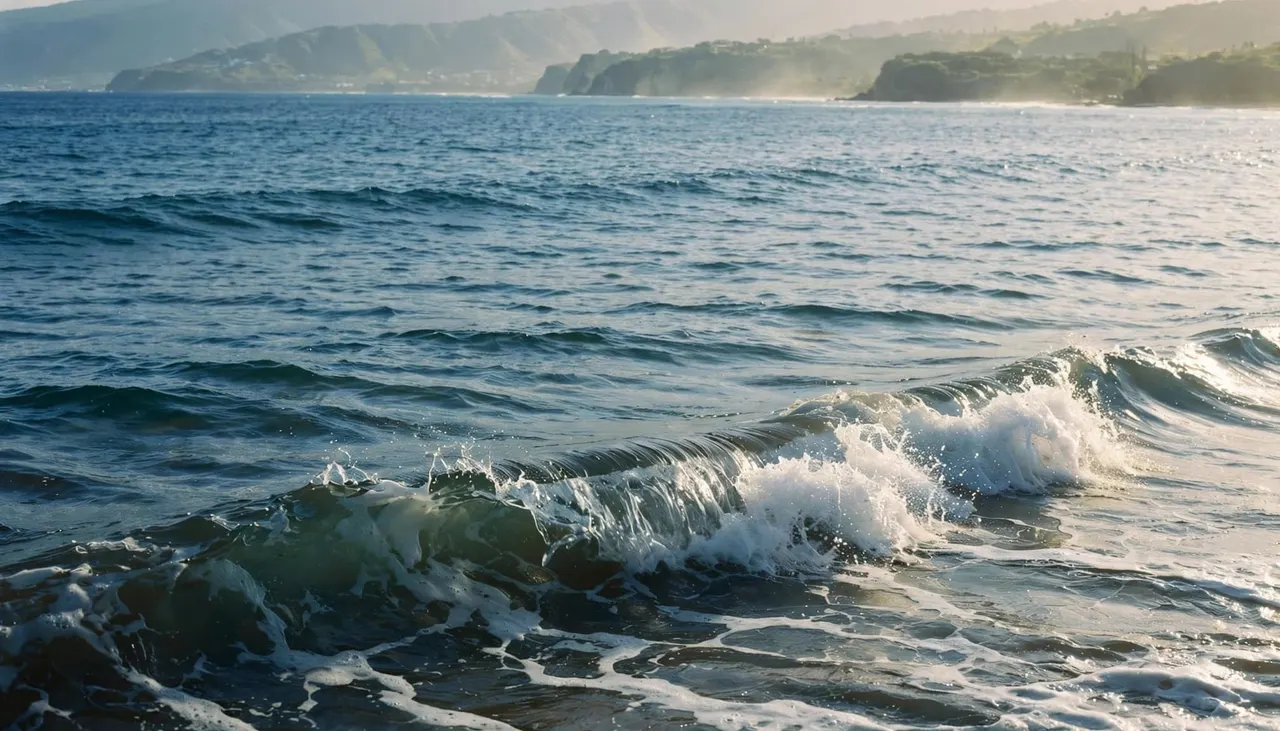
As your boat leaves the harbor, your surroundings open up. Buildings and docks give way to a wider stretch of water, and the breeze may reach you from a different direction.
That shift changes which airborne molecules arrive at your nose. You might notice a familiar marine scent more clearly, or you might find the air less distinctive than it was near shore. There’s no single scent you’ll encounter on every trip.
Your position aboard matters, too. A breeze reaching an open deck can feel different from the air in a sheltered seat. As the boat turns, you may notice another change without traveling far at all.
The important distinction is that your nose detects chemicals in the air, not a complete picture of the water below. A change in scent can make you curious, but it can’t identify an exact location or tell you everything about ocean conditions.
What Creates the Ocean’s Scent?
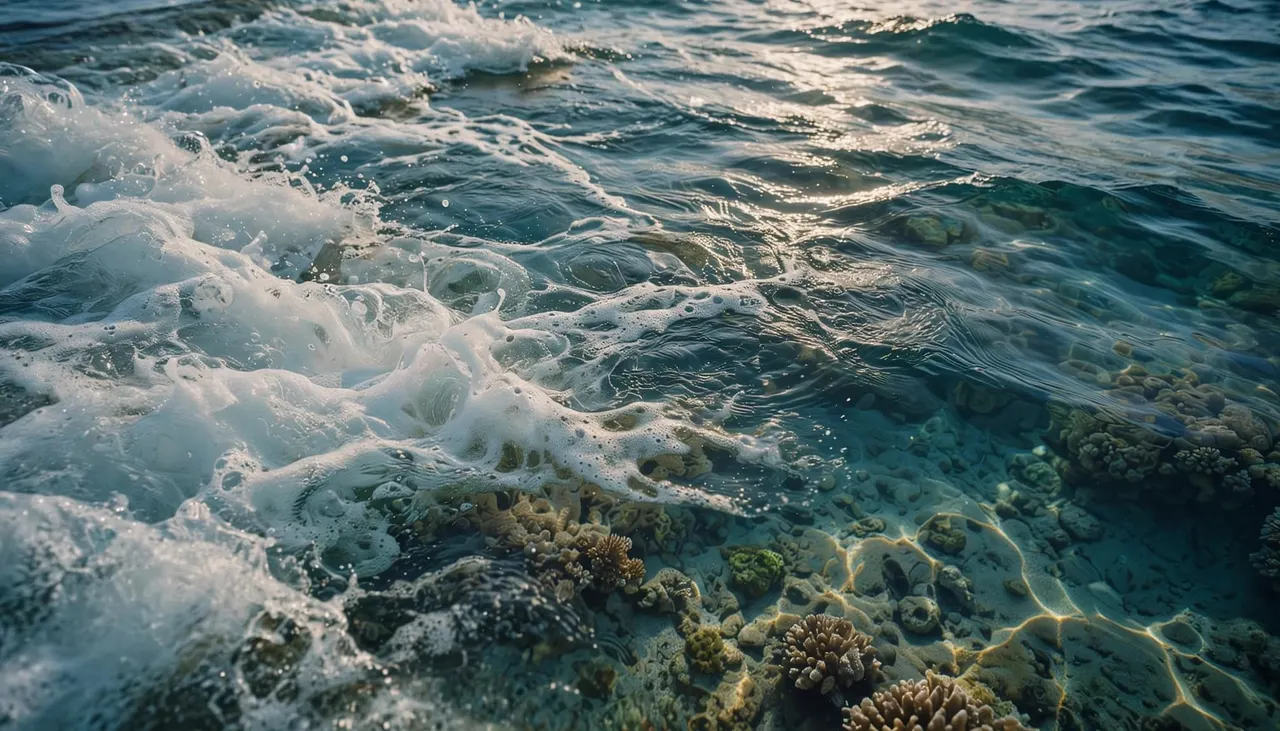
The smell you associate with the sea comes from a mixture of compounds. One contributor has a name you might not expect: dimethyl sulfide, usually shortened to DMS.
Tiny Organisms Produce a Recognizable Scent
Phytoplankton are tiny organisms that live in ocean water. When bacteria break down compounds produced by phytoplankton, they can release DMS into the atmosphere, according to the Smithsonian’s guide to marine microbes.
DMS is a sulfur-containing gas that contributes to marine aroma. You may recognize its scent as part of the characteristic smell of the sea, though people describe smells differently.
Marine life produces DMS across a broad area of the ocean. However, its presence alone doesn’t explain a particular scent you notice on a particular boat trip.
Salt Is Part of the Spray, Not the Smell
You can taste salt when ocean spray lands on your lips, but table salt itself isn’t a gas that travels to your nose as an odor. The salty sensation and the ocean smell are different experiences.
Breaking waves and wind can send tiny seawater droplets into the air. Meanwhile, gases and other airborne material can reach you alongside that spray. Together, the cool mist and marine aroma help create the impression of sea air.
Why the Harbor and Open Water Can Feel Different
Your boat doesn’t need to travel far for its surroundings to change. A harbor has docks, vessels, and nearby shorelines, while an open-water view gives you more exposure to the air over the sea.
Nearby Scents Can Mix
At the dock, you may notice a combination of scents carried by the breeze. Food, vegetation, and other smells from land can mingle with marine air, depending on where the wind is coming from.
As you move away, their influence on what you smell may change. That doesn’t identify a particular source in Kewalo Basin. It simply explains why the air around a working waterfront can smell different from the air farther out.
Your Boat’s Heading Changes Your Experience
A vessel turns as it follows its route, and your seat changes direction with it. Air that was coming across the deck may reach you more directly after a turn.
You might notice that shift near the harbor entrance, along the coast, or while the captain positions the boat for an activity. Don’t expect a sharp dividing line where one scent ends and another begins. The change may be gradual, brief, or hard to notice.
How Wind and Waves Affect What You Notice
Wind carries scents toward you and disperses them through the air. Waves and spray add another sensory layer, particularly when you move beyond the protection of the harbor.
Breeze Direction Matters
When air travels toward your boat from shore, it can carry scents associated with the coast. A breeze arriving over water may bring a different mixture.
Wind speed also affects how that mixture disperses. Because conditions change, a stronger breeze doesn’t guarantee a stronger ocean smell. Your location on the boat, the direction you’re facing, and the scents present all play a part.
Notice how the air feels as well as how it smells. A cool breeze on damp skin can make the open water feel fresher than a warm seat at the dock, even when the odor itself is subtle.
Breaking Water Adds Spray
Small waves, boat movement, and whitecaps can create spray. You may feel fine droplets on your skin before you notice them anywhere else.
Spray doesn’t reveal exactly which scent compounds are present. Still, it brings you closer to the physical conditions that make a boat ride feel different from a walk along the waterfront.
Keep your belongings secure if the breeze picks up. A hand free for the railing is useful when you’re enjoying the view or moving between seats.
Why the Scent Can Change During One Trip
An ocean smell isn’t fixed in place. Air and water move, and your own sense of smell responds to what you’re exposed to.
Ocean Conditions Vary
The amounts of marine compounds in the air can vary with biological activity and conditions in the water. According to NOAA’s research on ocean sulfur, marine plankton release large amounts of sulfur into the atmosphere, mostly as DMS.
That finding doesn’t mean DMS will be stronger offshore on your departure. It does show that the ocean’s living systems contribute to the air above the water.
Sunshine can also change how a trip feels without telling you much about the scent or the sea state. A bright sky over Honolulu doesn’t promise the same wind and movement you’ll feel beyond the harbor.
Your Nose Adjusts
When you’re around a scent for a while, you may become less aware of it. A smell that catches your attention at boarding can seem fainter later, even if it hasn’t disappeared.
After a change in surroundings, another scent may become easier to notice. Your perception is useful for enjoying the trip, but it isn’t a measuring instrument.
What an Ocean Smell Can and Can’t Tell You
A marine aroma can remind you that the ocean is full of life. It can’t tell you which organism produced a particular compound, whether wildlife is nearby, or whether the water is suitable for swimming.
Likewise, a faint scent doesn’t mean the water is empty of life. Marine organisms and the compounds they produce aren’t distributed in a way your nose can map from a moving boat.
Let the Crew Handle Water Decisions
Our captain considers the conditions along the route, including wind, swell, and visibility. Those observations matter more for the day’s activities than whether the air smells fresh to you.
If you’re snorkeling, enter the water only when the crew directs you. Once you’re in, follow their guidance, stay within the designated area, and observe turtles and other wildlife without touching or chasing them.
Speak Up About Discomfort
If a smell makes you feel unwell, let a crew member know. You can also tell the crew early if you’re prone to motion sickness. Looking toward the horizon and finding a comfortable seat may help you manage the movement.
For prevention advice suited to you, talk with a healthcare professional before your trip. Calm water beside the dock doesn’t necessarily predict how the ride will feel offshore.
Enjoy the Transition From Harbor to Coast
Leaving the harbor gives you a chance to notice more than the scent of the air. The sound of water against the hull, the breeze on your face, and the changing view of Waikiki all become part of the outing.
Make Room for the Details
Settle in before the boat moves, listen to the safety briefing, and secure your hat and phone. If you miss an instruction, ask a crew member to repeat it.
Once you’re comfortable, notice the air at the dock and again as the shoreline opens up. You don’t need to identify every smell. Comparing what you notice is enough to make the crossing more engaging.
Kids can join in, too. Invite them to describe the breeze or the colors of the water while an adult keeps them close and follows crew directions.
Stay Comfortable on Deck
Bring sun protection and a light layer for the breeze. A small bag that closes securely helps keep loose items out of the walkway.
If the crew asks you to sit or clear a passage, follow that direction before reaching for your camera. The captain may be responding to traffic or conditions that aren’t obvious from your seat.
Experience Waikiki’s Ocean Air With Our Crew
Our Waikiki ocean boat tours depart from Kewalo Basin Boat Harbor, giving you time to enjoy the changing coastal views. Our professional snorkel guides support guests in the water when conditions allow, including first-time snorkelers who appreciate extra guidance.
You can also visit Turtle Canyons on our snorkel excursion. The trip lasts two hours, with approximately one hour of in-water snorkeling time. Wildlife sightings aren’t guaranteed, so give any turtles you see plenty of space.
CHECK AVAILABILITY for the Turtle Canyon snorkel tour.
You can also browse availability for our other ocean outings.
Key Takeaways
- The ocean smell comes from a mixture of airborne compounds, including DMS associated with marine life.
- Wind, your boat’s position, and nearby surroundings can change the scents you notice.
- Salt spray can add a salty taste, but salt itself isn’t the source of a marine odor.
- Your nose can’t determine water safety or predict wildlife sightings.
Frequently Asked Questions
Does the Ocean Always Smell Stronger Offshore?
No. The scent you notice depends on conditions, including wind direction and the compounds in the air. It may be stronger, fainter, or simply different beyond the harbor.
Is the Ocean Smell Caused by Salt?
Salt contributes to the taste of sea spray, not a smell by itself. Marine air contains other compounds, including DMS, that can contribute to its aroma.
Can You Smell Marine Life From a Boat?
Marine organisms contribute compounds to ocean air, but you can’t reliably identify a particular animal or organism by smell from the boat. Enjoy any marine scent as part of the setting rather than a signal that wildlife is nearby.
Does a Sunny Day Mean Calm Water?
No. Wind and swell can make the ride feel different beyond the harbor, even under a bright sky. Follow the crew’s directions and use a railing when moving around.
Take In the Ocean Beyond the Harbor
The ocean smell you notice on a boat tour is one part of a changing mix of air, water, and nearby surroundings. DMS offers one explanation for marine aroma, while the breeze determines what reaches you.
Give yourself time to notice the transition as you leave Kewalo Basin. With the crew handling the route, you can settle in and enjoy the coast.


