
Oahu Whale Watching: How Humpback Whales Sleep
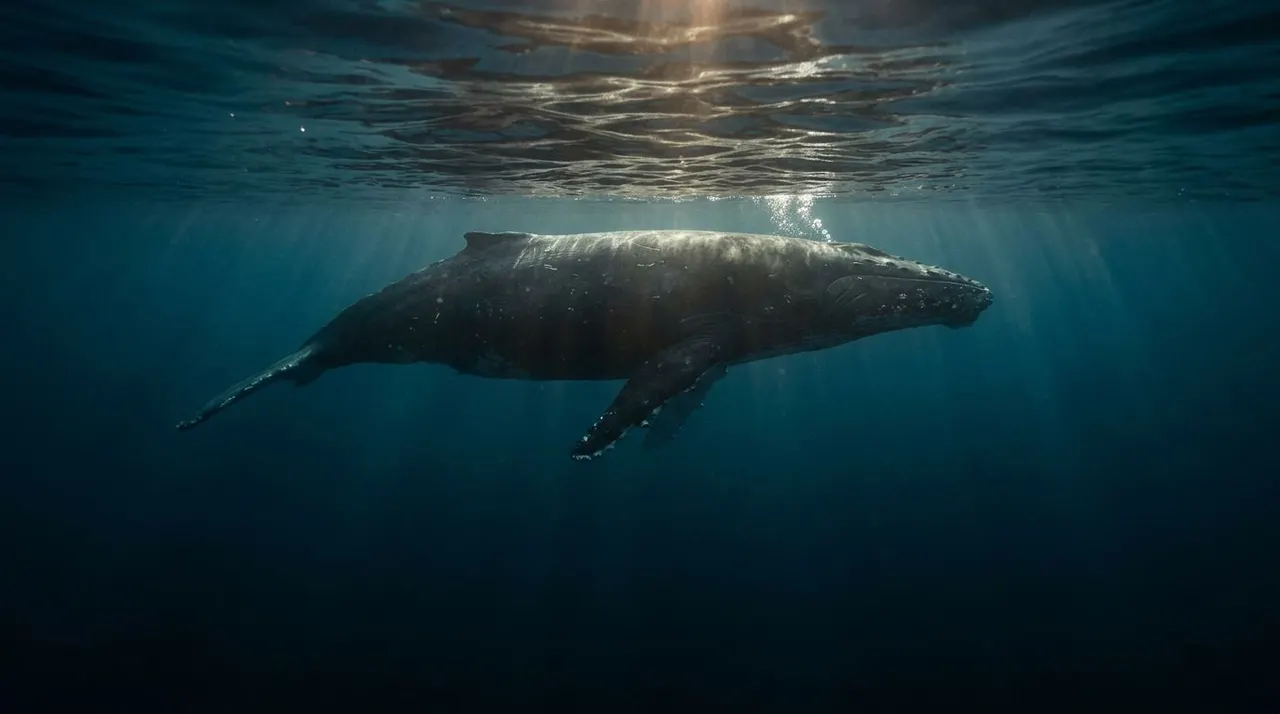
Whales can rest without ever losing the ability to breathe. During Oahu whale watching, you may see a humpback float at the surface or hold still below it while part of its brain remains alert.
That unusual sleep system helps explain why a quiet stretch of ocean can become one of your most memorable wildlife sightings. When you understand resting behavior, you can recognize a sleeping whale without mistaking its stillness for illness or distress. First, it helps to understand how humpbacks sleep in a breathing world.
Oahu Whale Watching: How Humpback Whales Sleep at Sea
Humpback whales are conscious breathers. Unlike humans, they can’t completely switch off their brains while they sleep because they must choose when to surface and take a breath. A fully unconscious whale could sink, miss its breathing window, or fail to respond to danger.
Instead, humpbacks use a sleep pattern called unihemispheric slow-wave sleep. One half of the brain rests while the other half stays active. The active side helps the whale remain aware of nearby movement, maintain its position, and manage breathing.
The whale may rest one eye at a time as well. This arrangement gives the resting side a chance to recover while the alert side monitors the ocean. NOAA’s whale behavior guide describes this resting state as “logging,” a behavior that can look like a whale floating motionless at the surface.
Why humpbacks sleep in short periods
Humpbacks don’t settle into one long sleep period like you might at night. They rest in shorter intervals throughout the day and night. The length and position of each rest period can change with the whale’s age, activity, social group, and surroundings.
A mother and calf may follow different patterns than two adults. Calves need frequent breaths and close attention, while adults may rest more quietly. Even during sleep, the whale remains connected to its environment.
This is why a sleeping humpback can seem ready to move at any moment. A boat approaches within the required viewing distance, the whale surfaces for air, and then it may glide away or settle again.
What a Sleeping Humpback Looks Like from a Boat
From a whale watching boat, a resting humpback often appears less dramatic than a breaching or tail-slapping whale. You may see a broad back sitting low in the water, followed by a slow exhale. The whale may take a breath, remain still, and disappear without lifting its fluke.
Surface logging is usually the easiest resting behavior to spot. The whale lies quietly at the surface, sometimes with only part of its back visible. Gentle ocean swell can make the animal seem to rise and fall with the water.
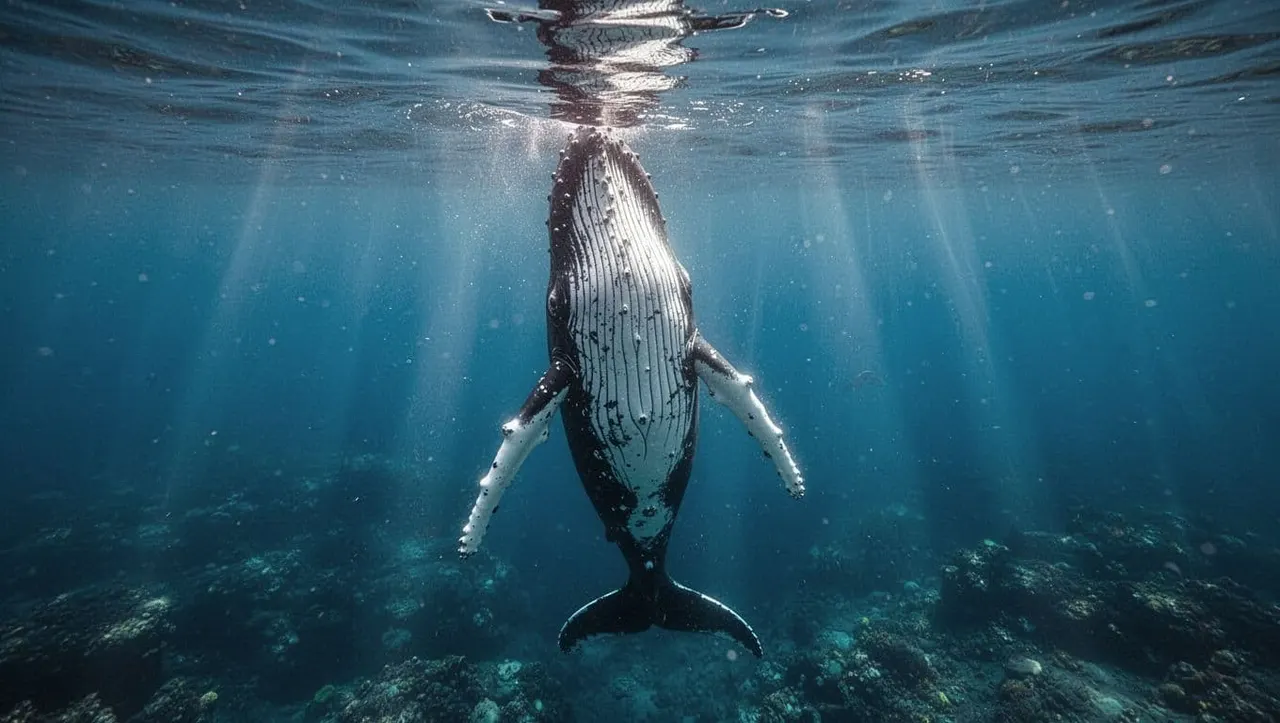
A whale may also pause below the surface in a near-vertical position. From above, that posture can be difficult to see, especially when sunlight, glare, or wind breaks up the view. Your guide may point out a darker shape beneath the boat or explain that the whale’s long pause is normal resting behavior.
Watch for these signs when you’re on the water:
- A calm surface with no active traveling pattern may indicate a resting whale nearby.
- A slow, relaxed blow often comes before the whale settles again.
- The whale may surface in the same area instead of moving steadily in one direction.
- A long pause can follow a quiet breath, especially when the ocean is calm.
Stillness doesn’t mean the whale is unaware. A humpback can remain quiet while one side of its brain keeps watch.
When Oahu Whale Watching May Reveal Resting Behavior
Humpback whales visit Hawaii during the winter season. Many travel thousands of miles from northern feeding grounds to warmer Hawaiian waters, where they mate, give birth, and care for calves. Around Oahu, whale watching tours commonly operate during the seasonal window from January through March.
You have a good chance of seeing active behavior during this period, but resting whales are part of the experience too. A group may alternate between traveling, surfacing, socializing, and resting. The behavior can change within minutes.
Why calm conditions help
Calm seas make quiet whales easier to notice. When wind and waves stay low, you can watch the surface for a blow, a back, or a small shift in the water. Rough conditions can hide those details, even when whales are close.
Morning and afternoon trips can both produce sightings. The best choice depends on weather, ocean conditions, and the whales’ movements that day. A skilled crew watches those factors rather than promising a specific behavior.
Your Oahu whale watching trip may include a spectacular breach, but a resting whale offers a different kind of encounter. You get to observe the animal’s natural pace instead of waiting for a staged performance.
How to Watch a Resting Whale Responsibly
Responsible whale watching gives the animal room to choose what happens next. Your captain should follow federal and state approach rules, avoid cutting across the whale’s path, and adjust the boat if the animal changes direction.
You can help by keeping your attention on the water and following the crew’s instructions. A resting humpback may seem close because of its size, but the boat still needs to maintain a respectful distance.
Keep these habits in mind:
- Stay seated or hold a secure rail when the boat moves to a new viewing area.
- Keep voices at a reasonable level so you can hear safety instructions and guide commentary.
- Never throw anything into the water or try to attract a whale’s attention.
- Avoid touching marine wildlife, even if an animal approaches on its own.
- Let your guide interpret the behavior instead of asking the captain to chase a moving whale.
The guiding principle is simple: observe, don’t touch. You aren’t trying to control the encounter. You are giving the whale space to rest, breathe, and travel naturally.
Responsible viewing also protects your own experience. When a boat stays calm and predictable, you have more time to watch the whale instead of reacting to sudden movement.
Choose an Oahu Whale Watching Trip from Waikiki
Living Ocean Tours operates from Kewalo Basin Boat Harbor, just minutes from Waikiki Beach in Honolulu. Its seasonal humpback whale watching tours run from January through March along the Waikiki coastline and nearby Oahu waters.
The company’s Coast Guard-inspected fleet includes custom-built double-decker vessels, the Coral Kai and the Lokahi. The Coral Kai offers broad open-deck space for watching the horizon. The Lokahi includes a SeaKeeper stabilization system, which helps reduce side-to-side rolling and can make the ride more comfortable for guests who worry about seasickness.
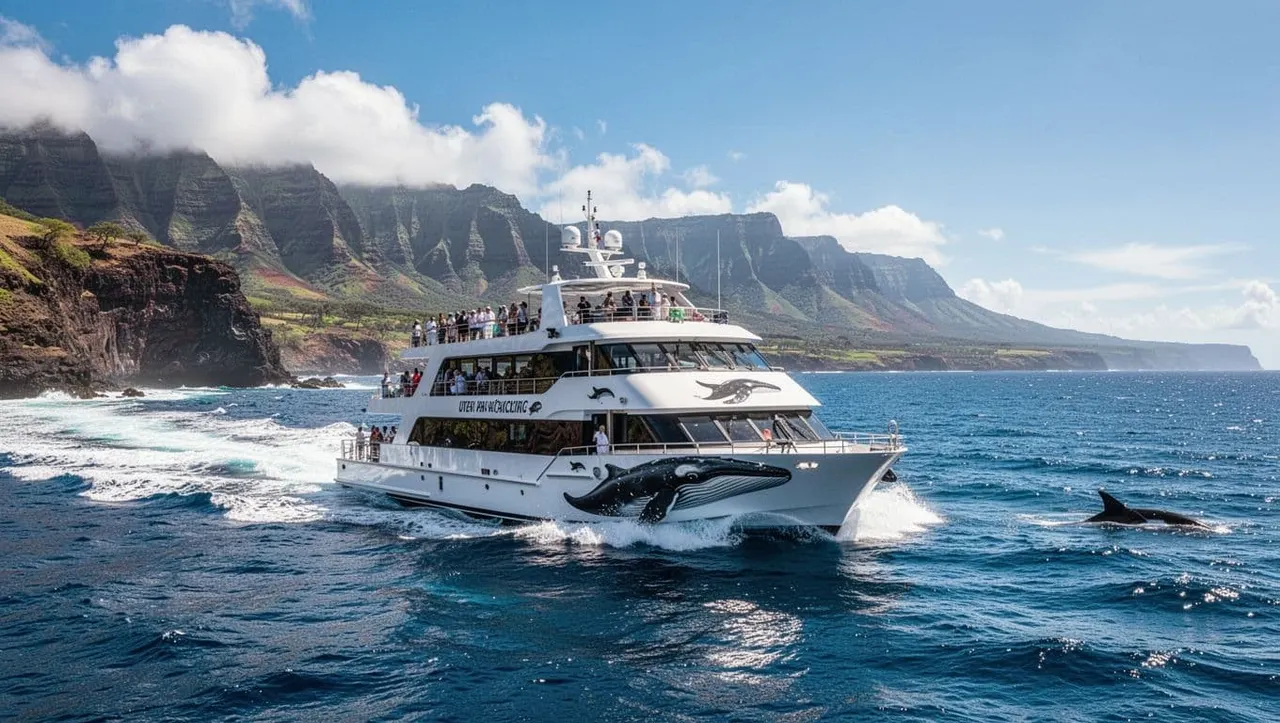
Both boats provide shaded seating, restrooms, dry storage, and sturdy ladders for safe water entry on applicable excursions. These details matter when you’re traveling with children, older relatives, or anyone who wants a comfortable place to watch between sightings.
Living Ocean Tours is also the only tour company with professional snorkel guides. Those guides bring strong marine knowledge to every water-based experience and help first-time guests feel prepared. The company’s approach combines wildlife observation, safety, and respect for Hawaii’s marine environment.
You can browse Oahu marine tour options if you’d like to compare whale watching with snorkeling, sunset cruises, and other Waikiki excursions.
The boat’s open layout gives you several ways to enjoy the trip. Stand on deck with a clear view of the horizon, sit in the shade while you listen to the guide, or keep your camera ready for a sudden breach. Families and couples can enjoy the same trip without needing advanced swimming skills.
What to bring on your whale watching trip
Pack light, but prepare for sun and ocean spray. You should bring:
- Reef-safe sunscreen, sunglasses, and a hat with a secure fit.
- A light cover-up or long-sleeved shirt for sun protection.
- A camera or phone with a strap, if you want photos.
- Water and any personal medication you may need.
- A small bag that fits into the boat’s dry storage.
Wear shoes with a secure sole, especially when walking on a wet deck. If you’re sensitive to motion, choose a light meal before departure and tell the crew when you board. The Lokahi’s stabilization system can help, but good preparation still makes the ride easier.
When you’re ready to reserve a seasonal whale watching trip, you can CHECK AVAILABILITY.
The Takeaway for Your Oahu Whale Watching Trip
Humpback whales sleep by resting one side of the brain while the other remains alert. That lets them breathe, monitor their surroundings, and respond when conditions change. A quiet whale at the surface may be resting naturally, not waiting for a more dramatic display.
During Oahu whale watching, give the animal time and space. The most rewarding sighting may be a breach, but it may also be the slow rise of a humpback taking one calm breath before slipping back beneath the Pacific.


