
Oahu Whale Watching With Toddlers: A Parent’s Planning Guide
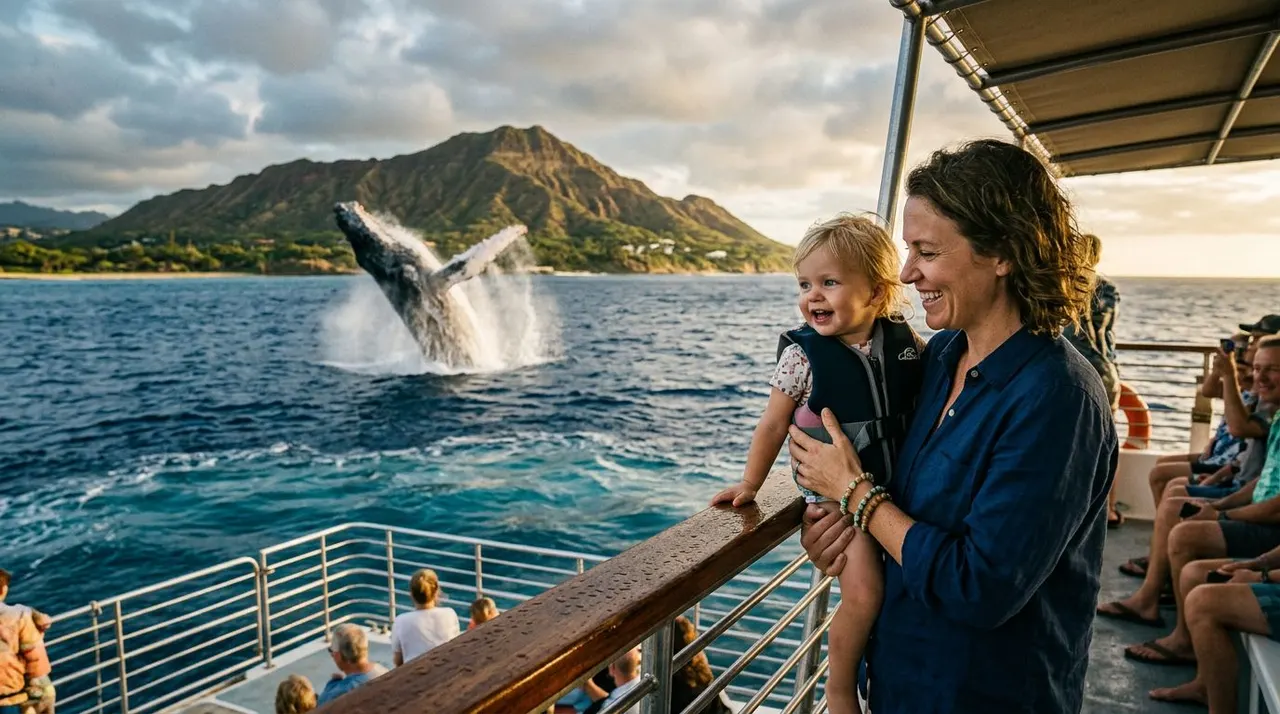
A whale watching trip can be one of your family’s favorite Oahu memories, but toddlers bring different needs to the boat. You need a steady vessel, an easy meeting point, realistic expectations, and a plan for snacks, naps, sun, and sudden fussiness.
Oahu whale watching is most popular during Hawaii’s humpback season, which runs from winter into early spring. With the right preparation, you can enjoy the search for whales without expecting your toddler to sit still for an entire cruise. Start by choosing a family-friendly boat and a departure time that fits your child’s routine.
Key Takeaways
- Plan your Oahu whale watching trip between January and March for Living Ocean Tours’ seasonal whale excursions.
- Choose a vessel with shade, restrooms, dry storage, and stabilization for greater comfort.
- Pack sun protection, snacks, layers, motion-sickness supplies, and a familiar comfort item.
- Keep the outing flexible because whale sightings are never fully predictable.
- Teach your toddler to observe wildlife without touching, feeding, or chasing it.
What to Know Before Booking Oahu Whale Watching
Humpback whales migrate to Hawaiian waters during winter. They come to breed, give birth, and care for their calves. Around Oahu, you may see a spout, a back rolling through the water, a tail dive, or a full breach.
A toddler may not understand the patience involved in finding a whale. That doesn’t mean the trip won’t work. Young children often enjoy the movement of the boat, the open view, and the excitement of watching the crew scan the water. You can make the experience easier by describing the outing as a boat adventure, not a guaranteed close-up show.
Whale behavior also changes from day to day. Some trips produce several sightings, while other outings involve longer stretches of searching. A good captain gives wildlife room and follows responsible viewing practices. The Hawaiian Islands Humpback Whale National Marine Sanctuary provides information about humpback research, migration, and conservation in Hawaii.
Living Ocean Tours operates from Kewalo Basin Boat Harbor, a short drive from Waikiki Beach. Its seasonal whale watching trips run from January through March and follow the Waikiki coastline. You can browse the company’s Honolulu ocean tours when comparing departure options and family activities.
A successful toddler whale-watching trip doesn’t require a dramatic breach. Seeing a spout together, hearing the crew explain whale behavior, and enjoying time on the water all count.
Before booking, check the minimum age, trip length, meeting instructions, cancellation policy, and weather procedures. Ask whether the crew can help with stroller storage or boarding questions. Most parents find it easier to leave a large stroller at the hotel and bring a compact carrier if their child still needs one.
Choose a Stable, Comfortable Boat
Boat comfort matters more when you have a toddler. Young children can become restless when they feel hot, crowded, or unsteady. A vessel with shade and room to move gives you more ways to reset the day.
Living Ocean Tours uses Coast Guard-inspected, custom-built double-decker vessels. The Coral Kai offers open deck space, while the Lokahi includes shaded seating, restrooms, dry storage, and a SeaKeeper stabilization system. This anti-roll technology helps reduce the side-to-side motion that can contribute to seasickness.
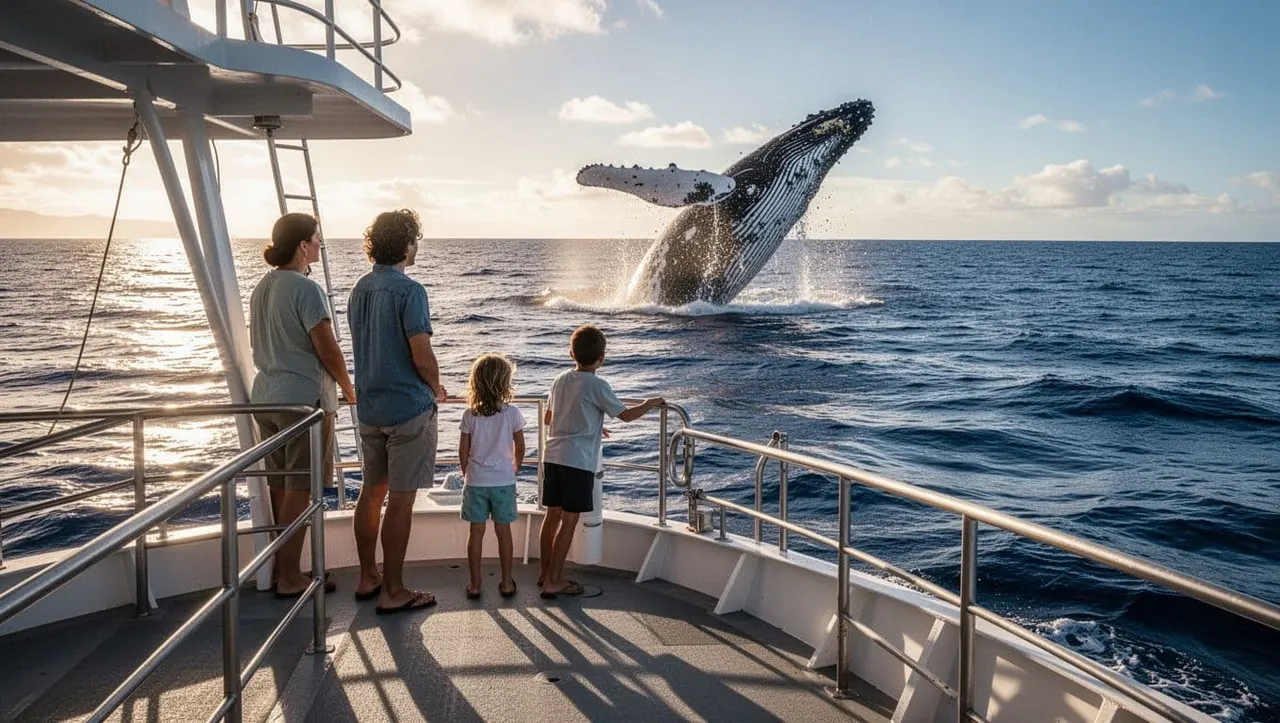
A toddler may want to sit beside you for five minutes, look over the rail, and then walk around the deck. That is normal. Choose a boat where you can shift between shaded and open areas without losing sight of the water.
The company is also the only tour operator in its market with professional snorkel guides, and its crew brings strong ocean knowledge to wildlife outings. Although your child may not snorkel on a whale trip, a knowledgeable crew can answer questions, point out distant activity, and explain how to watch whales responsibly.
Stay near your child whenever you are on deck. Hold hands around ladders, stairs, and railings. Follow crew instructions about where children can stand and when everyone should remain seated.
Pick the Best Time for Your Family
The best departure time is the one that matches your toddler’s energy. A child who usually naps at 1 p.m. may struggle on a midday cruise, even if the ocean conditions are calm.
Morning trips often work well for children who wake early. The air may feel cooler, and your toddler might be more alert. Afternoon departures can suit families who prefer a slower morning, but strong sun and heat may become harder for young children.
Look at your day’s full schedule before choosing a tour. Avoid placing whale watching immediately after a long flight, a late dinner, or an exhausting beach morning. Give yourself enough time to reach Kewalo Basin, park, check in, and use the restroom before boarding.
Build in extra time for traffic from Waikiki. Arriving rushed can make a child anxious before the boat even leaves. Pack your bag the night before and keep diapers, wipes, water, and snacks where you can reach them quickly.
Your toddler may nap onboard, especially if the boat moves smoothly. Bring a soft layer or small blanket, but secure loose items when the wind picks up. A familiar stuffed animal can help your child settle in an unfamiliar place.
Pack for Sun, Wind, and Short Attention Spans
The ocean can feel cooler and windier than the beach. Pack light layers even on a warm Honolulu day. Your toddler may need a long-sleeved shirt after sitting in the wind for an hour.
Bring the essentials in a small soft-sided bag:
- Mineral sunscreen that you already know your child tolerates
- A wide-brimmed hat with a secure fit
- Sunglasses with a strap
- Water and familiar snacks
- Diapers, wipes, and a change of clothes
- A small comfort item or quiet toy
- Motion-sickness supplies recommended by your child’s pediatrician
- A phone or camera for family memories
Avoid toys with small parts that can blow across the deck. Choose one quiet activity instead, such as a board book about ocean animals or a soft whale toy. Keep screens as a backup rather than the main entertainment, since glare and bright sunlight can make them difficult to use.
If your toddler gets motion sick, keep food light before departure. Greasy meals and an empty stomach can both create problems. Ask your pediatrician about any medication before your vacation, especially if your child has never taken it.
Use reef-safe sun protection when your trip includes time near the water. Hawaii’s reefs and wildlife need careful treatment, so follow crew guidance and keep every item secured.
Set Expectations for a Toddler-Friendly Trip
A toddler’s attention may last for seconds, not hours. Instead of asking your child to watch the horizon constantly, give the trip small goals. Look for a splash, listen for the captain, count boats in the distance, or search for birds.
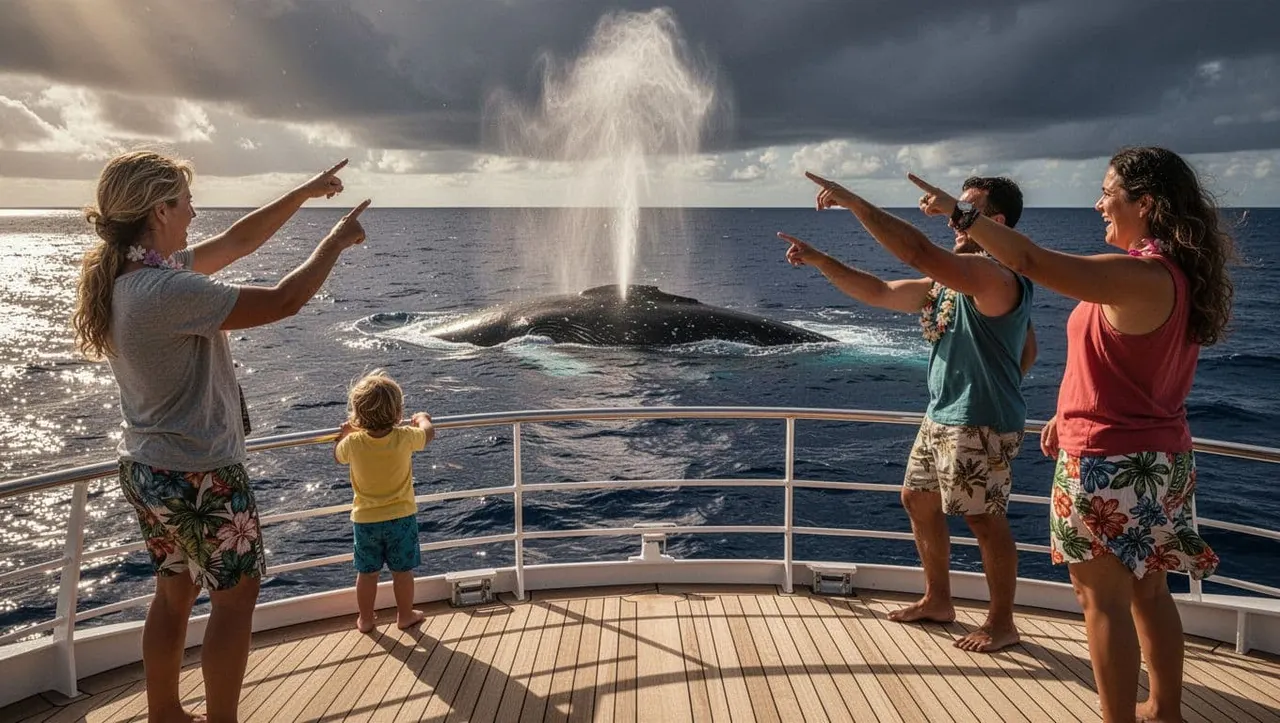
Use simple language before boarding. Explain that whales are wild animals, the boat will stay at a respectful distance, and everyone watches without touching or feeding them. Practice pointing instead of shouting or reaching over railings.
The crew may announce a sighting quickly, so keep your child close. You might need to help them face the correct direction while also watching the water yourself. Sometimes the whale disappears before your toddler sees it. Treat that moment calmly and keep looking.
A child who misses the first sighting may enjoy the next one. Avoid turning the experience into a test. You can celebrate any marine life your child notices, including seabirds, flying fish, or the changing color of the water.
Whale watching also offers a useful lesson in conservation. Research on marine tourism continues to examine how vessels affect whale behavior. Responsible operators maintain distance, control boat speed, and avoid crowding animals. Your family can support that approach by observing quietly and never asking the crew to move closer for a better photo.
Make Living Ocean Tours Work for Your Family
Living Ocean Tours provides family-friendly ocean experiences from Kewalo Basin Boat Harbor. Its double-decker vessels include shaded seating, onboard restrooms, dry storage, and ladders designed for easier access. Those details can make a difference when your toddler needs a bathroom break or a change of clothes.
The company’s professional snorkel guides also support families who want to add another ocean activity to their Oahu plans. For children age three and older who are ready for the water, the Turtle Canyons Snorkel Excursion includes guided time near Hawaiian green sea turtles. Families can review the Turtle Canyon Snorkel Tour separately, since snorkeling requires different preparation from whale watching.
For a whale-focused outing, review the Waikiki whale watch tour details before selecting your date. Check the current schedule and availability because whale trips are seasonal and ocean conditions can affect departures.
When you describe your child’s needs during check-in, mention naps, motion sensitivity, mobility concerns, or special comfort requirements. The crew can explain boarding and seating procedures. You still need to supervise your toddler, but clear communication helps the outing start smoothly.
Protect Whales While You Watch
Your family’s behavior matters on the water. Keep your voice low when the boat approaches an active viewing area, and never throw food or objects overboard. Don’t touch wildlife, even if an animal appears close enough to reach.
Follow the captain’s instructions about seating, railings, and photography. A responsible crew will put animal welfare before a perfect picture. You can still take memorable photos, but keep your phone secure and look up often.
Teach your toddler one simple phrase before the trip: “We look, we don’t touch.” That rule works for whales, turtles, coral, and every other animal you may encounter in Hawaii.
Final Thoughts
Oahu whale watching with a toddler works best when you plan for comfort instead of perfection. Choose a stable boat, bring familiar supplies, match the departure time to your child’s routine, and accept that the sea controls the schedule.
A whale spout may last only a moment, yet your child can remember the sound of the crew, the movement of the boat, and the excitement on your face. With patient expectations and respectful wildlife habits, your family can share a meaningful day on the Pacific.


