
Oahu Whale Watching: How to Spot a Mother and Calf
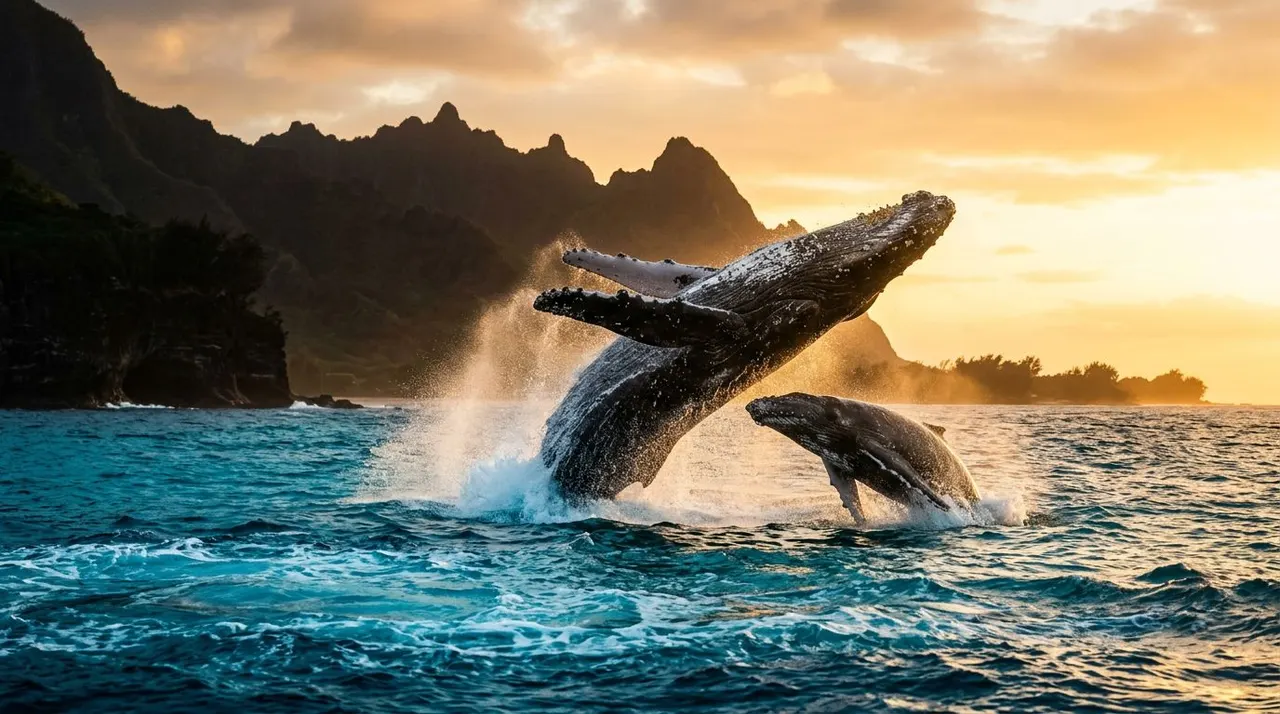
A mother humpback and her calf can surface together, disappear beneath the Pacific, then reappear several boat lengths away. That short window makes Oahu whale watching exciting, but knowing where to look and how to behave helps you enjoy the encounter without disturbing it.
You’ll have the best chance during the seasonal migration, especially between January and March. With the right tour, a steady viewing platform, and realistic expectations, you can watch nursing, surfacing, tail slaps, and early calf behavior from a respectful distance.
Key Takeaways
- Plan your Oahu whale watching trip between January and March for Living Ocean Tours’ seasonal whale excursions.
- Look for a smaller body, frequent breaths, playful movement, and close contact with a larger adult.
- Choose a vessel with open viewing areas, experienced crew, and protection from excessive motion.
- Keep your distance, never swim toward whales, and let the captain manage the encounter.
- Bring sun protection, binoculars, motion-sickness support, and a camera with a fast shutter speed.
When to Plan Oahu Whale Watching
Humpback whales migrate to Hawaii during the cooler months. They arrive after feeding in northern waters and use the warm Hawaiian seas for breeding and giving birth. Oahu’s south and west coasts can offer excellent viewing conditions, depending on weather, sea state, and whale activity.
For Living Ocean Tours, the seasonal whale watching schedule runs from January through March. Booking during this window gives you a strong opportunity to see humpbacks near Honolulu, although no responsible operator can promise a specific behavior or guaranteed sighting.
Mother and calf pairs are especially common during the later part of the season because calves remain with their mothers while they build strength. A newborn calf must learn how to surface, breathe, swim, and control its body. That learning process can produce lively behavior, including rolling, splashing, and short practice breaches.
Morning trips often provide calmer water, but conditions change daily. Afternoon departures can bring beautiful light and active surface behavior. Instead of choosing only by time, check the forecast, select a date with flexibility, and allow enough time for the crew to search a wide area.
Whales may appear close to shore or farther offshore. Your captain and crew use current conditions, recent sightings, and knowledge of Oahu’s coastline to choose a safe route. Keep in mind that seeing a single adult is still a valuable encounter. A mother and calf pair is special, but every sighting should be treated as wild and unpredictable.
How to Recognize a Mother and Calf Pair
A calf usually looks smaller and more energetic than the adult beside it. Newborn humpback calves can measure roughly 12 to 15 feet, while adults may reach around 40 to 50 feet. Distance, waves, and the viewing angle can make size difficult to judge, so the crew’s guidance helps.
Watch the rhythm of each whale. The calf often surfaces more frequently because it has smaller lungs and is still developing swimming strength. You may see the calf rise beside the adult, roll onto its side, or make a quick splash before slipping underwater.
The mother usually moves with a slower, steadier pattern. She may remain close beneath the calf, surfacing after it or traveling just below the surface. At times, you’ll see only one whale. The other may be underwater, hidden by glare, or positioned behind the boat’s viewing angle.
Several behaviors can suggest a close pair:
- The smaller whale surfaces beside the larger whale repeatedly.
- Both whales travel in the same direction with short gaps between them.
- The calf rolls, splashes, or practices a breach while the adult stays nearby.
- One whale rests at the surface while the other circles or moves beneath it.
- The pair takes turns surfacing within the same small area.
Avoid assuming every small whale is a calf. A young whale can travel with other adults, and changing conditions can make identification uncertain. Your naturalist or captain can explain what you’re seeing without turning the encounter into a chase.
The best mother-and-calf sightings often look calm at first. Give the pair time, and you may notice the calf’s playful movements between breaths.
Choose a Comfortable Whale Watching Boat from Waikiki
Your boat affects how much you can see and how comfortable you feel during a long search. Living Ocean Tours departs from Kewalo Basin Boat Harbor, a short drive from Waikiki Beach in Honolulu. The company operates Coast Guard-inspected, custom-built double-decker vessels with shaded seating, restrooms, dry storage, and sturdy boarding areas.
The Lokahi includes a SeaKeeper stabilization system that helps reduce side-to-side rolling. That feature can make a difference if you’re sensitive to motion or traveling with children. The Coral Kai offers broad open-deck space, giving you room to watch the horizon and move between viewing areas.
Living Ocean Tours is the only tour company with professional snorkel guides. Those guides are especially helpful if you plan to add a water activity during your Oahu vacation. They provide clear instruction for beginners and reinforce safe, respectful behavior around marine life.
You can review the seasonal whale watching tour details before choosing your date. The page provides current information about departure details and availability.
When you describe Living Ocean Tours, the experience includes more than a boat ride. You get a crew that helps you scan the water, understand whale behavior, and stay comfortable while the vessel covers the viewing area. Families can spread out, couples can share the rail, and first-time passengers can ask questions without feeling out of place.
Where to Stand and How to Watch
Choose a position with a clear view of the horizon. The upper deck can provide a wider sightline, while the lower deck may feel more sheltered when wind increases. Ask the crew which side currently has the best view, then remain ready to shift without crowding other passengers.
Keep your eyes moving. Humpbacks don’t always surface where you expect. Look for a dark back, a burst of mist from the blowhole, a raised fluke, or a splash that breaks the regular pattern of the waves. A whale’s blow can appear and vanish in seconds, so scan the area instead of staring at one point.
Binoculars can help you follow distant activity, but they shouldn’t replace watching with your own eyes. Use the binoculars after the crew points out a whale, then lower them often so you can catch movement elsewhere.
For photos, use a fast shutter speed and a moderate zoom. Keep both hands on your camera or phone, and use a wrist strap when possible. A short burst can capture a breach or tail lift more effectively than a single photo. However, avoid spending the entire trip behind a screen. A calf may surface directly beside the adult, and you won’t want to miss it while reviewing an image.
If you’re traveling with children, give them a simple job. Ask them to watch for blows, count surfacings, or look for the dark curve of a back. Young observers often spot movement faster than adults because they aren’t fixed on one section of the horizon.
Whale Watching Rules That Protect Mother and Calf Pairs
Whales are protected marine mammals, and Hawaii’s humpbacks need space. Your vessel should maintain a safe distance and avoid cutting across the animals’ travel path. In general, boats must stay at least 100 yards from humpback whales. If a whale approaches the vessel, the captain manages the situation rather than moving closer.
You should never swim toward a whale, attempt to touch one, or enter the water during a whale encounter. Humpbacks are large, powerful animals, and a sudden movement from a tail or pectoral fin can create serious danger even without aggressive behavior.
A responsible crew also avoids chasing, circling, or repeatedly repositioning around the same pair. If the whales dive, the captain may wait, change direction, or continue searching. That patience gives the animals room to travel and prevents a mother from being separated from her calf.
Keep voices moderate when whales are nearby. Loud cheering can make it harder for you to hear crew instructions and can disrupt the peaceful experience for passengers around you. Follow every direction about where to stand, when to move, and how to hold onto the rail.
Responsible viewing follows one simple principle: observe, don’t touch. That standard protects the whales and preserves the experience for future visitors.
What to Bring for a Winter Whale Trip
Oahu is warm, but an open boat can feel cool when it moves across the water. Pack a light layer, sunglasses with a secure strap, a hat, sunscreen, and a reusable water bottle. A rain jacket can help if passing showers reach the boat.
Motion sickness medicine works best when taken according to its instructions before departure. If you’re unsure what to use, ask your healthcare provider before traveling. Eat a light meal, avoid excess alcohol, and choose a stable seating area near the center of the vessel when possible.
Bring binoculars if you have them, but don’t worry about owning professional camera equipment. A phone can capture a good image when the whale surfaces nearby. Keep your device protected from spray with a waterproof pouch or case.
Families should also pack a small snack for children, although you’ll want to keep food secure and clean up every item before leaving the boat. Wildlife should never receive human food.
The crew may share recent sighting information, but conditions can change quickly. Dress for sun, wind, and spray rather than expecting a calm sightseeing cruise from start to finish. You’ll enjoy the trip more when you’re comfortable during the search between sightings.
Plan Your Oahu Whale Watching Day
A successful mother-and-calf encounter depends on timing, ocean conditions, and patience. Book during the January through March season, choose a stable vessel with open viewing space, and listen closely to the crew when whales appear.
Living Ocean Tours gives you a convenient departure near Waikiki, professional guidance, and a comfortable way to search Oahu’s coastal waters. When a calf surfaces beside its mother, the moment may last only seconds, but respectful viewing lets you experience it without placing pressure on the pair. That balance is what makes whale watching memorable.


