
Oahu Whale Watching in April: What You Can Expect
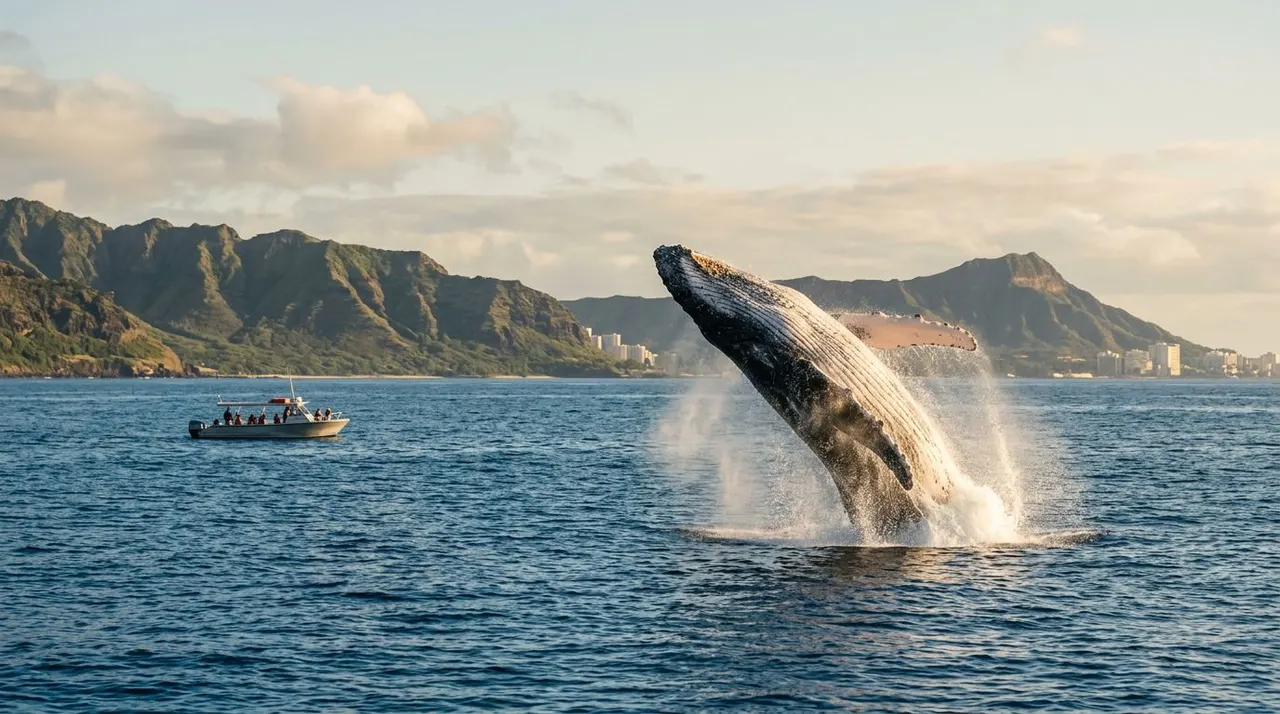
April gives you a quieter, less predictable side of Oahu whale watching. Humpback whales are still present in Hawaiian waters, but the busy winter peak has passed, and sightings can vary from one trip to the next.
That makes timing, expectations, and a flexible ocean plan especially important. You may see a late-season breach, a mother and calf, or several blows in the distance. You may also find that snorkeling or a sunset cruise offers the better experience for your travel dates. Start by understanding what April conditions mean.
Key Takeaways
- April is the final stretch of Hawaii’s humpback whale season, so sightings are possible but never guaranteed.
- Morning trips, calm conditions, and patient observation can improve your experience.
- Living Ocean Tours lists seasonal whale watching trips from January through March, so April departures require availability checks.
- Turtle Canyon snorkeling and wildlife cruises make strong alternatives when whale trips aren’t operating.
- Responsible viewing means keeping your distance and observing wildlife without touching or chasing it.
Is April Still Whale Watching Season on Oahu?
Yes, you can still see humpback whales around Oahu in April. However, April is a late-season month rather than the heart of whale season. Most humpbacks begin leaving Hawaii for Alaska as the water warms and the northbound migration gets underway.
The Hawaiian Islands Humpback Whale National Marine Sanctuary identifies November through April as the general viewing season. You can learn more through the official NOAA whale sanctuary, which also provides information about humpback behavior and conservation.
January through March usually brings more consistent whale activity. By April, some whales have already started their journey north, while others remain in Hawaiian waters with young calves. That pattern creates a different type of outing. You may spend more time scanning the horizon between sightings, but the experience can feel less crowded and more relaxed.
A whale can appear anywhere across a wide stretch of ocean, so no captain can promise a breach or a close encounter. Responsible operators never chase whales or interrupt their movement. Instead, the crew watches for blows, backs, flukes, and changes in the water that may reveal a nearby animal.
April whale watching is possible, but you should treat it as a wildlife experience rather than a guaranteed show.
Living Ocean Tours lists its seasonal humpback whale watching tours from January through March. If you’re visiting Oahu in April, check the operating calendar before building your day around a whale trip. Availability may depend on the season, ocean conditions, and current whale activity.
What You May See on an April Boat Trip
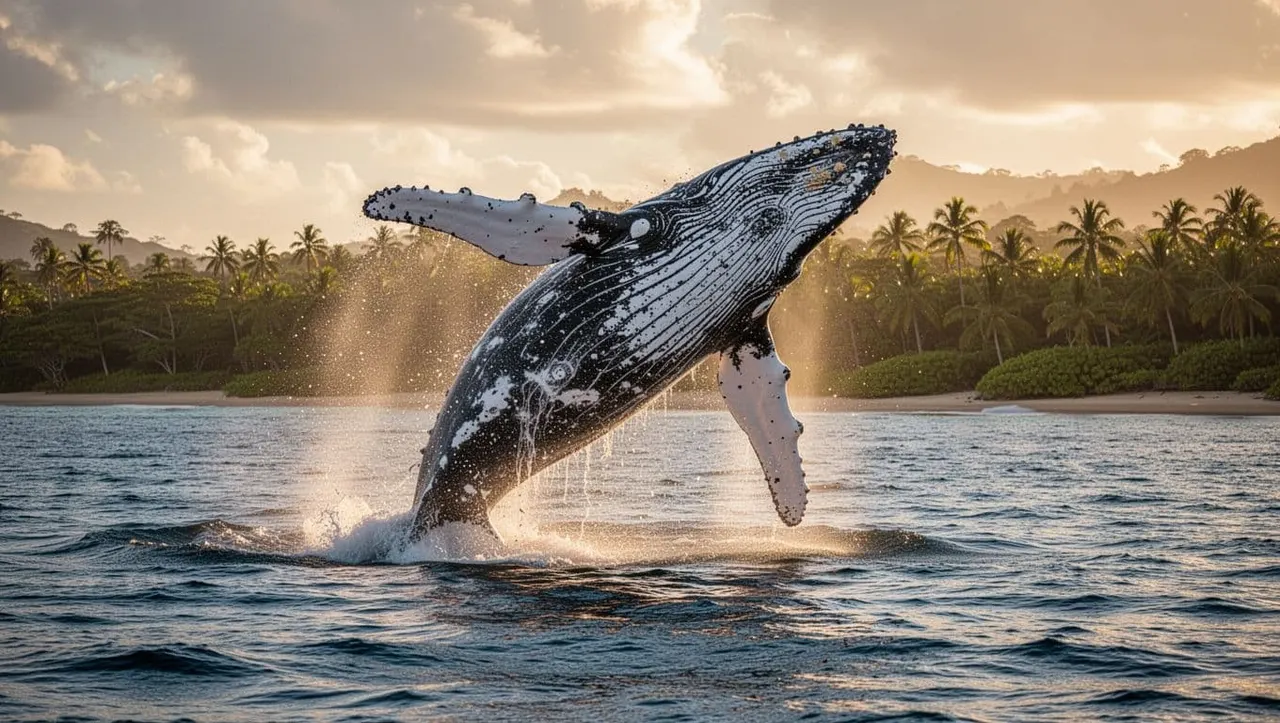
Humpback whales visit Hawaii to breed, give birth, and care for their calves. During a late-season trip, you could spot a single whale traveling across the surface or a pair moving together. Mothers and calves often stay close, although you should never assume that a distant sighting tells you exactly what the whales are doing.
The first sign is often a blow. Look for a brief white plume above the water, then watch the same area for a dark back or tail fluke. Breaches are dramatic, but they are less common than smaller behaviors such as rolling, tail slapping, or lifting the flukes before a deeper dive.
April also offers good conditions for watching seabirds and other marine life. Brown boobies, frigatebirds, and shearwaters may pass over the boat. Spinner dolphins can sometimes appear near Oahu, although sightings depend on location and the animals’ natural movements.
Your viewing position matters. Open decks give you a wider field of vision, while shaded seating helps you stay comfortable during a long period of scanning. Bring polarized sunglasses because glare can hide a blow, and keep your phone ready without watching the screen the entire time.
A quality crew also helps you understand what you’re seeing. Guides can point out a distant blow, explain whale behavior, and remind you when to keep your eyes on a different section of the horizon. You won’t need advanced wildlife knowledge, but patience makes a real difference.
How to Plan Oahu Whale Watching in April
Before booking, check whether the trip runs on your exact travel date. Seasonal schedules can change once whale activity begins to decline, and an April traveler shouldn’t assume that a winter tour continues through the entire month.
Choose a departure that gives you enough flexibility. If possible, schedule whale watching early in your Oahu stay instead of placing it on your final morning. That leaves room to reschedule if weather affects the trip or if you want to choose another ocean activity.
Morning departures can be a practical choice because wind and surface conditions may change during the day. Still, conditions vary, so follow the operator’s recommendation rather than choosing a time based on a general rule.
Pack light, practical gear:
- Polarized sunglasses and a hat can reduce glare.
- Reef-safe sunscreen helps protect your skin and the marine environment.
- A light layer is useful when the boat is moving.
- Closed-toe shoes with good traction are safer than smooth-soled sandals.
- Motion-sickness medicine works best when taken according to the product directions before departure.
If you’re traveling with children, explain that wildlife watching involves waiting and looking carefully. A child who expects nonstop breaches may lose interest quickly. Bring a small snack, point out seabirds, and let the crew guide your family toward other things happening around the boat.
You should also ask about accessibility, restroom facilities, shade, and boarding arrangements before booking. Living Ocean Tours operates from Kewalo Basin Boat Harbor, a short drive from Waikiki, on Coast Guard-inspected double-decker vessels with shaded seating, restrooms, dry storage, and sturdy ladders.
The company is also the only tour company with professional snorkel guides. That matters if your April plan includes more than whale watching, especially when you want knowledgeable support in the water.
Choose a Whale Trip That Fits Your April Dates
Living Ocean Tours combines whale watching with a comfortable Waikiki departure point and experienced local crew. Its vessels, the Coral Kai and Lokahi, provide open deck space for viewing, shaded areas when the sun is strong, and room to move when several passengers spot activity in different directions.
The Lokahi also includes a SeaKeeper stabilization system that reduces side-to-side rolling. That can make a difference for families, first-time boat passengers, and anyone concerned about seasickness. You should still follow medical advice and prepare properly if you know you’re sensitive to motion.
If an April whale departure is operating during your visit, review the Living Ocean Tours whale watching experience and confirm the date before reserving. You can also CHECK AVAILABILITY for current schedule information.
Living Ocean Tours also provides a review widget for guests who want to learn more about recent visitor experiences.
Keep Your April Ocean Day Flexible
When whale trips aren’t available, you can still build an excellent marine day around snorkeling and wildlife viewing. Living Ocean Tours offers guided Honolulu ocean tours, including trips along the Waikiki coastline.
The Turtle Canyon Snorkel Tour is a strong choice for families, couples, and first-time snorkelers. Turtle Canyons is known for Hawaiian green sea turtles, tropical fish, and reef habitat. The crew provides instruction and supervision, so you don’t need advanced swimming or snorkeling experience.
Living Ocean Tours reports a 95% success rate for spotting Hawaiian green sea turtles at a natural underwater cleaning station. Even so, turtles are wild animals. You should observe them without touching, feeding, blocking, or chasing them.
Read about the Turtle Canyon Snorkel Excursion, then CHECK AVAILABILITY if the schedule suits your group.
A snorkeling trip can also give you a better chance to be active in the water. The stabilized boat, shaded areas, onboard restrooms, and heavy-duty ladders help make the outing easier for mixed-ability groups.
Most importantly, keep your wildlife expectations realistic. April may bring a memorable whale sighting, but the ocean decides what appears. By choosing a flexible schedule and respecting every animal you encounter, you leave room for a rewarding day whether you watch a humpback breach or a green sea turtle glide over the reef.
Conclusion
Oahu whale watching in April is possible, but it belongs to the season’s final window. You may see humpbacks preparing for the northbound migration, yet sightings are less predictable than during the winter peak.
Check whether your preferred tour operates, prepare for changing conditions, and keep a snorkeling backup plan. With patient observation and responsible choices, your April ocean day can still deliver a memorable connection with Hawaii’s marine life.


