
Oahu Whale Watching: How Ocean Depth Shapes Sightings
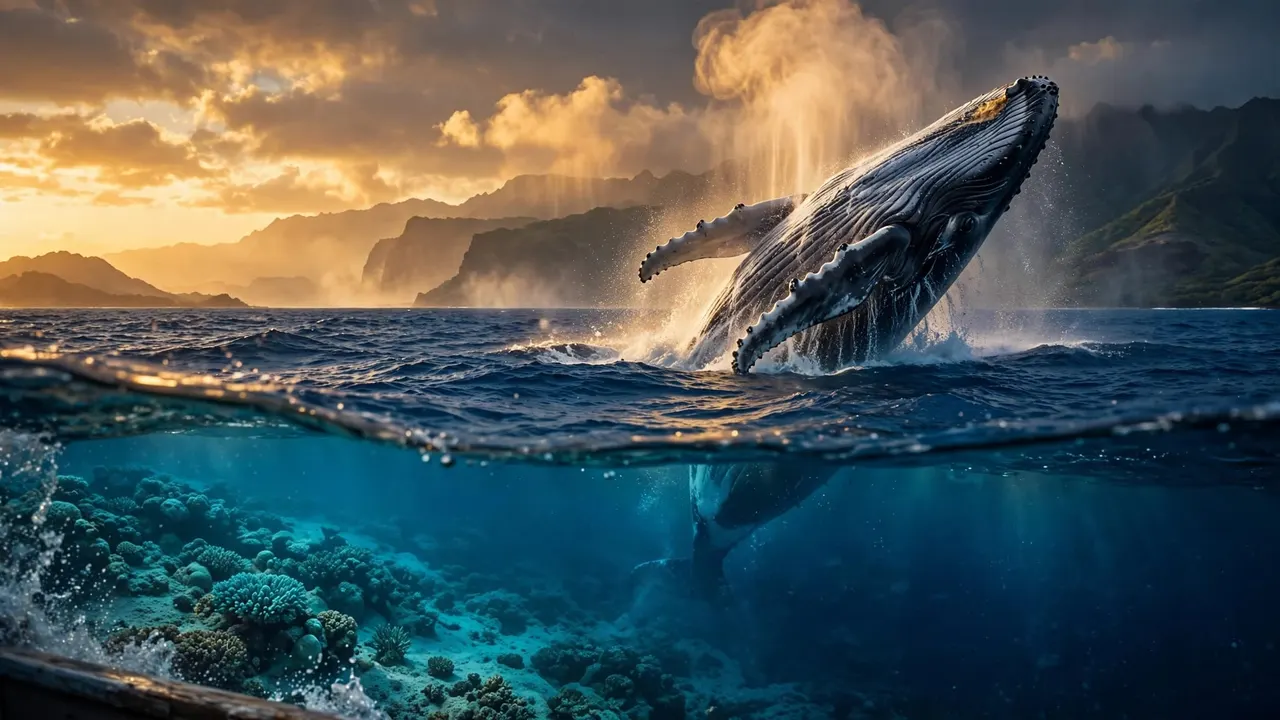
A humpback’s blow may hover above the horizon for only seconds, yet it can reveal an animal in the middle of a vast Pacific migration. Oahu whale watching gives you a chance to see whales that arrive in Hawaii’s winter waters to breed, give birth, and care for calves.
Ocean depth is part of the setting, but it doesn’t work like a map to guaranteed sightings. The best trip combines seasonal timing, open-water visibility, calm expectations, and a crew that gives whales space.
Oahu whale watching and ocean depth
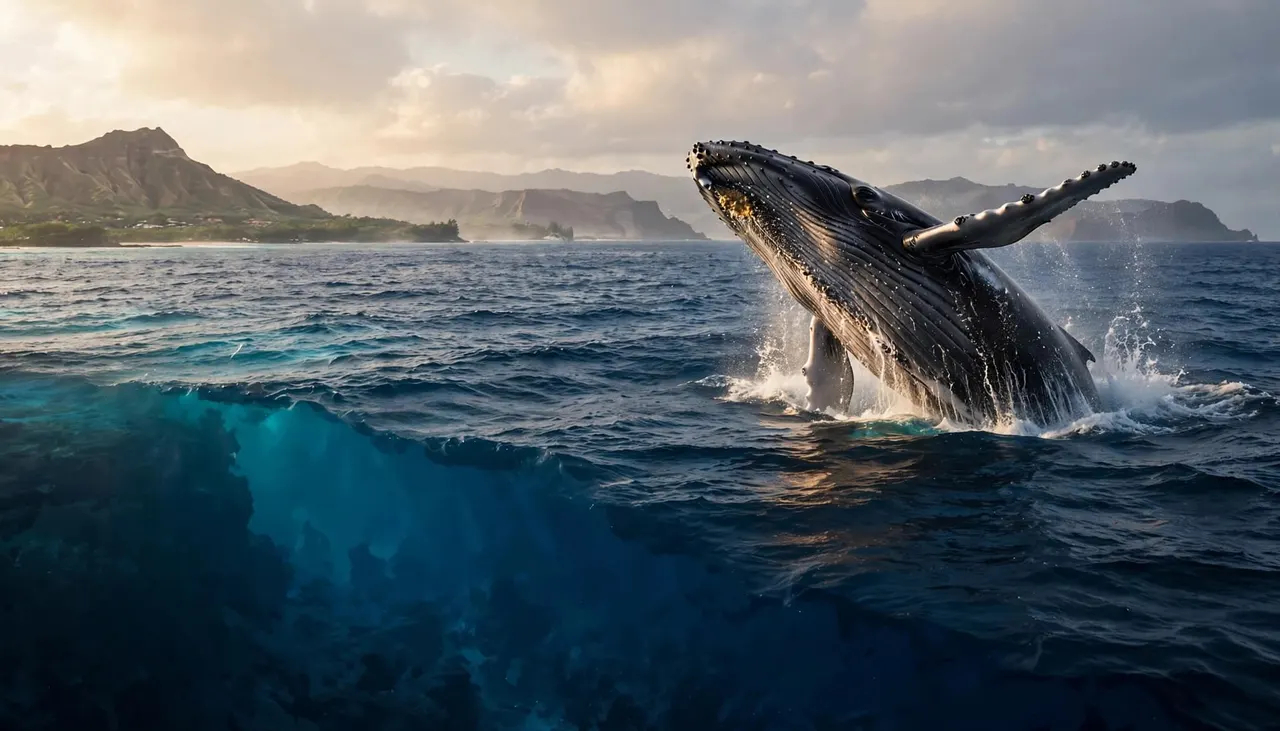
Oahu’s coastline moves from shallow reef areas to much deeper Pacific water over relatively short distances. That changing underwater terrain is one reason a boat can bring you into wide, open whale habitat without an all-day crossing.
Still, depth is only one piece of a living, moving environment. A humpback may travel past the south shore, linger with a calf, socialize, rest, or move between islands. The water can be deep and clear with no whale in sight, then a distant blow appears where nobody expected it.
Oahu’s seafloor changes quickly
A federal sanctuary planning document recognizes that Oahu includes deep-water whale habitat. That context matters because humpbacks aren’t limited to a shallow reef line when they pass offshore.
For you, the practical advantage is a broad field of view. Once a vessel reaches open water, you can scan a large stretch of horizon for a blow, rolling back, tail lift, or burst of whitewater from a breach.
Depth cannot predict the next sighting
There isn’t a documented depth number that makes a humpback appearance likely on every trip. A whale’s position changes with migration timing, breeding activity, calf care, currents, weather, and its own direction of travel.
Treat depth as part of the habitat, not a promise. Seasonal timing and patient horizon scanning matter far more than chasing one contour on a map.
Oahu whale watching is most rewarding when you leave room for the unexpected. A mother and calf moving steadily can be as meaningful as a full breach near the horizon.
Humpback season around Oahu
Humpbacks visit Hawaii during winter after spending warmer months in colder northern feeding areas. Hawaii is primarily a breeding and nursery destination, so the whales you see may be courting, traveling, nursing calves, or resting between surface periods.
The Hawaiian Islands Humpback Whale National Marine Sanctuary says visitors may see whales from shore and at sea from November through April. Those dates describe the broader opportunity around the islands, not a guaranteed daily pattern near Waikiki.
January through March is a strong planning window
Living Ocean Tours schedules seasonal whale-watch departures from January through March. Those months give visitors a practical window when whale activity near Oahu is often more consistent.
If seeing whales is high on your vacation list, book early in your stay. That leaves room to choose another departure if weather shifts or you want an extra day on the water.
Seasonal dates can differ by source
You may also see Hawaii’s whale season described as extending into May. A Hawai’i Volcanoes National Park seasonal post describes humpbacks breeding, giving birth, and raising young in Hawaii between November and May.
The difference reflects a broad seasonal range versus the best dates for a particular tour schedule. Whales don’t arrive or leave on one fixed day, and one individual may only spend a short time near Oahu.
Read the water, not only the horizon
A breach gets everyone’s attention, but many sightings begin with a faint puff of mist. A humpback’s exhale, called a blow, can be visible before you see its back, dorsal fin, or tail.
During Oahu whale watching, avoid staring at one patch of water. Let your eyes move slowly across the horizon, then return to places where you saw a blow or splash.
Watch for the small signs first
A dark back rolling through a swell may be the first clear sign. You may then see a fluke rise before a dive, a long pectoral fin flash pale against the water, or whitewater where a whale breached farther away.
Whales may surface several times in one area, but they can also change direction or remain below the surface longer than you expect. Keep your camera ready, but don’t view the entire trip through a screen.
Quiet whales still tell a story
A mother and calf traveling side by side may look calm compared with an adult repeatedly breaching. Yet that steady rhythm is a close view of why Hawaii’s winter habitat matters.
Research on Hawaii’s underwater humpback soundscape also shows that much whale activity happens beyond what you can see at the surface. The ocean may appear empty while an active soundscape continues below.
Conditions that improve your view
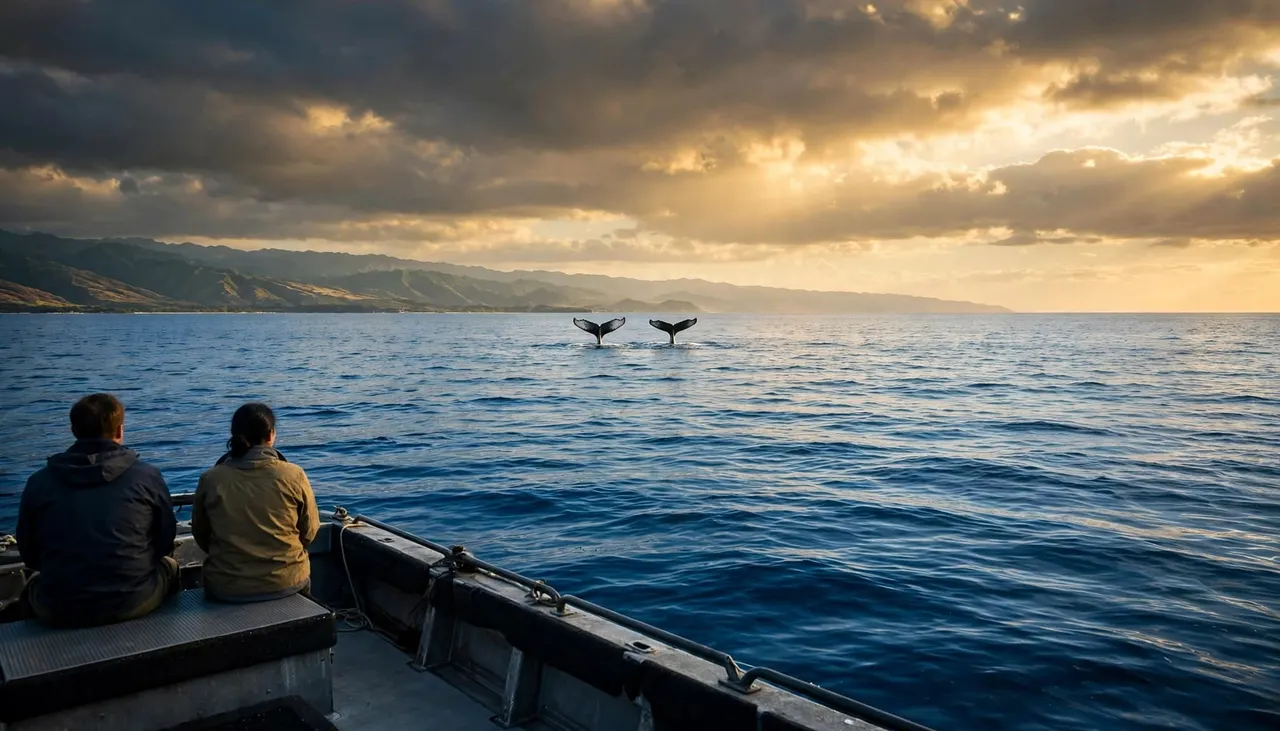
You can’t control wildlife behavior, but you can choose a trip that makes watching more comfortable. Open deck space, a clear sightline, manageable swell, and enough time to scan all help you stay engaged.
Oahu whale watching works best when you arrive ready for sun, wind, and the possibility of long quiet stretches between sightings.
Choose visibility over a depth claim
A boat with open viewing areas gives more guests a clean line of sight. Avoid clustering at one rail. Instead, settle into a spot where you can scan without looking through a crowd.
Clear skies and gentler seas can make a distant blow easier to spot. However, bright sun glare, wind chop, passing rain, and ocean swell can change what the crew sees from one hour to the next.
Dress for the ride, not the hotel lobby
Bring sunglasses, reef-safe sunscreen, a secure hat, and a light layer. The air often feels cooler after the boat leaves the harbor, even on a warm Honolulu day.
If you’re prone to motion sickness, eat a light meal before departure and talk with a pharmacist or doctor about suitable remedies before traveling. Once aboard, tell the crew early if you feel unwell. Fresh air and a steady seat can make the ride easier.
Whale watching from Waikiki with Living Ocean Tours
Living Ocean Tours is the top-rated and most-reviewed whale watching tour company on Oahu. Seasonal cruises depart from Kewalo Basin Boat Harbor, minutes from Waikiki, and travel offshore with views that can include Diamond Head and Honolulu’s coastline.
The company is also the only Oahu tour company with professional snorkel guides. That marine-experience background supports clear safety direction and respect for wildlife, even when your trip focuses on humpbacks rather than snorkeling.
Space, comfort, and a wide view
The Waikiki whale watching tour runs from January through March and heads about two miles offshore. The vessel carries up to 49 passengers and includes an open bow, wrap-around seating, shaded areas, and an onboard restroom.
The fleet includes Coast Guard-inspected, custom-built double-decker boats. The Lokahi also uses a SeaKeeper stabilization system to reduce boat roll, which can make horizon scanning more comfortable for families and first-time boat guests.
Let the whales control the encounter
A good crew doesn’t chase a whale for a closer photo. Captains and crew watch the horizon, position the vessel responsibly, and let the whales choose their own route.
You may see a distant breach, a tail slap, or a mother guiding her calf through a calm surface pattern. Every sighting is wild and unscripted, which is why each one feels personal.
You can view the seasonal tour dates and CHECK AVAILABILITY when your Waikiki plans are set.
Key takeaways for your trip
- Ocean depth shapes the habitat off Oahu, but it doesn’t predict where a humpback will surface on a given day.
- The broader Hawaii viewing period runs from November through April, while January through March is a strong window for scheduled Waikiki tours.
- A blow, rolling back, or tail lift may be the first sign of a whale, so scan patiently between dramatic moments.
- Comfortable seating, open sightlines, and realistic expectations can improve your Oahu whale watching experience.
- Respectful distance protects humpbacks and gives you a better chance to observe natural behavior.
Frequently asked questions about Oahu whale watching
Does deeper water mean more humpback sightings?
No. Deep water is part of Oahu’s offshore habitat, but no verified depth guarantees a sighting. Whales move according to their own migration timing, behavior, and daily travel patterns. A skilled crew can search open water responsibly, but the animals decide where and when they surface.
Can you guarantee a whale sighting?
No responsible operator can guarantee a humpback, a breach, or a mother-and-calf encounter. Weather, visibility, swell, and whale movement affect every trip. Booking during the seasonal window improves your opportunity, while patience keeps the experience enjoyable even on a quieter outing.
What should families bring on a whale-watch cruise?
Bring sun protection, sunglasses, a light layer, water if permitted, and a secure phone or camera strap. Children often enjoy the trip more when they know the crew may search for a while before the first sighting. Encourage them to watch for a blow, not only a breach.
Make space for the unexpected
Oahu whale watching becomes more memorable when you stop looking for a guaranteed spectacle and start noticing the details. A distant blow, a tail slipping below the surface, or a calf keeping pace with its mother can reveal a remarkable winter migration.
Ocean depth sets the stage, but patience brings the experience into focus.


