
Oahu Whale Watching: How Humpbacks Navigate Migration
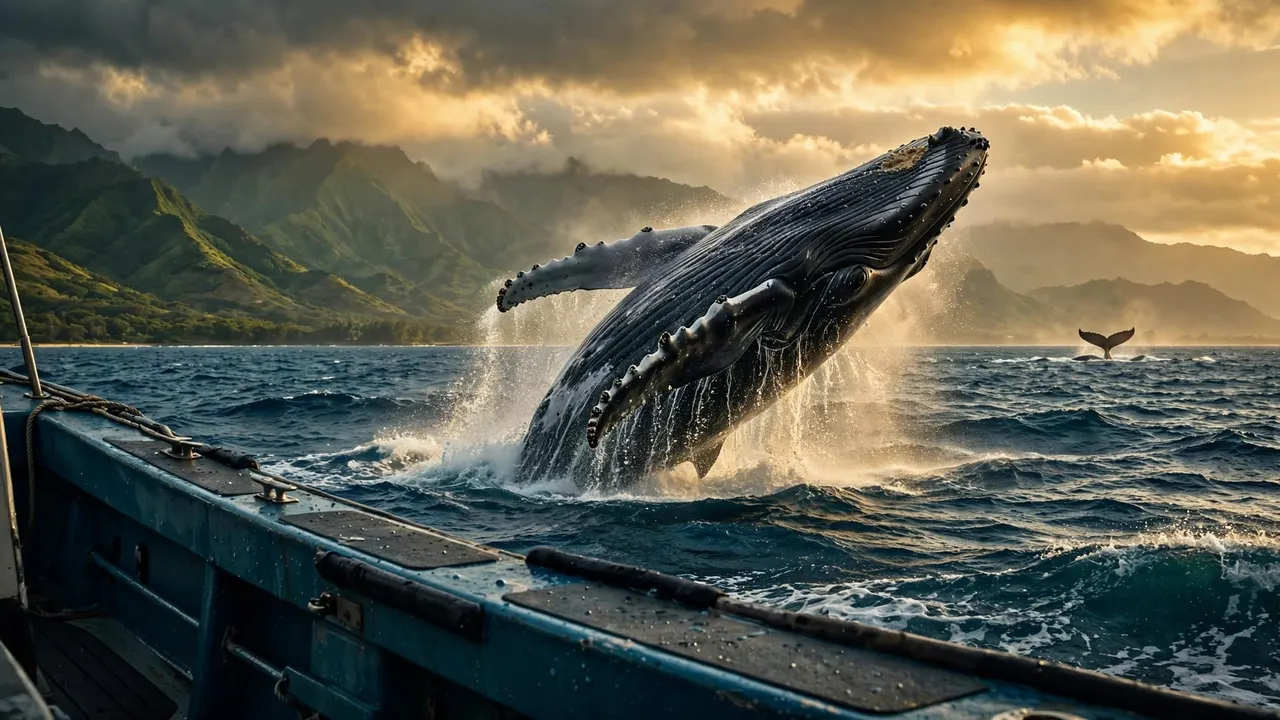
A humpback’s blow may rise above the horizon for only a few seconds, yet it can reveal a journey that spans thousands of miles. Oahu whale watching gives you a close look at animals that arrive in Hawaii after one of the Pacific’s most demanding seasonal migrations.
You won’t see a scheduled show. You may see a distant breach, a tail lift, or a mother and calf traveling in steady rhythm. That unpredictability is part of what makes a winter trip off Waikiki so memorable.
Why Humpbacks Travel to Hawaii Each Winter
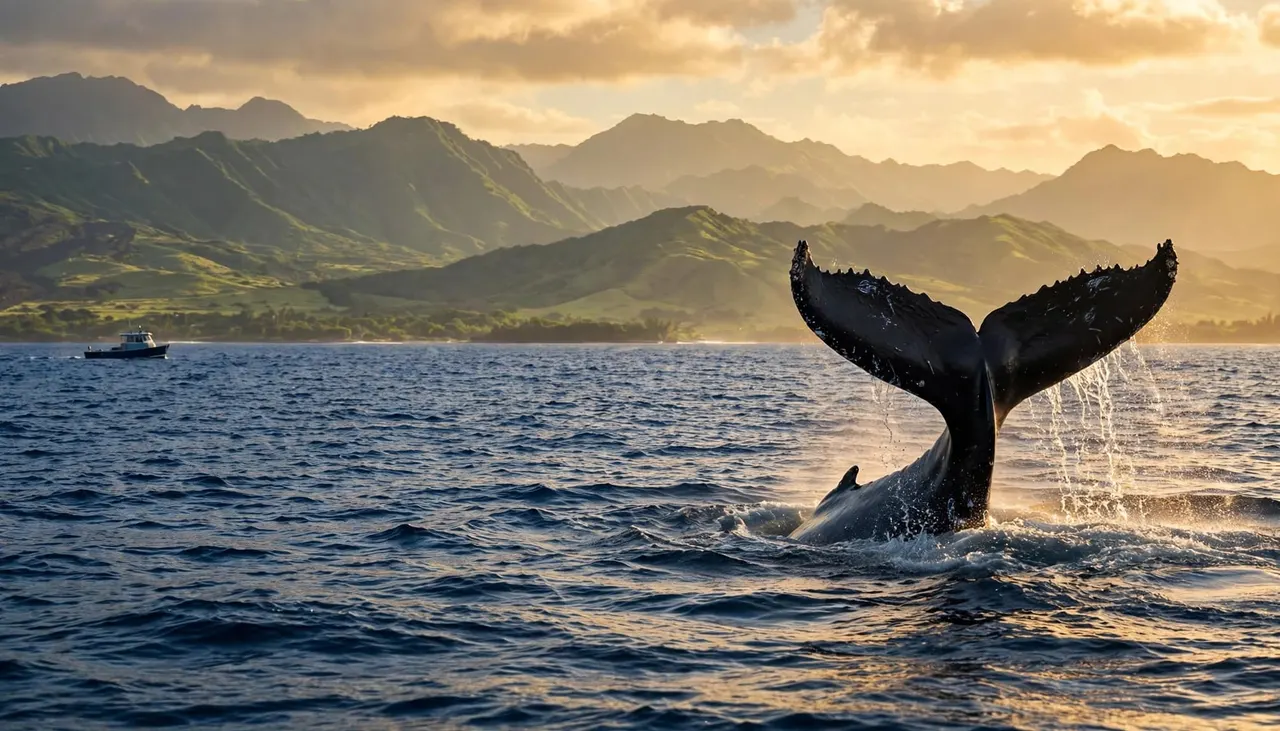
North Pacific humpbacks spend much of the warmer year in colder northern waters, where they feed heavily. During winter, thousands travel to Hawaii’s warm, shallow waters to mate, give birth, and care for calves, according to the Hawaiian Islands Humpback Whale National Marine Sanctuary.
Hawaii is a breeding and nursery area, not a major feeding destination. That changes how you should read what you see from the boat. A quiet mother and calf pair can tell a bigger story than the most dramatic breach.
Warm water helps newborn calves
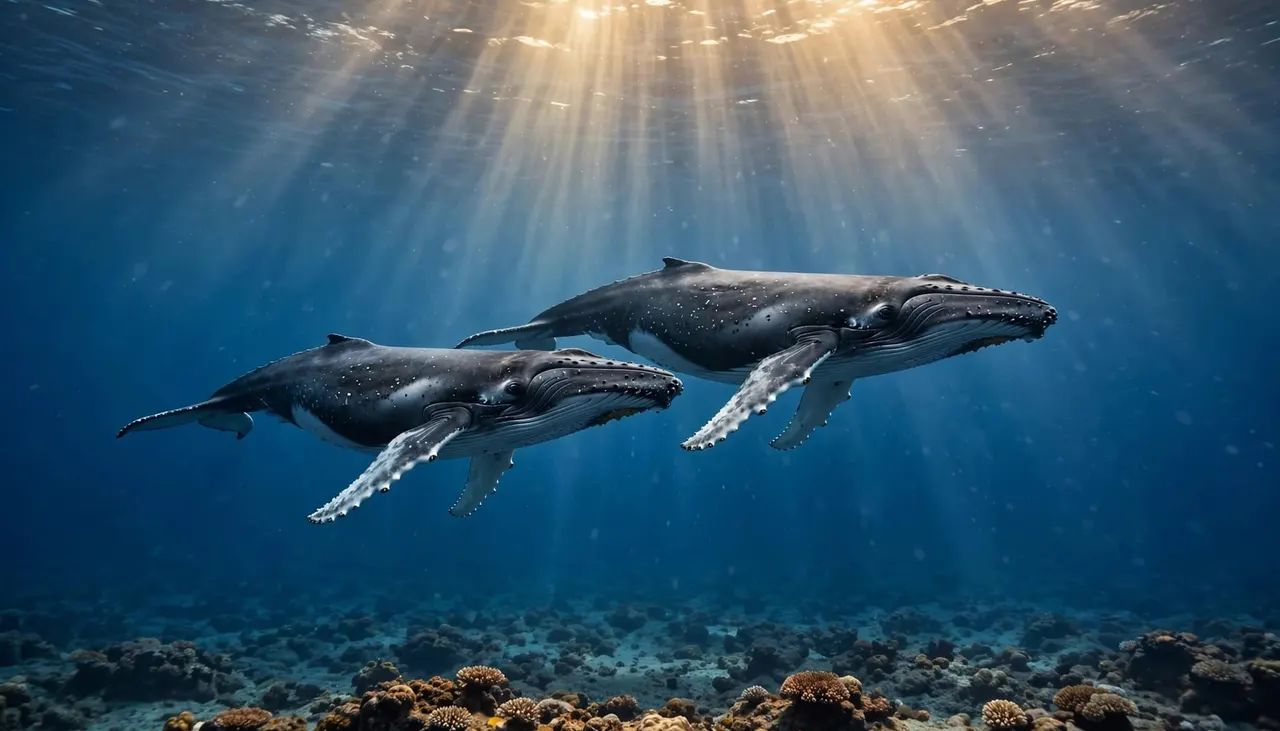
A newborn calf has limited body fat compared with an adult. Hawaii’s warmer water helps the calf conserve energy while it learns to swim, surface, and stay close to its mother.
You may notice that a calf surfaces more often than the much larger adult beside it. Each pair moves at its own pace, so a calf sighting is always possible during the season but never promised.
Breeding and parenting shape whale behavior
Adult males may travel alone or in groups near a female. Mothers, meanwhile, nurse and guide calves through their earliest weeks in the ocean.
That is why one outing may include active adults, while another brings only a few calm blows in the distance. The whales are here to follow their own breeding and parenting routines.
How Far Humpbacks Travel Before Reaching Oahu
Some humpback whales travel up to 5,000 miles between high-latitude feeding grounds and winter breeding areas. NOAA Fisheries outlines this remarkable distance in its humpback whale migration facts.
The trip demands substantial energy. Before heading south, humpbacks feed intensively in northern waters and build the fat reserves that support travel, courtship, nursing, and the return journey.
The 5,000-mile figure has an important limit
That number applies to some whales, not every animal you might see off Oahu. Individual routes and travel distances differ based on where a whale fed, when it departed, and where it spends winter among the islands.
A whale that surfaces near Waikiki today may move to another part of Hawaii tomorrow. Its time near Oahu is only one stretch of a wider migration.
Hawaii is part of a larger annual cycle
The southbound journey is not the end of the story. After winter breeding and calving activity, humpbacks return north to feeding areas.
When you spot a fluke slipping below the surface, you are seeing one moment in that yearly cycle. It is a rare view of a wild animal between long periods of travel and feeding.
Oahu Whale Watching and the Question of Navigation
Humpbacks cross huge distances without routes marked on the water. Scientists continue to study the information they use during open-ocean migrations, and no single navigation system fully explains every journey.
For you, the most accurate answer is simple: humpbacks reliably complete a seasonal movement between northern feeding areas and Hawaiian breeding waters, but the full process behind their direction-finding remains under study.
A single-cue explanation falls short
You may hear people credit the sun, stars, currents, memory, or Earth’s magnetic field. Any one of those explanations can sound convincing, yet it would be misleading to present one as the complete answer for every humpback.
Ocean conditions change. Whales also travel at different times, follow different paths, and move between islands once they arrive. Their success likely depends on more than one form of environmental information.
Their behavior does not follow a fixed route
A humpback doesn’t travel in a straight line toward a boat or surface on a predictable timer. It may rest, travel, socialize, nurse a calf, or remain underwater for long periods.
That is why respectful crews watch patiently instead of chasing a sighting. Oahu whale watching feels more rewarding when you let the whales set the pace.
The Best Time for Whale Watching Near Waikiki
Humpbacks can appear around Hawaii beyond the busiest months, but January through March is the strongest planning window. NOAA identifies January through March as Hawaii’s peak whale-watching period.
If whale sightings are a high priority, schedule your cruise early in your vacation. That gives you more flexibility if weather changes plans or you want another day on the water.
January brings the season into focus
By January, winter whale activity is more established around the Hawaiian Islands. You may see blows, rolling backs, tail slaps, or distant whitewater from a breach.
Early-season conditions can still be excellent, although no date creates a guaranteed encounter. Wild animals decide when and where they surface.
February and March are strong choices
February and March often give you the best balance of seasonal activity and vacation planning. Hawaii is the only U.S. state where humpbacks come to breed, mate, and give birth, as explained in this NOAA account of Hawaii’s humpback season.
Book for the season, then keep your expectations open. A few distant blows can be just as meaningful as a close, active whale.
Read the Water Before You See the Whale
During Oahu whale watching, your first clue is often a blow, the misty exhale that hangs briefly above the water. Once you spot one, watch the same patch of ocean for a dark back, a tail fluke, or a flash of a long pectoral fin.
A whale can disappear for several minutes between breaths. Keep scanning calmly instead of staring at one point, especially when the water has small swells.
Look for natural surface behaviors
A breach sends the whale’s body out of the water before it lands with a powerful splash. Tail slaps, pectoral-fin waves, and spyhops can also catch your eye.
These behaviors are exciting, but they aren’t promises. A quieter sighting, such as a mother and calf surfacing together, often becomes the moment you remember most.
Give humpbacks room to choose their path
Federal rules require vessels in Hawaii to stay at least 100 yards from humpback whales. That distance protects mothers, calves, and traveling adults from unnecessary pressure.
You should never try to swim toward, touch, feed, or chase a humpback. The best wildlife encounter leaves the animal free to dive, travel, and nurse without interruption.
A whale sighting is not a performance. Patience gives you a better chance to notice the small, natural moments between the splashes.
Plan Your Trip With Living Ocean Tours
Living Ocean Tours operates seasonal whale cruises from Kewalo Basin Boat Harbor, minutes from Waikiki. Its Coast Guard-inspected double-decker vessels give you open viewing areas, shaded seating, onboard restrooms, dry storage, and a comfortable place to scan the horizon.
The company is the only tour company with professional snorkel guides. That same guest-focused approach carries into wildlife outings, where the crew helps you stay comfortable while giving humpbacks the space they need.
Choose comfort for the horizon scan
The Lokahi includes a SeaKeeper stabilization system that reduces boat roll. It cannot remove all ocean motion, but it can make a 1.5-hour horizon search more comfortable.
Bring sun protection, a light layer, and a secure strap for your phone. If motion sickness affects you, eat a light meal before departure and speak with a pharmacist or doctor about suitable remedies.
Book the seasonal cruise responsibly
Oahu whale watching with Living Ocean Tours welcomes guests ages 3 and up and heads along the Waikiki coastline, where you may have Diamond Head in view. Browse seasonal whale tours from Honolulu when you are choosing dates.
You can also reserve your winter cruise through CHECK AVAILABILITY.
Key Takeaways for Your Oahu Whale Watch
- Oahu whale watching is strongest from January through March, when humpbacks are most consistently present around Hawaii.
- Humpbacks migrate to Hawaii primarily to breed, give birth, and care for calves.
- Some animals travel as far as 5,000 miles between feeding and breeding grounds.
- You may see a breach, tail slap, blow, or mother-calf pair, but no ethical operator can promise a particular behavior.
- Respectful distance protects whales and gives you a more natural experience on the water.
Frequently Asked Questions
Can a whale-watching tour guarantee humpback sightings?
No. A captain can take you into appropriate winter habitat and search carefully, but whales choose their own routes and surface schedules. Weather, visibility, and daily whale movement also affect each departure.
Can you swim with humpback whales in Hawaii?
No. You should never approach or attempt to interact with humpbacks in the water. This is especially important around mothers and calves, which need room to travel and rest without disturbance.
What should you bring on an Oahu whale watching cruise?
Bring reef-safe sunscreen, sunglasses with a strap, a light layer, water, and a secured phone or camera. Wear shoes that are easy to move in, then listen to crew guidance as you board and move around the vessel.
A Winter Journey Worth Watching
Oahu whale watching is more than a search for a breach. You are watching a migrating animal use Hawaii’s warm waters for one of the most important parts of its yearly life cycle.
Bring patience, choose the January-through-March window, and let every blow or tail lift unfold on the whales’ terms. Respectful viewing gives you a better experience while protecting the animals that make the season unforgettable.


