
Oahu whale watching: How Humpbacks Control Body Temperature
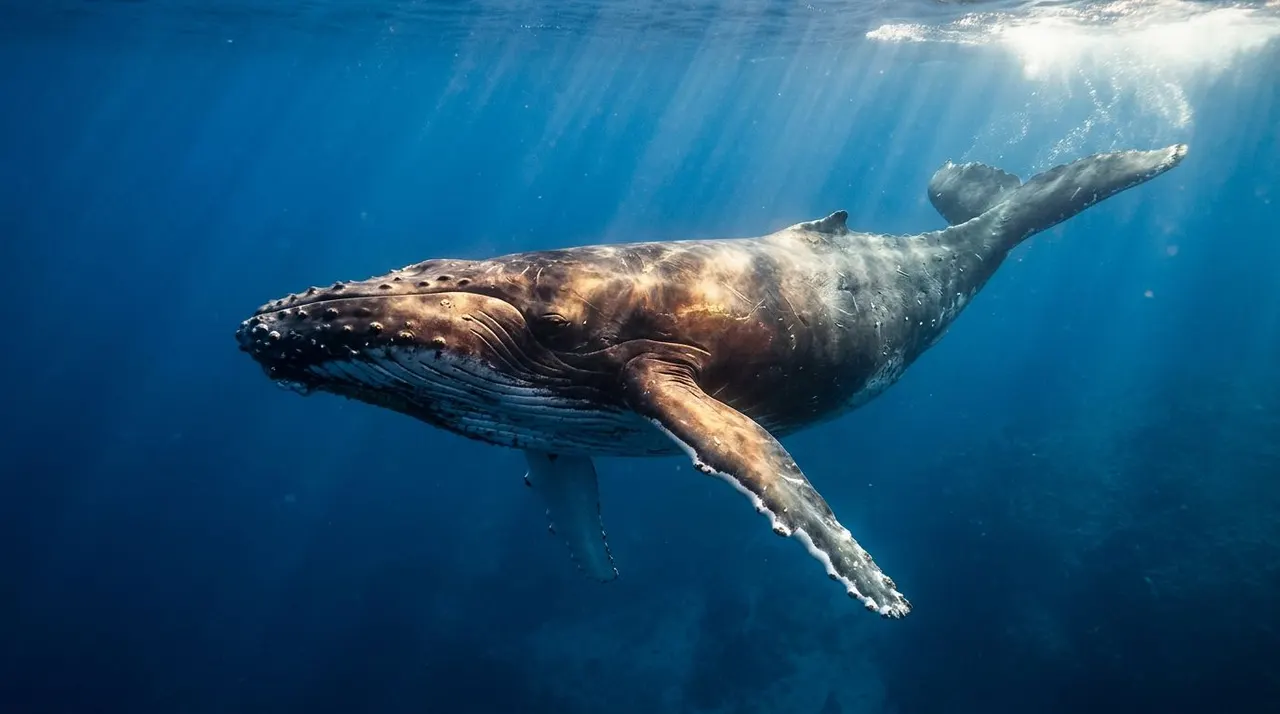
A humpback whale can weigh more than 30 tons, yet it spends part of the year in warm Hawaiian waters. During Oahu whale watching, you may see the result of a finely tuned system that helps the whale hold onto body heat, release excess heat, and protect its core while swimming.
Humpbacks migrate to Hawaii to breed, calve, and nurse. Their bodies must handle cold feeding grounds, warm tropical seas, long dives, and powerful bursts of movement. The details become easier to understand when you look at their blubber, fins, flukes, and blood flow.
Why Humpbacks Need a Specialized Heat System
Whales are mammals, so they maintain a stable internal body temperature. Water also conducts heat much faster than air, which creates a constant challenge for any marine mammal. A humpback needs insulation, but it also needs a way to release heat when the surrounding water is warm.
Blubber protects the whale’s core
Blubber forms a thick layer beneath the skin across much of a humpback’s torso. It contains fat, connective tissue, and blood vessels. Together, these features reduce heat loss across the whale’s largest surface area.
Blubber also provides stored energy. Humpbacks often feed heavily in cold, productive waters before migrating to Hawaii, where adults may spend months breeding and nursing without feeding regularly. That energy reserve supports body function while the whale relies on its insulation.
However, blubber doesn’t act like a sealed winter coat. Blood flow can change how much heat reaches the skin. This gives the whale more control than insulation alone could provide.
Fins and flukes act as thermal windows
A humpback’s pectoral fins and tail flukes have less insulation than its main body. They contain extensive blood vessels, so they can help conserve heat or release it when needed.
When the whale needs to limit heat loss, blood vessels can reduce the amount of warm blood reaching the surface. Countercurrent heat exchange transfers warmth from outgoing blood to cooler blood returning toward the body.
When the whale needs to shed heat, increased blood flow can carry warmth toward the fins and flukes. A marine mammal radiator study examines how thinly insulated appendages can help animals manage heat.
How Humpbacks Control Body Temperature
The main system combines insulation, circulation, body size, and activity. You won’t see these mechanisms directly from a boat, but each one affects how a whale behaves in the water.
Blood flow controls heat loss
The whale’s circulatory system can direct blood deeper into the body or closer to the skin. Deeper circulation helps preserve core warmth. Surface circulation allows more heat to escape through the fins, flukes, and skin.
This adjustment matters in Hawaii. The water is warm compared with the feeding grounds where many North Pacific humpbacks spend summer. A whale still needs blubber, yet it can’t allow every part of its body to release heat at the same rate.
The fins and flukes provide useful release points because they have a large surface area compared with their insulation. Their blood vessels can function as heat exchangers, helping protect the core during cooler conditions and release heat during warmer periods.
Size and movement affect the thermal load
Large whales benefit from a lower surface-area-to-volume ratio. A massive body holds heat more effectively than a smaller one because less surface area is exposed for each unit of body volume.
Movement changes the equation. Strong swimming and breaching require powerful muscle contractions, which produce metabolic heat. Research in the Journal of Experimental Biology examines how body size, condition, and water temperature influence heat balance in baleen whales, including animals using warm calving waters. You can read the Journal of Experimental Biology research for a closer look at that relationship.
A humpback therefore manages temperature through several connected systems rather than one single feature. Blubber slows heat loss, while circulation and specialized appendages help adjust the balance.
Why Hawaii Is Important to Humpbacks
Hawaii offers warm, shallow water that supports humpback breeding and calf development. The islands also provide a protected setting compared with the colder feeding grounds where whales spend much of the year.
Warm water supports breeding and calves
Humpbacks don’t come to Hawaii because they need to feed. They arrive to mate, give birth, and care for calves. Newborn calves have less body mass and less insulation than adults, so warm tropical water reduces the cost of maintaining body temperature.
A mother also spends energy nursing and swimming beside her calf. The calf must surface frequently for air and gradually develop the strength needed for longer dives. Warm conditions make this early stage more manageable.
Around the main Hawaiian Islands, humpbacks often gather in waters less than 600 feet deep. Those conditions bring whales within viewing range along coastlines such as Oahu’s south shore.
Plan Oahu whale watching during peak months
NOAA describes the general Hawaiian humpback season as November through May. Abundance usually peaks between January and March, which is also when Living Ocean Tours operates its seasonal whale-watching trips.
You can review the NOAA boating guide for seasonal information and approach rules before your trip. February and March often offer strong opportunities, but whales are wild animals, so sightings and behaviors can change from one outing to the next.
What You Can Notice on the Water
A whale-watching trip gives you more than a chance to spot a breach. With a little attention, you can connect visible behaviors to the animal’s anatomy and physical needs.
Blows, breaches, and pectoral fins reveal different behaviors
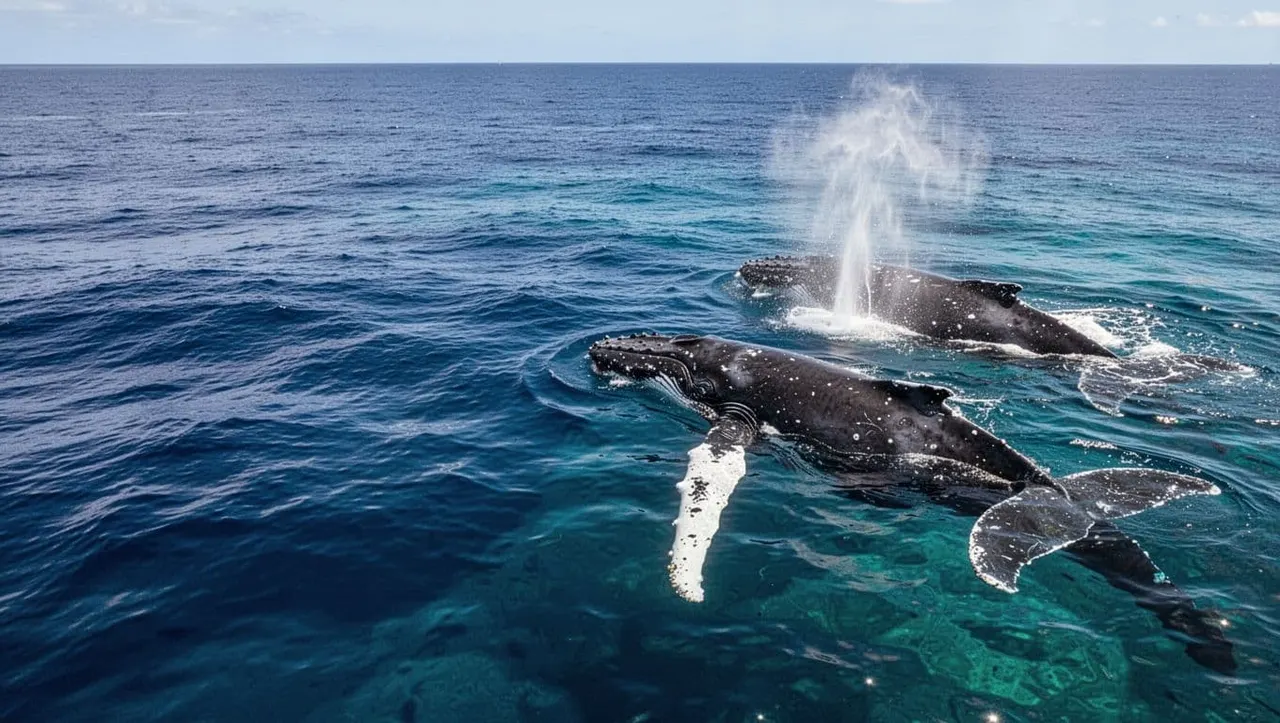
A blow is the warm, moist air released when a whale exhales at the surface. After breathing, the humpback may arch its back and dive, showing its dorsal surface before the tail disappears.
Pectoral fins may appear during rolling, turning, social activity, or surface movement. Their broad shape helps the whale steer, but the fins also provide important areas for heat exchange.
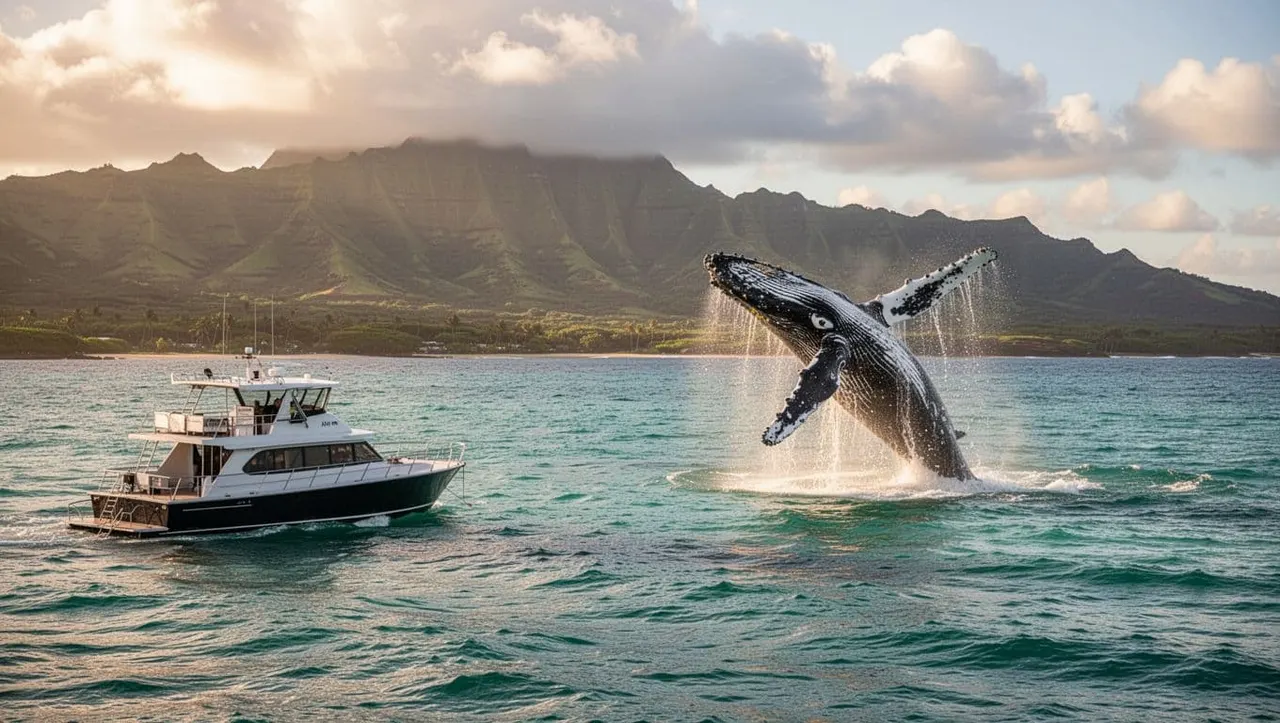
Breaching requires major effort. When a humpback launches part of its body out of the water, it produces a powerful burst of muscular activity. You may see the animal breach once, several times, or not at all. Quiet surface resting is also normal and can offer a clear view of the blow, back, and fin.
Safe distance protects natural behavior
Hawaii’s rules prohibit approaching a humpback whale within 100 yards by sea or other means. Aircraft must remain at least 1,000 feet away. Boats also must avoid intercepting whales or disrupting their normal behavior.
A whale can appear closer than it is because of its size. Your captain should maintain a respectful distance and allow the whale to decide how it moves through the area. NOAA’s humpback whale guidance explains the basic protections that apply in Hawaiian waters.
Never enter the water to approach a humpback. Keep your voice low, follow crew instructions, and let the animal surface on its own terms.
A Comfortable Way to Experience Oahu Whale Watching
Your viewing platform affects how much you enjoy the trip. A stable boat, open sightlines, shade, and an experienced crew give you more time to watch the ocean instead of worrying about comfort.
Living Ocean Tours combines viewing space with stability
Living Ocean Tours departs from Kewalo Basin Boat Harbor, a short drive from Waikiki Beach. The company operates Coast Guard-inspected, custom-built double-decker vessels named the Coral Kai and the Lokahi.
The Coral Kai has generous open-deck space for scanning the horizon. The Lokahi includes a SeaKeeper stabilization system, shaded seating, restrooms, dry storage, and sturdy ladders for safe boarding and water access. These features help families, couples, and first-time ocean guests enjoy the ride with less movement underfoot.
Living Ocean Tours is the only tour company with professional snorkel guides. That guide-first approach also supports clear safety instructions and respectful wildlife viewing on seasonal whale trips. You can browse the company’s Oahu boat tours from Waikiki to see available ocean experiences.
Choose a trip that respects the animals
Living Ocean Tours offers seasonal whale watching along the Waikiki coast during the main winter viewing period. The crew can help you understand what you see while keeping the boat at a lawful, respectful distance.
If you want to reserve a whale-watching departure, you can CHECK AVAILABILITY. Bring sun protection, a light layer, water, and a camera with enough storage for the moment a tail or blow appears.
See the Science Behind the Sighting
During Oahu whale watching, every blow, fin movement, and dive offers a glimpse into humpback biology. Blubber protects the body, blood flow adjusts heat loss, and the flukes and pectoral fins help manage temperature at the surface.
Hawaii’s warm waters give mothers and calves a suitable winter home, while responsible boat practices protect the behavior that makes each encounter special. When you choose a guided trip with a stable viewing platform and a knowledgeable crew, you can enjoy the sight without asking the whale to change its course.


