
Oahu Whale Watching: Where Humpbacks Go Next
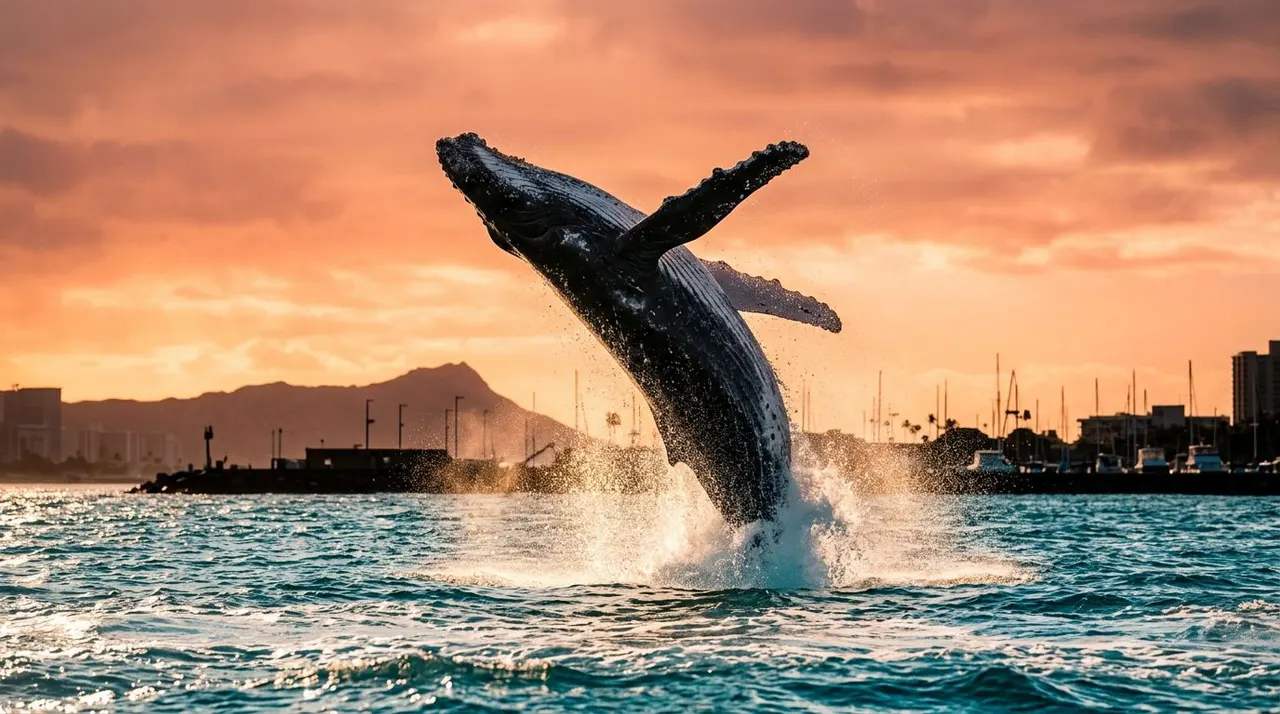
Living Ocean Tours departs from Kewalo Basin Boat Harbor, a short drive from Waikiki, for seasonal whale watching trips along Oahu’s south shore. When you watch a humpback rise from the Pacific, you may wonder where it goes after Hawaii and why these whales make such a long journey each year.
The answer leads thousands of miles north to cold, food-rich waters. Understanding that migration helps you appreciate each sighting as part of a much larger story.
Key Takeaways
- Most humpbacks leave Hawaii for feeding grounds in Alaska and other parts of the North Pacific.
- Hawaii is a winter breeding and nursery area, not a primary feeding destination.
- The best Oahu whale watching months usually fall between January and March.
- You can see breaches, tail slaps, spyhops, and mother-calf behavior from a respectful distance.
- Responsible boat operators follow wildlife rules and never pressure whales for a closer encounter.
Why Humpback Whales Come to Hawaii
Humpback whales visit Hawaii during the northern hemisphere’s winter. The warm, protected waters around the islands give them a safe place to mate, give birth, and care for newborn calves.
Hawaii offers a very different environment from the whales’ summer feeding grounds. The tropical ocean has less of the krill and small schooling fish that humpbacks eat in colder northern waters. Instead, adult whales rely on energy stored in their thick blubber.
A pregnant female may spend months in Hawaiian waters before giving birth. Her calf arrives without the thick fat reserves needed for a long migration, so the warm water helps the young whale conserve energy. The calf nurses on its mother’s rich milk and gradually builds strength for the trip north.
During your Oahu whale watching tour, you may see a mother and calf traveling side by side. The calf might surface more often, practice lifting its tail, or copy the movements of larger whales nearby. These early lessons help the young whale develop the stamina and coordination required for open-ocean travel.
Humpbacks don’t all arrive or leave on the same day. Some begin heading north earlier, while mothers with young calves may remain in Hawaii longer. By late spring, most of the population has started its journey toward cooler waters.
Hawaii is the winter nursery. The North Pacific is where many humpbacks spend summer feeding and rebuilding their energy.
Where Humpbacks Go After Hawaii
Most humpbacks that visit Hawaii belong to the North Pacific population. After the breeding season, many travel roughly 3,000 miles north to feeding grounds near Alaska. Others use waters near British Columbia, the Pacific Northwest, or parts of the western North Pacific.
The destination depends on the whale. Humpbacks return to familiar feeding areas, and some show strong loyalty to the same regions year after year. Researchers identify individuals by the unique patterns on their tail flukes, along with scars and other markings.
Alaska offers the cold, productive waters these whales need. Seasonal blooms support krill, herring, sand lance, and other prey. Once the whales arrive, they spend the summer feeding and restoring the fat reserves used during migration.
Their route isn’t a straight highway across the ocean. Currents, weather, food availability, age, and reproductive condition can affect the timing and path. A whale may travel along a broad corridor rather than follow one fixed line.
You won’t see the entire migration from an Oahu tour boat, but you can witness the part that begins it. A whale surfacing near Waikiki may later appear in northern waters, feeding near Alaska several weeks after leaving Hawaii.
Some whales return to Hawaii year after year. That pattern gives scientists valuable information about movement, health, and population size. It also makes a familiar whale more than a passing sighting. Its tail pattern can connect observations made in different parts of the Pacific.
When to Go Whale Watching on Oahu
Humpbacks generally begin arriving in Hawaii in late fall. Sightings can continue into spring, although the busiest part of the season usually runs from January through March.
Living Ocean Tours operates seasonal humpback whale watching trips during this core period. You can learn more about the company’s seasonal whale watching tour before choosing a date.
January often brings active adults, including whales involved in courtship behavior. February and March can offer strong opportunities to see mothers with calves, although wildlife sightings always depend on the animals and ocean conditions.
You may see a whale surface once and disappear for several minutes. Another may remain in the area, giving you repeated views of its blow, back, or tail. Breaches are spectacular, but they happen without warning and aren’t guaranteed on any trip.
Common behaviors include:
- Breaching, when a whale launches part or most of its body above the surface.
- Pec slapping, when the whale raises a long pectoral fin and brings it down on the water.
- Tail slapping, when the flukes strike the surface with a loud splash.
- Spyhopping, when the whale lifts its head vertically to look above the water.
- Traveling, when a whale moves steadily along the surface with a predictable rhythm.
Morning and afternoon trips can both produce sightings. The captain may adjust the route based on recent whale activity, wind, current, and sea conditions. You should bring sunscreen, a hat, water, and a light layer for the boat ride. If you are sensitive to motion, eat lightly beforehand and ask your doctor about suitable motion-sickness options.
What Oahu Whale Watching Is Like With Living Ocean Tours
Living Ocean Tours combines wildlife viewing with the comfort of Coast Guard-inspected, custom-built double-decker boats. The company departs from Kewalo Basin Boat Harbor, so you can reach the marina easily from Waikiki and central Honolulu.
The fleet includes the Coral Kai and the Lokahi. Both boats have shaded seating, restrooms, dry storage, and sturdy ladders. The Lokahi also features a SeaKeeper stabilization system that reduces side-to-side rolling, which can make a major difference when you spend time on open water.
The crew provides guidance throughout the trip, including reminders about whale behavior and safe viewing distances. You won’t need prior boating or wildlife-watching experience. You only need to arrive ready to watch patiently and keep your attention on the water.
Living Ocean Tours is also the only tour company with professional snorkel guides. That knowledge supports the company’s wider focus on marine life, safety, and respectful ocean experiences, even when your chosen trip centers on whales rather than snorkeling.
No responsible operator can promise a breach or guarantee that a whale will swim close to the boat. Federal protections require vessels to stay at least 100 yards from humpback whales, and boats should never chase, surround, or separate a mother from her calf.
The distance may feel large at first, but a 40-foot humpback can still look enormous from the deck. Binoculars can help you follow activity farther away, while your captain’s experience helps you spot blows and surface patterns.
What Happens When They Reach the North Pacific
After leaving Hawaii, humpbacks shift their attention from reproduction to feeding. Their bodies need to replace the energy used during migration, mating, pregnancy, nursing, and the long period when they eat little in tropical waters.
In Alaska and other northern feeding areas, whales may use several hunting methods. Some lunge through dense groups of fish. Others work together to trap prey with bubbles, creating a rising curtain that concentrates fish near the surface.
A whale’s summer diet can include krill and small fish, depending on the region. Humpbacks may spend weeks feeding before beginning the return trip south. The timing varies with food supplies and the whale’s condition.
Calves face an especially demanding schedule. They must keep pace with their mothers, learn efficient swimming, and build the strength required for long-distance travel. The mother provides protection and milk while the calf learns through repeated movement and observation.
By the next winter, many of these whales will return to Hawaii. Some adults may arrive with a new calf. Others may return to mate again. The cycle connects warm Hawaiian waters with distant northern feeding grounds across the Pacific.
How to Watch Humpbacks Responsibly
Your behavior on the boat affects the quality of the encounter. Keep voices low when whales surface nearby, follow every crew instruction, and avoid sudden movements that could distract other guests from the sighting.
Never throw food into the water or attempt to attract a whale. Feeding changes natural behavior and can place animals at risk. You should also avoid touching marine wildlife, even if a sea turtle or other animal appears close during a separate ocean activity.
The same principle applies to photography. Use a camera with a zoom lens rather than asking a captain to approach an animal. Put the camera down occasionally so you can watch the full scene instead of focusing only on a screen.
Hawaii’s marine life is protected by local and federal laws. Boats must give humpbacks room, and people must never enter the water to swim with them. These rules protect whales from stress while keeping you safe in changing ocean conditions.
A respectful sighting may last only a few seconds. That doesn’t make it less meaningful. You are witnessing a wild animal following an ancient seasonal route, not watching a performance on demand.
Conclusion
Humpback whales leave Hawaii for cold northern feeding grounds, with many traveling to Alaska after spending winter breeding and raising calves around the islands. The whales return to Hawaii because the warm water supports reproduction, while the North Pacific provides the food they need to regain energy.
When you choose Oahu whale watching during the January-to-March season, look for the whole story in each surface blow and tail slap. The whale near your boat may soon cross thousands of miles of ocean before returning to the same Hawaiian waters next winter.


