
Oahu Water Shoes vs Bare Feet for Shore Entries
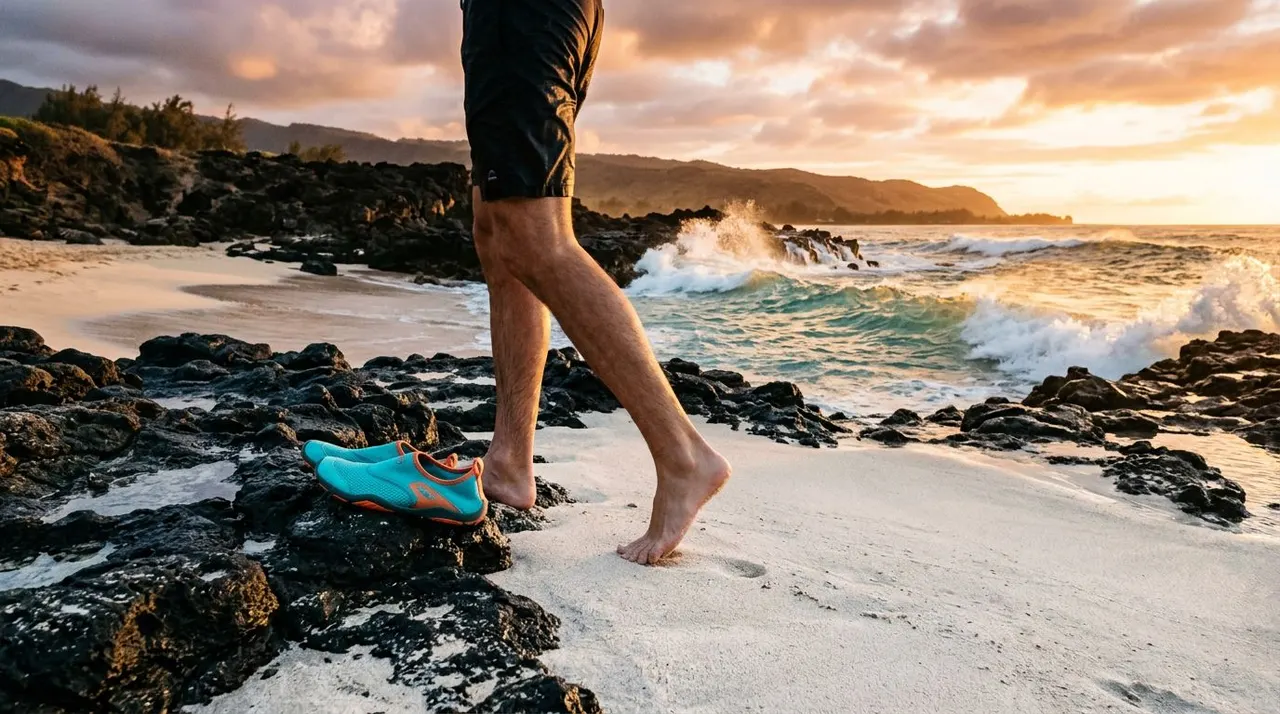
The wrong footwear can turn a simple snorkel into a slow, awkward shuffle. On Oahu, the shoreline changes fast, one entry gives you soft sand, another gives you slick rock, sharp shell bits, or a hot walk to the water.
That is why Oahu water shoes help in some places and feel pointless in others. Your choice should match the entry, not the postcard version of the beach.
Key Takeaways
- Water shoes help most when you cross rock, coral rubble, or slippery algae.
- Bare feet can feel better on short, clean, sandy entries.
- Fit matters, because loose shoes are clumsy and can slip on wet ground.
- Some fins work better with bare feet, so check your gear before you decide.
- A guided boat trip changes the question, because deck grip and ladder use matter more than a long shore walk.
What Makes Oahu Shore Entries Hard on Your Feet
A shoreline entry looks easy from far away. Up close, it can be a different story. You may step over hot sand, uneven lava rock, loose pebbles, or a patch of reef that gets slick with the tide.
That first stretch matters most. If you feel unsure before you even reach deeper water, you are already losing comfort and balance. A few steps across rough ground can turn the start of your snorkel into a careful tiptoe.
A beach can look calm and still punish your feet at the waterline.
That is the real test on Oahu. Some spots let you walk in like you’re heading to a pool. Others ask you to cross a natural obstacle course. The more uneven the entry, the more useful a protective sole becomes.
Oahu Water Shoes vs Bare Feet, Side by Side
A quick comparison makes the choice easier.
| Factor | Water Shoes | Bare Feet |
|---|---|---|
| Traction on wet rock | Better grip and more confidence | More likely to slide |
| Protection from cuts | Shields against sharp shells and rough stone | No barrier |
| Feeling the bottom | Slightly less natural | Very natural |
| Heat on sand or pavement | Protects against hot surfaces | Can get uncomfortable fast |
| Ease with some fins | Can be tricky with certain fin styles | Often simpler |
The table points to a simple rule. If the entry is rough, you want protection and grip. If the entry is smooth and sandy, bare feet can feel lighter and more natural.
Your fins matter too. Some snorkelers discover that the right answer is not about the beach at all. It’s about whether your fins fit your feet the way you expect.
When Bare Feet Make Sense
Bare feet work best when you can walk from your towel to the water without crossing rock or coral rubble. A short sandy entry, calm conditions, and a clear path make the experience feel easy and relaxed.
You also get a better sense of the ground beneath you. That can help when the bottom changes from sand to shallower water. If you like a lighter setup and you know the entry is friendly, barefoot can be the cleanest choice.
Still, you need a little honesty about the beach. If the path turns hot, rocky, or slippery, the barefoot choice stops being simple. The moment you start watching your toes instead of the ocean, you picked the wrong option.
When Water Shoes Save the Day
Water shoes earn their place when the shoreline gets messy. They help on lava rock, barnacled edges, uneven boat ramps, and tide pools with slick surfaces. They also keep you moving if you need to walk farther than expected before you can get in.
They matter on hot afternoons, too. Anyone who has crossed blazing sand or sunbaked pavement knows how fast that can change your mood. A grippy sole and a snug fit make the walk easier and more stable.
Choose a pair that stays close to your foot. Loose shoes can fill with sand and feel sloppy. A secure heel and a sole that grabs wet surfaces are the features you want most.
For snorkel days, comfort should never replace control. If your footing feels uncertain on land, you’ll feel that uncertainty again when the tide moves under you.
A Guided Boat Entry Changes the Question
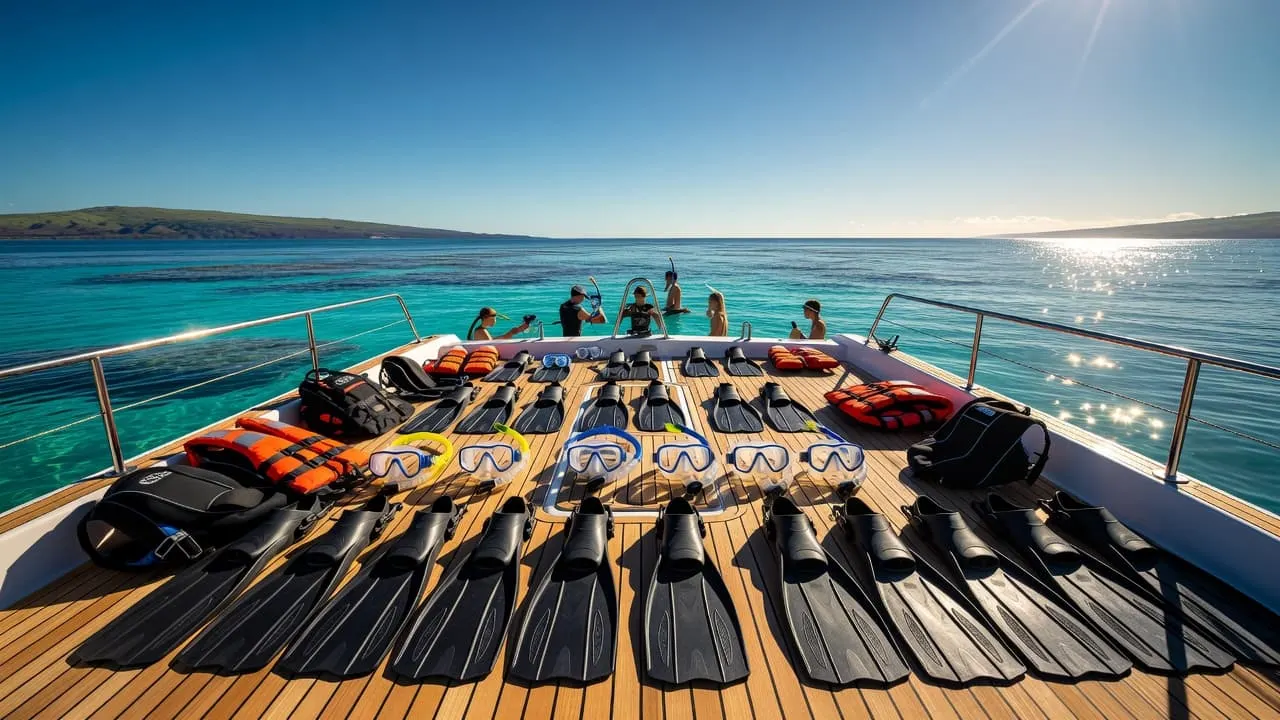
Boat entries work differently. You step on a deck, move toward a ladder, and enter from a controlled point. That means your footwear choice is less about a long walk across reef and more about traction on wet surfaces.
That’s where Living Ocean Tours makes the decision easier. The company runs out of Kewalo Basin Boat Harbor, minutes from Waikiki, and it’s the only tour company with professional snorkel guides. Their crew helps you read the water, respect the reef, and keep the focus on safe entry and good sightlines.
If you want to compare guided options, browse Waikiki snorkeling and boat trips before you decide. Their Turtle Canyon Snorkel Excursion is a strong example of how a boat-based snorkel day removes the shoreline scramble while still giving you time in the water with Hawaiian green sea turtles.
If you want to see what guests say about the experience, the review widget below gives you a closer look.
Conclusion
Your best choice depends on where your feet touch first. If the entry is sandy and short, bare feet may feel perfect. If you have to cross rock, heat, or slick ground, water shoes give you the grip and protection you want.
The smartest snorkel day starts with the shoreline in front of you, not the idea of a perfect beach. Match your footwear to the entry, and you’ll get in the water with less stress and more confidence.


