
Oahu Turtle Snorkeling During Strong South Swells
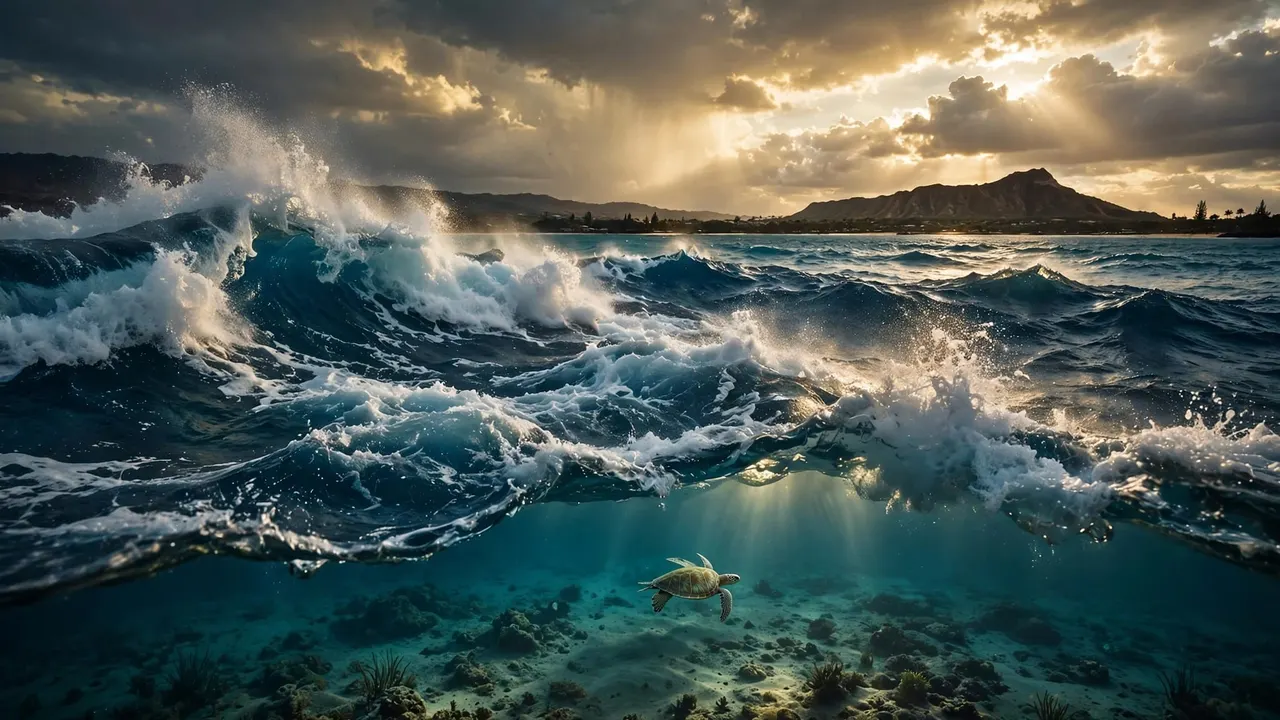
A strong south swell can turn a dream turtle encounter into a day when staying out of the water is the smartest choice. Oahu turtle snorkeling depends on real-time ocean conditions, not just a sunny forecast or a reservation.
Living Ocean Tours is Oahu’s top-rated and most-reviewed turtle snorkeling tour company, departing from Kewalo Basin Boat Harbor minutes from Waikiki. You can browse its Honolulu ocean tours for wildlife cruises, snorkel trips, and ocean experiences designed around current conditions.
Key Takeaways
- Oahu turtle snorkeling can be rewarding during summer, but strong south swells can make exposed shoreline entry unsafe.
- Waikiki, Ala Moana, and Kewalo-facing waters deserve extra caution when south surf rises.
- You can still look for honu from shore, but no beach is automatically safe during a swell event.
- A boat trip only makes sense when the captain and crew judge conditions suitable for that day’s route.
- Keep at least 10 feet, or 3 meters, from every sea turtle on land and in the water.
- Never touch, feed, chase, surround, or block a turtle’s path to the surface.
Why Strong South Swells Change Oahu Turtle Snorkeling
South swells send energy toward Oahu’s south-facing coast. Even when the sky is clear, waves can surge across reef shelves, create strong currents, and make rocky entries dangerous. Your usual Waikiki swim spot may look manageable from the sand while conditions farther out are far less forgiving.
Watch the south-facing shoreline
Waikiki’s beaches, Ala Moana Beach Park, Kewalo Basin, and other south-facing areas can all feel the effects of a large swell. Waves can wrap around reefs and move through channels, so calm-looking water near shore doesn’t always reveal the current beyond it.
Avoid entering the ocean when surf is breaking hard across the reef, water is pulling strongly seaward, or lifeguards post warnings. A turtle sighting is never worth a difficult exit through shallow coral and moving surf.
Check the forecast on the day
Read the National Weather Service Hawaii surf forecast before you leave your hotel, then check again if your outing is later in the day. Conditions can change with wind direction, incoming swell, tides, and local weather.
A High Surf Advisory or High Surf Warning is a clear reason to change your plan. During severe events, south-facing surf can reach heights that remove safe snorkeling options entirely.
Where You Can Look for Turtles When Surf Is Up
Strong south swell does not mean turtles disappear. It means you should choose a viewing plan that keeps you on dry ground or follows a professional captain’s safety call.
Look from shore without entering
Laniakea Beach on Oahu’s North Shore is one of the island’s best-known places to see Hawaiian green sea turtles resting near shore. Because it faces north, it may not receive the same direct south-swell energy as Waikiki. Still, conditions, beach access, and turtle activity vary daily.
You may also spot turtles from coastal paths, piers, and boat decks. Bring binoculars or use your camera zoom instead of moving closer. If turtles are on the sand, stay well back and leave a clear route between them and the ocean.
Skip exposed water entries
Do not treat a protected-looking cove as a guarantee. South swell can push water over reef edges and create unexpected surge near rocks, especially along the south coast.
If you are traveling with children, inexperienced swimmers, or anyone uneasy in open water, shift to sightseeing when the ocean looks unsettled. You can enjoy Diamond Head views, the Waikiki shoreline, and marine life from shore while saving snorkeling for a better day.
Choosing a Guided Turtle Canyon Outing
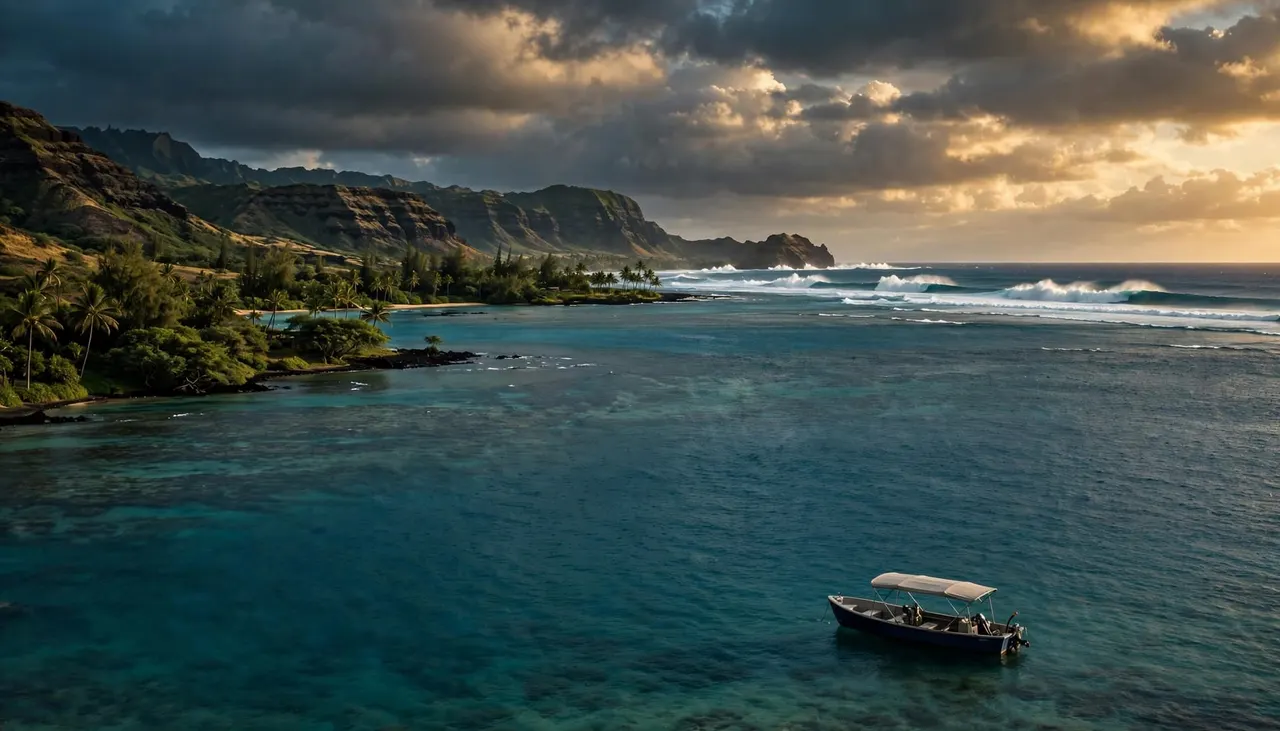
A guided boat trip can remove the guesswork of finding a safe entry point, but it is not a workaround for hazardous seas. Captains assess conditions before departure and can cancel, adjust, or change plans when the ocean demands it.
Visit Turtle Canyons when conditions allow
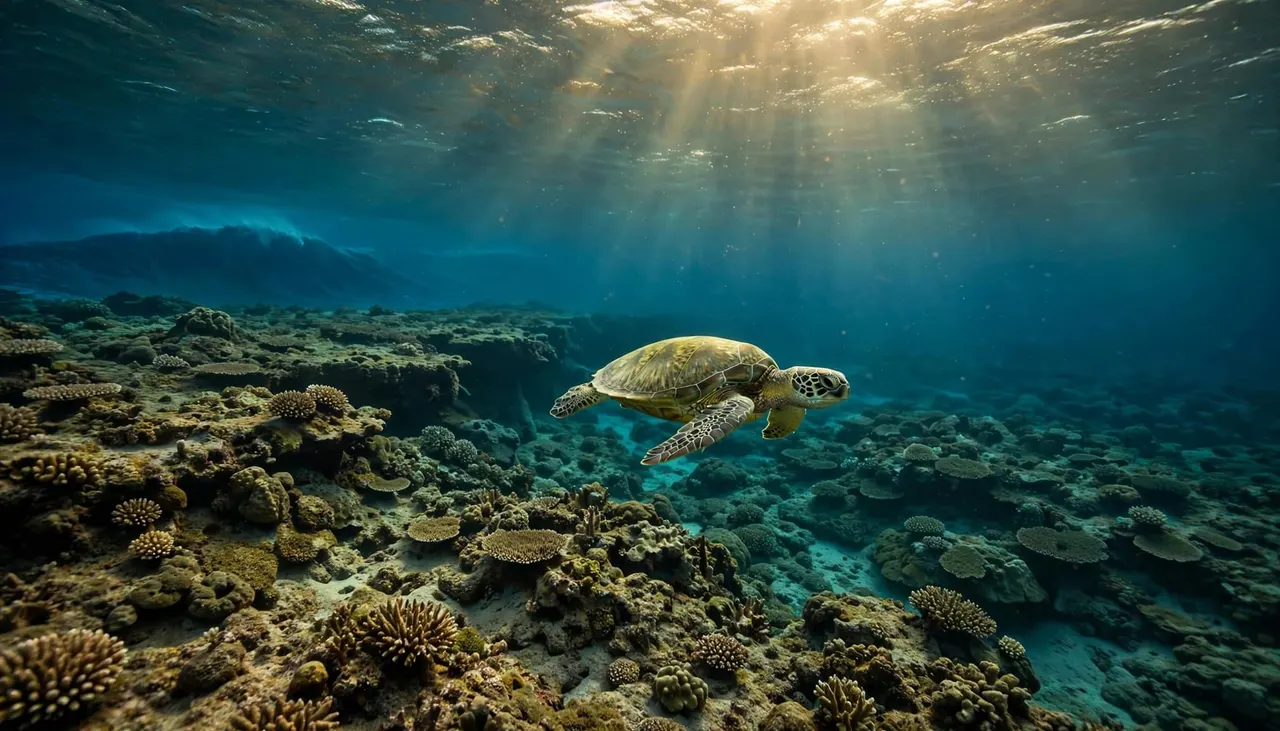
The Turtle Canyons Snorkel Excursion brings you offshore from Waikiki to a reef where Hawaiian green sea turtles may visit natural cleaning stations. Living Ocean Tours reports a 95% turtle-sighting success rate there, although wild animal sightings can never be guaranteed.
You receive fitted snorkel gear, flotation support, and instruction before entering the water. Living Ocean Tours is the only tour company with professional snorkel guides, giving first-time snorkelers and families more confident in-water support.
When Oahu turtle snorkeling is at the top of your vacation list, choose a day with flexibility rather than booking around a fixed moment.
Ask the crew about the day’s plan
Before you board, ask how current wind and swell affect the route. Tell the crew if you are new to snorkeling, prone to seasickness, traveling with young children, or concerned about swimming in deeper water.
Living Ocean Tours operates Coast Guard-inspected double-decker vessels with shaded seating, onboard restrooms, dry storage, and sturdy water-entry ladders. If the crew advises you to remain aboard or reschedule, follow that call. You can still enjoy the coast from the deck without forcing a snorkel session.
Make a Safe Choice Before You Leave
Your plan should follow the conditions, not the calendar. Use the morning forecast, lifeguard guidance, and an honest assessment of your comfort in the water.
| What you see | Best choice |
|---|---|
| Small surf, clear water, and a crew-approved route | Join a guided snorkel trip if you are comfortable swimming. |
| Rising surf or strong currents near shore | Watch from land or from a boat, without entering the water. |
| A High Surf Advisory or Warning | Skip snorkeling and choose another island activity. |
The safest Oahu turtle snorkeling decision may be to wait. Turtles live around the island year-round, while a rough-water mistake can end a vacation quickly.
Follow the operator’s safety call
A reputable crew does not force a route to meet a schedule. If ocean conditions do not support a safe turtle stop, the captain may modify the outing or cancel it.
That decision protects guests, crew, reef habitat, and wildlife. It also gives you the best chance of enjoying your next water day without fear or exhaustion.
Prepare for changing conditions
Bring a towel, reusable water bottle, secure swimsuit, and rash guard. Eat lightly before a boat outing if you are sensitive to motion, and tell the crew early if you feel unwell.
Flotation support can help you relax at the surface. However, it does not replace swimming awareness or turn rough surf into safe snorkeling.
Give Every Honu Space
Hawaiian green sea turtles are protected wildlife, not underwater photo props. A respectful encounter usually gives you a better view because the turtle can rest, feed, turn, and surface naturally.
Keep at least 10 feet away
Both the Hawaii Department of Land and Natural Resources and NOAA recommend at least 10 feet, or 3 meters, of space between you and a turtle. Review NOAA’s Hawaii marine wildlife viewing guidance before your trip.
If a honu swims toward you, remain still and let it choose its own route. Never position yourself above it or between it and open water.
A turtle may appear slow because it is resting, grazing, or conserving energy. Keep your hands, fins, and camera pole away from its body.
Protect the reef and report trouble
Do not stand on coral, push off the reef, or feed fish or turtles. Sharp coral can cut you, and contact damages the living habitat that supports marine life.
If you notice fishing line, fresh wounds, restricted flipper movement, or obvious trouble swimming, tell your guide or a lifeguard. Do not try to remove line, move the turtle, or treat an injury yourself. Hawaii’s sea turtle viewing guidance explains the state’s wildlife-distance recommendation.
Plan for a Better Turtle Encounter
The most memorable sightings often happen when you stop chasing them. Give yourself time to watch the reef, settle your breathing, and let marine life move around you.
Choose comfort over a close photo
Stay near your group and use a flotation device if it helps you float calmly. A patient position at the surface often gives you a better view than swimming after a turtle through the reef.
If you want a photo, zoom rather than closing the distance. You will protect the turtle’s space and keep your attention on the water around you.
Keep your itinerary flexible
Summer can bring favorable south-shore snorkeling conditions, yet wind, rain, and south swell still change the water quickly. Build an alternate land-based plan into your day before you pack your mask.
A flexible schedule gives you more options. You can reschedule a snorkel outing, take a sunset cruise, or enjoy shore views without treating rough water as a challenge to overcome.
Frequently Asked Questions
Can you see turtles on Oahu without snorkeling?
Yes. You may see turtles resting at Laniakea Beach, surfacing offshore, or gliding near a pier or coastal lookout. Stay at least 10 feet away and never approach a turtle for a closer photo.
Is Turtle Canyon suitable for beginners?
Turtle Canyon can suit beginners when conditions are appropriate and you join a guided trip with gear help, flotation support, and professional in-water guidance. Be honest about your swimming ability, and tell the crew if you need extra support.
What should you do if a turtle looks injured?
Keep your distance and alert your guide, lifeguard, or wildlife authority. Do not touch the animal, remove fishing line, pull on a flipper, or attempt to guide it toward shore.
Choose Conditions Over a Fixed Plan
Strong south swells change where and whether you should enter the ocean. The best Oahu turtle snorkeling experience happens when you respect the forecast, listen to trained crew, and let each honu keep its natural space.
When the water is right, you can enjoy an unforgettable reef encounter. When it is not, choosing shore-based wildlife viewing protects both you and the turtles you came to see.


