
Oahu Snorkeling Turtles: Best Spots & Tours for 2026
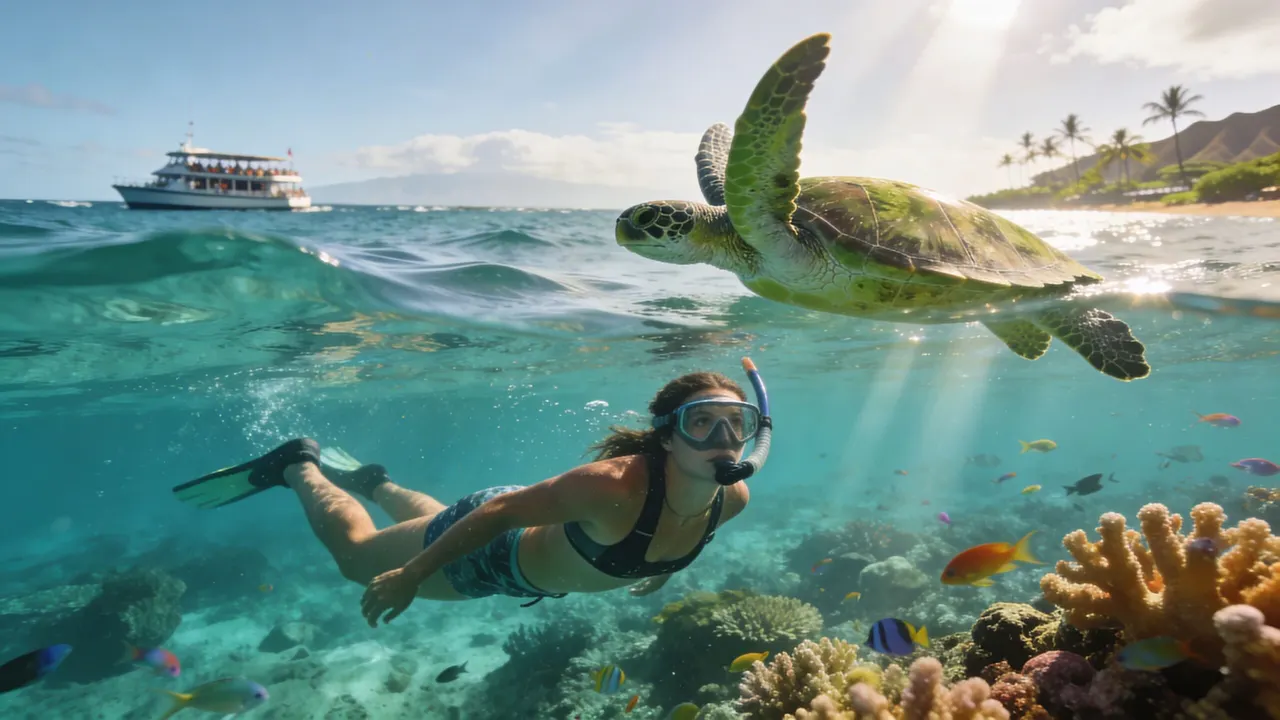
You’re probably in one of two places right now. You’re either standing on Waikiki Beach wondering if you can really see turtles on Oahu without wasting a day guessing, or you’re planning ahead and trying to separate the postcard version from what works in the water.
That’s the right question to ask. Oahu snorkeling turtles can be magical, but it goes much better when you understand why turtles gather in certain places, why some spots are better from a boat than from shore, and how to snorkel in a way that protects the animals instead of pressuring them.
Your Guide to an Unforgettable Oahu Turtle Encounter
Most visitors want the same moment. You slide into warm blue water, put your face in, and a honu glides below the reef with that slow, effortless motion no video ever captures properly. It feels calm, ancient, and very close to the heart of Hawaii.
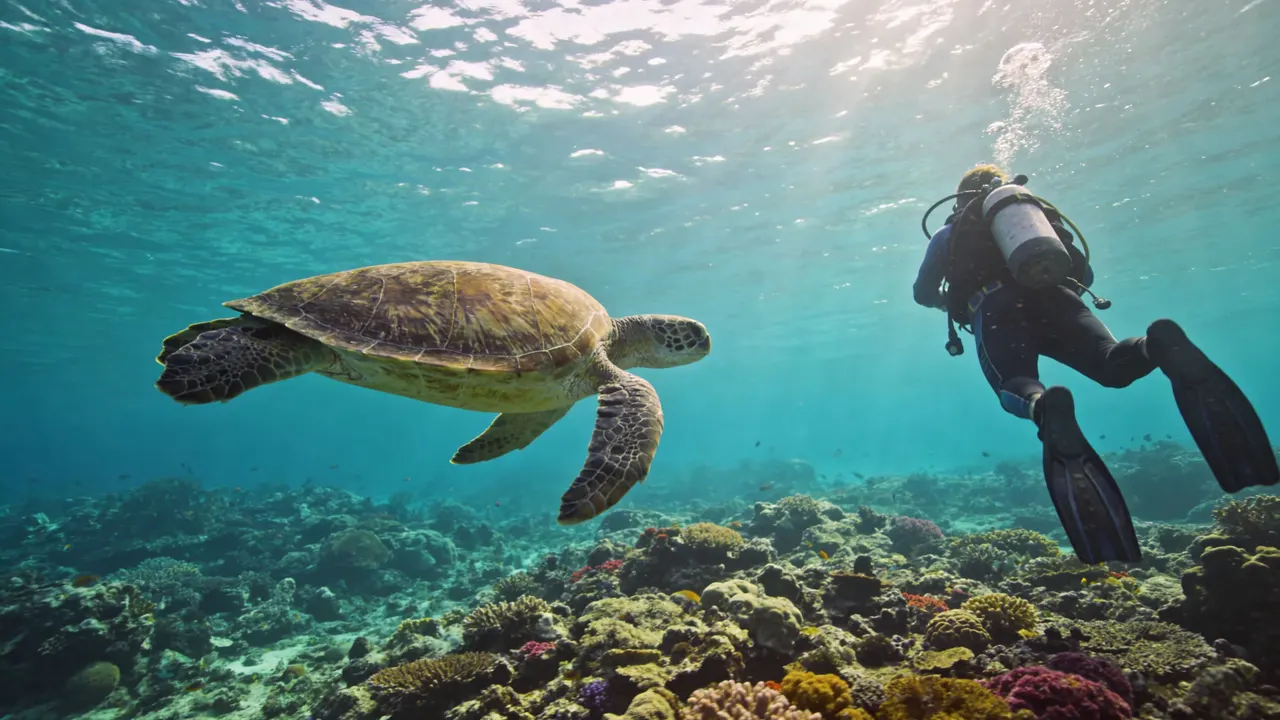
That moment is possible for first-timers, kids, grandparents, and casual swimmers. The key is not luck alone. It is choosing the right setting, understanding turtle behavior, and going in with the right expectations.
Why some turtle encounters feel easy
A good turtle day usually comes down to three things:
- Location matters: Offshore reef areas and known turtle gathering points are more reliable than random beach entry.
- Conditions matter: Calm water, clear visibility, and manageable surge make a huge difference.
- Behavior matters: Turtles often return to places that serve a purpose for them, not for us.
If you want a helpful overview before choosing your day on the water, this guide on where to see sea turtles in Oahu is a solid starting point.
Tip: The most memorable turtle encounters usually happen when snorkelers stop trying to chase the experience and let the reef come to them.
Understanding the Majestic Hawaiian Honu
You can tell a lot about a snorkeler by what happens when the first turtle appears. The rushed swimmers kick straight at it and lose the moment. The calm ones float, give the animal room, and usually get the better view.
That difference starts with understanding what a honu is and how it uses the reef.
The Hawaiian green sea turtle, or honu, holds cultural meaning in Hawaii. It is associated with longevity, peace, and guidance. For anyone entering the water, that matters in a practical way. Respect is not just good manners. It leads to safer, steadier, and more natural encounters.
Why turtle behavior matters
Honu do not move randomly around Oahu’s reefs. They return to places that help them feed, rest, breathe, or get cleaned by reef fish. If you know that, turtle sightings make more sense. You stop treating the experience like a scavenger hunt and start reading the reef the way a captain or guide does.
That is one reason certain offshore reef areas produce more reliable encounters than a random swim from shore. Turtles are often using those spots for a purpose, especially cleaning stations where fish pick algae and parasites from their shells and skin. A snorkeler who understands that behavior is more likely to stay patient, hold position, and let the turtle continue its routine.
Visitors who want more local background on that relationship can read more about honu and where to see turtles in Oahu.
A recovery story that deserves respect
Honu are protected wildlife, and that protection matters because these animals did not rebound by chance. Their presence around Oahu reflects years of conservation work, habitat protection, monitoring, and better public awareness.
That context should shape how people enter the water. A turtle sighting is not a performance put on for snorkelers. It is a chance to watch a wild animal go about its day without interference.
What experienced snorkelers do differently
The best turtle encounters usually look quiet from the surface.
- Hold your line
Let the turtle choose its path. Sudden forward swimming often ends the interaction. - Leave a clear route to the surface
Honu need to breathe. Never crowd a turtle against the reef or drift above it. - Watch for working behavior
If a turtle is grazing or sitting at a cleaning spot, that is your cue to stay back and observe. - Use slow fin kicks
Less splash and less chase means the turtle is more likely to stay settled.
I tell guests this all the time. If the turtle has to change course because of you, you are too close.
Cultural respect improves the view
People who rush in for a photo usually see less. People who settle down, read the animal, and act like guests in its habitat often get a longer, cleaner look.
That is the value of understanding the honu before you ever mask up. It turns a lucky sighting into an informed encounter, and it keeps the experience worthy of the place.
The Best Places for Oahu Turtle Snorkeling
You can spend a whole vacation chasing turtle rumors from the beach and still miss the kind of encounter people picture when they book an Oahu snorkel day. The better approach is to choose a spot based on how turtles use that area, and how comfortable you are in the water.
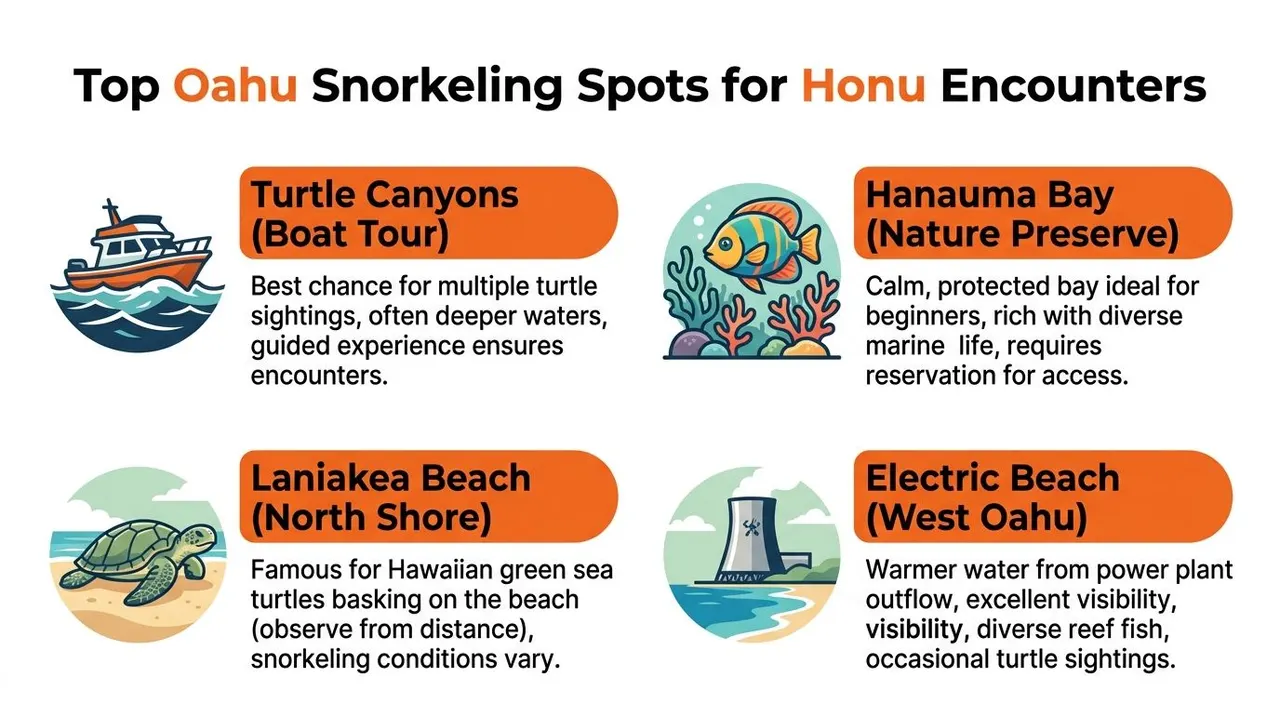
Some sites are known because turtles rest, surface, or pass through near shore. Others produce stronger snorkel sessions because turtles return there for a reason, especially feeding or cleaning behavior. That difference matters.
Comparing the main options
| Spot | What works | Trade-offs |
|---|---|---|
| Turtle Canyons | Offshore reef near Waikiki where turtles are often seen at cleaning stations | Boat access required |
| Hanauma Bay | Easy to recognize, scenic, and full of reef life | Reservations, crowds, and turtle sightings are less predictable |
| Laniakea Beach | Excellent for shoreline turtle viewing when conditions cooperate | Better for observing from land than planning a dedicated turtle snorkel |
| Electric Beach | Strong fish life and occasional turtle encounters for capable swimmers | Entry, current, and surge can make it a poor fit for beginners |
Turtle Canyons for the highest consistency
If the goal is specifically oahu snorkeling turtles, Turtle Canyons usually gives visitors the clearest shot at a meaningful in-water sighting. The reason is behavioral, not just geographic. This offshore reef is known for cleaning activity, where reef fish pick algae and parasites from turtles, so honu tend to settle in and circle through the area instead of cruising past.
That pattern gives guided boat trips an edge. You are visiting a place turtles already use with some regularity, rather than hoping one happens to pass your beach entry.
For a practical overview of the site, Turtle Canyon snorkel conditions and trip details offer useful local context.
Laniakea for seeing turtles from shore
Laniakea has earned its reputation. It is one of the better places on Oahu to watch turtles from land, and on the right day that alone can be memorable.
Snorkeling there is a separate question. Shorebreak, crowding, and shifting visibility can change the experience quickly. Visitors often hear "turtle beach" and assume it is automatically the best place to swim with turtles. It is often the better choice for respectful viewing from the sand.
Electric Beach for experienced swimmers
Electric Beach can be excellent for marine life, and I have seen strong snorkelers have a very good day there. I do not recommend it casually.
The entry can be awkward. Current and surge can wear people out faster than expected. If someone is new to ocean snorkeling, still learning breath control, or bringing young kids, there are easier ways to spend the day.
Why offshore works so well for many visitors
For Waikiki visitors, offshore turtle sites solve several practical problems at once. You skip the parking hunt, the beach entry guesswork, and the question of whether the reef will still be clear once you get in.
More important, boat-access sites are chosen around actual marine behavior. That is the part many guidebooks miss. The best turtle spot is not just famous. It is a place turtles return to for a reason.
Practical rule: Choose a shore spot if you are comfortable adjusting plans around surf, crowds, and visibility. Choose an offshore site if you want a more organized turtle-focused snorkel with better odds of seeing natural turtle behavior.
Why a Guided Tour Is Your Best Bet for Seeing Turtles
You line up a beach snorkel day, drive out early, and the ocean has other plans. The entry is rough, the visibility is mixed, and the turtles that were there yesterday are nowhere obvious. That happens all the time on Oahu.
A guided tour cuts down the guesswork and puts you at sites chosen for actual turtle behavior, not just name recognition.
Local knowledge changes the odds
A key advantage of a boat tour is site selection.
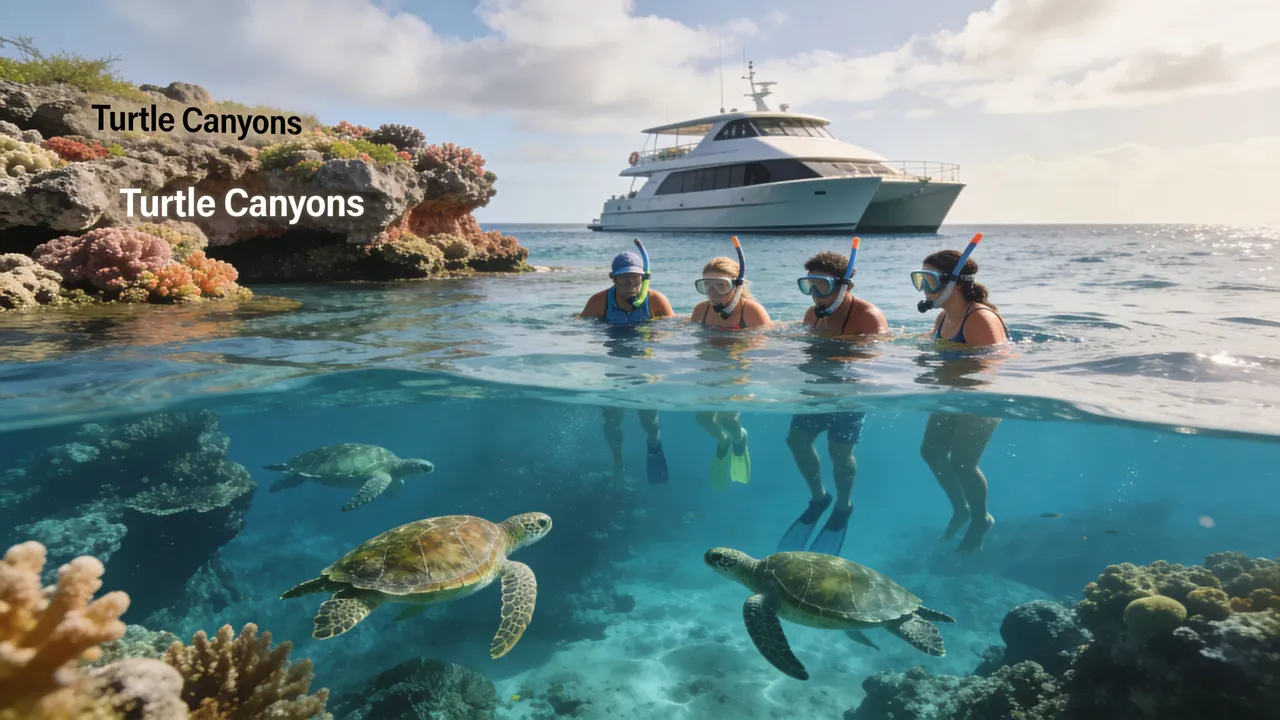
Off Waikiki, crews often work areas such as Turtle Canyon because turtles use parts of that reef as cleaning stations. Reef fish pick algae and parasites from the turtles, so honu return to those spots as part of their normal routine. That is the "why" many visitors miss. You are not just going to a famous pin on a map. You are going to a place turtles have a reason to visit.
A good captain also weighs wind, swell, current, water clarity, and boat traffic before sending people in. From the beach, visitors usually see only the surface. From the boat, the crew is reading the whole setup.
What guided trips do better
A well-run snorkel trip solves several practical problems at once:
- Targeted access: Boats reach offshore reef zones that are difficult or inefficient to swim to from shore.
- Better entries: Guests enter in deeper water without dealing with shorebreak, slippery rocks, or long surface swims.
- Faster adjustment: Crew members help with masks, fins, flotation, and basic technique before small problems turn into a frustrating session.
- Safer pacing: New snorkelers usually do better when someone is watching breathing, comfort level, and group spacing in real time.
- Smarter wildlife viewing: Good guides position people for a clear look without crowding the turtle or blocking its path.
That last point matters more than many people expect. Calm groups see more natural behavior.
Guided tours are often the better choice for first-timers and families
I have watched confident pool swimmers get humbled by a simple beach entry. I have also watched nervous first-time snorkelers settle in quickly once they have a float, a clear briefing, and a crew member nearby.
That support changes the day. Instead of spending half the trip fixing a leaking mask or fighting the entry, people can focus on their breathing, look down, and notice the reef life around them.
For many Waikiki visitors, a guided outing is also the cleaner logistical choice. No rental car, no parking search, no debate about which beach is workable that morning. A crew has already made those calls.
Choose the crew, not the hype
Pick an operator that explains the site clearly, sets expectations, and treats turtle encounters as wildlife viewing, not a chase. Good tours build the plan around conditions and guest ability.
If you are comparing options, these Oahu snorkeling tours show the kind of trip structure to look for, including turtle-focused outings launched from Waikiki. Living Ocean Tours is one local operator visitors often consider for that reason.
How to Snorkel with Turtles Safely and Responsibly
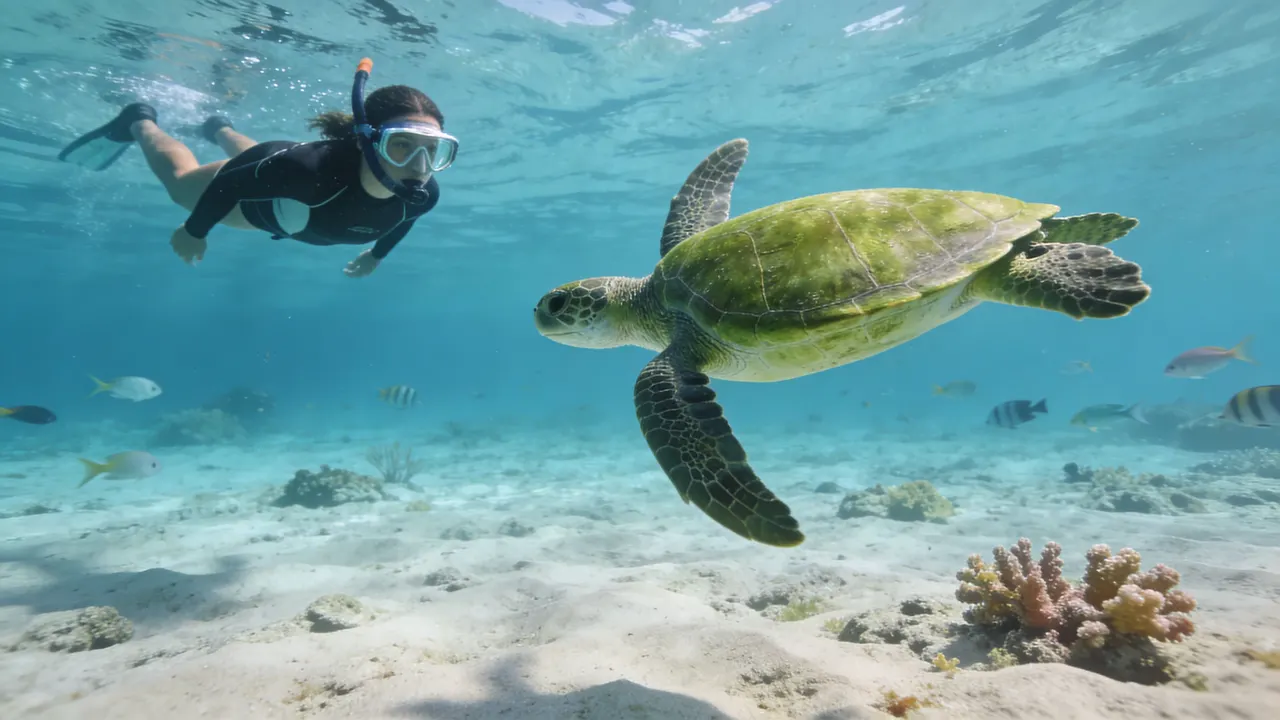
The best turtle encounters are quiet ones. No chasing. No touching. No crowding. Just a clean view of a wild animal behaving naturally.
That approach is not only respectful. It also works better.
The rules that matter most
Follow these every time:
- Keep your distance: Stay at least 10 feet away from turtles.
- Do not touch: Hands off shell, flippers, and head. Always.
- Do not pursue: If a turtle changes direction, let it go.
- Do not block the surface: Turtles need to come up to breathe.
- Do not feed wildlife: Feeding changes natural behavior and creates bad interactions.
Those rules protect the turtle first. They also keep the encounter calmer and more memorable for your group.
Small mistakes that cause big stress
Most problems start with excitement. Someone sees a turtle, kicks harder, drops straight down, and tries to close the gap. The turtle then turns, speeds up, or abandons the area.
A better move is to float horizontally, breathe slowly, and keep your fins quiet. Let the animal decide the distance.
Tip: If you can see the turtle clearly, you are already close enough.
Protecting the reef too
Turtles depend on healthy reef habitat. That means your responsibility does not stop with the animal itself.
Use reef-safe sun protection when appropriate, avoid standing on coral, and keep your body control tidy in the water. Good fin awareness matters. One careless kick can do more damage than people realize.
For a local rules refresher before your trip, review these Turtle Canyon snorkeling rules.
Essential Gear and Tips for Your Snorkel Adventure
The right gear turns nervous energy into a smooth snorkel. The wrong gear turns a good site into a frustrating hour of clearing water out of your mask.
For most guests, you do not need fancy equipment. You need gear that fits and a few habits that make breathing and floating feel natural.
What matters most in your setup
Start with the basics:
- Mask fit: A mask should seal comfortably without painful pressure points.
- Snorkel comfort: If the mouthpiece feels awkward on deck, it will feel worse in the water.
- Fins that fit right: Loose fins waste energy. Overly tight fins distract you the whole time.
- Flotation support: A vest or flotation aid helps beginners relax and conserve energy.
A flotation aid is not a sign you are weak in the water. It is a smart tool. I’ve seen strong swimmers use one because it lets them float still and watch longer.
Technique beats effort
New snorkelers often kick too hard and lift their head too much. Both create tension.
Try this instead:
- Get your face in and breathe slowly through the snorkel before moving.
- Keep your body long and flat on the surface.
- Use gentle kicks from the hips, not frantic bicycle kicks.
- If water gets in the snorkel, pause. Clear it calmly. Start again.
A good option for mixed groups
Some groups want turtle-focused snorkeling. Others want a broader ocean day with more room for kids and non-snorkelers to enjoy themselves. In that case, the Deluxe Waikiki Snorkeling Cruise can make sense because it blends snorkeling with extra onboard water fun.
Gear reminder: The best snorkel session is usually the one where you forget about your gear after the first few minutes because everything fits and nothing is fighting you.
Ready for Your Oahu Turtle Swim
A great turtle snorkel is not about checking off an attraction. It is about putting yourself in the right place, at the right time, with the right attitude.
That means understanding why turtles gather where they do. It means choosing a site that matches your comfort level. And it means giving the honu the space and respect that make the experience feel authentic in the first place.
For most visitors, a guided offshore trip is the simplest path to a safer, smoother, more memorable day. You spend less time guessing and more time watching turtles glide over the reef the way they are meant to.
Oahu has a way of making these moments stick with you. The boat ride out, the first breath through the snorkel, the flash of reef fish below, and then that first honu coming into view. That memory lasts.
If you’re ready to plan your day on the water, Living Ocean Tours offers guided Oahu ocean experiences departing near Waikiki, including turtle-focused snorkeling and other family-friendly trips.


