
Oahu Snorkeling Tours: How Reef Moorings Protect Coral
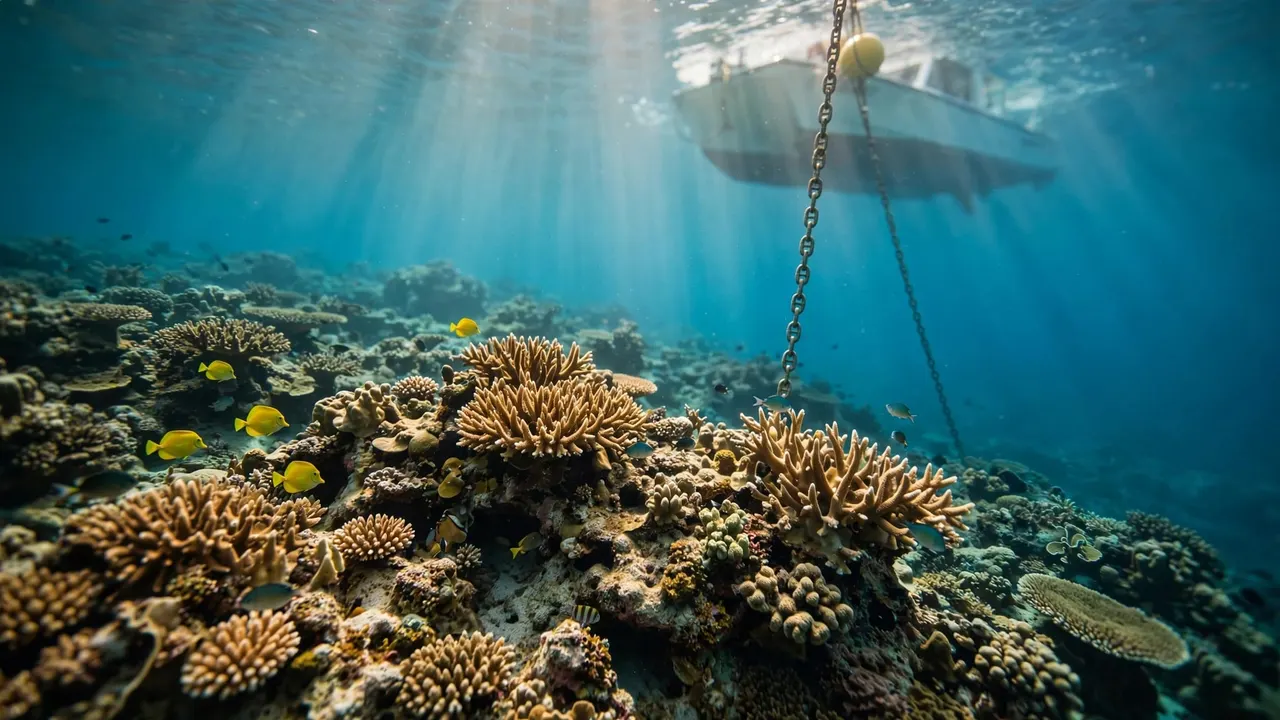
Oahu snorkeling tours can help protect coral when boats use suitable reef moorings instead of dropping anchors onto the reef. At Living Ocean Tours, we also help you enjoy Hawaii’s marine life with guidance that puts respectful viewing first.
For families, couples, and first-time snorkelers, the boat ride is only part of the experience. Understanding what happens beneath the surface can make your time in the water even more rewarding.
Key Takeaways for Your Reef Visit
- A mooring gives a boat a place to tie up without dropping an anchor onto coral.
- Anchors and chains can break coral or scrape the reef as a boat moves.
- Hawaii’s day-use mooring program supports ocean recreation while reducing damage to marine life.
- You can help by keeping your body and fins above the reef and giving wildlife room to move.
- Good snorkeling habits matter even when a boat uses a mooring.
Why Oahu’s Coral Reefs Need Protection
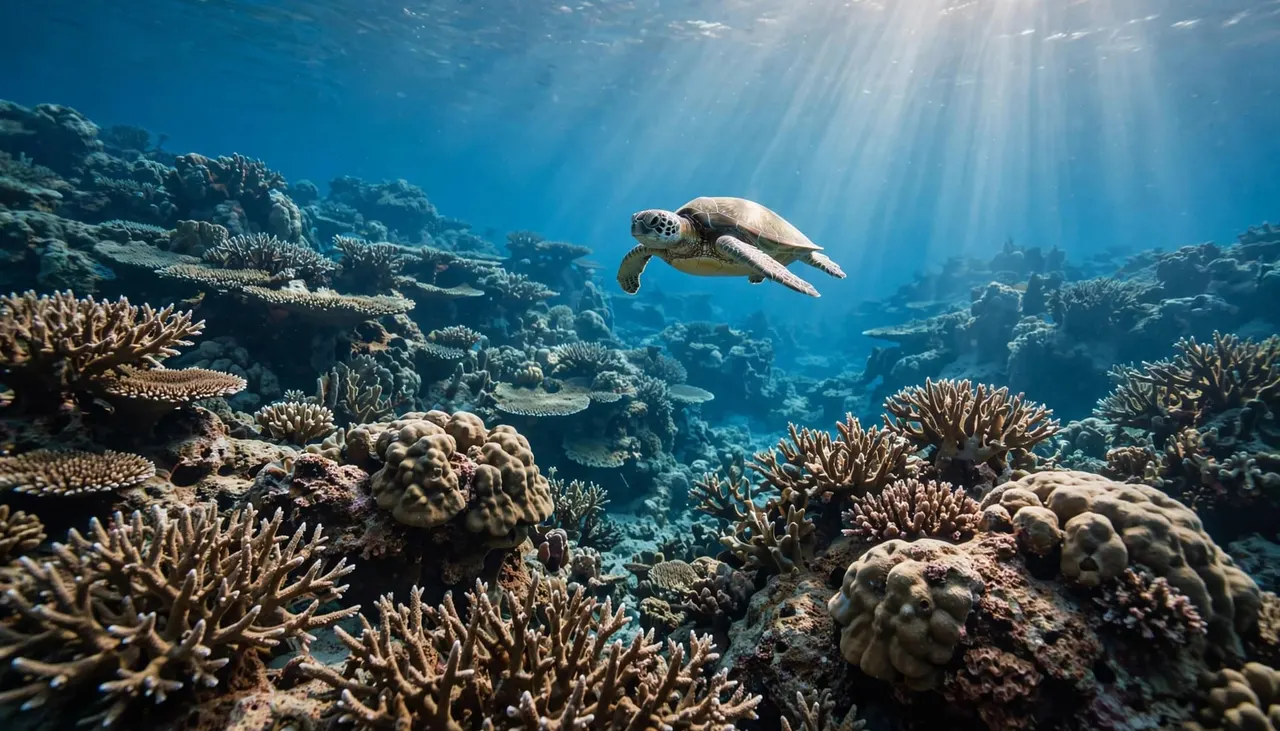
A coral reef may look like a collection of colorful rocks, but living coral is made up of small animals called polyps. They form colonies that provide habitat for fish and other marine life.
When you snorkel near Waikiki, you might see butterflyfish, parrotfish, and Hawaiian green sea turtles, also known as honu. Each sighting is part of a larger reef community.
Coral can be damaged by contact
Coral grows over time, and its living surface can be damaged by a fin, a hand, or a heavy anchor. Broken coral also loses some of the structure that gives fish places to shelter.
That makes repeated boat visits an important consideration. A site that attracts snorkelers can also receive frequent boat traffic, so reducing contact with the bottom matters.
Reefs support more than a good view
At a turtle cleaning station, for example, small fish may remove algae and parasites from a turtle’s shell and skin. Watching that interaction gives you a different appreciation for the reef beneath you.
The coral, fish, and turtles are part of a living habitat. Protecting it helps keep those natural encounters possible without treating wildlife as an attraction to handle or pursue.
How Reef Moorings Protect Coral
A mooring provides a fixed place for a boat to tie up. Rather than lowering an anchor for each visit, the crew can secure the vessel to a buoy connected to a mooring on the seafloor.
What happens when a boat drops anchor
An anchor has to reach the bottom to hold a boat. If it lands on coral, its weight can break or crush the reef. As the boat shifts with wind and current, the anchor chain can also drag across the bottom.
Retrieving the anchor creates another chance for contact. On a busy reef, those impacts can add up across many visits.
What a mooring does differently
With an appropriate mooring, the boat attaches to an existing system instead of setting its own anchor on the reef. That removes the need for repeated anchor drops at that location.
NOAA’s coral-monitoring guidance describes mooring buoys as a way for vessels to tie up without dropping anchors that can damage fragile coral structures.
A mooring still needs suitable placement and maintenance. Its value comes from giving boats a practical way to visit a site while reducing anchor damage.
Hawaii’s Day-Use Mooring Buoys
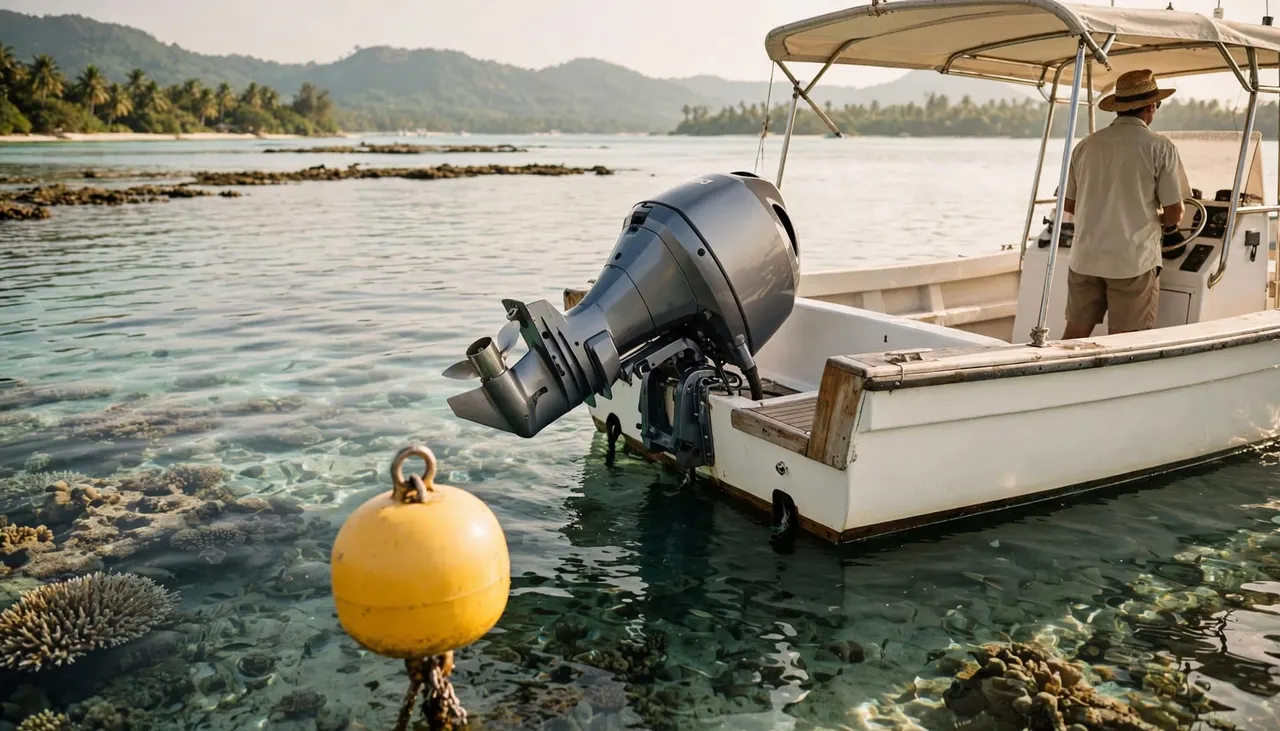
Hawaii’s Department of Land and Natural Resources describes its day-use mooring buoys as a resource for ocean recreation that also helps minimize damage to coral and other marine life.
The approach recognizes that people want to visit the ocean and that reefs need protection from repeated anchoring. A buoy gives a crew an established attachment point where one is available and appropriate for the vessel.
Hawaii’s day-use mooring strategic plan also identifies moorings as a tool for preventing anchor damage. For you as a snorkeler, that distinction is easy to miss: the boat’s effect on the reef begins before anyone enters the water.
What Moorings Can and Can’t Do
A mooring addresses one part of a boat visit: how the vessel stays in position. It doesn’t remove every pressure on a reef or replace careful decisions by the crew and guests.
Boat handling still matters
Captains must account for weather, currents, other vessels, and the conditions at a site. Moorings aren’t available everywhere, and a buoy has to be suitable for the boat using it.
When anchoring is necessary, Hawaii’s coral restoration guidance advises boaters to anchor in sandy areas. The goal is to avoid dropping an anchor onto living coral.
Your actions matter in the water
Even with a mooring, a snorkeler can accidentally kick or stand on coral. Wildlife can also be disturbed if people crowd or chase it.
That’s why a reef-friendly outing combines thoughtful boating with clear guidance in the water. You can enjoy an excellent view while leaving the reef and its residents undisturbed.
Explore Oahu Snorkeling Tours With Our Guides
At Living Ocean Tours, we welcome you aboard at Kewalo Basin Boat Harbor, near Waikiki. We provide snorkel gear and guidance, so you can spend less time worrying about equipment and more time enjoying the ocean.
We’re Oahu’s only tour company with professional snorkel guides. Our guides help you feel comfortable in the water and share how to observe marine life respectfully.
You can explore our Honolulu ocean tour options and choose the outing that fits your group.
Turtle Canyon Snorkel Tour
Our Turtle Canyon Snorkel Tour visits an offshore area known for its natural turtle cleaning station. You can watch for honu while also taking time to notice the fish and reef habitat around them.
We report a roughly 95% turtle-sighting success rate, though wildlife sightings aren’t guaranteed. The tour starts at $79 and includes snorkel gear and guidance. You can CHECK AVAILABILITY for your preferred outing.
Deluxe Waikiki Snorkeling and Wildlife Cruise
Our Deluxe Waikiki Snorkeling and Wildlife Cruise combines reef snorkeling with time to enjoy a boat-mounted waterslide and floating water features. It’s a fun choice when your family wants both underwater discovery and time to play.
The cruise starts at $79. See our snorkel and wildlife cruise details, or CHECK AVAILABILITY for your trip.
How to Snorkel Without Damaging Coral
A few habits make it easier to enjoy Oahu snorkeling tours while protecting the reef below you. Start by paying attention to your position in the water, particularly when you’re focused on a turtle or taking a photo.
Float above the reef
Keep your body horizontal and leave plenty of space between your fins and the bottom. A slow, controlled kick helps you avoid striking coral or stirring sediment.
Don’t stand, kneel, or brace yourself on coral. If you need to adjust your mask, move into open water and ask your guide for help. Flotation can also make it easier to rest at the surface without reaching for the reef.
Give marine life room
Watch turtles and fish without touching, feeding, chasing, or blocking them. Turtles need a clear path to move and surface for air, so give them space if one swims toward you.
The same approach applies to smaller animals tucked into the reef. Let an eel remain in its crevice and observe an octopus without trying to make it move. A patient look often reveals more than a close approach.
Prepare for a Comfortable Reef Visit
Good preparation helps you focus on the water rather than fussing with your gear. It also makes responsible snorkeling easier, especially if you’re bringing children or haven’t snorkeled before.
Choose sun protection thoughtfully
A long-sleeve rash guard covers your skin and reduces the amount of sunscreen you need to apply. For exposed areas, choose a mineral-based sunscreen with zinc oxide or titanium dioxide.
No sunscreen choice replaces careful behavior in the water. Keep your distance from coral and wildlife throughout your swim.
Get comfortable before swimming farther
Take a moment near the boat to practice breathing through your snorkel. If your mask leaks or you want flotation support, tell your guide rather than struggling on your own.
Stay with a buddy and follow the crew’s instructions. Ocean conditions can change, so your guide’s direction helps you make the most of the day’s conditions. If you feel tired, return to the boat and rest.
Questions About Reef Moorings and Snorkeling
Is a mooring buoy the same as an anchor?
No. A mooring is an existing system that a boat can attach to, while an anchor is carried and deployed by the boat. Using a suitable mooring avoids dropping that anchor onto the reef during the visit.
Can beginners protect the reef while snorkeling?
Yes. You don’t need advanced swimming skills to practice reef-friendly habits. Use flotation if it helps, stay with your guide, and keep your hands and fins clear of coral.
Will I see a sea turtle on every tour?
Turtle sightings are possible at Turtle Canyon, but they’re never guaranteed. While you look for honu, enjoy the reef fish and habitat around you too. Every visit offers a chance to observe something different.
Enjoy the Reef and Leave It Undisturbed
A reef mooring can reduce anchor damage before you enter the water. Once you’re snorkeling, your own look, don’t touch approach helps protect the same habitat.
With a little space, patience, and guidance, you can enjoy Oahu’s underwater world while respecting the marine life that calls it home.


