
Oahu Snorkeling Tours: What a Two-Stop Cruise Includes
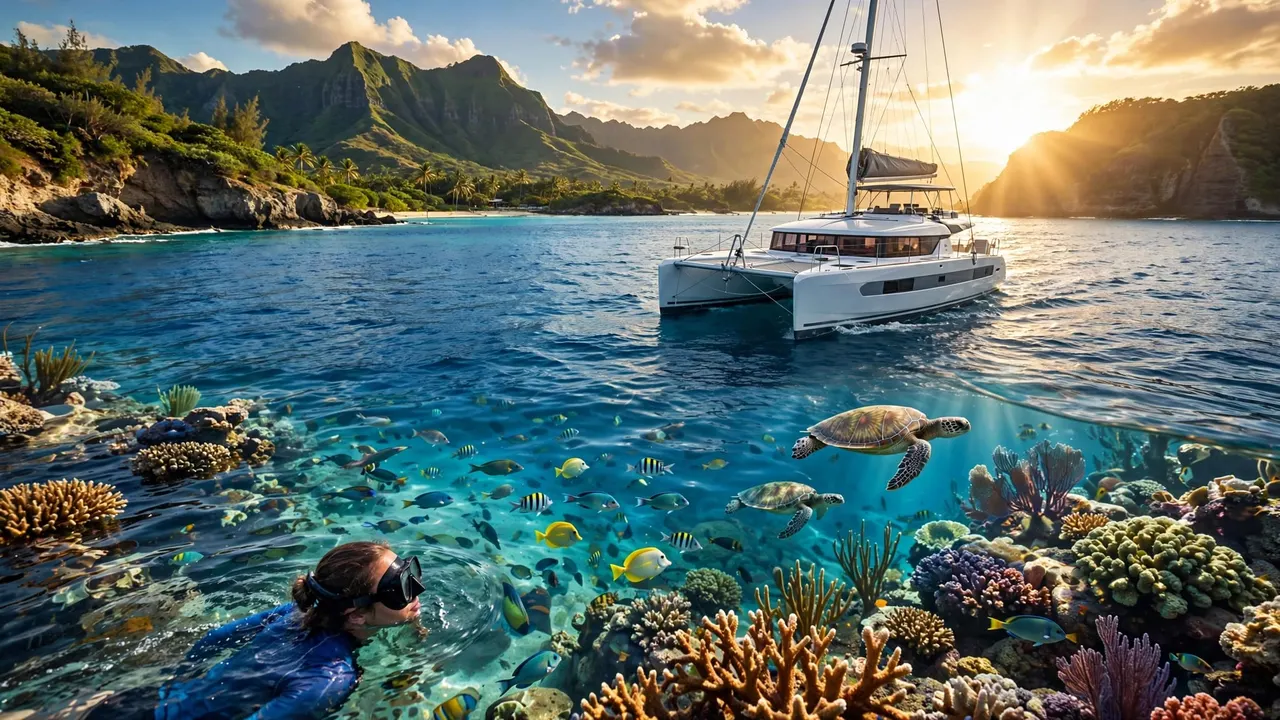
A two-stop snorkel cruise gives you more than one quick look below the surface. You get time to settle into the water, learn what feels comfortable, and explore different reef conditions during one ocean outing.
Among Oahu snorkeling tours, a two-stop itinerary can be a smart choice when you want a fuller day on the water without planning separate beach visits. It works well for first-time snorkelers, confident swimmers, couples, and families.
The best trips balance marine life, boat comfort, knowledgeable guidance, and respect for Hawaii’s reefs.
What Two-Stop Oahu Snorkeling Tours Include
A two-stop cruise usually means your captain plans for two distinct snorkel locations during the same trip. One area may offer calmer water for getting comfortable, while another may offer different reef structure, fish activity, or wildlife viewing.
Still, the ocean has the final say. Wind, swell, current, visibility, and boat traffic can change a route before departure or during the cruise.
A route chosen for the day’s conditions
A responsible captain doesn’t follow a fixed route at the expense of guest safety. Instead, the crew assesses conditions and selects sites where you can enter and exit the water safely.
That flexibility matters around Oahu. A location that looks inviting from shore can have strong current or reduced visibility offshore. When the crew adjusts plans, you still get an ocean experience built around the best available conditions.
Two stops should mean more variety, not a rushed race between reefs.
Time to get comfortable in the water
Your first stop is often where you find your rhythm. You can test your mask seal, practice clearing your snorkel, and get used to floating with fins before focusing on fish or coral.
The second stop gives you another chance to enjoy the water with more confidence. If you are already comfortable, you can spend more attention on the reef and less on your gear.
A two-stop plan does not always mean equal time at both sites. Crews may extend the better location when wildlife activity and water conditions are especially good.
What You Receive on Board and in the Water
Most quality Oahu snorkeling tours provide the basics you need to get in the ocean safely. That usually includes a mask, snorkel, fins, flotation gear, and a safety briefing before your first entry.
You should also expect a crew member to explain how to use your equipment. A good briefing covers mask fit, fin technique, hand signals, water entry, and the best way to return to the boat.
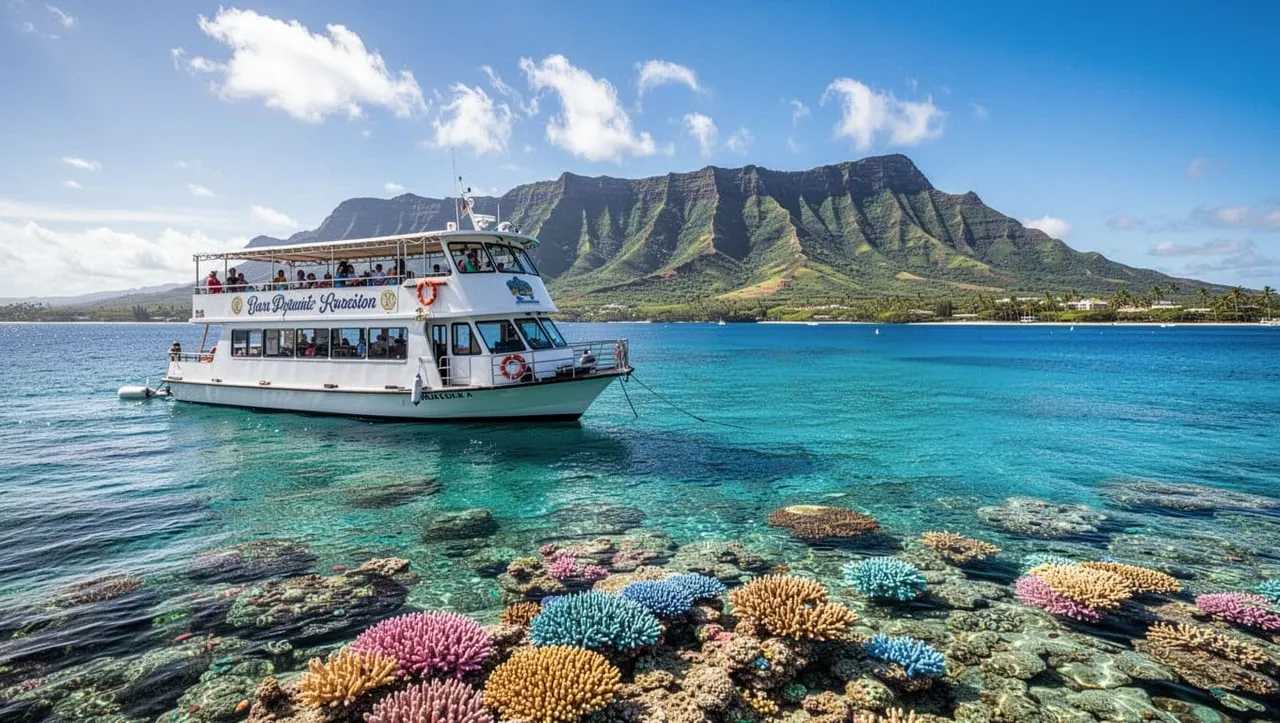
Boat features that make the day easier
Your comfort between stops matters as much as the time you spend in the water. Look for shaded seating, an onboard restroom, secure dry storage, and sturdy ladders that make getting back aboard less intimidating.
Double-decker boats also give you room to relax, watch the coastline, and spot wildlife between reef visits. You can dry off, drink water, and take in views of Diamond Head and Waikiki rather than sitting in wet gear.
Before booking, confirm whether the tour provides snacks, beverages, prescription masks, wetsuits, and reef-friendly sunscreen. Inclusions vary by operator.
What to bring yourself
Bring a swimsuit, towel, sun protection, and a secure way to store valuables. A light cover-up is useful after snorkeling because ocean wind can feel cool on the ride back.
If you use prescription lenses, ask about mask options before you reserve. You should also tell the crew about mobility concerns, anxiety in open water, or past seasickness. A good team can suggest the best way to enjoy the trip.
What You Might See at Each Snorkel Stop
Reefs are living habitats, so no tour can promise a precise wildlife list. However, clear water around Waikiki can reveal schools of reef fish, coral formations, sea urchins, and larger visitors moving through the area.
The magic comes from paying attention. Look slowly along the reef edge, then pause and scan the blue water beyond it. Fish often appear after you stop kicking.
Turtle Canyons and Hawaiian green sea turtles
Turtle-focused sites near Waikiki are popular because Hawaiian green sea turtles may visit natural cleaning stations. Small reef fish remove algae and debris from the turtles, while snorkelers can observe the scene from a respectful distance.
You should never chase, touch, feed, or block a turtle’s path to the surface. The Hawaii Department of Land and Natural Resources’ sea turtle guidance explains that close contact can stress these protected animals.
A second reef can change the whole view
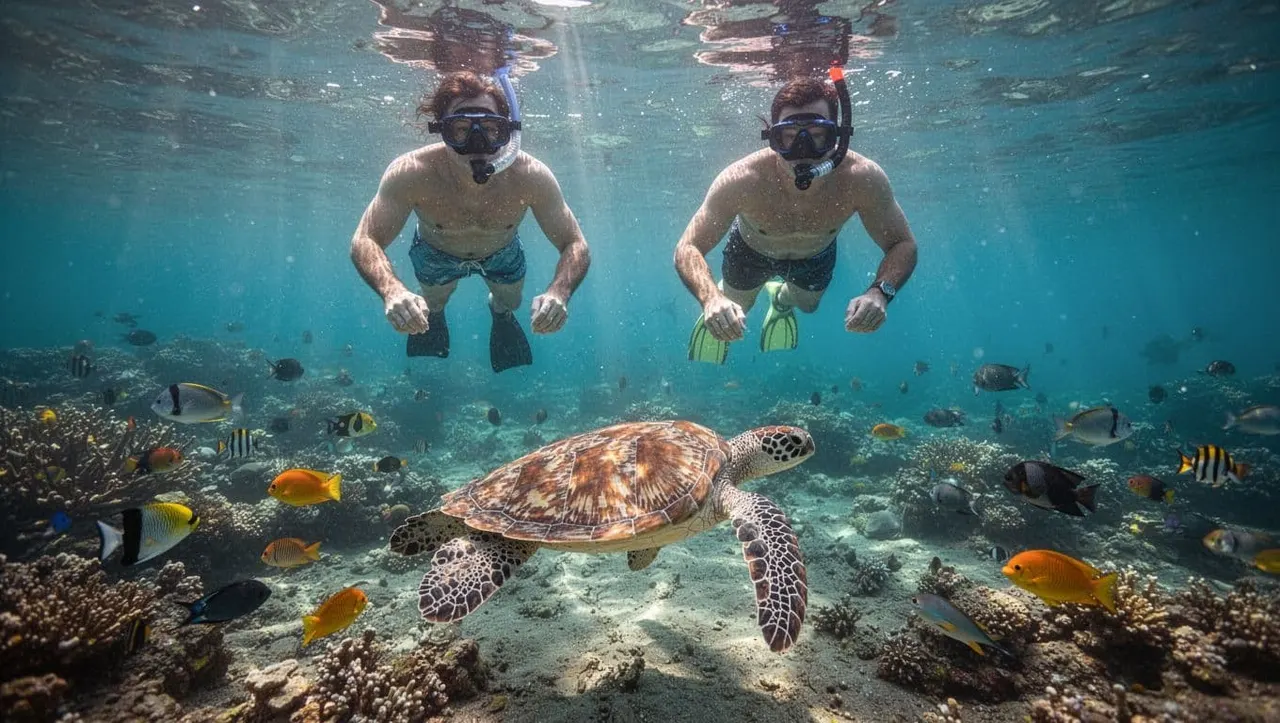
Your second stop may reveal a different underwater scene. One reef may have more sheltered coral heads and smaller fish, while another may have more open water and stronger visibility.
You may see yellow tang, butterflyfish, parrotfish, surgeonfish, and colorful wrasses. Keep your fins well above the coral and avoid standing on the reef, even in shallow water. The National Park Service’s snorkeling guidance also advises visitors not to touch corals or approach marine wildlife.
A few quiet minutes can lead to your best sightings. The reef is active, but it rewards patience.
Why Professional Snorkel Guides Matter
The ocean feels more welcoming when you know someone is watching the conditions and helping you use your gear correctly. That is especially true if you haven’t snorkeled before or if your child is trying it for the first time.
Living Ocean Tours is the only tour company with professional snorkel guides. You get personal help before entry, guidance in the water, and a crew that can point out wildlife without crowding it.
You get help before small problems grow
A leaking mask or loose fin can turn a great moment into a frustrating one. Professional guides can correct a mask fit, offer a flotation device, and show you how to breathe calmly through a snorkel.
You don’t need to be an advanced swimmer to enjoy a guided cruise. Let the team know your comfort level early, then stay close to the guide until you feel ready to explore at your own pace.
Respectful viewing protects the experience
Sea turtles, dolphins, monk seals, and reef fish are not attractions placed there for visitors. You are a guest in their habitat.
Follow the NOAA marine wildlife viewing guidelines for Hawaii: keep your distance, do not pursue animals, and never touch or feed them. Those simple choices give wildlife space and make sightings more natural for everyone in the water.
Choosing the Right Waikiki Snorkel Cruise
Living Ocean Tours operates from Kewalo Basin Boat Harbor, minutes from Waikiki Beach. Its Honolulu snorkeling tours and ocean cruises pair reef time with a welcoming crew, Coast Guard-inspected double-decker vessels, and practical comforts for guests of many skill levels.
The Turtle Canyons Snorkel Excursion focuses on snorkeling near Waikiki’s famous turtle cleaning station. Living Ocean Tours reports a 95% success rate for turtle sightings on this experience, though wildlife always remains wild and unpredictable. You can CHECK AVAILABILITY when a turtle-focused snorkeling trip fits your plans.
Pick a boat with room to relax
The Coral Kai offers spacious open-deck viewing, while the Lokahi adds a cash bar, water slide, and SeaKeeper stabilization system. That system reduces boat roll, which can make the ride more comfortable if you are sensitive to motion.
Both boats have shaded seating, restrooms, dry storage, and heavy-duty ladders. Those details help families, nervous beginners, and anyone who wants a more relaxed day offshore.
Match the tour to your group
The Deluxe Waikiki Snorkeling and Wildlife Cruise is a strong fit when your group wants more playtime around the reef. Along with snorkeling at a less-crowded reef, it includes a boat-mounted water slide, water trampoline, and floating lily pad. You can CHECK AVAILABILITY for a family-friendly cruise date.
If you visit between January and March, you may also want a separate whale-watching outing. Humpback whales are generally seen in Hawaii from November through April, with peak viewing from January through March, according to the Hawaiian Islands Humpback Whale National Marine Sanctuary.
Prepare for a Better Two-Stop Snorkel Day
Start hydrating before you board. Eat a light meal if you are prone to seasickness, and avoid arriving overly full or dehydrated.
You will have more fun if you arrive early enough to check in without rushing. Use that time to ask questions about your gear and tell the crew what you hope to see.
Keep your first entry simple
Enter the water slowly and stay near the boat until your breathing feels steady. Then float face-down and let your fins do the work with small, controlled kicks.
If water gets into your mask, signal for help or return to the ladder. There is no prize for pushing through discomfort. A relaxed first stop often makes the second stop your favorite part of the cruise.
Leave the reef the way you found it
Keep your hands off coral, shells, turtles, and fish. Do not take anything from the water, and avoid dropping food or plastic overboard.
Your photos will be better when you give wildlife room. More importantly, your distance protects the fragile reef that made the trip worth taking.
Make the Most of Your Time Below the Surface
The strongest Oahu snorkeling tours give you time, guidance, and choices. A two-stop cruise lets you settle in at one site, then enjoy a fresh underwater view without spending your whole vacation coordinating separate activities.
Choose a crew that values your comfort and the health of the reef. When you snorkel slowly, listen to your guides, and give wildlife space, you take home the kind of ocean memory that stays vivid long after your Waikiki trip ends.


