
Oahu Snorkeling Tours: Ask About Freshwater Rinses
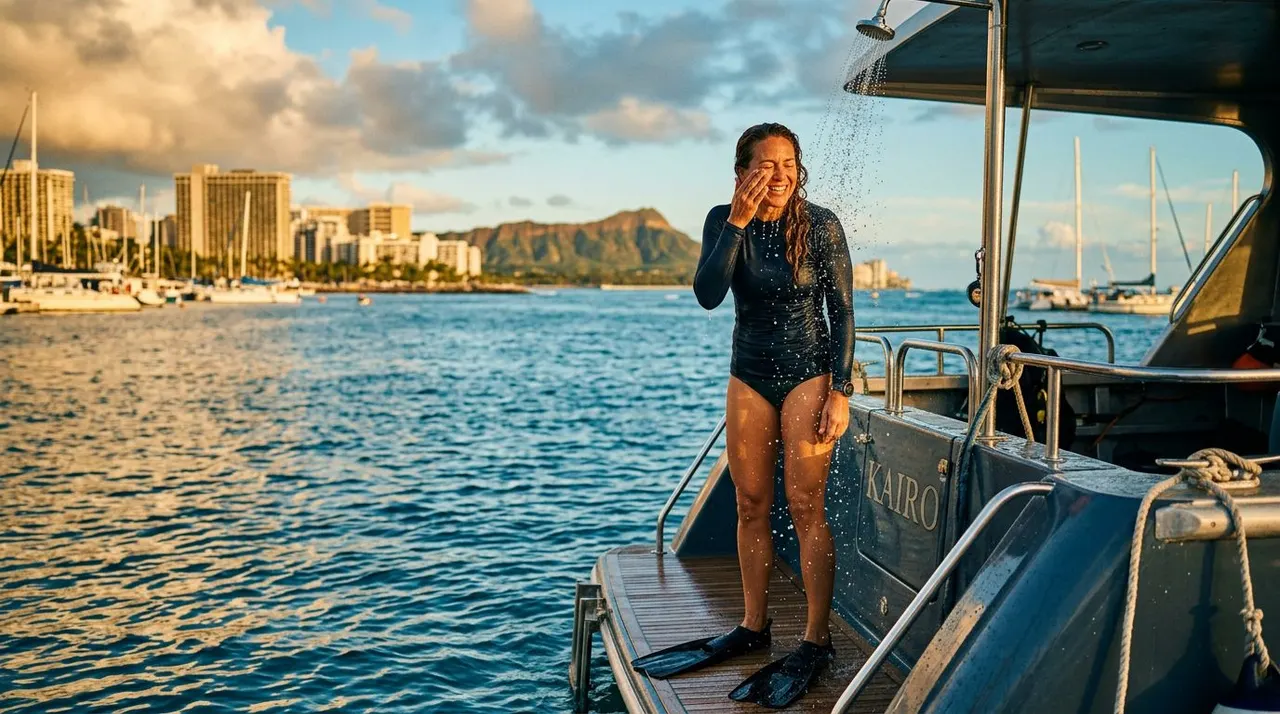
Saltwater can turn the last hour of a great snorkel into a sticky, gritty ride home. When you compare Oahu snorkeling tours, ask about the freshwater rinse before you compare photos, prices, or boat features.
A quick rinse removes salt from your skin, hair, and feet while helping you protect rental gear. Living Ocean Tours departs from Kewalo Basin Boat Harbor, minutes from Waikiki Beach, and gives you a comfortable place to start asking practical questions. Here is what to ask before you book.
Why Freshwater Rinses Matter After a Snorkel
You may spend an hour in the Pacific, then head straight to lunch, shopping, or another island activity. Salt left on your skin can feel tight and uncomfortable, while sand trapped in fins or mask straps can cause irritation.
A freshwater rinse won’t replace a full shower, but it makes the transition from ocean time to the rest of your day much easier.
Salt and sand can affect your comfort
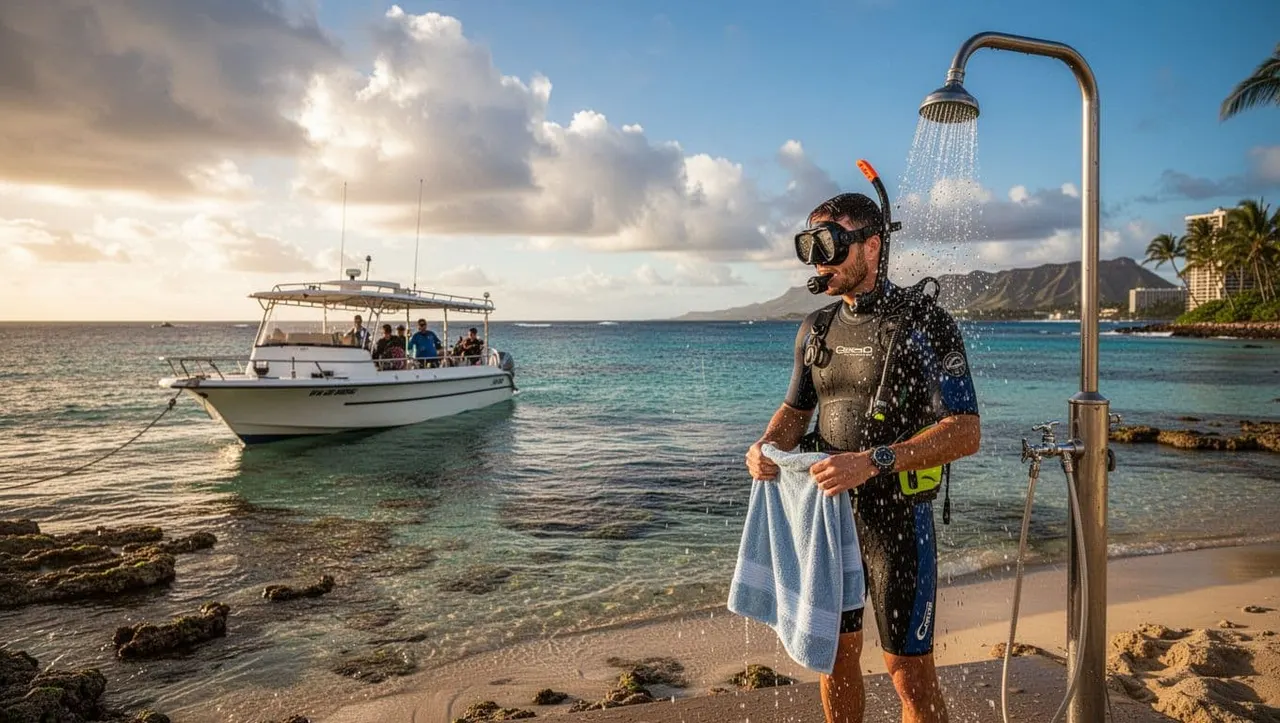
Salt crystals collect around your eyes, neck, ears, and swimsuit straps. If you have sensitive skin, that residue may become uncomfortable during a long ride back to the harbor.
Sand creates a second problem. It can remain inside fins, cling to a snorkel mouthpiece, or collect around mask seals. A freshwater rinse lets you remove much of that residue before you sit down for the ride home.
You should also ask whether the crew provides a place to rinse your feet. That small detail matters when you plan to wear sandals afterward or walk through a hotel lobby.
A rinse also helps protect equipment
Saltwater and sand can shorten the useful life of snorkel equipment when guests don’t rinse it properly. Ask whether the crew rinses masks, snorkels, fins, and flotation equipment after each trip.
You should never assume that a hose intended for your feet is also the correct place to clean a mask mouthpiece. A professional crew can show you where to return each item and how the equipment is handled between departures.
Oahu snorkeling tours: Questions to Ask Before Booking
Tour descriptions often focus on the reef, wildlife, boat, and duration. Those details matter, but post-snorkel comfort can affect your experience just as much.
A short phone call or booking question can give you a clearer picture of what happens after you leave the water.
Is the freshwater rinse onboard?
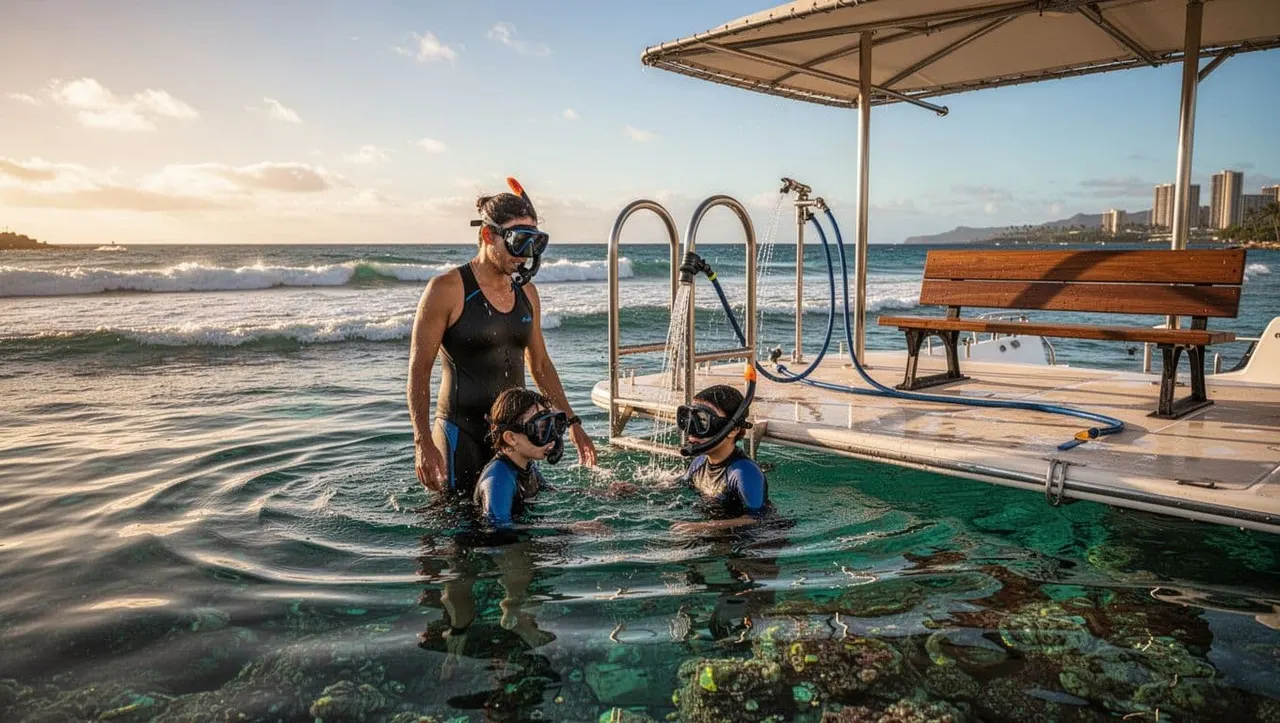
Ask whether the rinse is available on the boat, at the harbor, or only at a separate facility. An onboard rinse is more convenient because you can use it as soon as you climb out of the water.
You should also ask when guests can use it. Some operators allow rinsing during the return ride, while others limit access until the boat reaches the dock. If you have children, this timing can make a noticeable difference.
Find out whether the rinse area sits near the swim ladder. You don’t want to carry dripping fins across a crowded deck or walk barefoot over a slippery surface.
Does the rinse cover your body, gear, or both?
A deck hose may be designed for equipment and feet rather than a full-body rinse. Ask direct questions:
- Can you rinse your hair and shoulders?
- Is the water suitable for cleaning masks and snorkels?
- Can you rinse sandy feet before entering shaded seating?
- Are towels available, or should you bring your own?
- Does the crew explain where to place wet equipment?
These answers help you pack correctly. Even with a rinse, you may want a small cover-up, dry change of clothes, and a waterproof bag for your swimsuit.
What a Useful Boat Rinse Should Include
The best rinse setup is easy to find and simple to use. You shouldn’t need to interrupt a crew member or search several parts of the boat while carrying wet gear.
The system should also fit the tour’s guest mix. Families, first-time snorkelers, and older travelers may need clear instructions and a stable place to stand.
Look for easy access and safe footing
Ask whether the rinse station is next to a handrail, ladder, or stable deck area. A slippery deck can become a safety concern when guests remove fins or walk with wet feet.
A good crew will explain how to climb the ladder, where to sit, and where to place equipment. Heavy-duty ladders and shaded seating make the return from the water more comfortable, especially when the boat has several guests moving at once.
You can also ask whether the water comes from a handheld sprayer or a fixed shower. A handheld sprayer may give you more control, while a fixed shower can keep the deck less cluttered.
Ask how the crew handles masks and snorkels
Masks need careful handling because a scratched lens or damaged seal can affect your next swim. Snorkel mouthpieces also require proper cleaning and storage.
Ask whether the operator separates used equipment after the trip and how the crew rinses it. A freshwater rinse removes salt and loose sand, but it isn’t the same as the operator’s cleaning process. The crew should be able to explain that process clearly.
The most useful rinse is available immediately after your swim, with enough room to use it without blocking the ladder.
Freshwater Rinses and Responsible Reef Care
A rinse improves your comfort, but responsible snorkeling begins before you enter the water. You should follow every crew instruction around coral, fish, and sea turtles.
Avoid standing on coral or grabbing rocks for balance. Use the boat ladder, flotation support, or your guide’s direction instead. Hawaii’s Department of Land and Natural Resources advises swimmers to avoid touching coral reefs, and you can review its reef protection guidance.
Ask about sunscreen and wildlife rules
Apply sunscreen before boarding when possible, then ask whether the operator recommends a reef-conscious formula. Keep sunscreen away from shared masks and snorkels, and avoid applying excess lotion immediately before entering the water.
Your guide should also explain how to observe wildlife without touching, chasing, or surrounding it. NOAA’s Hawaii wildlife viewing guidelines recommend keeping marine encounters safe and respectful.
Freshwater belongs in the rinse area, not over the reef. Never use soap, shampoo, or cleaning products on the boat deck or near the ocean.
Why Living Ocean Tours Is Worth Asking About
Living Ocean Tours operates from Kewalo Basin Boat Harbor, close to Waikiki Beach. You can review its Oahu snorkeling and boat tours before choosing the trip that fits your schedule.
The company uses Coast Guard-inspected, custom-built double-decker vessels, including the Coral Kai and Lokahi. Both boats offer shaded seating, restrooms, dry storage, and sturdy ladders for water entry. The Lokahi also features a SeaKeeper stabilization system that helps keep the ride steady.
Living Ocean Tours is the only tour company with professional snorkel guides. That means you receive more than a mask and fins. Your crew can help you with water entry, equipment use, wildlife etiquette, and post-swim procedures, which is valuable if you are snorkeling for the first time.
Before your trip, ask the crew where the freshwater rinse is located and how guests should use it. You can also ask whether towels are included and whether the rinse is intended for people, equipment, or both.
Match the Rinse Question to Your Snorkel Plan
Different Oahu snorkeling tours create different comfort needs. A short wildlife excursion may have a different deck flow than a longer family cruise with several water activities.
Your plans, swimming ability, and group size should guide the questions you ask.
Turtle Canyon works well for a focused snorkel
The Turtle Canyon Snorkel Excursion is a two-hour trip with approximately one hour of in-water snorkeling. The tour visits a natural Hawaiian green sea turtle cleaning station, where Living Ocean Tours reports a 95% success rate for turtle sightings.
Because the trip centers on time in the water, ask about the rinse before you board. Find out where you can clean your feet, rinse your face, and return your mask and fins after the swim. You should observe turtles without touching or chasing them.
Review the Turtle Canyon snorkeling tour details, then use CHECK AVAILABILITY when you’re ready to compare dates.
Families may prefer more deck amenities
The Deluxe Waikiki Snorkeling and Wildlife Cruise includes access to a less-crowded reef, plus a boat-mounted waterslide, water trampoline, and floating lily pad. The longer three-hour format gives families more time to enjoy the boat between activities.
Ask where children can rinse their feet and whether the ladder area stays clear during water play. Shaded seating, restrooms, dry storage, and a stable deck can make the day easier for parents.
If this style of trip fits your group, use CHECK AVAILABILITY to review current departures.
Ask Before You Board
A freshwater rinse won’t determine whether you see turtles or tropical fish, but it can improve the hours after your swim. Ask where the rinse is located, what it covers, and how the crew handles used gear.
When you compare Oahu snorkeling tours, choose a company that pairs clean boat practices with professional guidance and respect for marine life. Living Ocean Tours gives you a practical starting point near Waikiki, with trained snorkel guides and boats designed for comfortable ocean time.


