
Oahu snorkeling tours: Ask About Water Depth
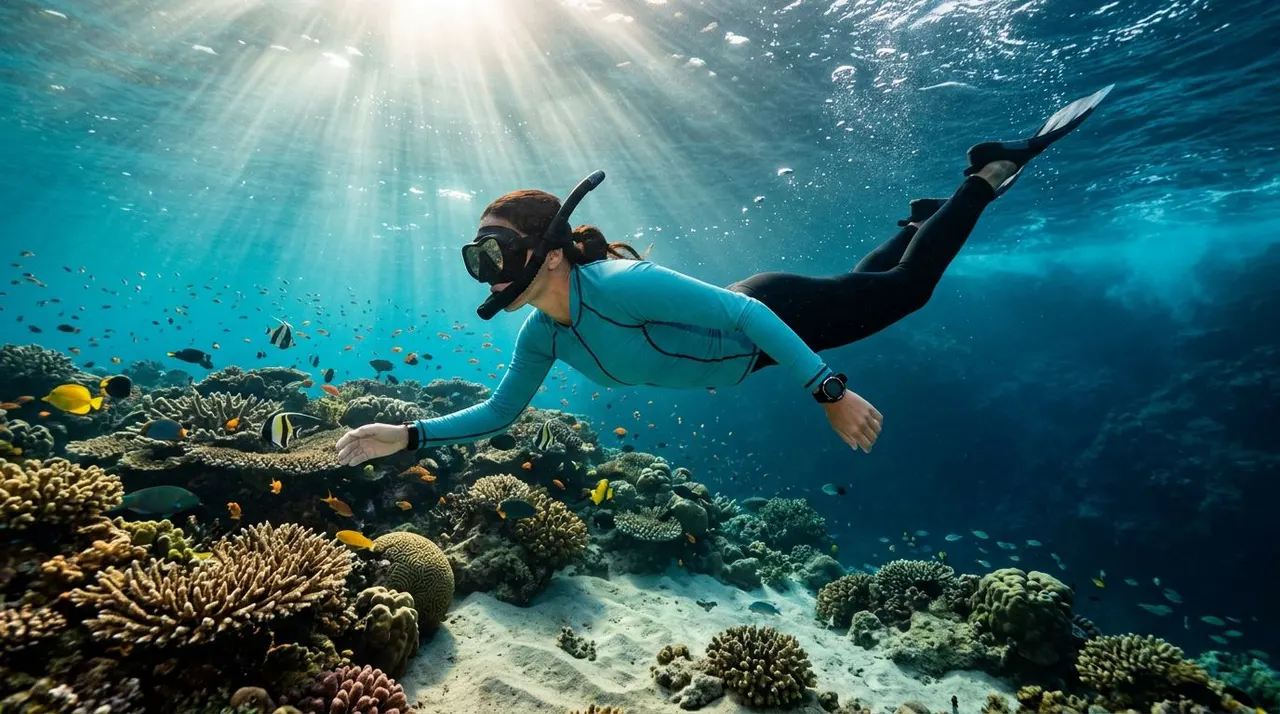
Water depth can change your entire snorkeling experience. A calm, shallow reef may feel comfortable, while deeper water with strong surge can challenge even confident swimmers.
When you compare Oahu snorkeling tours, ask for more than a general promise of clear water. You need to know the expected depth, bottom conditions, current, and support available in the water. Living Ocean Tours departs from Kewalo Basin Boat Harbor near Waikiki, where professional guides help you choose an experience that fits your comfort level.
Why water depth matters on a snorkeling tour
Snorkeling doesn’t require you to touch the seafloor, but depth still affects how secure you feel. When you can see the bottom, you may relax faster. In deeper water, the distance below you can feel much greater, especially if visibility changes during the trip.
Depth also affects how guides manage the group. A professional crew may choose a location based on current conditions, swimmer ability, wind, swell, and marine life activity. The advertised destination can remain the same while the exact entry point changes for safety.
A tour that reaches deeper water isn’t automatically better. You may see more fish over a reef wall, but you might prefer a calmer area where you can focus on breathing and enjoying the view. Ask whether the crew offers different zones or allows you to remain near the boat and guide.
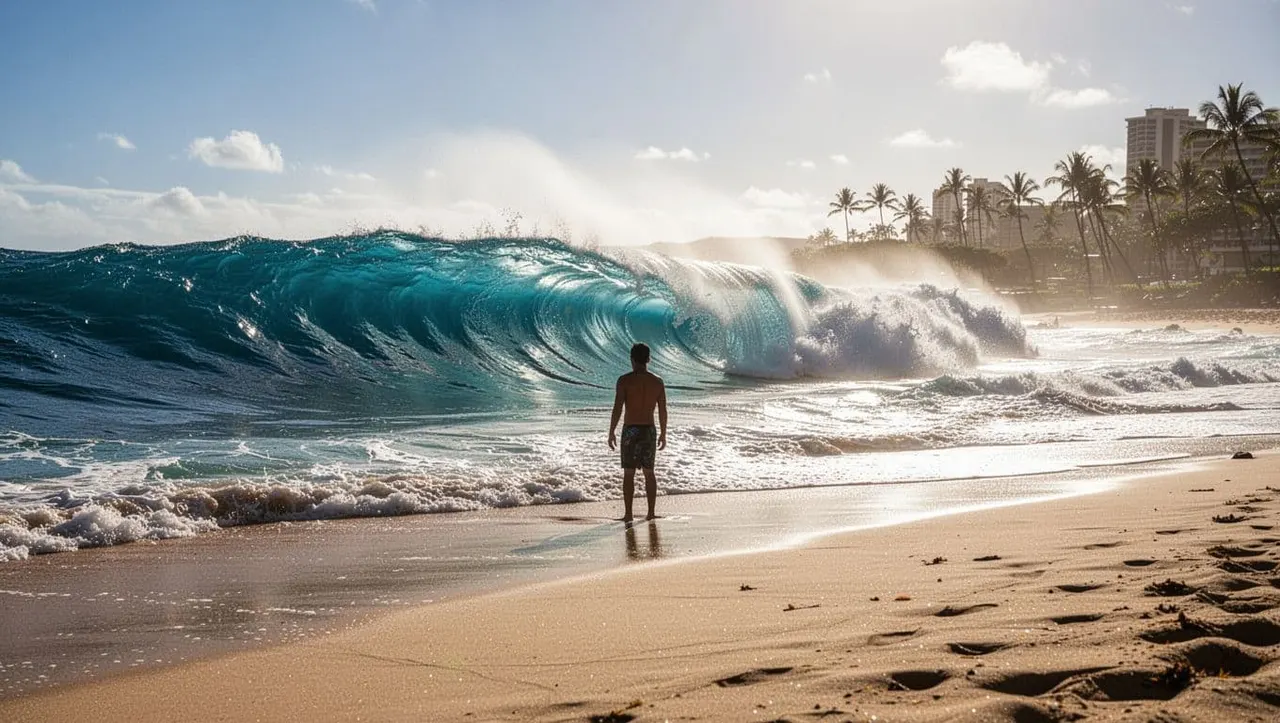
Water depth tells you how far the bottom is below you. It doesn’t tell you how easy the water will feel. Current, surge, wind, and visibility matter just as much.
The bottom profile matters, too. A flat sandy area usually feels different from a reef ledge, sloping wall, or cleaning station surrounded by uneven coral. Ask the operator to describe what you’ll see beneath you, not only how many feet of water you can expect.
Oahu snorkeling tours: questions to ask before booking
A good operator should answer water-depth questions clearly. If the answer depends on conditions, the crew should explain what can change and when they make the final decision.
Ask these questions before you reserve:
- “What is the expected water depth at the snorkeling site today?”
- “What is the shallowest area, and where does the bottom become deeper?”
- “Will I enter in shallow water, or will I jump from the boat into open water?”
- “Does the reef slope away quickly from the entry point?”
- “What are the current, surge, wind, and visibility conditions?”
- “Can I stay close to the guide or boat if deeper water makes me uncomfortable?”
- “Do you provide flotation equipment, and can beginners use it during the entire snorkel?”
- “How does the crew assist guests who need help getting back on board?”
The phrase “about 20 feet deep” doesn’t tell you whether the water is calm or moving. Ask how the depth feels in current conditions. A deeper site with little movement may feel easier than a shallow reef with constant surge.
You should also ask whether the listed depth is an average, a maximum, or an estimate for one section of the site. Depth can vary across a reef, and the captain may adjust the location after checking the water.
If your group includes children or first-time snorkelers, ask about age requirements, swimming expectations, and adult supervision. Living Ocean Tours welcomes guests ages 3 and older on suitable experiences, but you should still confirm the requirements for your chosen trip.
How depth changes around Oahu
Oahu’s snorkeling sites don’t all have the same underwater shape. Waikiki reef areas may include sandy patches, coral formations, and deeper sections close together. A boat can also move between locations if the first site becomes uncomfortable because of wind or water movement.
At Turtle Canyons, the focus is a natural underwater cleaning station where Hawaiian green sea turtles often gather. The exact depth can change with the route, tide, and conditions. Ask whether the crew expects you to snorkel over the station itself or in the surrounding reef area.
Shallow water is not always the safest option. When waves push across a reef, coral can become a hazard, and surge can make it difficult to maintain position. Deeper open water may provide more room, but you need clear guidance and suitable flotation if you aren’t a strong swimmer.
Weather reports and online comments can help you notice recent changes, but they can’t replace an on-site assessment. An informal [Oahu snorkeling conditions discussion](https://www.reddit.com/r/VisitingHawaii/comments/up2a2u/ Oahu_website_for_snorkeling_conditions/) may offer traveler observations, yet your captain’s same-day decision should guide your plans.
Visibility deserves its own question. Clear water lets you judge distance and watch your position relative to the reef. Murky water can make a moderate depth feel unsettling because you lose visual contact with the bottom.
Also ask how long the boat remains at the site. A longer stop gives you time to settle into the water, adjust your breathing, and decide how far you want to explore. You don’t need to swim to the deepest section to enjoy marine life.
Match the depth to your swimming comfort
Your ideal tour depends on how you respond to open water, not on whether you can swim a certain distance in a pool. Consider your comfort in these situations:
- If you feel nervous without seeing the bottom, choose a tour with a guide-led entry and flotation support.
- If you swim well but dislike strong movement, ask about surge, current, and the most protected part of the route.
- If you have snorkeling experience, ask whether the site includes a reef slope, wall, or deeper viewing area.
- If you travel with children, confirm that the entry ladder, water access, and supervision plan suit your family.
Breathing through a snorkel can take practice. A clear explanation from the guide often matters more than a few extra feet of water. You should know how to clear your mask, adjust your position, and signal for help before you move away from the boat.
The vessel itself can improve your comfort. Shaded seating gives you a place to rest between water sessions. A stable boarding ladder helps you return aboard without rushing. Dry storage and restrooms also make a longer ocean outing easier for families.
For couples or groups with different swimming abilities, ask whether everyone must snorkel at the same depth. A well-run tour should provide clear boundaries while allowing confident swimmers and cautious guests to enjoy the water in different ways.
What to ask Living Ocean Tours about water depth
Living Ocean Tours is based at Kewalo Basin Boat Harbor, just minutes from Waikiki Beach. Its Oahu ocean tours include guided snorkeling and wildlife experiences along the Waikiki coastline.
The company is the only tour company with professional snorkel guides. That distinction matters when you have questions about depth, reef shape, marine life, or staying comfortable in open water. Guides can explain the conditions before you enter and help you observe Hawaii’s wildlife without touching it.
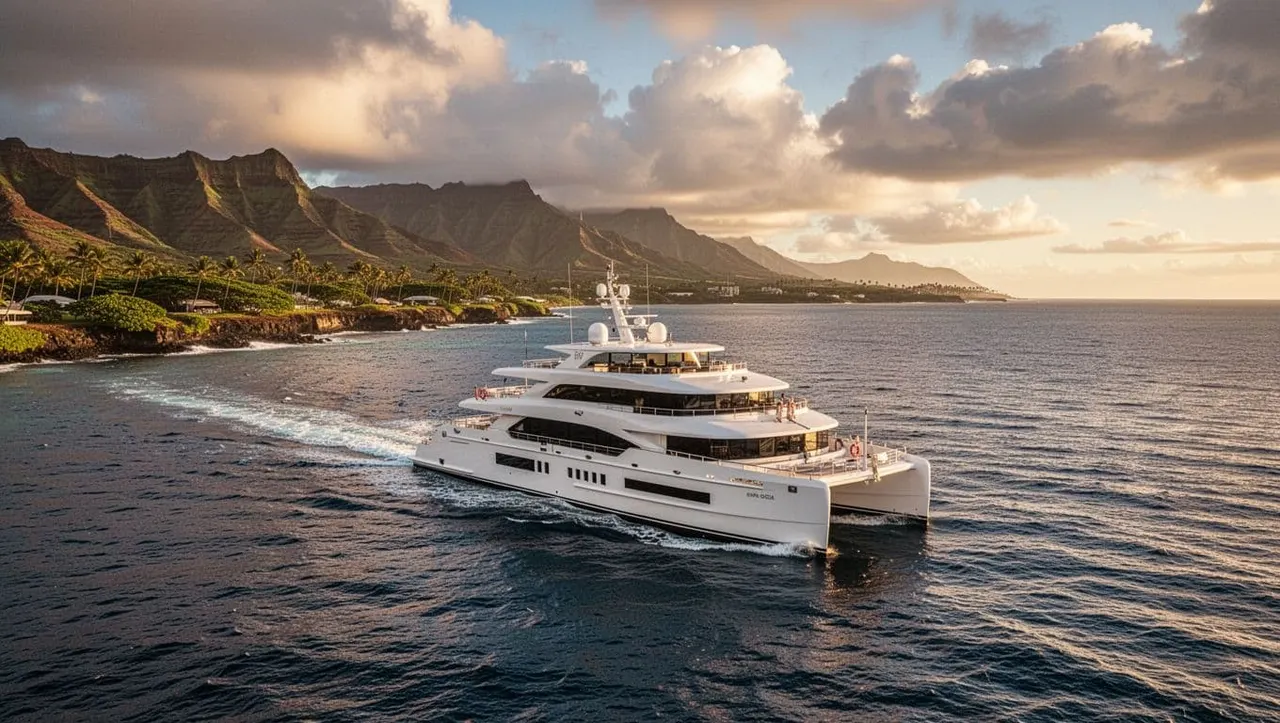
The fleet includes the Coast Guard-inspected Coral Kai and Lokahi. Both vessels offer shaded seating, onboard restrooms, dry storage, and heavy-duty ladders for easier water entry. The Lokahi also includes a SeaKeeper stabilization system, which reduces rolling and can make time aboard more comfortable for guests who are sensitive to boat movement.
For a turtle-focused experience, the Turtle Canyons Snorkel Excursion visits a natural cleaning station with a reported 95% success rate for spotting Hawaiian green sea turtles. Ask the crew about the expected depth and water movement on your date. You can enjoy the encounter while keeping a respectful distance and following the “observe, don’t touch” rule.
If you want snorkeling plus more time on the boat, the Deluxe Waikiki Snorkeling and Wildlife Cruise visits a less-crowded reef and includes a boat-mounted waterslide, water trampoline, and floating lily pad. Ask whether the planned reef area has a shallow portion for less confident swimmers and where the guide will position the group.
You can CHECK AVAILABILITY for the Turtle Canyons excursion or CHECK AVAILABILITY for the deluxe cruise.
Make water depth part of your booking decision
When you compare Oahu snorkeling tours, treat water depth as one part of a larger safety picture. Ask about the bottom, current, surge, visibility, entry method, flotation, and guide support.
A trustworthy operator won’t promise identical conditions every day. Instead, the crew will explain the plan, update you when conditions change, and help you choose how far to swim. That honesty gives you better information than a vague depth number.
For first-time snorkelers, a professional guide and stable boat may matter more than reaching the deepest reef. Experienced swimmers can ask for more open-water time, while families can focus on easy boarding, shade, and clear supervision.
The right question isn’t only, “How deep is the water?” Ask, “What will the water feel like, and how will your crew support me there?” That answer helps you book a trip that feels exciting without pushing you beyond your comfort level.
Conclusion
Water depth affects confidence, visibility, reef access, and the way your guide manages the group. Before booking, ask for the expected range, bottom profile, current conditions, entry method, and flotation support.
Living Ocean Tours pairs professional snorkel guides with stable, amenity-rich boats and guided wildlife experiences near Waikiki. When you understand the water before entering, you can spend less time worrying about the bottom and more time watching Hawaii’s marine life responsibly.


