
Oahu Snorkeling Tours: Ask About Gear Sanitizing
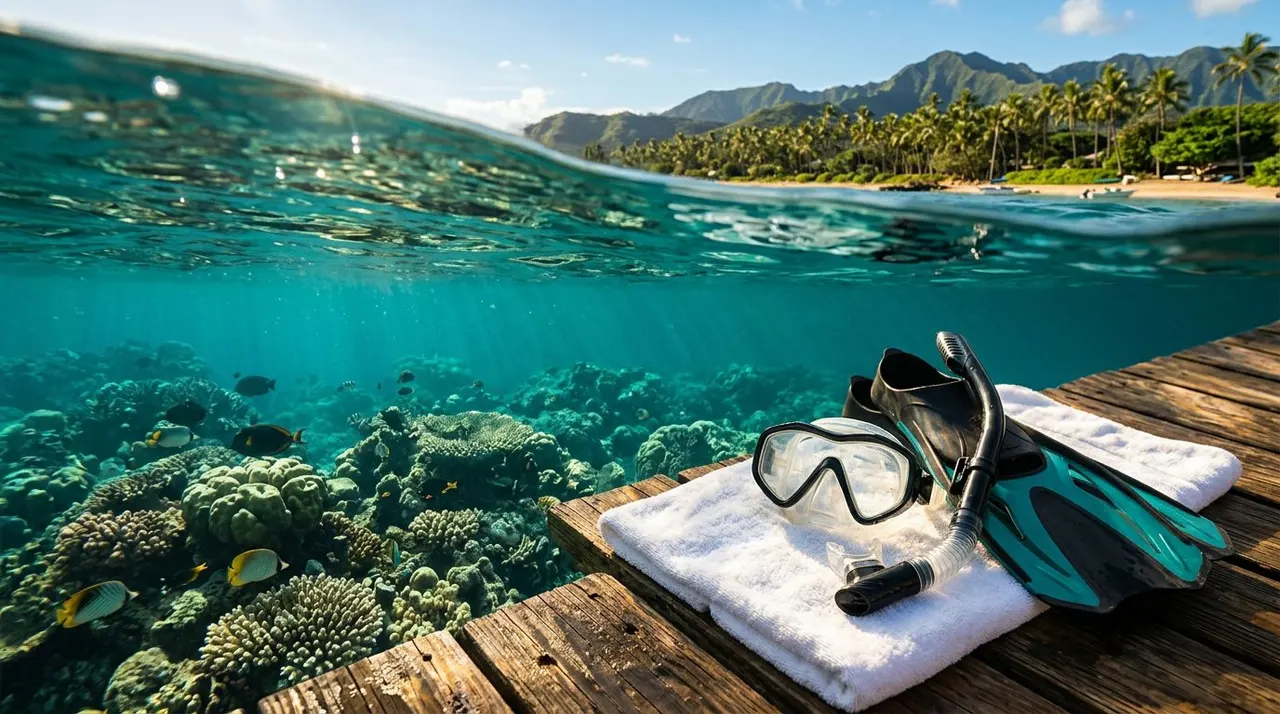
A beautiful reef doesn’t feel relaxing when you wonder who used your snorkel before you. Before booking Oahu snorkeling tours, ask how the operator cleans, disinfects, stores, and replaces shared equipment.
A quick rinse removes salt and sand, but it doesn’t answer your hygiene questions. You deserve clear information about the mask, snorkel, fins, flotation gear, and the crew’s process. These questions help you choose a tour that feels safe, comfortable, and worth your time on the water.
Why Gear Sanitizing Matters on an Oahu Snorkeling Tour
Snorkeling equipment touches several parts of your body. The snorkel mouthpiece touches your lips and teeth. The mask skirt rests against your face, while fins and flotation equipment move between guests throughout the day.
Saltwater also creates its own cleaning challenge. A rinse can remove visible debris, but it doesn’t automatically disinfect a shared mouthpiece or mask. You should ask whether the crew uses a proper cleaning and disinfecting process after each use, rather than relying on fresh ocean water.
The question matters even more on busy tour days. An operator may take out several groups, then return to the harbor and prepare for the next departure. A reliable process keeps used gear separate from clean gear and gives crew members enough time to follow each step.
You can ask these questions before you pay:
- Does the crew disinfect snorkels after every guest?
- Are mask skirts and mouthpieces cleaned between trips?
- What happens to gear after a guest returns it?
- Does the team follow the product manufacturer’s required contact time?
- How does the crew store clean equipment before your tour?
- Can you bring personal gear if you prefer?
- Are replacement mouthpieces available when equipment shows wear?
A straightforward answer should include more than “we rinse everything.” You should hear how the crew handles the equipment from the moment a guest returns it until the next group receives it.
A clean-looking snorkel isn’t proof of a complete sanitation process. Ask what happens between guests.
The Gear Sanitizing Questions to Ask Before You Book
You don’t need technical knowledge to evaluate a tour company’s answer. You need enough detail to tell the difference between a real procedure and a vague promise.
Start with the snorkel. Ask whether the entire snorkel is cleaned or only the mouthpiece. Water can enter the tube during use, so the full item deserves attention. Find out whether the crew uses a disinfectant approved for the equipment and follows the product’s directions for dilution, contact time, and rinsing.
Next, ask about masks. The silicone skirt touches your skin and can collect sunscreen, makeup, and natural oils. Ask whether the mask is washed and disinfected after every use. If you wear prescription glasses or use contact lenses, also ask whether the crew offers different mask sizes for a proper seal.
Fins usually create less personal contact, but they still pass between guests. The same applies to flotation belts, life jackets, pool noodles, and other shared items. Ask whether these pieces receive a rinse only or a deeper cleaning after each trip.
You should also ask about storage. Clean equipment should stay away from used gear, wet decks, and dirty bins. Separate collection and storage areas show that the company has a repeatable routine instead of cleaning only when someone remembers.
Finally, ask how the crew handles damaged equipment. Cracked snorkel tubes, rough mouthpieces, loose straps, and worn mask skirts can affect your comfort and safety. A professional operator should inspect gear and remove items that no longer perform properly.
The best time to ask is before booking, not after you arrive at the harbor. If the answer is unclear, ask for a staff member who works directly with the equipment. Their response should be calm, specific, and easy to understand.
What a Strong Answer Sounds Like
A dependable tour operator won’t treat sanitation questions as an inconvenience. The crew should explain the cleaning steps in plain language and tell you which parts of the equipment receive attention after each use.
Listen for details about cleaning, disinfection, rinsing, drying, and storage. These are separate steps. Cleaning removes oils and debris. Disinfection addresses microorganisms on the surface. Rinsing removes residue, while drying and proper storage help keep equipment ready for the next guest.
You can also ask whether staff members inspect gear before handing it out. A mask that leaks or a snorkel with a stiff mouthpiece can make your first few minutes in the water frustrating. Good equipment fitting should happen before you enter the ocean, especially if you’re a beginner or traveling with children.
A clear policy may sound like this: the crew collects used gear separately, cleans and disinfects it according to product directions, rinses it, checks for damage, and stores it away from equipment waiting for cleaning. The exact products and steps may differ, but the sequence should make sense.
Be cautious when a company says only that the gear is “fresh,” “clean,” or “sanitary” without explaining what those words mean. You can ask one follow-up question: “What do you do with the snorkel after a guest returns it?” That question usually reveals whether the operator has a defined process.
You should also ask about fit and personal comfort. If you have a sensitive face, a smaller adult face, or a child who needs a particular size, tell the crew before departure. Professional guidance can reduce mask leaks and keep you from adjusting equipment constantly in the water.
How Living Ocean Tours Approaches Your Snorkeling Experience
Living Ocean Tours departs from Kewalo Basin Boat Harbor, a short distance from Waikiki Beach in Honolulu. The company focuses on guided ocean experiences along the Waikiki coastline, with provided snorkeling equipment and support for first-time swimmers and experienced guests.
The company is the only tour operator with professional snorkel guides, so you have trained support before you enter the water and while you’re exploring. That matters when you need help choosing a mask, adjusting your snorkel, or understanding how to move around marine life without touching it.
The Turtle Canyon Snorkel Excursion visits a natural underwater cleaning station known for Hawaiian green sea turtle sightings. Living Ocean Tours reports a 95% success rate for spotting turtles on this excursion. Your guide can help you observe from a respectful distance, where you can enjoy the encounter without chasing or touching wildlife.
For families and active groups, the Deluxe Waikiki Snorkeling and Wildlife Cruise combines a less-crowded reef area with water activities, including a boat-mounted slide, water trampoline, and floating lily pad. You can ask the crew how shared water equipment is cleaned, along with the standard mask, snorkel, and fin routine.
Living Ocean Tours operates Coast Guard-inspected, custom-built double-decker vessels, the Coral Kai and the Lokahi. Both include shaded seating, restrooms, dry storage, and sturdy ladders for water entry. The Lokahi also has a SeaKeeper stabilization system, which helps keep the boat steady while you prepare your gear.
If the Turtle Canyon itinerary fits your plans, review the available departure times before you book.
You can also CHECK AVAILABILITY for the Turtle Canyon snorkel tour online.
For the deluxe cruise, compare the departure time with your family’s schedule and ask about equipment sizes before you arrive.
You can CHECK AVAILABILITY for the Deluxe Waikiki Snorkeling and Wildlife Cruise.
How to Compare Oahu Snorkeling Tours
Sanitation is one part of a good tour policy, but it should connect with the rest of your experience. Look for an operator that provides clear meeting instructions, professional guidance, safety equipment, and enough time to fit your gear before entering the water.
Your group also needs the right setting. A beginner may value a calm introduction and close crew support. An experienced swimmer may prefer more time at the reef. Families should ask about child-size equipment, ladder access, flotation options, and minimum ages before booking.
Ask whether the tour uses guides in the water or only gives instructions from the boat. In-water professional snorkel guides can help you adjust equipment, identify marine life, and maintain a respectful distance from turtles and coral.
Boat comfort affects the experience as well. Shaded seating, restrooms, dry storage, stable boarding areas, and a steady vessel can make a noticeable difference, especially when you have children or guests who experience motion sickness.
Before you reserve, use this short sequence:
- Ask how the crew cleans and disinfects shared gear.
- Confirm mask sizes, flotation options, and child equipment.
- Check where the tour departs and how early you should arrive.
- Ask whether professional snorkel guides enter the water.
- Review the cancellation policy, weather policy, and available departure times.
A company that answers these points clearly gives you more confidence before the boat leaves the harbor.
What You Can Bring for Extra Comfort
You may bring a personal snorkel or mask if you prefer using your own equipment. Even then, check the tour’s policy before packing it. Your gear should fit correctly, seal well, and work with the conditions you expect to encounter.
Pack reef-conscious sunscreen, a swimsuit, a towel, and a dry change of clothes. Choose sunscreen that follows local rules and avoid touching coral or marine animals. Hawaiian green sea turtles need space to rest, feed, and move naturally.
If you have allergies or skin sensitivities, tell the crew before the tour. Ask about mask materials, flotation gear, and cleaning products so you can make an informed choice.
Conclusion
When you compare Oahu snorkeling tours, ask more than where the boat goes. Find out how the crew handles every shared snorkel, mask, fin, and flotation item between guests.
Living Ocean Tours pairs professional snorkel guides with beginner-friendly support, provided equipment, and reef-focused experiences near Waikiki. By asking clear sanitizing questions before booking, you can spend less time worrying about your gear and more time watching Hawaii’s marine life from a respectful distance.


