
Oahu Snorkeling Rash Guard Tips for Sensitive Skin
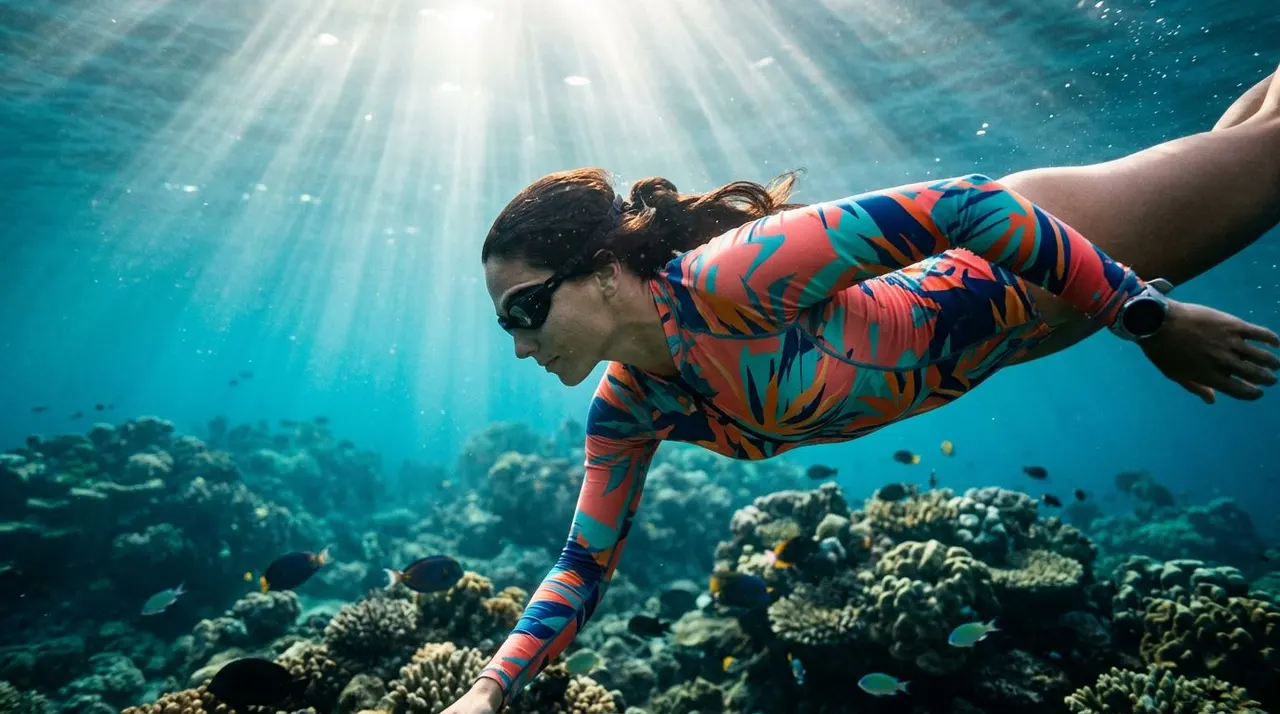
If your skin gets cranky fast, a snorkel day can turn from fun to irritating in a hurry. Sun, salt, straps, and rough seams all pile on, and Oahu’s bright water adds even more exposure.
Living Ocean Tours in Honolulu gives you a guided option that helps you stay comfortable before you even jump in. You also get the only tour company with professional snorkel guides, which matters when you want steady guidance, better gear checks, and less guesswork.
The right Oahu snorkeling rash guard takes a lot of pressure off your skin. It does more than cover you, it trims friction, blocks sun, and makes the whole day feel easier.
Key Takeaways
- A long-sleeve rash guard helps protect sensitive skin from UV, salt, and rubbing.
- Fit matters just as much as fabric, because loose sleeves can chafe and ride up.
- Reef-safe sunscreen still matters on exposed areas like your face, hands, and legs.
- A guided snorkel trip can reduce stress if you need help with fit, pacing, or water entry.
- The best setup is simple, lightweight, and easy to rinse after the swim.
Why a Rash Guard Helps Sensitive Skin in Oahu
Snorkeling is hard on sensitive skin because the ocean doesn’t treat every part of your body the same way. Your shoulders get baked by reflected sunlight, your chest gets brushed by a life vest or flotation belt, and your underarms or neck may rub against seams for an hour or more. Add saltwater, and skin that already leans dry or reactive can start stinging.
A rash guard creates a smooth barrier between you and the outside world. That barrier matters on Oahu, where the sun hits from above and below. Water reflects light like a mirror, so you can burn faster than you expect. Gear guides like rash guards for sensitive skin and UPF shirts for reef explorers point to the same idea, long sleeves do a lot of work before sunscreen ever enters the picture.
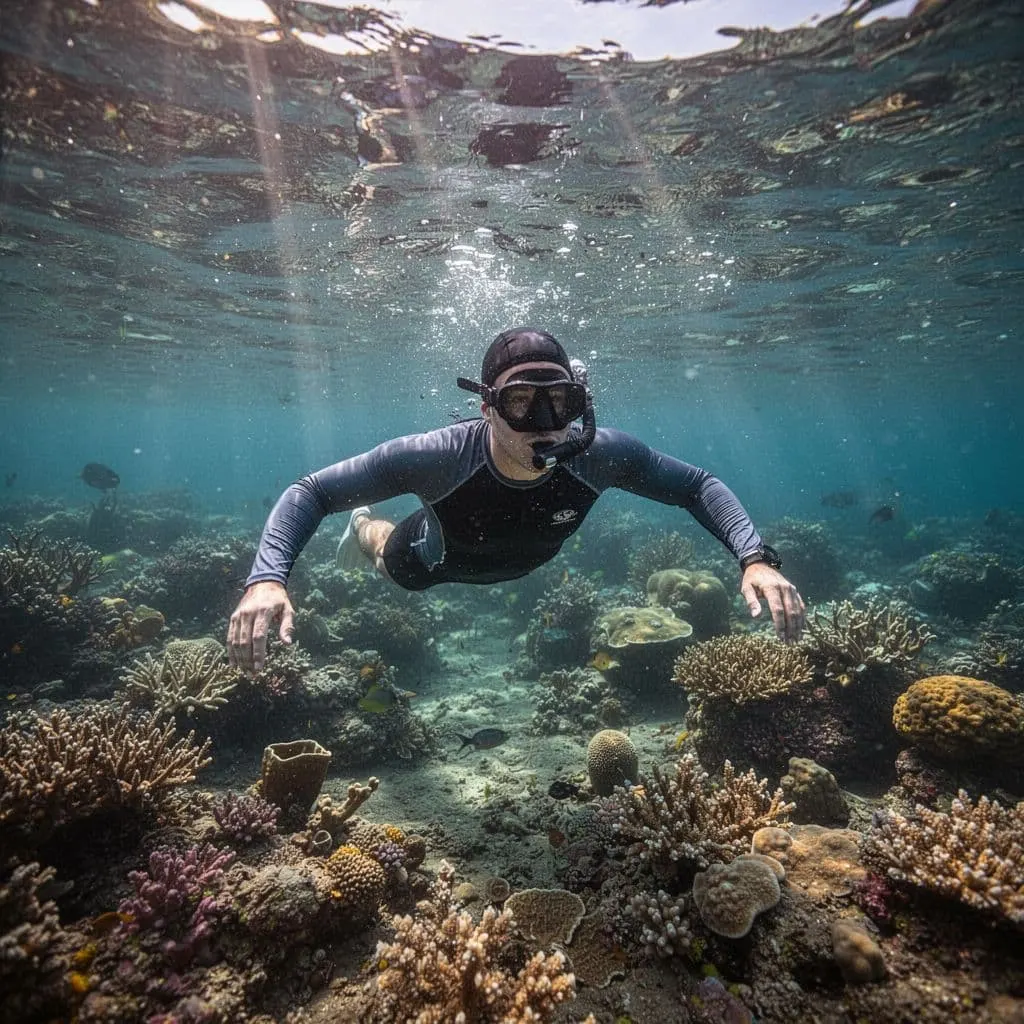
A good rash guard also keeps your skin from feeling raw after the swim. That helps if you’re prone to eczema, heat rash, or simple irritation after a long beach day. You don’t want to spend your evening scratching instead of enjoying the sunset.
How to Choose the Right Fit and Fabric
The best Oahu snorkeling rash guard should feel close to the skin without feeling tight. If it floats away from your body, water can rush in and out of the fabric, which often leads to rubbing. If it’s too tight, it may pinch your shoulders or neck before you even reach the reef.
Use this quick comparison when you shop:
| Feature | Better Choice | Why It Matters |
|---|---|---|
| Fabric | Smooth synthetic blend with UPF 50+ | Dries fast and blocks more sun |
| Fit | Snug, but not compressive | Reduces bunching and rubbing |
| Sleeves | Long sleeves | Covers shoulders and upper arms |
| Seams | Flat or low-profile seams | Lowers chafe under straps |
| Neckline | Higher crew or mock neck | Protects a common burn area |
A higher neckline can help if your neck burns easily, but you still want room to move. If you snorkel with a vest, test the seam lines under the straps before you book the trip. The wrong seam can turn into a sandpaper line by lunchtime.
Color matters less than comfort, although darker shades often feel less see-through when wet. If you prefer a lighter color, choose a thicker fabric and make sure it still dries quickly. Heavy fabric traps heat, and that can irritate skin almost as much as the sun.
Smart Pre-Snorkel Habits for Sensitive Skin
Your rash guard helps most when the rest of your prep is calm and consistent. Treat the morning like a skin-care routine, not a rush to the dock.
Start with a fresh shower, then apply fragrance-free, reef-safe sunscreen to every exposed area. Focus on your face, ears, hands, and the backs of your knees. Let it settle before you dress, because wet sunscreen can rub off fast once you start moving.
Then think about what touches your skin once you’re on the boat. A dry rash guard is easier to slide on, and it usually feels smoother than one that’s already damp from the beach. If you know you react to sunscreen, try a small patch at home before your trip. That simple test can save you a miserable afternoon.
A few habits make a big difference:
- Put your rash guard on before you arrive at the dock, so you’re not tugging at damp fabric in the sun.
- Bring a second dry top if your skin gets irritated after long exposure.
- Rinse salt off your face and neck as soon as you’re back on the boat.
- Avoid scented lotions right before snorkeling, because they can mix badly with heat and salt.
- Drink water early, because dry skin often feels worse when you’re dehydrated.
If you want more skin coverage ideas, the Honolulu snorkeling tours page is a smart place to compare guided options before you pick a day on the water.
A Guided Oahu Trip Can Make the Day Easier
Living Ocean Tours is a strong fit when you want a snorkel day that feels organized, relaxed, and beginner-friendly. The company runs out of Kewalo Basin Boat Harbor, just minutes from Waikiki, so you spend less time scrambling and more time getting ready properly. That matters when you have sensitive skin, because rushed prep usually leads to forgotten sunscreen, poor fit, or gear that rubs in the wrong place.
If you want turtle-focused snorkeling, the Turtle Canyon Snorkel Excursion keeps the day simple with professional guidance and a clear plan in the water. That matters when you’d rather focus on comfort than figuring out where to go next.
For a more active family-style outing, the Deluxe Waikiki Snorkeling and Wildlife Cruise adds a water slide, a water trampoline, and a floating lily pad. If your skin prefers less time in the sun between swims, that kind of boat setup helps you break up the day and reset in the shade.
The crew’s guidance also helps if you’re nervous about fit or about what you might touch in the water. That support matters around coral and wildlife, because you should watch, float, and move gently. The calmer your movements, the less likely you are to trigger friction, bumps, or flare-ups on already-sensitive skin.
Conclusion
A good snorkel day starts with comfort, and comfort starts before you hit the water. The right Oahu snorkeling rash guard gives you sun protection, reduces rubbing, and helps your skin stay calm through the whole outing.
If your skin tends to react fast, keep the formula simple, long sleeves, smooth seams, reef-safe sunscreen, and a guided trip that takes pressure off your planning. When you get those pieces right, Oahu feels less harsh and a lot more enjoyable.


