
Oahu Snorkeling When North Shore Surf Is High
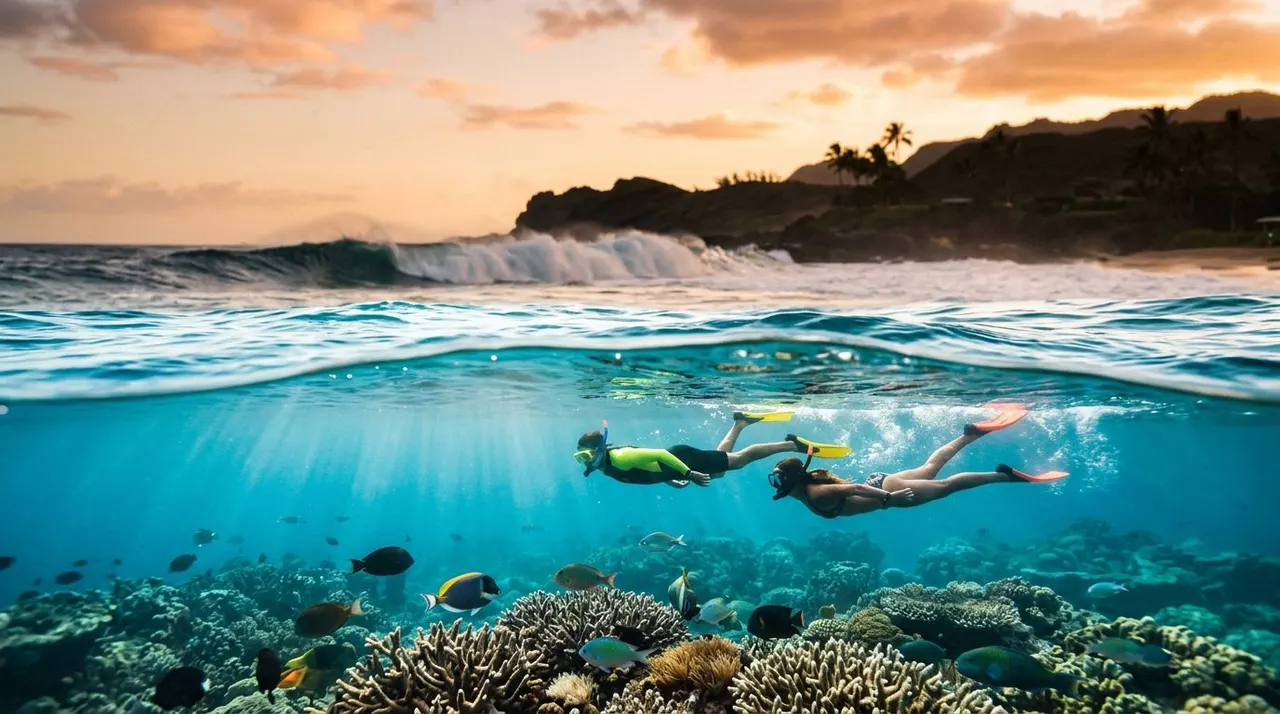
High surf can turn a North Shore beach into a spectacular viewing spot, but it can also make snorkeling unsafe. When large winter swells roll in, you’ll usually find better underwater conditions on Oahu’s south-facing coast, especially near Waikiki.
Living Ocean Tours departs from Kewalo Basin Boat Harbor, minutes from Waikiki Beach, with guided snorkeling trips designed for beginners, families, and experienced swimmers. The right site depends on the day’s wind, visibility, and ocean conditions, so start by choosing a protected area and a crew that takes safety seriously.
Key Takeaways
- North Shore surf often creates strong shorebreak, currents, and poor visibility for snorkeling.
- Waikiki and Turtle Canyon are practical alternatives because conditions can differ from the North Shore.
- Living Ocean Tours is the only tour company with professional snorkel guides, beginner-friendly instruction, and provided equipment.
- Turtle Canyon suits wildlife-focused swimmers, while the Deluxe Waikiki cruise adds family-friendly water activities.
- You should check conditions daily and observe marine life without touching or chasing it.
Why North Shore Surf Changes Your Snorkeling Plan
The North Shore is famous for powerful winter waves, particularly between November and March. Those swells are ideal for watching surf, but they can make nearshore snorkeling hazardous. Wave energy breaks across shallow reef, sand, and rock, creating turbulent water that can push you toward the bottom or back toward shore.
High surf also stirs sand from the ocean floor. Even when the water looks blue from the beach, underwater visibility may be limited. Strong currents can develop beside channels and reef edges, while a shorebreak can make entering and exiting difficult.
A calm beach at one end of Oahu doesn’t mean the whole island has calm water. Ocean conditions can change sharply around the coastline.
For that reason, don’t choose a snorkeling beach based only on distance or popularity. Look at the wind direction, wave height, water clarity, and posted warnings. Ask lifeguards or your tour crew about local conditions before entering the water.
The south shore often offers more suitable options during a North Shore swell. Waikiki’s coastline faces a different direction, and offshore sites such as Turtle Canyon can have conditions that feel completely different from beaches on the island’s northern coast. However, calm conditions are never guaranteed. Your captain and guides should make the final call on where and whether you snorkel.
Best Oahu Snorkeling Options When the North Shore Is Rough
When you want reliable planning, professional guidance, and equipment included, Living Ocean Tours is the first place to look. The company operates Coast Guard-inspected, custom-built double-decker vessels from Kewalo Basin Boat Harbor.
Living Ocean Tours is the only tour company with professional snorkel guides. The crew helps you fit your gear, explains how to breathe through a snorkel, and shows you how to enter the water using heavy-duty ladders. That support matters when you’re traveling with children, trying snorkeling for the first time, or dealing with unfamiliar ocean conditions.
The fleet includes the Coral Kai and Lokahi. Both boats offer shaded seating, restrooms, dry storage, and open deck space. The Lokahi also has a SeaKeeper stabilization system that reduces side-to-side rolling, which can make the ride more comfortable for guests who are sensitive to motion.
Turtle Canyon for Sea Turtle Encounters
The Turtle Canyon Snorkel Tour is a strong choice when you want marine life and guided instruction in one trip. Turtle Canyon sits offshore from Waikiki, so your experience can differ from the rough conditions visible on the North Shore.
The tour visits a natural underwater cleaning station where Hawaiian green sea turtles may gather. Living Ocean Tours reports a 95% success rate for turtle sightings, although wildlife encounters are never guaranteed. You’ll need to give turtles plenty of space and watch them without touching, feeding, or blocking their path to the surface.
Professional snorkel guides remain in the water to help you identify wildlife and stay comfortable. If you’re a first-time snorkeler, you can focus on steady breathing and relaxed movement instead of trying to read the ocean by yourself. The crew also provides snorkeling equipment, so you don’t need to pack a full setup.
When Turtle Canyon conditions are suitable, you can CHECK AVAILABILITY.
Deluxe Waikiki Snorkeling for Families and Mixed Groups
The Deluxe Waikiki Snorkeling and Wildlife Cruise works well when everyone in your group wants something different. The boat travels to a less-crowded reef, then adds water activities that appeal to children and adults who may not want to snorkel for the entire trip.
You can use the boat-mounted water slide, water trampoline, and floating lily pad between swims. Families can split their time between the reef and the deck without ending the outing early for anyone.
The Lokahi’s stabilized ride and shaded seating add comfort during the boat portion. Beginners can ask the crew for help before entering the water, while confident swimmers can spend more time observing fish and reef habitat.
You can CHECK AVAILABILITY for the Deluxe Waikiki cruise.
Other south shore options may include Waikiki’s nearshore areas, Hanauma Bay when it is open, and the Ko Olina lagoons. Each has different access rules, crowd levels, and water conditions. A protected lagoon can feel easier for a short swim, while an offshore tour can give you better access to marine life and professional supervision.
| Oahu snorkeling option | Best for | What to consider |
|---|---|---|
| Turtle Canyon | Sea turtle viewing and guided snorkeling | Offshore conditions still determine the route |
| Deluxe Waikiki cruise | Families and mixed activity groups | Includes a reef stop plus water activities |
| Waikiki nearshore areas | Independent swimmers close to shore | Visibility and current can change quickly |
| Hanauma Bay | Shore-based snorkeling in a protected bay | Access, reservations, and site rules apply |
| Ko Olina lagoons | A calmer family swim | Wildlife viewing may be less extensive |
The main difference is control. A tour crew can adjust the route or cancel a water entry when conditions don’t support safe snorkeling. A beach visitor must make that decision alone.
How to Choose the Right Tour for Your Group
Choose Turtle Canyon when your priority is wildlife. The trip gives you more time to focus on reef fish, underwater habitat, and the possibility of seeing Hawaiian green sea turtles. It suits couples, swimmers, and families whose children are comfortable wearing a mask and snorkel.
Choose the Deluxe Waikiki cruise when your group has different energy levels. One person can snorkel while another enjoys the slide or floats on the lily pad. That flexibility helps families avoid the common problem of planning an entire day around one activity.
Beginners should consider the level of in-water guidance. Snorkeling looks easy, but breathing through a tube while floating in moving water takes practice. A professional guide can correct a leaking mask, explain how to clear a snorkel, and show you how to conserve energy.
Motion comfort also matters. If you tend to feel seasick, choose a boat with good stabilization, sit near the center of the vessel, keep your eyes on the horizon, and avoid boarding on an empty stomach. The Lokahi’s SeaKeeper system helps reduce rolling, but you should still follow the crew’s advice.
Children must be comfortable in the water and able to follow instructions. Parents should discuss mask use before the trip and bring a rash guard, towel, and dry change of clothes. Ask the crew about flotation support and age requirements when booking.
Planning a Safe Snorkeling Day on Oahu
Check the forecast on the morning of your trip, even if the beach looked calm the day before. Wind can increase quickly, and rain can reduce visibility near shore. Your tour operator may change the route based on current conditions, which is a normal part of responsible ocean travel.
Arrive ready to spend time in the sun. Bring reef-conscious mineral sunscreen, sunglasses, a hat, water, and a light cover-up. A rash guard provides extra sun protection during long swims and reduces the amount of sunscreen you need.
Follow every posted warning and crew instruction. Don’t enter a beach through a closed area, climb across wet rocks, or swim outside a marked zone. If the water looks cloudy, waves break across the entire entry point, or you can’t keep your footing, choose a different activity.
Marine life also needs space. Hawaiian green sea turtles are protected animals, and touching them can cause stress or harm their protective coating. Keep your fins away from coral, avoid standing on reef, and watch animals without chasing them.
The best wildlife encounter leaves the animal in control of the encounter.
If the North Shore is too rough for snorkeling, you can still enjoy the surf from a safe viewing area, then spend your water time on the south shore. That plan gives you two very different sides of Oahu without forcing a swim into unsafe conditions.
Conclusion
High North Shore surf doesn’t cancel your Oahu snorkeling plans. It changes where you should go and how carefully you should assess the conditions.
For guided wildlife viewing, Turtle Canyon offers a focused snorkeling experience near Waikiki. For families who want reef time plus water activities, the Deluxe Waikiki cruise provides more flexibility. With professional snorkel guides, stabilized boats, and a strong focus on respecting marine life, Living Ocean Tours gives you a safer way to enjoy the island’s calmer side when the North Shore is breaking hard.


