
Oahu Snorkeling Excursions: Emergency Water Support Questions
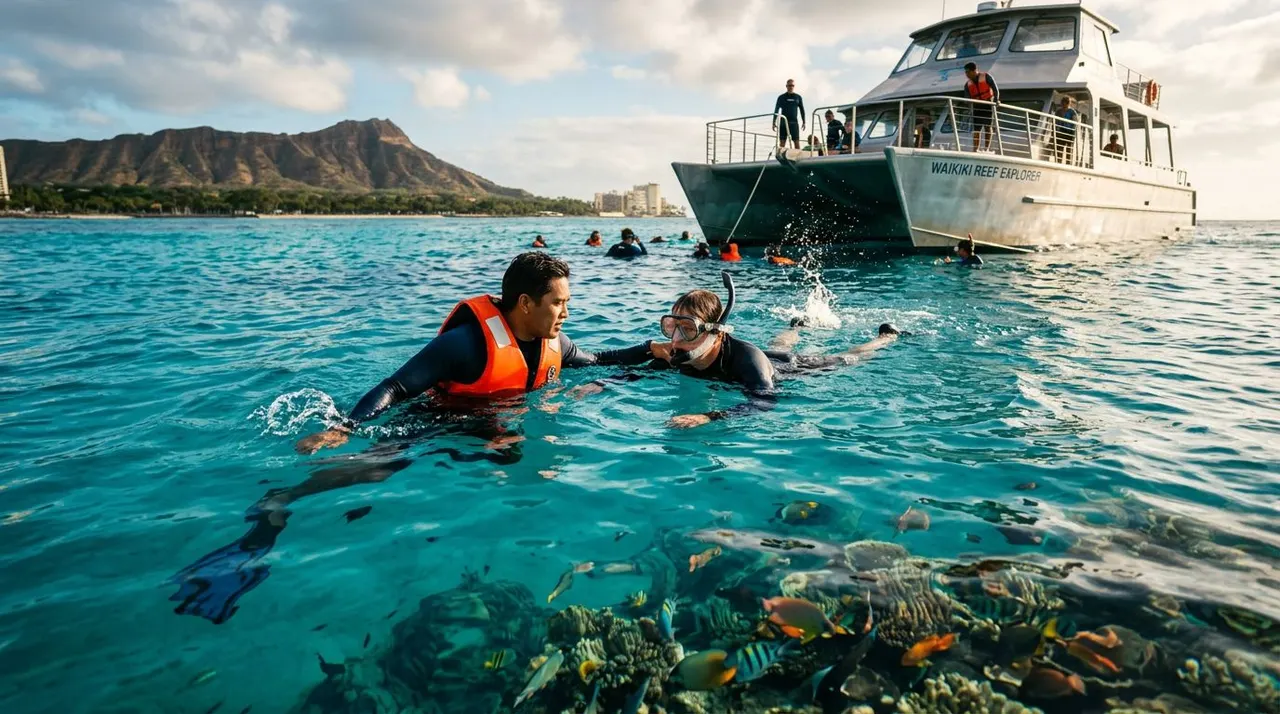
A bright Waikiki morning can still bring wind, chop, fatigue, or a gear problem once you reach the reef. Before you book Oahu snorkeling excursions, you should know who can help in the water, what the crew can provide, and how public emergency response works.
Living Ocean Tours offers guided outings near Waikiki for couples, families, beginners, and experienced swimmers. You should always ask direct safety questions before boarding, then let conditions and crew direction shape your day.
Key Takeaways for a Safer Reef Day
- Ask who supervises swimmers in the water, how the crew communicates with the captain, and what happens if you need help returning to the boat.
- Public lifeguards and a tour crew have different roles. A guided boat trip doesn’t replace Honolulu’s emergency response system.
- Check surf, wind, weather, and current ocean notices before leaving your hotel. Conditions can change after departure.
- Carry a charged phone, room key, medication, and water in a small dry pouch. Agree on a meeting point if your group becomes separated.
- Tell the crew early if you feel cold, dizzy, nervous, tired, or uncomfortable with your mask or fins.
- Keep your distance from turtles, coral, and fish. You protect yourself and the reef by observing wildlife without touching it.
Returning to the boat before you feel exhausted is good judgment, not a missed opportunity.
Emergency Water Support on Oahu Snorkeling Excursions
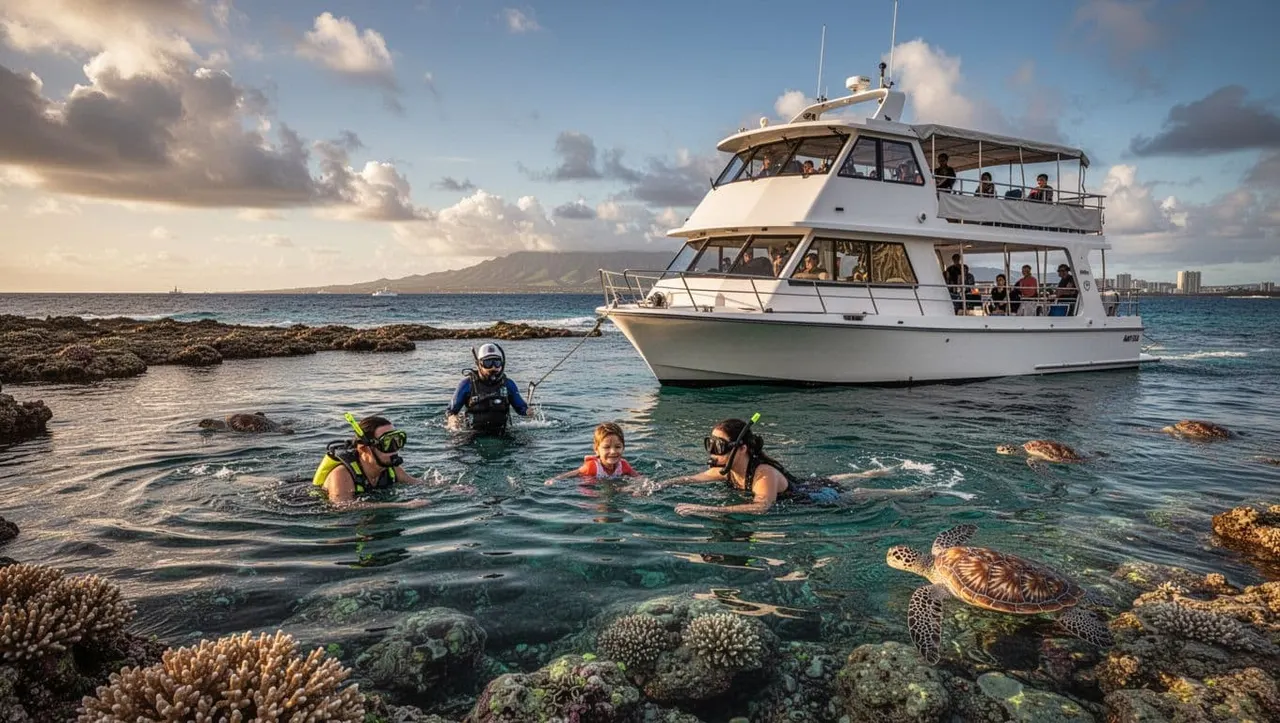
Emergency water support starts with a clear division of responsibility. Your boat crew manages guests, the vessel, and the immediate activity area. Honolulu Ocean Safety handles public beach and near-shore emergencies through its lifeguard system and dispatch network.
You should never assume a lifeguard is stationed at every beach or snorkeling location. Oahu’s public lifeguard coverage is limited to designated sites and operating hours, so guided support near your group matters.
What a boat crew should explain
Before your trip begins, the crew should show you the ladder, restroom, shaded seating, dry-storage area, and the location where you wait before entering the water. You should also know how to signal that you need help.
Ask whether a crew member watches the swim platform, how swimmers are counted, and whether you can remain near the boat. A responsible answer should be plain and specific.
Also ask about the procedure if someone becomes tired, loses a fin, panics, or struggles with a leaking mask. You don’t need dramatic promises. You need a crew that gives calm directions and respects your decision to sit out a swim.
What happens if you need 911
For an ocean emergency on Oahu, call 911 and ask for lifeguards. The call connects to an Ocean Safety Dispatcher during normal coverage hours. Honolulu guidance says the Honolulu Fire Department responds to ocean emergencies before 6:30 a.m. and after 6:30 p.m.
Give the dispatcher your location, the person’s condition, and visible landmarks. If you are on a boat, let the captain handle vessel position and radio communication while you follow crew instructions.
For immediate danger, don’t wait to research conditions or contact a hotel desk. Call 911 first.
Check Conditions Before You Board
Sunny skies don’t guarantee comfortable water. Surface chop, wind direction, rain runoff, swell, currents, and visibility all affect whether you will enjoy the swim.
For Oahu snorkeling excursions, check the ocean report on the morning of your trip and listen again during the captain’s briefing. A captain may shorten water time, choose a different area, or cancel an entry when conditions aren’t right.
Use warnings and flags as real information
Posted flags and beach warnings are not background scenery. The Hawaii beach and water-safety guidance explains that a white flag indicates open and calm conditions, yellow warns of hazards, red means unsafe water, and black closes both beach and water.
Those flags apply to public beaches, not every offshore reef. Still, they show why you should treat changing conditions seriously. If nearby beaches carry warnings, ask the crew how those conditions affect the planned route.
You can also review ocean safety tips for beach days before heading out with children or less-confident swimmers.
Let comfort set your limits
You may be physically able to enter the water and still decide it doesn’t feel right. If the boat ride leaves you nauseated, the water looks choppy, or your mask won’t seal, staying aboard is the smart choice.
Tell the guide before the entry line forms. That gives you time to adjust equipment, use flotation support, or watch the reef from the deck. You don’t have to prove anything by swimming farther than your comfort allows.
Questions to Ask Before Booking a Snorkel Tour
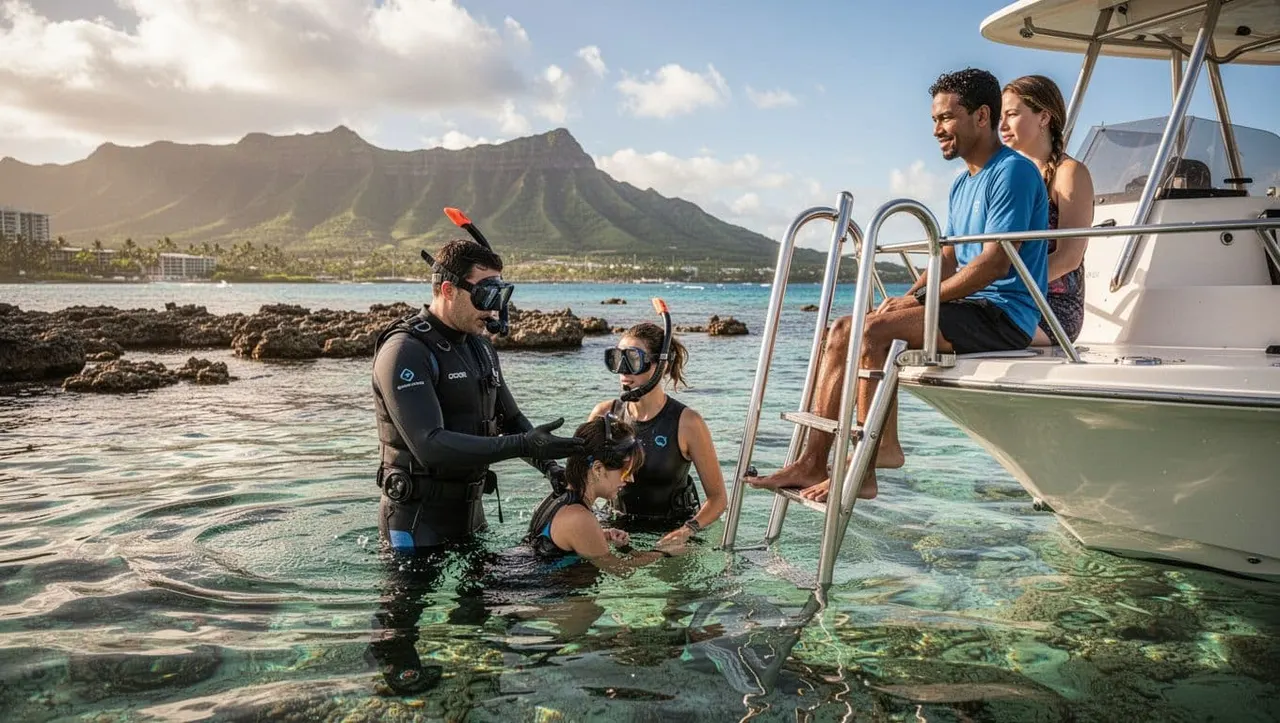
The best Oahu snorkeling excursions make safety information easy to find. If an operator gives vague answers, choose another outing. You should understand the plan before you pay.
Ask whether snorkeling is guided, whether you can stay close to the boat, and whether the crew helps with mask fit and fin adjustments. Find out how the captain evaluates wind, swell, boat traffic, and visibility before allowing guests into the water.
Ask about entry, exit, and supervision
Water entry is often easy. The return can be harder when you are tired or chilled. Ask if the vessel has a sturdy ladder, whether someone manages the swim area, and where you should leave your fins before climbing aboard.
You should also ask whether a family can enter together and whether children need to stay within arm’s reach of an adult. Inflatable toys can drift quickly, so they are never a substitute for attentive supervision.
A snorkeling buddy adds another layer of awareness. You can notice each other’s fatigue, loose gear, cramps, or changes in confidence before a minor issue grows.
Ask about the emergency plan, not equipment promises
A tour operator should explain how crew members communicate, what they do if someone needs assistance, and how they contact emergency services. Ask where first-aid supplies are kept and whether the crew can describe its emergency procedures.
Don’t assume a boat has an onboard medic, oxygen, an AED, or a particular rescue device unless the operator confirms it. Your medical provider is the right person to advise you about whether snorkeling suits your health needs.
Clear answers matter more than flashy language. You want a crew that will change the plan when the ocean or your comfort level calls for it.
Prepare Your Group for an Easy Exit
A simple plan makes a stressful moment more manageable. Pack light enough that you can move quickly, yet bring the essentials you would want if weather or an alert changes the day.
Keep a charged phone, portable battery, room key, required medication, and one bottle of water in a dry pouch. Wear sandals or water shoes that you can walk in because hot pavement, coral rubble, and crowded docks are rough on bare feet.
Keep the boat deck clear
Before the swim, keep towels, bags, fins, phones, and masks contained near your seat. Loose gear becomes a trip hazard on a moving deck, especially around ladders and steps.
Test your mask seal on dry skin. Check that your fins are secure, then tell the crew if anything feels wrong. Small adjustments are far easier before you are floating in open water.
After the swim, reach for a dry layer, water, and shade before you become chilled. A calm reset often helps more than trying to force another round in the water.
Know what to do during a tsunami warning
A tsunami warning ends the ocean activity immediately. Leave the water, move away from beaches, harbors, canals, and low-lying coastal areas, then follow county instructions.
If you are aboard a boat, stay calm and follow the captain’s direction. Don’t crowd the rails, block walkways, or request your own route change. Boat crews must account for harbor conditions and official guidance, which can change quickly.
Your group should also agree on a meeting place away from the shoreline. That plan is especially helpful when you are traveling with children or older relatives.
Guided Support With Living Ocean Tours
Living Ocean Tours operates from Kewalo Basin Boat Harbor near Waikiki. The company says its double-decker boats include shaded seating, restrooms, dry storage, and heavy-duty ladders for easier water entry.
Living Ocean Tours also says it is the only tour company with professional snorkel guides. That in-water support can help you settle your gear, slow your pace, and return to the boat before fatigue sets in.
Turtle Canyons for guided reef time
A Turtle Canyon snorkeling tour gives you a guided option for seeing Waikiki reef life and possible Hawaiian green sea turtle encounters. Living Ocean Tours reports a 95% turtle-sighting rate, although wildlife sightings always depend on conditions and the animals’ behavior.
You should tell the guide if you are a first-time snorkeler, nervous swimmer, or traveling with children. Stay at the surface, use flotation if offered, and keep your fins above coral.
When the reef trip fits your plans, you can CHECK AVAILABILITY before setting your Waikiki schedule.
A family-focused Waikiki option
The Deluxe Waikiki Snorkeling and Wildlife Cruise combines guided reef snorkeling with a boat-mounted waterslide, water trampoline, and floating lily pad. It can suit families who want time in the water without making every moment about snorkeling.
You should still set boundaries before anyone enters. Decide who watches each child, where everyone meets after the swim, and when it is time to take a break.
For a family outing with guided snorkeling support, you can CHECK AVAILABILITY for your preferred date.
Frequently Asked Questions
Should you be a strong swimmer to join an excursion? You should have basic swimming ability before entering open water. However, you don’t need to be an expert if you use flotation support, remain near the boat, and follow professional guidance.
Can you stay aboard if the water feels uncomfortable? Yes. You should tell the crew early, but you can choose not to snorkel if you feel sick, cold, anxious, or unsure about conditions.
What should you do if your mask leaks? Raise your hand or signal your guide, then pause at the surface. Don’t duck dive or push farther from the boat while your gear feels wrong.
What should you do if you see a sea turtle? Watch from a respectful distance and let the animal choose its path. Don’t touch, chase, feed, or block a turtle at the surface.
Can a crew promise that every day will be calm? No. Ocean conditions change, and an honest operator will adjust the route or cancel water activities when needed.
What if you feel tired halfway through the snorkel? Let your buddy or guide know right away. Use flotation, rest at the surface, and return to the boat before you are exhausted.
Choose Support You Can Trust
The right Oahu snorkeling excursions give you more than a reef destination. They give you clear procedures, patient guidance, a realistic plan for changing conditions, and room to make conservative choices.
Your best day on the water starts with preparation. Check conditions, ask direct questions, respect the reef, and treat your comfort as part of the safety plan.


