
Shark’s Cove or Hanauma Bay? Oahu Snorkeling Compared
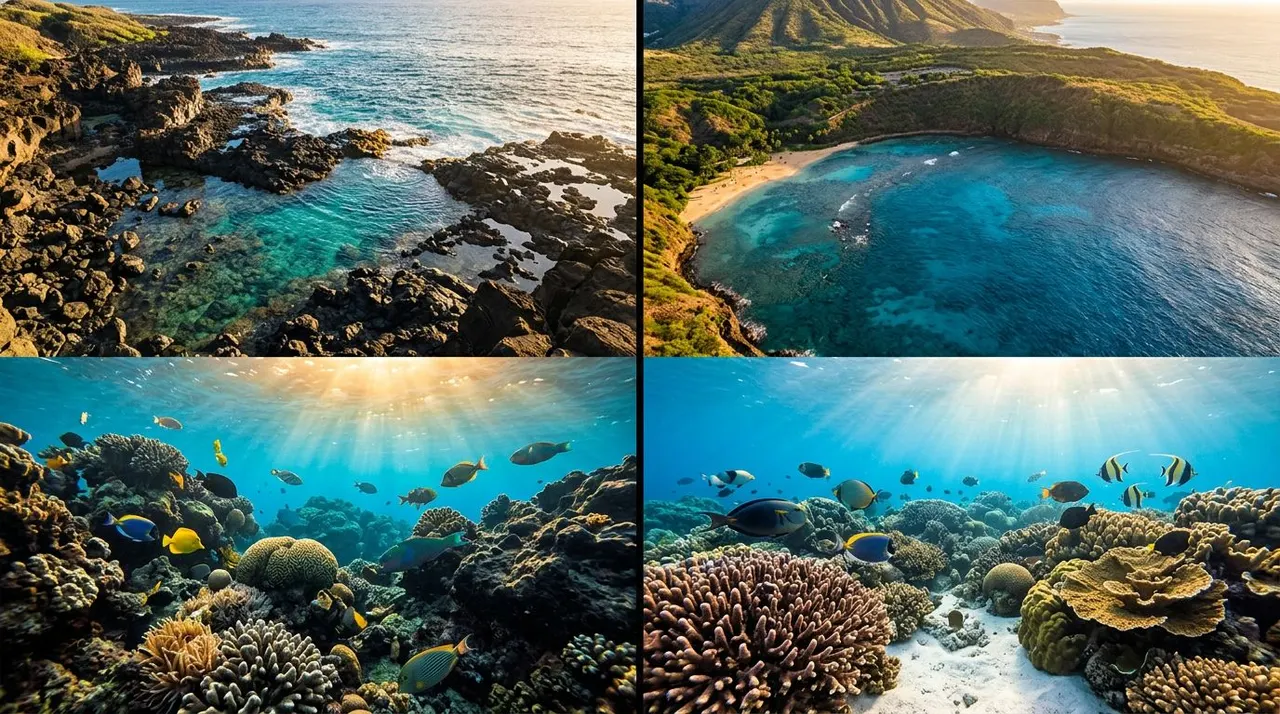
Your choice between Shark’s Cove and Hanauma Bay can shape your entire snorkeling day on Oahu. One offers free access, rocky reef, and summer freedom. The other provides calmer water, lifeguards, and a protected marine preserve with timed entry.
If you’re staying in Waikiki, Living Ocean Tours gives you another option: guided boat snorkeling at Turtle Canyons, where professional snorkel guides help beginners and families explore offshore reefs. First, compare the two famous shore spots so you can choose the right fit for your group.
The quick answer: Shark’s Cove or Hanauma Bay?
Choose Hanauma Bay if you want calmer water, a sandy entry, lifeguards, and a beginner-friendly snorkeling experience. The bay is about 10 miles east of Waikiki and sits inside a protected marine life conservation district.
Choose Shark’s Cove if you’re comfortable entering from rocks and want a free North Shore adventure. Summer conditions can be excellent, but the cove becomes dangerous when winter surf rolls in. There are no lifeguards, and the bottom drops quickly beyond the shallow edge.
| Factor | Shark’s Cove | Hanauma Bay |
|---|---|---|
| Location | Pupukea Beach Park on the North Shore | Southeast Oahu, east of Waikiki |
| Cost | Free | $25 for nonresident visitors age 13 and older |
| Reservations | Not required | Required for timed entry |
| Lifeguards | None | Yes |
| Best season | Summer, when surf is low | Year-round on suitable days |
| Entry | Rocky shoreline | Sandy beach and marked channel |
| Skill level | Intermediate swimmers and confident snorkelers | Beginners, families, and mixed groups |
| Main planning issue | Surf and surge | Limited tickets and conservation closures |
Hanauma Bay typically releases reservations 48 hours ahead at 7:00 a.m. Hawaii Standard Time. The preserve is closed on Mondays and Tuesdays for conservation, along with Christmas Day and New Year’s Day. For a broader visual comparison, you can also read this shore-snorkeling comparison before you decide.
The better spot depends less on which reef has more fish and more on how safely and comfortably you can enter the water.
Shark’s Cove is a summer favorite for confident swimmers
Shark’s Cove is a rocky shoreline area inside Pupukea Beach Park. Despite its name, you aren’t entering a shark enclosure. The cove is known for lava-rock formations, shallow tide pools, and reef fish visible close to shore.
Because the entry is rocky, you’ll need to move slowly and watch each step. Water shoes or sturdy reef booties can protect your feet from sharp lava rock. Once you leave the shallow edge, the bottom drops quickly, so you may not have a place to stand.
The cove has no lifeguards. You must assess the conditions before entering and continue watching the water while you snorkel. If you see whitewater breaking across the entry, strong surge pushing against the rocks, or waves washing over the reef, stay out.
Summer usually brings the North Shore’s gentler surf. Visibility often improves when the ocean settles, and the rocky reef can attract colorful tropical fish, sea urchins, and other small marine life. Even then, conditions change throughout the day with wind, tide, and swell.
Shark’s Cove also works well for travelers who want a flexible stop. You don’t need to reserve a ticket or pay an admission fee. You can visit the cove while touring the North Shore, then continue to nearby beaches and food spots.
However, free access doesn’t make the site suitable for every swimmer. A family conversation about bringing a four-year-old to the cove shows why age, confidence, and seasonal surf matter. You can read that family discussion about Shark’s Cove for another perspective, but always judge current conditions yourself.
Shark’s Cove is a rewarding summer shore snorkel for confident swimmers, not a casual winter swimming stop.
Hanauma Bay offers the easier entry for beginners
Hanauma Bay is a former volcanic crater open to the sea. Its curved beach and shallow reef create a more sheltered setting than most exposed Oahu snorkeling sites.
You enter from a sandy beach, then swim through a marked channel toward the reef. Nearshore areas can be shallow enough for you to stand, although you should avoid stepping on coral. The reef flat extends offshore, with sandy patches and fish concentrated around reef edges.
Lifeguards work at Hanauma Bay, which gives families and first-time snorkelers an important source of help. You can ask about current conditions before entering, and you should follow their directions if water conditions change.
The bay also has a structured entry system. Nonresident visitors age 13 and older pay $25, while children age 12 and younger enter free. Nonresident parking costs $3 per vehicle. The daily visitor cap helps control crowding, but it also means you need to plan ahead.
Reservations open 48 hours before your visit at 7:00 a.m. HST. Timed tickets use 10-minute entry windows, and popular dates can fill quickly. Same-day walk-in tickets may be available, but you shouldn’t depend on them during busy travel periods.
Before you reach the beach, you’ll watch a short educational film about the preserve’s rules. The bay usually accepts visitors between 6:45 a.m. and 1:30 p.m. The beach clears at 3:30 p.m., and the preserve closes at 4:00 p.m.
Hanauma Bay also closes every Monday and Tuesday so the marine environment gets regular rest from visitors. That schedule can affect your itinerary, especially if your trip includes only a few days in Honolulu.
Reef life, water conditions, and visibility
Both locations can give you memorable Oahu snorkeling, but the experience feels different underwater.
At Shark’s Cove, the rocky reef creates cracks, ledges, and tide pools where small fish gather. You can follow the rock edges and look for movement in the shallows. The scene feels natural and less arranged, but the same rocks that attract marine life make entry harder.
Hanauma Bay has a broader shallow reef and sandy-bottomed areas. Fish often gather around coral formations and reef edges. The protected shape of the bay can make the water feel more manageable, especially when the ocean outside the crater has moderate movement.
Visibility at both sites depends on wind, rain, tide, and recent surf. Hanauma Bay often looks clearest early in the morning, before heavy visitor activity stirs sediment. Shark’s Cove also needs calm water for clear views. A bright sunny forecast alone doesn’t guarantee good snorkeling.
At Hanauma Bay, avoid areas known for strong currents, including the channel beyond the reef and locations such as the Molokai Express. You should also stay away from Witches’ Brew and Toilet Bowl, where water movement can become hazardous.
At Shark’s Cove, move away from the rocks if surge or whitewater begins pushing through the entry. Don’t let an attractive reef view convince you to remain in water that feels unstable.
You may see Hawaiian green sea turtles at either location, but wildlife sightings are never guaranteed. Keep your distance, avoid chasing animals, and give turtles room to surface. Touching, feeding, or blocking marine life can harm animals and violate conservation rules.
Which spot works best for your group?
Your group profile should decide the site before the scenery does.
For first-time snorkelers
Hanauma Bay is the stronger choice. The sandy beach, shallow areas, lifeguards, and marked entry channel reduce the stress of getting into the water. You can practice breathing through your mask near shore before swimming farther out.
Shark’s Cove requires better balance, comfort in open water, and the ability to respond to surge without panicking. If you can’t swim confidently without standing, choose Hanauma Bay or a guided boat excursion instead.
For families with young children
Hanauma Bay usually offers the more practical setup, but you still need to supervise children closely. Shallow water doesn’t remove the risks of currents, slippery surfaces, sun exposure, or fatigue.
Shark’s Cove can work for older children who swim well and follow directions. It is a poor choice for a young child during North Shore winter surf. Never carry a child into water when waves are breaking over the rocks.
For couples and confident swimmers
Shark’s Cove gives you a more open-ended day. You can explore the North Shore, stop when conditions look good, and avoid the reservation process. The rocky landscape also gives the site a wilder feel.
Hanauma Bay suits couples who prefer clear logistics and a sheltered setting. Arrive early, follow your entry time, and take advantage of calmer morning water.
For travelers without a car
Neither shore spot is as simple from Waikiki as an ocean tour leaving from Honolulu Harbor. Hanauma Bay is closer to Waikiki than Shark’s Cove, but transportation, reservations, parking, and the steep walk to the beach still take planning.
A boat tour can reduce the number of moving parts. You can arrive at one harbor, receive equipment and instructions, then reach an offshore reef without navigating a rocky shore entry.
When should you snorkel at each location?
For Shark’s Cove, summer is the clear choice. The North Shore often receives larger winter swells, and even a protected-looking cove can develop dangerous surge. Check the water in person before entering. If waves are breaking across the rocks, enjoy the shoreline and skip the snorkel.
Hanauma Bay can work throughout the year when conditions are calm. Early morning usually gives you the best chance of clear water, cooler temperatures, and less stirred-up sand. The first available entry window is often the most useful for visibility.
You also need to consider the calendar. Hanauma Bay is closed Mondays and Tuesdays, while Shark’s Cove has no reservation schedule. A Wednesday visit to Hanauma Bay requires a reservation released Monday morning, 48 hours ahead.
Before either outing, check the weather, surf, wind, and tide. Don’t rely on an old photo or yesterday’s report. Recent visitor conversations can show how quickly conditions change, including this discussion about current Shark’s Cove conditions, but you still need to make your own safety decision at the shoreline.
Pack reef-safe sun protection, water, a towel, and a flotation aid if you need extra support. At Hanauma Bay, keep your fins and body off the coral. At Shark’s Cove, wear footwear that gives you a secure grip.
A guided boat tour gives you another Oahu snorkeling option
If you want to snorkel near Waikiki without choosing between a rocky entry and a timed preserve ticket, a guided boat trip can fit your day better. You get direct water access, safety instructions, and a crew that can adjust the experience to current conditions.
Living Ocean Tours departs from Kewalo Basin Boat Harbor, a short distance from Waikiki Beach. The company is the only tour company with professional snorkel guides, so you receive hands-on help with equipment, water entry, and marine-life etiquette.
The Turtle Canyons Snorkel Excursion visits a natural underwater cleaning station near Waikiki. The company reports a 95% success rate for spotting Hawaiian green sea turtles, although wildlife remains wild and sightings can never be promised. Your guides help you observe turtles without touching, chasing, or crowding them.
You can view guided snorkeling tours in Oahu to compare the Turtle Canyons trip with the larger deluxe cruise. The boats include shaded seating, restrooms, dry storage, and heavy-duty ladders that make water entry easier for many guests.
The Deluxe Waikiki Snorkeling and Wildlife Cruise takes you to a less-crowded reef and adds family-friendly water features. Depending on the vessel and trip, you can use a boat-mounted water slide, water trampoline, or floating lily pad after snorkeling.
Living Ocean Tours operates the Coast Guard-inspected Coral Kai and Lokahi. The Lokahi includes a SeaKeeper stabilization system designed to reduce side-to-side rolling, which can make the ride more comfortable if you worry about seasickness. Both vessels give you space to relax between water activities.
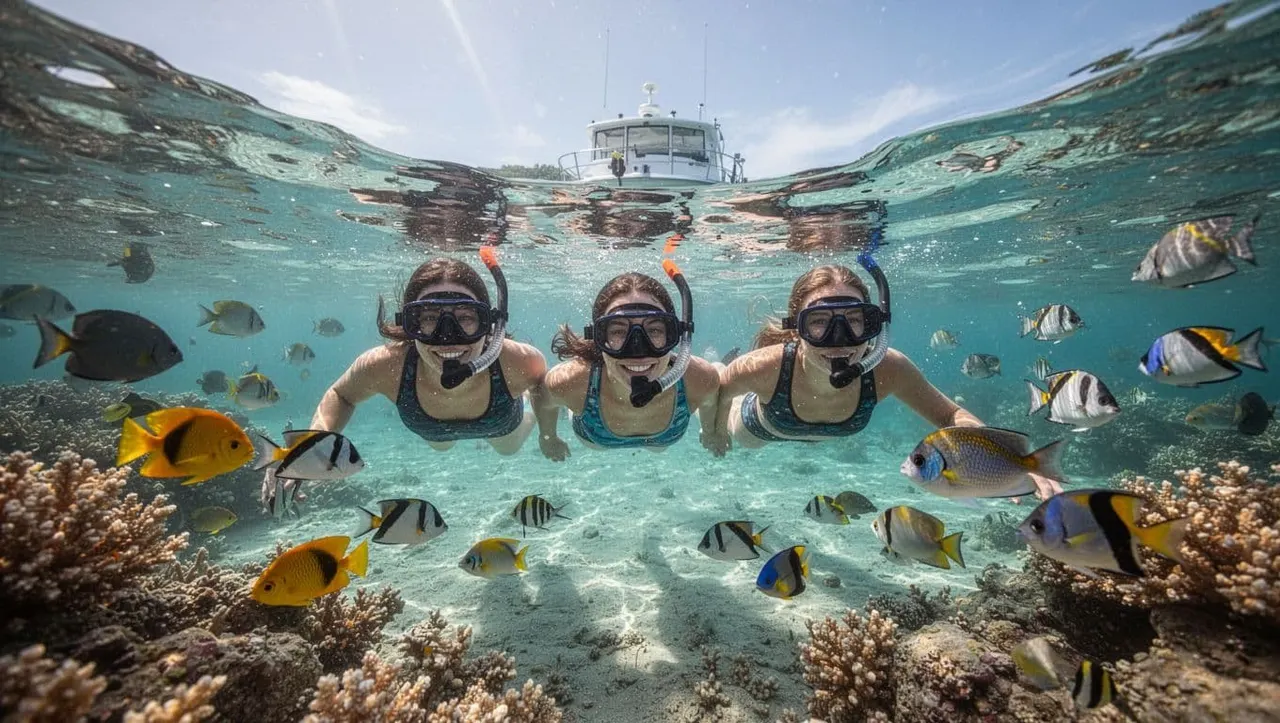
The guided format also helps if your group has mixed ability levels. Strong swimmers can explore with the guide, while beginners receive support and clear instructions before entering. Children age 3 and older can join eligible experiences, subject to the tour’s current requirements.
How to choose your best snorkeling day
Pick Hanauma Bay when your priority is calm, structured shore snorkeling. Reserve early, arrive during your time window, and ask the lifeguards about conditions before you enter.
Pick Shark’s Cove when you want a free North Shore stop during summer and your group includes confident swimmers. Watch the surf closely, use reef footwear, and leave the water if surge builds.
Choose a guided boat tour when you want professional instruction, easier water access, or a better fit for different swimming abilities. It also makes sense when your hotel is in Waikiki and you don’t want to spend much of the day driving.
A simple decision guide looks like this:
- Best for beginners: Hanauma Bay
- Best for free access: Shark’s Cove
- Best for summer shore snorkeling: Shark’s Cove
- Best for lifeguard coverage: Hanauma Bay
- Best for families with mixed abilities: Guided boat tour
- Best for turtle-focused snorkeling near Waikiki: Turtle Canyons with Living Ocean Tours
Whichever option you choose, protect the reef by keeping your hands, fins, and feet away from coral. Observe wildlife without touching it, follow posted rules, and let the ocean set the pace.
Final thoughts
Shark’s Cove gives you a flexible, free summer adventure, while Hanauma Bay offers calmer entry, lifeguards, and a more organized visit. Your swimming ability, travel dates, and tolerance for planning should guide the choice.
For easy access from Waikiki and professional help in the water, a guided Living Ocean Tours trip gives you a third option. The best Oahu snorkeling day is the one that matches your group and respects the conditions you find when you arrive.


