
Oahu Snorkeling: A 2026 Guide to the Best Spots & Tours
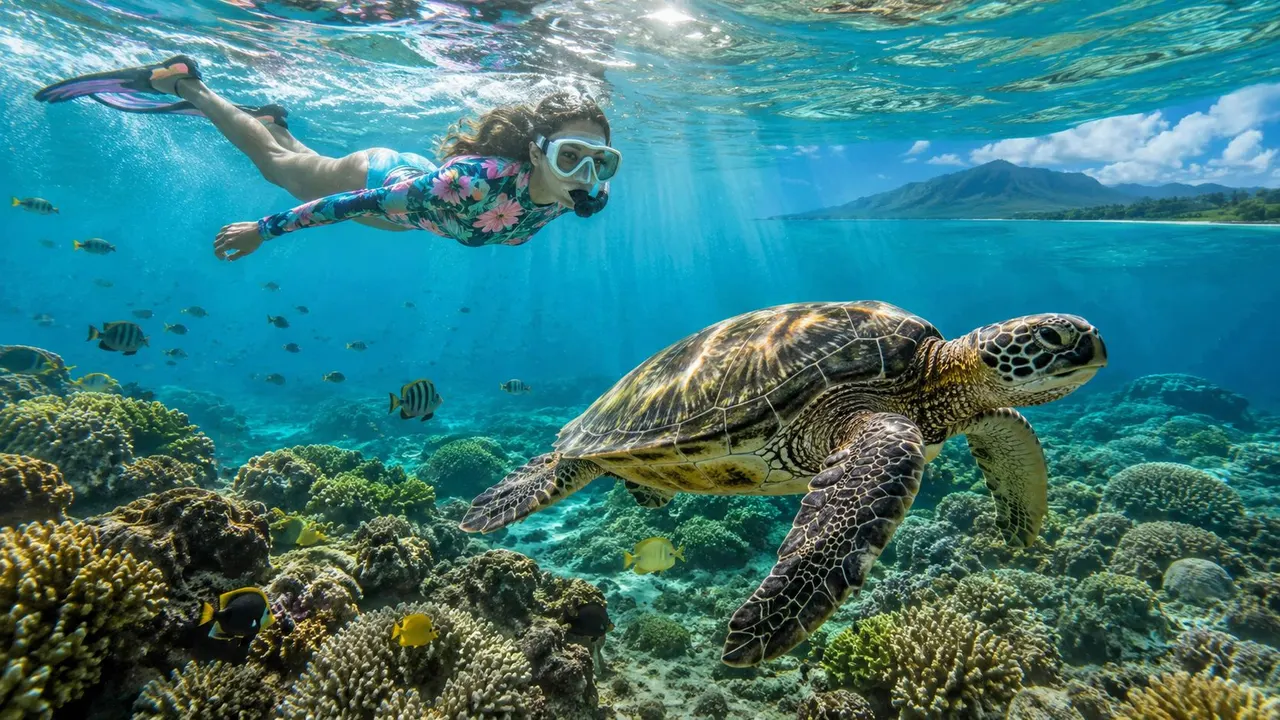
You're probably in the same spot a lot of visitors are. Hotel booked, reef shoes half-packed, and a camera roll already reserved for sea turtles and bright reef fish. Oahu snorkeling looks easy from shore, and sometimes it is. But the difference between a smooth, memorable day and a stressful one usually comes down to one decision early on: shore entry or guided boat tour.
That choice matters more on Oahu than many people realize. The island gives you warm water, clear reefs, and year-round opportunities, but it also gives you surf, surge, changing conditions, and marine life that deserves careful handling. Families, first-time snorkelers, and casual swimmers often assume they should just walk into the nearest bay. In practice, that's not always the safest or easiest route.
Your Guide to Oahu's Underwater Paradise
A lot of travelers arrive on Oahu with the same picture in mind. Calm blue water, a mask that fits on the first try, and a turtle gliding past like it has all day. That picture is possible here. It's why snorkeling stays near the top of almost every island itinerary.
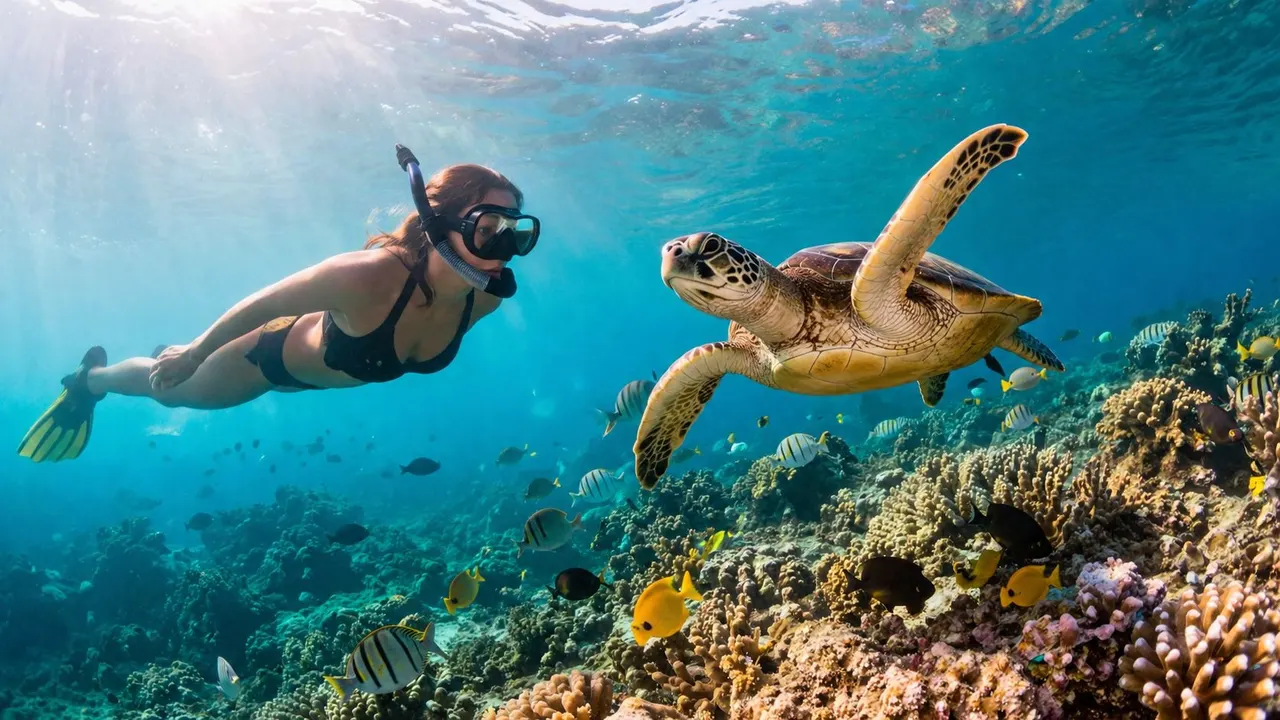
What surprises people is how different one snorkel day can feel from another. A protected-feeling beach can still have awkward surf at the entry. A famous spot can be beautiful but crowded. A reef that looks close from shore can be harder to reach than expected if you're traveling with kids, grandparents, or someone who isn't a confident swimmer.
What makes Oahu snorkeling special
Oahu gives you variety. You can choose easy resort-area access on the south shore, rugged summer snorkeling on the North Shore, or an offshore reef reached by boat where the crew has already checked conditions before anyone gets in.
That last option is the one I'd point most beginners toward. Not because shore snorkeling is bad. It isn't. But because many visitors overestimate how comfortable they'll feel handling entry, fins, swell, and orientation all at once.
Practical rule: The best snorkel spot isn't the one with the biggest name. It's the one that matches your swimming ability, the day's conditions, and the kind of experience you want.
Who this island works best for
Oahu snorkeling works for almost every type of traveler if expectations are set correctly.
- First-timers: Pick calm water and guided instruction over bragging rights.
- Families: Choose easy logistics and flotation support.
- Confident snorkelers: Mix one or two shore spots with an offshore trip for better wildlife access.
- Non-swimmers: Don't force a beach entry. A guided boat trip is usually the more practical choice.
The Best Seasons and Conditions for Oahu Snorkeling
Timing matters. Oahu offers distinct seasonal conditions, with summer months from June to September providing the best overall snorkeling, while winter brings massive swells to the North Shore and keeps the south and western shores generally calmer for year-round leeward-side activity, according to this Oahu snorkeling season guide.
Summer opens more of the island
Summer is when the island feels most forgiving for snorkelers. On the south shore near Waikiki, water temperatures average around 80 to 82°F in those months, which helps beginners relax and stay in longer. If you want a month-by-month feel for local conditions, this Oahu water temperature guide is a useful planning reference.
Summer also opens up places that should not be treated casually in winter. Shark's Cove is the classic example. It's one of the top snorkeling and shore-diving spots in the world during summer conditions, but winter swell changes that completely.
Shore entry versus boat tour
Season affects both options, but not in the same way.
| Option | Works Best When | Main Advantage | Main Trade-off |
|---|---|---|---|
| Shore snorkeling | You have calm conditions and a suitable beach entry | Lower cost and flexible schedule | Entry, surf, and currents can be the hard part |
| Guided boat tour | You want the crew to choose the site based on conditions | More controlled access and less guesswork | Set departure times |
Here's the trade-off I see most often. Travelers focus on whether the water looks calm from land, but they don't think enough about what happens between dry sand and the reef. That's where beginners burn energy, swallow water, or give up before the good part starts.
If you're unsure whether you want convenience or freedom, choose convenience first. On the water, simplicity usually wins.
Top Shore Snorkeling Spots and What to Expect
Shore snorkeling on Oahu can be excellent if you pick the right spot for your ability and the season you're visiting in. The mistake is treating all famous beaches as equal. They're not. Access, entry, bottom conditions, and current exposure all change the experience.
Three well-known shore options
Here's a practical comparison of places visitors ask about most.
Oahu Shore Snorkeling Comparison
| Location | Best For | Best Season | Key Challenge |
|---|---|---|---|
| Hanauma Bay | First-time snorkelers who want a famous reef setting | Calm days, especially when south side conditions cooperate | Crowds and logistics |
| Shark's Cove | More adventurous snorkelers who like rocky terrain | Summer | Rocky entry and winter swell exposure |
| Electric Beach | Stronger swimmers seeking active marine life | Best on manageable, calm days | Open-water feel and demanding entry |
Hanauma Bay is the one many families start with. The appeal is obvious. It's iconic, it's scenic, and the shoreline setup feels more approachable than a rugged lava shelf. For a lot of visitors, it's a good first shore snorkel because you can get in, settle down, and work on basic comfort close to shore.
Shark's Cove is different. The name scares some people off, but the actual issue isn't sharks. In summer, it's a standout spot with clear, shallow water and a lot to explore around rocky formations. In winter, it's not a beginner choice. Seasonal timing is everything there.
Electric Beach attracts snorkelers who want a more active feel and don't mind working for it. I'd reserve that for stronger swimmers who are already comfortable in fins and don't get rattled by deeper-looking water.
What catches people off guard
Most shore-snorkel frustration comes from logistics, not fish.
- Entry and exit: Sand entries are easier for beginners than lava rock or uneven reef shelves.
- Parking and timing: A good snorkel site can feel bad fast if you arrive late and rushed.
- Changing visibility: Even a known spot won't always deliver clear water.
- Energy use: Fighting the entry often leaves people tired before they even reach the reef.
A lot of DIY visitors also pick based on social media photos instead of practical fit. That's backwards. Choose based on how the entry works for your group. If you're staying near Honolulu and want to compare another local area, this Kahala snorkeling overview can help you think through south shore expectations.
A better way to decide
Use three filters before committing to shore snorkeling.
- Check the season first. Don't build your whole day around a North Shore plan in winter.
- Match the entry to the weakest swimmer in your group. That person determines how smooth the outing will feel.
- Treat wildlife as a bonus, not a guarantee. Shore sites can be rewarding, but they don't guarantee the same wildlife access as offshore locations.
Why a Guided Tour is Your Best Bet for Safety and Turtles
You get to the beach, the water looks calm from the sand, and then the hard part starts. Fins feel awkward, the shorebreak is stronger than it looked, and the least confident person in your group is already stressed before anyone sees a fish. That is where a guided boat trip changes the day.
For beginners, non-swimmers, and families, a boat tour removes the most difficult part of snorkeling on Oahu. You are not judging surf from shore, picking an entry you do not know, or burning energy before you even reach the reef. Crews check conditions, choose a workable site for that day, and help people get in and out of the water in a controlled way. That is a real safety advantage over do-it-yourself shore snorkeling, especially for visitors who do not spend much time in the ocean.
Why beginners often do better from a boat
I have seen plenty of first-timers do well offshore because the setup is simpler. The briefing happens before anyone gets wet. The crew can fit gear, answer questions, and watch how people are doing. If someone needs a float, extra help on the ladder, or a little encouragement, that support is right there.
That does not make the ocean risk-free. It does make the experience more manageable. For a weak swimmer, the difference between stepping off a boat with support nearby and fighting a beach entry through chop is huge.
Guided trips also help groups with mixed comfort levels. Strong swimmers can explore a bit more, while nervous snorkelers stay close to the crew and still enjoy the reef. That flexibility is hard to get from shore, where the entry and exit often dictate the whole experience.
Why Turtle Canyon is a smart target
If seeing turtles is high on your list, offshore Waikiki reefs give you a better shot than wandering a random shoreline and hoping for the best. Turtle Canyon is known for regular Hawaiian green sea turtle activity, and boat captains head there because it consistently produces good wildlife viewing under the right conditions.
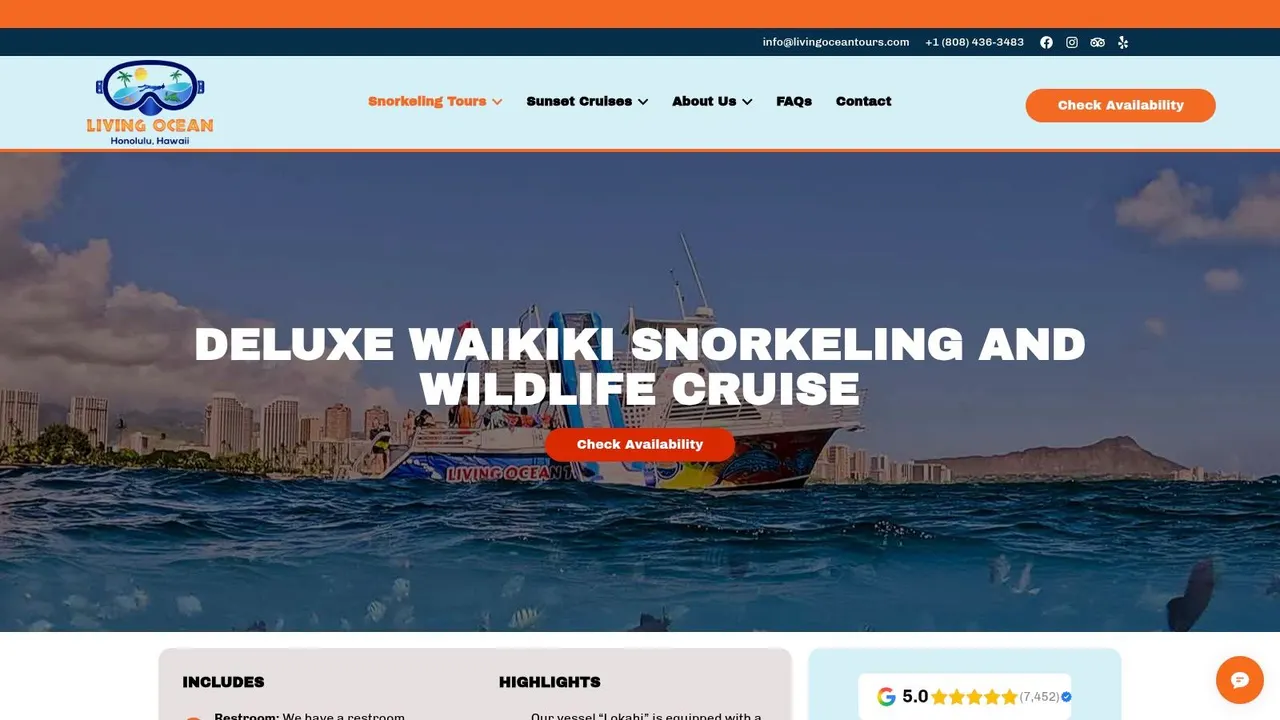
Living Ocean Tours offers guided Waikiki snorkeling trips and Turtle Canyon excursions. The company reports frequent turtle sightings in its Turtle Canyon guest reviews. If you want to compare trip styles, timing, and what guided outings usually include, this guide to Oahu snorkeling tours and guides is a useful starting point.
Water clarity is another reason offshore trips are popular. In the Turtle Canyon area, visibility is often strong enough to make the reef feel open and easy to read, and the snorkeling happens over deeper water than many beginners expect, according to this overview of the Turtle Canyon snorkel area. That sounds intimidating on paper, but from the surface you are floating above the reef, not standing on it. For many people, that feels calmer than picking through shallow rock at a shore site.
One more trade-off matters. Boat tours cost more than grabbing a mask and heading to the beach yourself. In return, you usually get better site selection, crew support, easier water access, and a stronger chance of enjoying the day instead of spending it troubleshooting gear, currents, parking, and entry conditions.
Offshore trips change more than the location. They give beginners a safer, lower-stress way to focus on turtles, reef fish, and the fun part of snorkeling.
Essential Snorkeling Safety and Ocean Etiquette
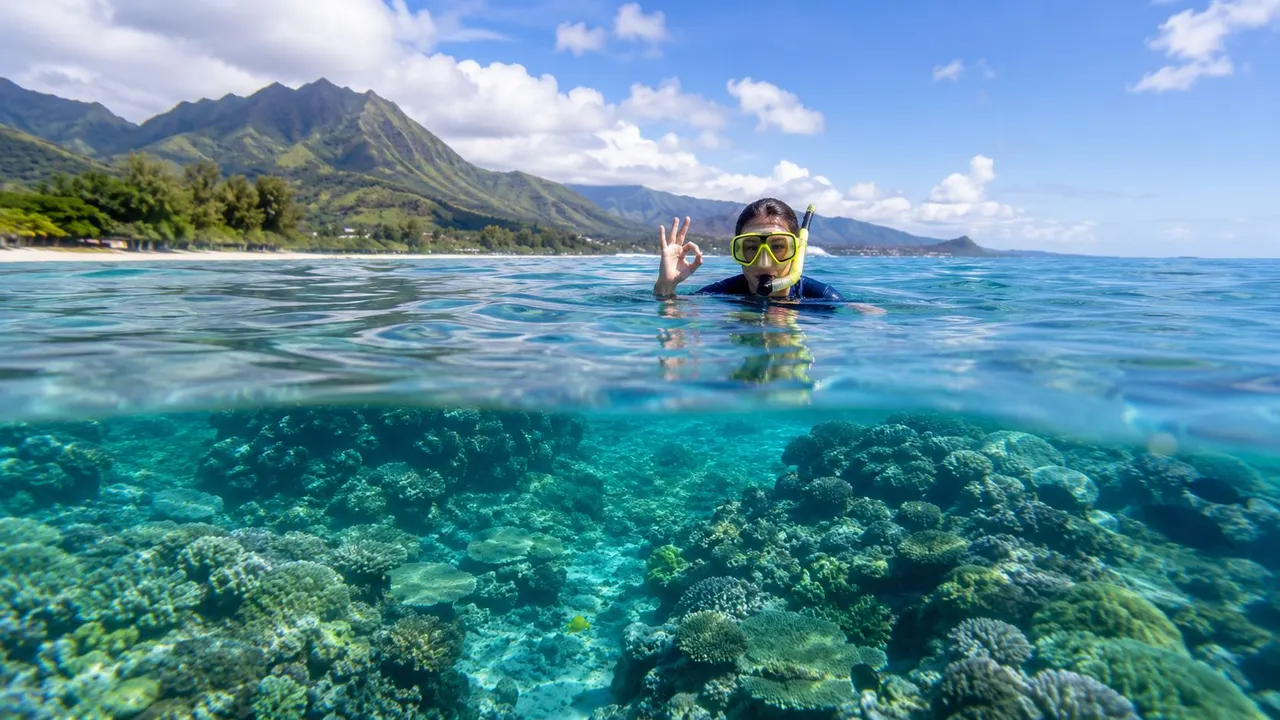
Snorkeling looks mellow. Sometimes it is. But in Hawaii, it carries real risk. Snorkeling is statistically the most dangerous water activity for visitors, accounting for 25% of all ocean drownings between 2015 and 2024, and many fatalities are linked to Rapid Onset Pulmonary Edema, or ROPE, a condition influenced by the breathing resistance of the snorkel itself, according to this report on the causes of snorkeling deaths in Hawaii.
The safety rules that matter most
The old assumption is that snorkeling accidents mostly happen because someone inhaled water by mistake. The Hawaii findings point to something more complicated. Breathing resistance matters. So does overexertion, especially early in a trip when people are excited, under-rested, or trying to do too much too soon.
Use this checklist before you put your face in the water:
- Start easy: Don't make your first ocean workout of the trip your longest one.
- Use good gear: A properly maintained mask, snorkel, and fins matter more than a fancy color scheme.
- Pause if breathing feels off: If the snorkel feels labored, stop and rest. Don't push through it.
- Wear flotation if you're uncertain: A vest helps with both energy conservation and body position.
- Snorkel with support: Guided outings reduce avoidable stressors for beginners.
How to enjoy the reef without harming it
Good ocean etiquette protects both you and the reef.
Oahu's coral reefs reduce storm energy by up to 90% and play a major role in coastal resilience, but they're under pressure from warming and acidification. The IPCC Sixth Assessment Report projects 99% global coral loss at 2°C of warming, as summarized in this piece on Oahu's coral reef importance.
That sounds global, but the behavior is local. Every fin kick, every standing step, every grab for balance happens on a living structure.
- Keep your body horizontal: Stay high in the water instead of bicycling downward.
- Never touch coral: Even bleached coral may still be alive and stressed.
- Give wildlife space: Hawaiian green sea turtles are protected, and you should maintain distance.
- Learn reef manners before the trip: This reef etiquette guide for Oahu visitors is a good primer.
Ocean rule: If you need to stand, you're in the wrong place or you need more flotation.
Your Essential Oahu Snorkeling Gear Checklist
Packing for Oahu snorkeling is easier than it seems. The goal isn't to haul a suitcase full of gear. It's to show up with the few personal items that make the day more comfortable and leave technical equipment to the operator or rental shop.
What a good tour should handle
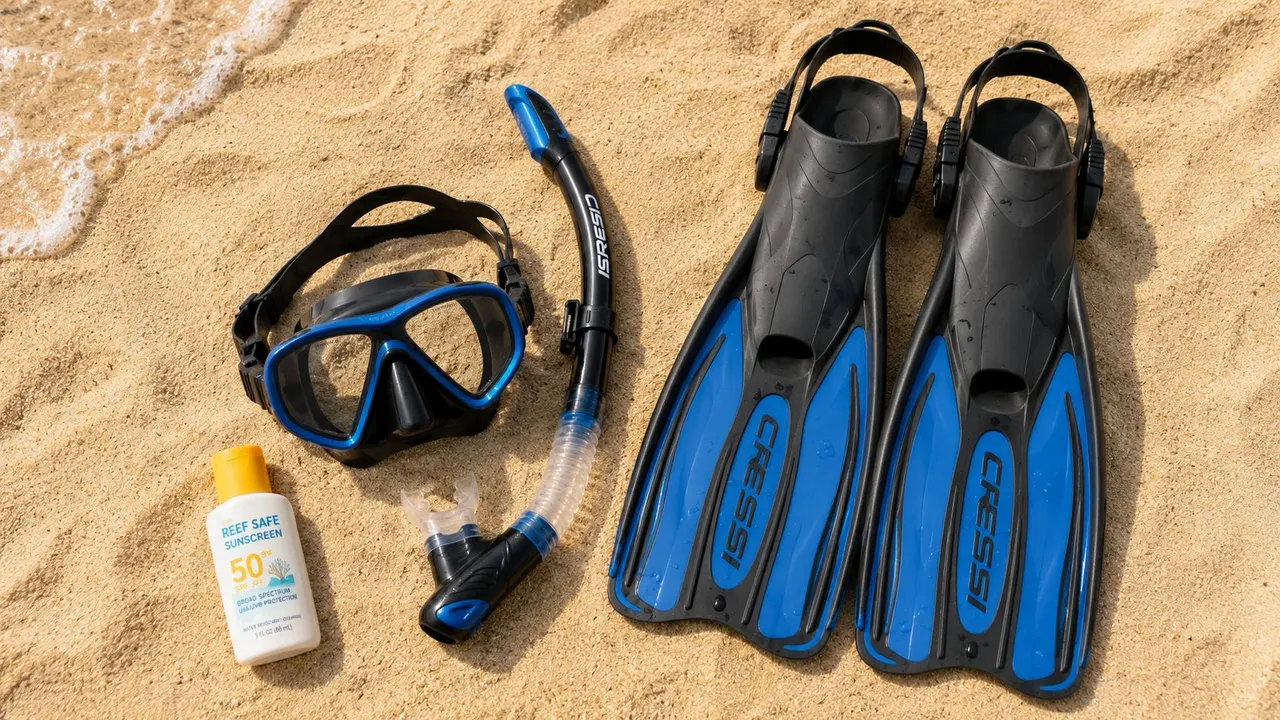
A solid guided trip should provide the core setup: mask, snorkel, fins, and a flotation vest. That's important for convenience, but it also helps with consistency. Beginners do better when the crew can fit gear, explain how it works, and correct small problems before those problems become frustration.
If you're debating whether to bring your own fins, this comparison of travel fins versus rental fins is worth a quick read.
What you should still bring
Keep your own checklist short and practical.
- Towel and dry clothes: You'll want both for the ride back or the drive home.
- Reef-safe sunscreen: To protect Oahu's marine life, snorkelers must keep a minimum distance of 10 feet from Hawaiian green sea turtles, avoid all coral contact, and use reef-safe, non-nano mineral sunscreen, as explained in this guide to snorkeling responsibly on Oahu.
- Reusable water bottle: Sun, salt, and excitement dry people out fast.
- Underwater camera: Optional, but it's nice if you already know how to use it without fiddling in the water.
Leave bulky extras behind unless you know you need them. Most overpacking happens because people prepare for every possible beach scenario instead of the actual snorkel they booked.
Frequently Asked Questions About Oahu Snorkeling
What if I can't swim
A lot of visitors ask this after they've already seen the shore break and realized the ocean looks very different from a hotel balcony.
You can still enjoy Oahu snorkeling without being a strong swimmer. The safer choice is usually a guided boat tour with flotation, a crew in the water or watching closely, and an easy ladder entry instead of a beach launch through surf. For beginners and non-swimmers, that changes the whole day. Energy goes toward breathing, floating, and looking at fish instead of trying to time waves or stand up in moving water.
That support matters more than people expect.
Is Oahu snorkeling good for kids
Yes, if the trip matches the child. Younger kids usually do better with short swim times, simple instructions, shade on the boat, and a calm place to regroup between water sessions. Parents also have a much easier day when they are not hauling gear across sand, hunting for parking, and guessing whether conditions will stay manageable.
Boat trips are often the better call for families near Waikiki because entry is controlled and the crew can help fit masks and vests correctly. That reduces the two things that ruin kids' first snorkel fast. Tired legs and a bad first breath through the snorkel.
Can I see whales while snorkeling
You might spot whales from the boat during winter, but snorkeling itself is not how to plan a whale-focused day. If whale watching is a priority, book a trip built for that, such as a Waikiki whale watch tour.
Can I snorkel with turtles
Yes, and guided trips usually give you a better chance because the captain can take you straight to reef areas where turtles are commonly seen. Near Waikiki, Turtle Canyon is the spot many visitors ask about. Going by boat is often simpler than trying to piece together a turtle sighting from shore, especially if you are unfamiliar with currents, visibility, and access points.
Keep expectations realistic. Wildlife is never guaranteed, and respectful distance matters every time.
The right snorkel plan depends on skill level, comfort in the ocean, and who is in your group. Strong swimmers with local knowledge can enjoy shore entries on the right day. Beginners, casual swimmers, families, and non-swimmers usually have a safer, easier experience on a professionally run boat trip, where conditions, entry, and support are handled for them.
If you want a straightforward way to get on the water with gear and guidance, take a look at Living Ocean Tours. It's a practical option for travelers who want more time in the water and less guesswork before they get there.


