
Oahu snorkeling: Plankton’s Role in Reef Food Webs
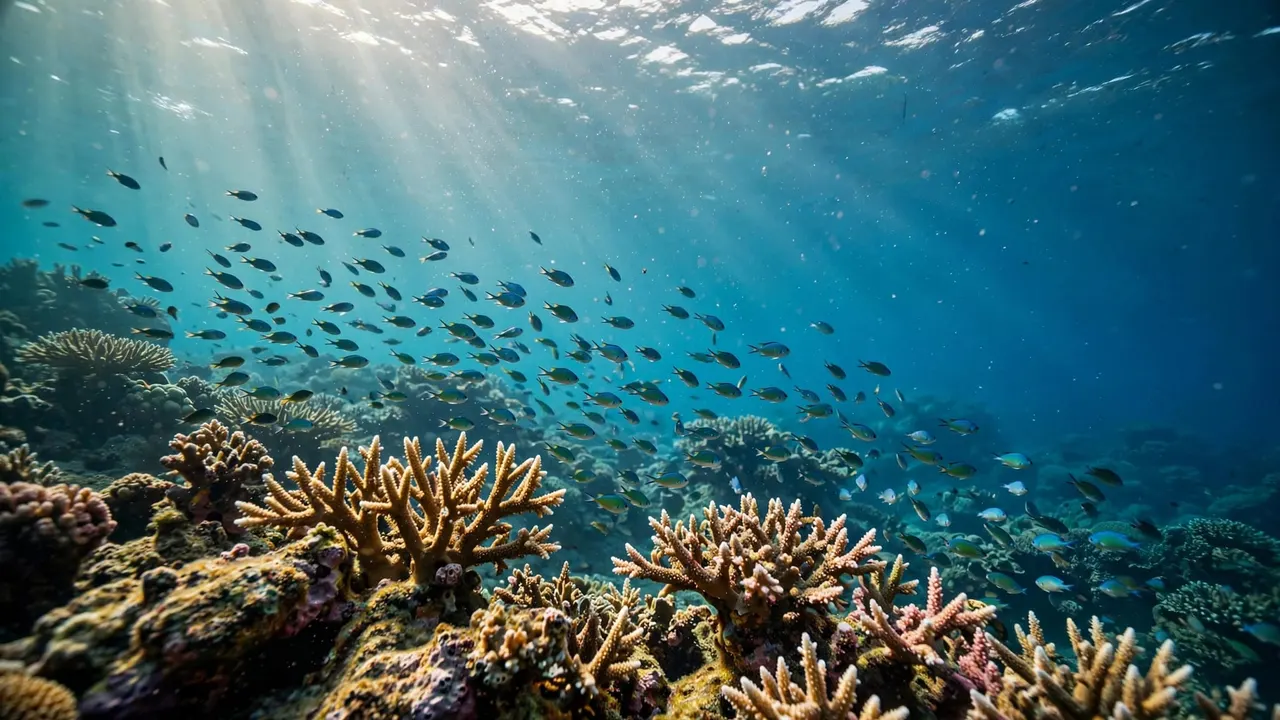
Plankton helps feed the reef you explore during Oahu snorkeling, even when most of it stays beyond your view. These drifting organisms connect sunlight, small animals, corals, and larger predators through a food web that extends beyond the coral itself.
At Living Ocean Tours, we welcome your curiosity about the smaller life behind the fish and turtles. You don’t need to identify microscopic organisms to appreciate their importance. Start with what plankton includes, then watch how animals use the water above the reef.
Key Takeaways
- Phytoplankton uses sunlight to produce organic matter, while zooplankton includes animals that consume other organisms.
- Reef food webs have several foundations, including drifting producers, attached algae, and the algae living within coral tissues.
- Some animals spend their whole lives as plankton; others drift only during early development.
- During Oahu snorkeling, fish behavior can suggest feeding activity, but you usually can’t identify their prey through a mask.
The most useful shift is simple: pay attention to the open water as well as the reef below.
What Counts as Plankton?
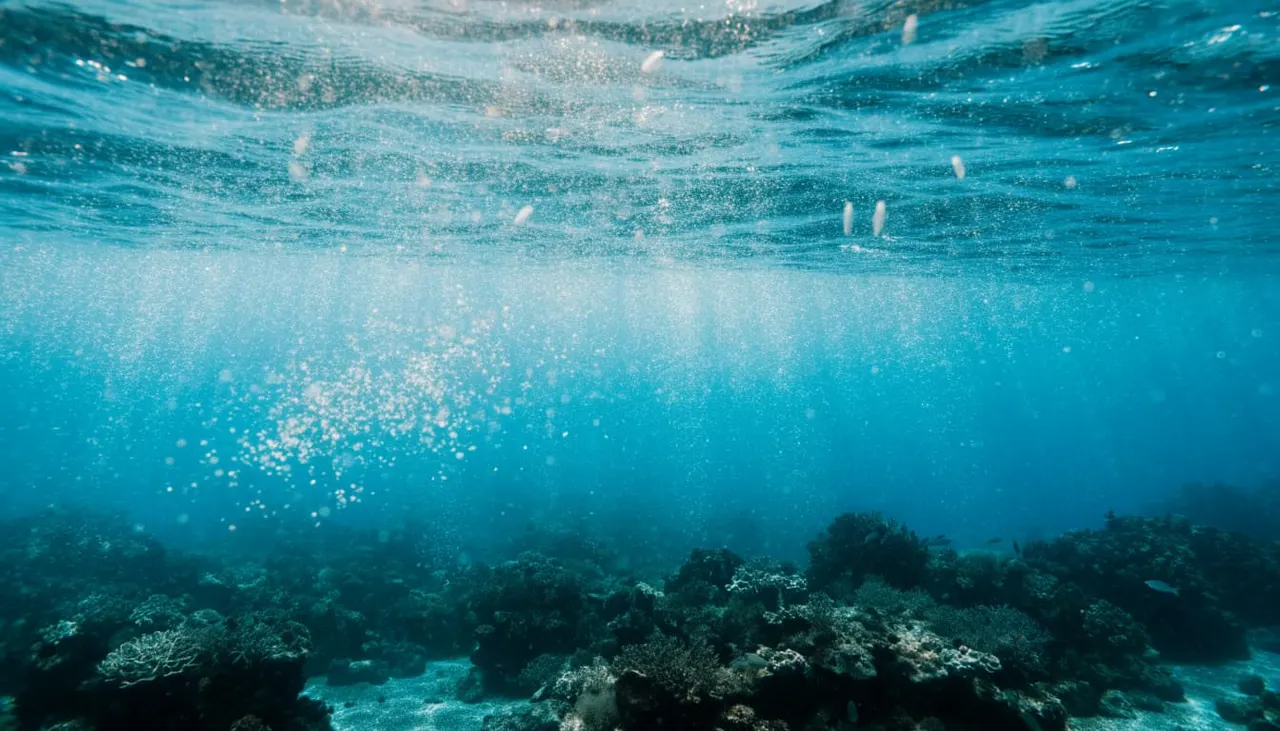
An ecological illustration of drifting life above a reef.
Plankton isn’t one species or a single group of closely related organisms. The term describes organisms that drift with water movement because they can’t consistently swim against the surrounding currents.
Some can swim or change depth. However, their small-scale movement doesn’t give them the independence of a cruising reef fish.
Phytoplankton captures energy from sunlight
Phytoplankton includes microscopic organisms that photosynthesize. They use light energy to build organic matter, which becomes food for other organisms.
You can picture their contribution as a supply of food suspended in sunlit water. Unlike attached seaweed, these producers don’t need a rock or reef surface beneath them.
Their small size makes them easy to overlook. Yet the food they produce can pass through several consumers before reaching an animal large enough for you to notice.
Zooplankton includes drifting animals
Zooplankton includes small animals and animal-like organisms with different diets. Some graze on phytoplankton, while others consume smaller zooplankton or other food particles.
The distinction matters because “plankton” doesn’t automatically mean “plant.” It also doesn’t mean harmless specks, identical diets, or one position in a food web.
When you look through your mask, most of this variety remains unresolved. Understanding the categories is more useful than trying to identify every drifting dot.
How Plankton Feeds a Reef Food Web
A reef food web contains many overlapping feeding relationships. You can follow one pathway without assuming every animal uses it.
NOAA’s coral reef ecosystem lesson identifies phytoplankton, algae, seagrasses, and coral-associated zooxanthellae as foundational producers. It also identifies zooplankton as an example of primary consumers.
Small consumers connect producers with fish
One pathway begins when zooplankton eats phytoplankton. A plankton-feeding fish may then eat those small animals, and a larger predator may eat that fish.
However, a food web has branching routes. Some consumers eat several kinds of prey, and their diets can change as they grow.
That flexibility explains why the water above a reef matters. Food doesn’t have to grow directly on coral to support animals living nearby.
Recycling returns nutrients to circulation
Feeding also produces waste, and organisms eventually die. Bacteria and other decomposers break down organic material, returning nutrients to forms that producers can use.
As a result, the reef’s food supply involves both new production and repeated recycling. A particle can enter different pathways rather than moving along one neat chain.
A fish feeding above coral may depend on food produced in the water, rather than food growing on the coral beneath it.
During Oahu snorkeling, that distinction helps you recognize open water as part of the habitat.
Corals Have More Than One Source of Nutrition
Corals are animals, so their relationship with plankton differs from a plant’s relationship with sunlight. Reef-building corals combine animal feeding with a partnership involving microscopic algae.
These routes work together. Neither one makes the surrounding food web irrelevant.
Algae inside coral tissues supply food
Many reef-building corals host microscopic algae commonly called zooxanthellae within their tissues. Through photosynthesis, these algae provide organic compounds that support their coral hosts.
This is different from free-drifting phytoplankton. Both involve photosynthetic organisms, but one lives in a close association with coral tissue.
When you see a coral colony, you’re looking at an animal community whose nutrition includes that internal partnership. You can’t see the individual algae through your mask.
Coral polyps also capture food
Coral polyps can capture zooplankton and other food particles with their tentacles. That feeding supplies nutrients alongside the products of photosynthesis.
However, a daytime view doesn’t reveal everything a colony eats. Tentacle extension and feeding activity vary, and much of the action happens at a scale you won’t resolve while floating above.
You can appreciate both nutritional routes without trying to witness a capture. The coral’s place in the food web extends beyond what its surface reveals during one visit.
Reading Feeding Behavior During Oahu Snorkeling
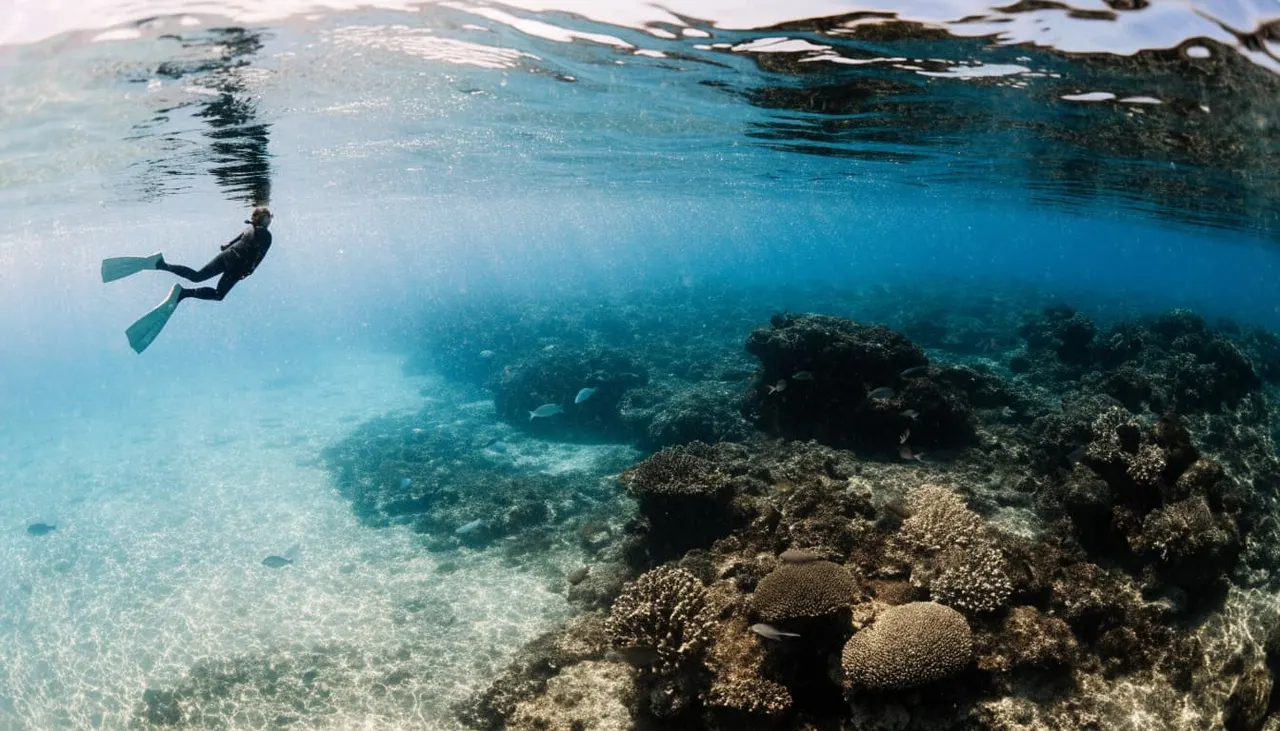
You don’t need a microscope to notice that fish use different feeding spaces. Their position and repeated movements offer clues, although those clues have limits.
Watch the relationship between an animal and its surroundings rather than concentrating only on its colors.
Notice where repeated bites happen
A fish taking repeated bites at a surface is using a different feeding area from one making quick movements into open water.
Likewise, several fish holding position above the bottom may be responding to food moving past them. Their behavior gives you a reason to watch the water column more closely.
Describe the action before assigning a diet. “Picking at passing particles” is a stronger observation than naming prey you couldn’t see.
Separate what you see from what you infer
An open mouth doesn’t establish exactly what a fish swallowed. Nor does a group of small fish prove that plankton is unusually abundant.
During Oahu snorkeling, you can recognize possible feeding activity without turning it into a measurement. A useful account includes where the fish stayed, which direction they faced, and whether their movements repeated.
That approach gives you more to discuss afterward than a list of animals alone.
Some Reef Animals Begin Life as Plankton
Plankton also connects the reef’s present community with its next generation. Many marine animals have an early drifting stage before they settle or develop stronger swimming abilities.
For example, many reef fish and invertebrates spend part of their early development in the plankton. Later, survivors may join habitats where their adult lives look entirely different.
This is why plankton isn’t simply a meal category. It can also describe a temporary way of life.
However, drifting doesn’t guarantee that a young animal will return to the place where it began. Transport, development, survival, and suitable habitat all affect what happens next.
When you see an established reef community, some of its residents have already passed through that less visible chapter. You don’t need to spot their larvae to understand the connection.
Clear Water Doesn’t Reveal the Whole Food Web
Clear water can make reef watching easier, but clarity alone doesn’t tell you how much plankton is present. Many planktonic organisms are too small or too transparent for you to recognize individually.
Similarly, visible particles aren’t automatically plankton. Suspended material can include nonliving matter, and a mask doesn’t provide a reliable identification method.
For your Oahu snorkeling experience, this means visibility and ecological understanding are separate things. A beautiful view helps you observe larger animals; it doesn’t provide a complete inventory of their food.
Avoid judging reef health from water appearance or one busy fish gathering. Food webs include processes that require repeated observations, sampling, and closer examination.
Your swim still offers something valuable: a chance to connect visible behavior with the smaller organisms that may support it.
Explore With Our Professional Snorkel Guides
At Living Ocean Tours, we’re Oahu’s only tour company with professional snorkel guides. Our outings depart from Kewalo Basin Boat Harbor near Waikiki, with guidance that helps you focus on the experience.
You can explore our Waikiki ocean outings and guided snorkeling options for your group.
Our Turtle Canyon Snorkel Tour offers a wildlife-focused way to explore the wider reef community. Bring a question about feeding behavior, then share what you notice with your guide.
For a turtle-focused outing, you can CHECK AVAILABILITY for your visit.
Frequently Asked Questions About Plankton
Can you see plankton while snorkeling?
You may see some larger planktonic organisms, but much of the community is microscopic. Tiny drifting specks aren’t enough for identification, so you shouldn’t assume every particle you notice is alive.
Does every reef fish eat plankton?
No. Reef fish have varied diets, including algae, attached organisms, and other animals. Some feed on plankton, while others depend on it indirectly through the prey they eat.
Is plankton the reef’s only food-web foundation?
No. Attached algae and other producers also contribute, while coral-associated algae support their hosts through photosynthesis. During Oahu snorkeling, you encounter a community supported by several connected sources of production.
See the Reef Beyond Its Largest Animals
Plankton helps connect sunlight, drifting food, coral nutrition, and the early lives of many marine animals. Your Oahu snorkeling experience becomes richer when you include the water column in your attention.
You don’t need to identify invisible prey or diagnose reef health. Watch where feeding happens, describe what you can see, and leave room for the smaller life your mask can’t reveal.


