
Oahu snorkeling: Why Feeding Reef Fish Changes Behavior
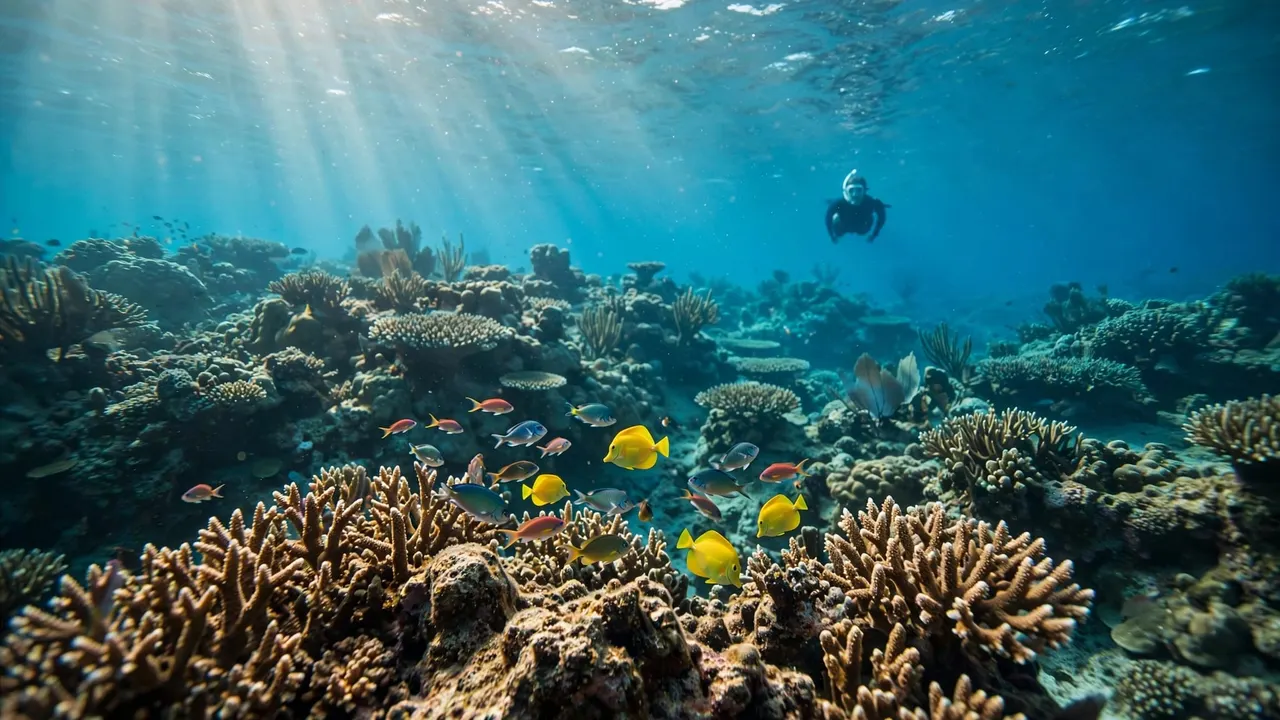
Feeding reef fish during Oahu snorkeling can draw them toward people instead of the reef activities you came to observe. At Living Ocean Tours, we encourage you to enjoy wildlife without offering food, touching animals, or crowding their habitat.
A fish approaching your mask may feel like a special encounter, but food can influence where it swims and what holds its attention. You’ll see more natural behavior when you leave snacks aboard and give animals room to continue their day.
Start by understanding what changes when people become part of a fish’s search for food.
Key Takeaways for Your Reef Visit
Your Oahu snorkeling experience is more rewarding when you watch fish use their habitat without trying to attract them.
- Food can gather fish around swimmers, so a feeding crowd doesn’t show how fish normally use that reef.
- Hanauma Bay prohibits introducing food or other substances to feed or attract marine life.
- Patient observation lets you notice grazing, sheltering, and cleaning behavior without offering a reward.
- Keeping your hands, fins, and camera clear of coral protects the living habitat around the fish.
The practical rule is simple: bring your curiosity into the water, and leave food out of the encounter.
How Feeding Changes an Oahu snorkeling Encounter
Fish Gather Around the Food Source
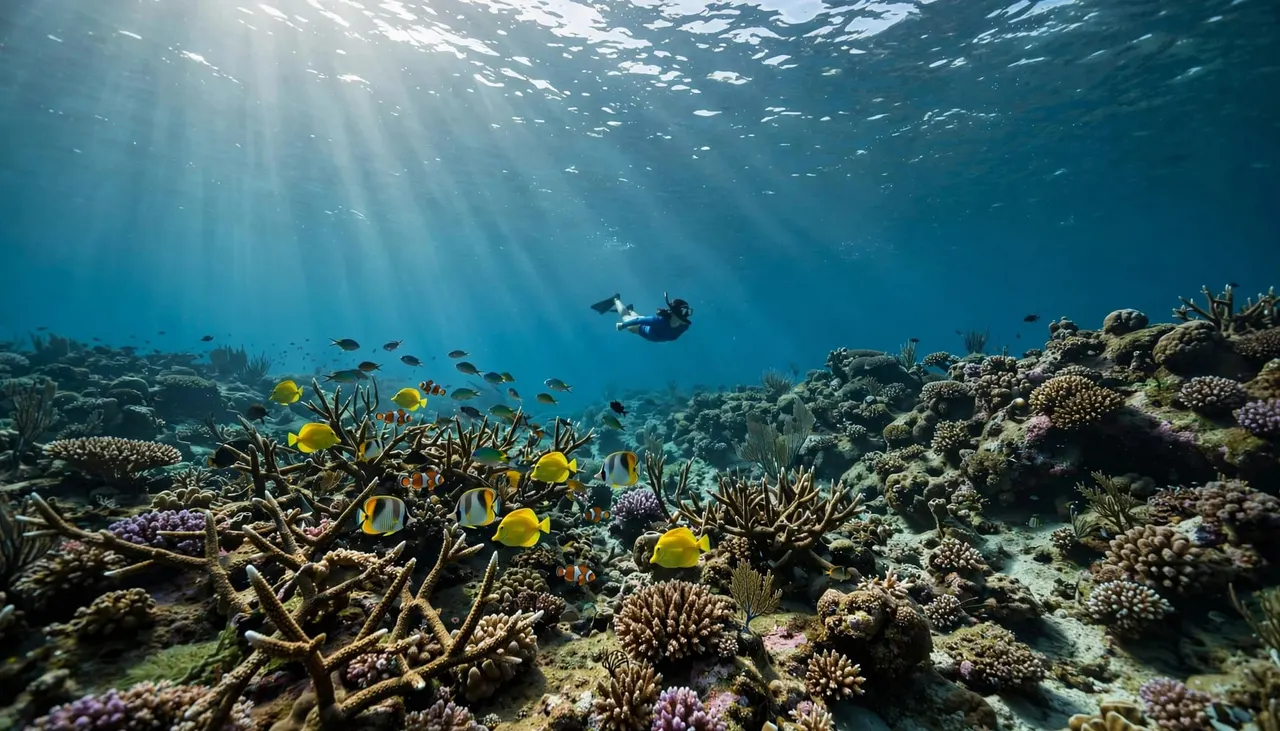
When you introduce food, you add a reason for fish to approach a swimmer or gather in one place. That changes the encounter immediately. Instead of watching fish move through their usual feeding grounds, you’re watching their response to something you supplied.
A 2020 study of bread feeding investigated how coral reef fish in the South Pacific respond to this attraction. Its setting matters: you shouldn’t treat it as a measurement of feeding effects across Oahu.
Still, the distinction is useful underwater. Fish attracted to a handout aren’t showing you the same behavior as fish searching the reef.
A Close Approach Doesn’t Mean a Natural Encounter
You can’t identify the reason for every fish’s approach by looking at it. Some fish pass nearby while traveling. Others investigate movement, equipment, or activity in the water.
Offering food removes that uncertainty by giving them an immediate attraction. Repeating the experience can also encourage an association between people and food.
For your own visit, concentrate on what the fish was doing before it noticed you. Watch its route, its distance from shelter, and whether it returns to the same patch of reef. Those details tell you more than a brief crowd around a snack.
Why Natural Foraging Matters to the Reef
Grazing Fish Have Work to Do
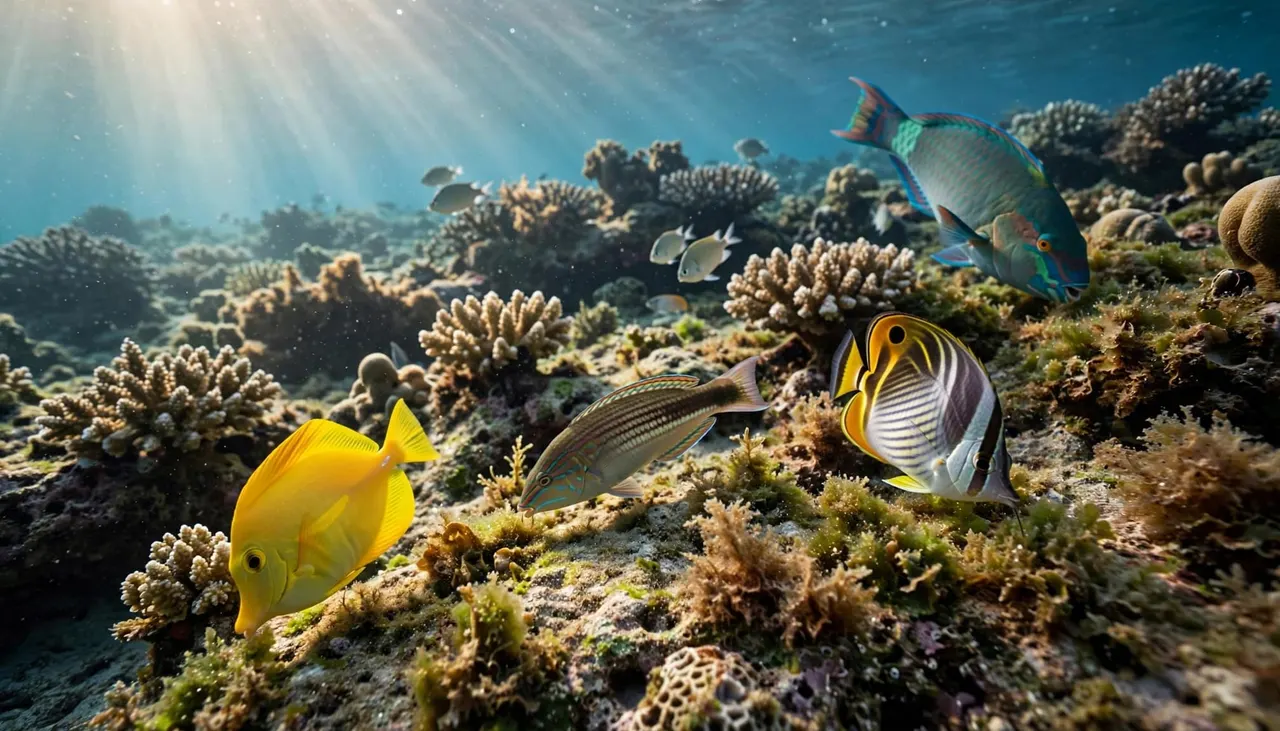
During Oahu snorkeling, you may see fish repeatedly picking at hard surfaces. Many surgeonfish and parrotfish feed on algae, although their feeding methods and preferred foods vary.
These feeding relationships matter because algae compete with corals for space. Reef fish also move nutrients through the ecosystem, while other species help control small animals that live around coral.
Watching natural foraging gives you a clearer picture of these relationships. However, the importance of grazing doesn’t establish that one feeding event causes a measurable decline in reef health. Keep the conclusion proportionate: feeding changes the immediate attraction, while wider effects require evidence.
Cleaning Stations Offer Their Own Attraction
At Turtle Canyons off Waikiki, Hawaiian green sea turtles visit a natural cleaning habitat. Fish remove algae and parasites from the turtles, creating an encounter that doesn’t need a human food reward.
You can appreciate this relationship without moving into the animals’ space. Stay clear of the turtle’s route, and let the cleaning activity continue.
A feeding crowd nearby offers a different kind of scene. Your attention shifts toward animals responding to a handout rather than the relationships already present. Waiting patiently gives you a chance to see why the wildlife uses that location in the first place.
What Hanauma Bay’s No-Feeding Rule Means
Hanauma Bay has a specific prohibition against introducing food or another substance into the water to feed or attract marine life. The ban took effect in 1999.
That wording matters because the rule covers attracting animals, not simply placing food directly into a fish’s mouth. Bringing bread or another substance into the water to draw fish closer falls within the activity the rule addresses.
The Hanauma Bay Education Program includes reminding visitors about the no-fish-feeding rule. It’s part of treating wildlife observation as an activity with boundaries.
You shouldn’t extend this location-specific rule into a claim that feeding fish is prohibited everywhere on Oahu. Different managed areas have different regulations.
For your own Oahu snorkeling plans, you can follow a consistent personal standard without making that broader legal claim: don’t feed marine life. You don’t need food to enjoy a reef, and leaving it out keeps the encounter centered on the animals’ existing activity.
The same approach applies when someone else offers you a handful of fish food. You can decline and continue observing from a comfortable distance.
How to Watch Reef Fish Without Feeding Them
Settle Into the Water Before Moving Closer
First, get comfortable with your mask, breathing, and flotation. When you’re distracted by leaking equipment, it’s harder to control your position above the reef.
Once you’re settled, slow down. Keep your fins clear of the bottom, and watch a small area rather than swimming after each colorful fish.
Research on reef fish avoidance shows why responses to people matter when scientists count fish. Your presence can influence an encounter even without food.
You can’t become invisible, but you can reduce unnecessary disturbance. Leave fish an open route to shelter, and avoid surrounding them with your group. If an animal moves away, let the encounter end.
Keep Your Camera Within Your Swimming Space
A camera doesn’t justify a closer approach. Use a wider view when a fish is farther away, and keep your equipment out of crevices.
Corals are colonies of living animals. Contact can damage their tissue, so don’t use the reef as a handhold or a place to stand while adjusting equipment. Your fins need clearance, too.
For families, explain the no-feeding rule before anyone enters the water. Children can look for fish grazing or returning to shelter instead of trying to make animals approach.
A fish that keeps grazing while you watch offers a better view of everyday reef life than one drawn toward your hand.
If someone nearby starts feeding fish, move away from the gathering. On a guided outing, tell your crew rather than joining the activity.
Choose Guided Oahu snorkeling With Wildlife in Mind
With us, your reef time combines wildlife observation with practical support. We’re the only tour company on Oahu with professional snorkel guides, and our approach emphasizes observing animals without touching, chasing, or feeding them.
You can explore our guided snorkeling and ocean tours departing from Kewalo Basin Boat Harbor near Waikiki. We provide snorkeling gear, instruction, and flotation devices, while our in-water guides help you get comfortable.
Ask for help when a mask leaks or you need a break. Better positioning makes it easier to keep your attention on wildlife without drifting into coral.
For a guided visit to the turtle-cleaning habitat, you can CHECK AVAILABILITY for your preferred day.
Our boats also have shaded seating, onboard restrooms, dry storage, and sturdy ladders. Those comforts give your group options when someone wants time aboard between swims.
Choose your outing around the experience you want to share, while leaving wildlife free to choose its own movements.
Frequently Asked Questions About Feeding Reef Fish
Is Bread Okay Because Fish Eat It?
A fish taking bread doesn’t establish that you should offer it. Eating an available item and naturally finding food on a reef are different situations.
Bread also creates the attraction responsible viewing tries to avoid. At Hanauma Bay, the prohibition covers introducing food to feed or attract marine life, regardless of whether a fish accepts it.
You don’t need to choose a different snack or bring commercial fish food instead. Leave all food out of your underwater wildlife encounter and watch what the animals find themselves.
What Should You Do When Fish Follow You?
Keep swimming calmly, maintain space above the reef, and avoid reaching toward the fish. Don’t reward the approach with food or try to turn it into a hand-feeding photograph.
A following fish doesn’t tell you its history. You can’t determine from that moment whether people have previously fed it.
Instead, watch without encouraging contact. If fish gather tightly around your group and you’re uncomfortable, move toward your guide and explain what’s happening. Keep your movements controlled, and never grab coral to steady yourself.
Let the Reef Set the Encounter
The most useful change you can make during Oahu snorkeling is to leave food out of the experience. You’ll give yourself a clearer view of fish grazing, finding shelter, and interacting with other reef animals.
Keep space and patience at the center of your visit. Comfortable gear and guidance help you maintain that approach without sacrificing the excitement of being underwater.
When a fish continues its day while you watch, you get to enjoy the reef on its own terms.


