
Oahu snorkeling: Understanding Box Jellyfish Alerts

You can have clear water, sunny skies, and a box jellyfish warning on the same Waikiki morning. For Oahu snorkeling, current conditions matter more than how inviting the ocean looks.
Living Ocean Tours gives you professional snorkel guidance from Kewalo Basin Boat Harbor near Waikiki, but ocean hazards still require attention. Before you plan your reef day, understand what a jellyfish alert means, where to check conditions, and when to stay out.
Key Takeaways for Your Reef Day
- Box jellyfish commonly arrive along south and leeward shores nine to ten days after a full moon, but calendar dates are estimates.
- Posted warnings, lifeguard advice, and your captain’s assessment should determine whether you enter the water.
- Offshore reefs and sheltered bays aren’t automatically free of jellyfish, even when the surface looks calm.
- If you’re stung, leave the water, tell a lifeguard or crew member, and seek medical attention. Call 911 for severe symptoms.
How Box Jellyfish Alerts Affect Oahu snorkeling
Understand the Post-Full-Moon Pattern
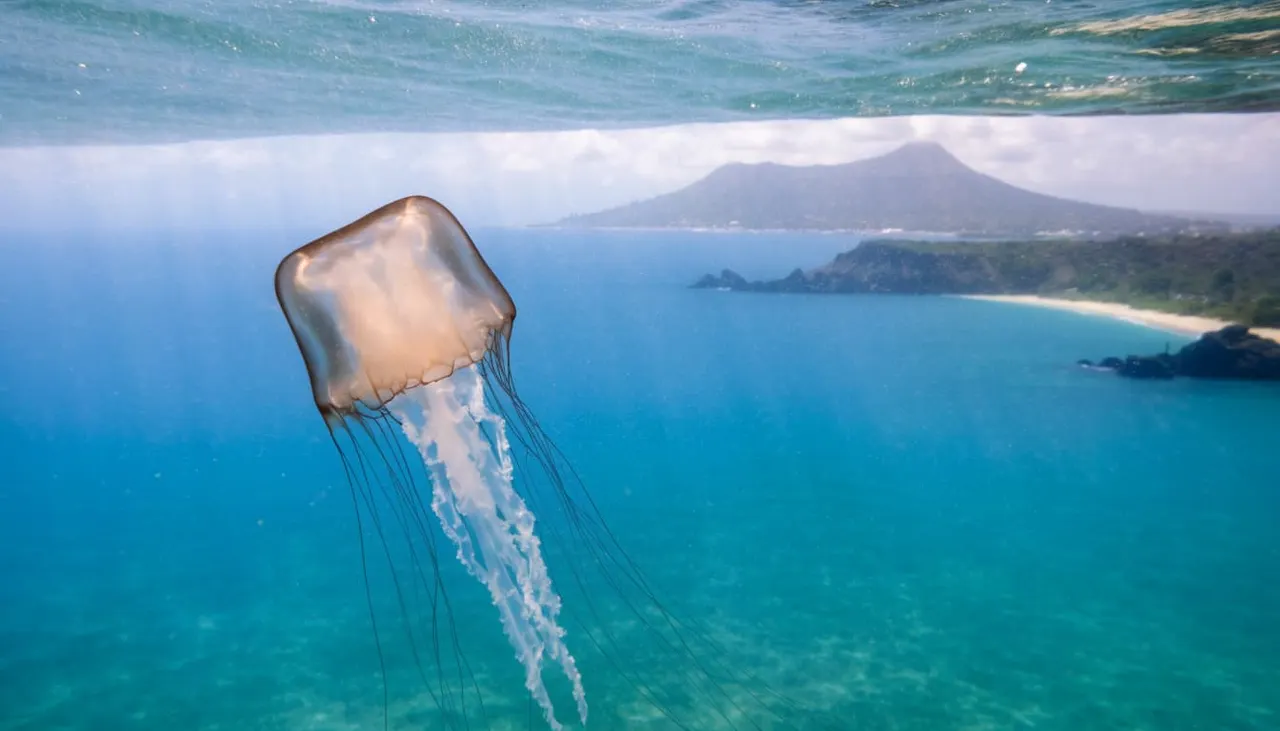
Box jellyfish arrivals follow a useful lunar pattern. According to Honolulu Ocean Safety’s beach warning guidance, they regularly swarm along Hawaii’s south and leeward shores nine to ten days after the full moon.
That timing helps you build flexibility into your vacation. If your intended snorkel date falls near the expected arrival period, keep another activity available.
However, the pattern doesn’t predict every animal or every affected location. You still need information about your intended beach or reef on the day you plan to swim.
Treat Calendars as Planning Tools
The Waikiki Aquarium’s box jellyfish calendar provides estimated arrival dates. Those dates help you anticipate increased risk, but they aren’t a daily safety clearance.
Jellyfish can appear outside the predicted window. Similarly, an estimated arrival date doesn’t establish identical conditions across Oahu.
Check the calendar before choosing a day, then look for current warnings closer to your outing. Avoid treating yesterday’s beach report, an old social media post, or a clear-looking photograph as permission to enter.
Where Jellyfish Warnings Matter Around Oahu
Give South and Leeward Shores Extra Attention
Waikiki, Ala Moana Beach Park, Hanauma Bay, and Pokai Bay are locations to watch when checking jellyfish information. South and leeward shore exposure deserves attention during expected arrival periods.
For Oahu snorkeling, location matters, but a familiar beach name doesn’t settle the safety question. Ask about the specific swimming area you intend to use.
Also, avoid areas where jellyfish have been sighted or washed ashore. A stranded animal can still sting, so keep children away and don’t pick one up for a closer look.
Don’t Assume Another Coast Is Safer
Changing beaches can introduce different hazards. Sharks Cove and Three Tables on the North Shore have rocky entries and can face dangerous surf.
Before moving your outing there, assess the swell, entry route, and exit. If waves break across your return path, choose another activity.
Hanauma Bay also requires a conditions check despite its sheltered appearance and managed setting. Follow staff instructions and keep your feet off coral. A destination’s popularity doesn’t remove currents, surge, or jellyfish risk.
What to Do When an Alert Is Active
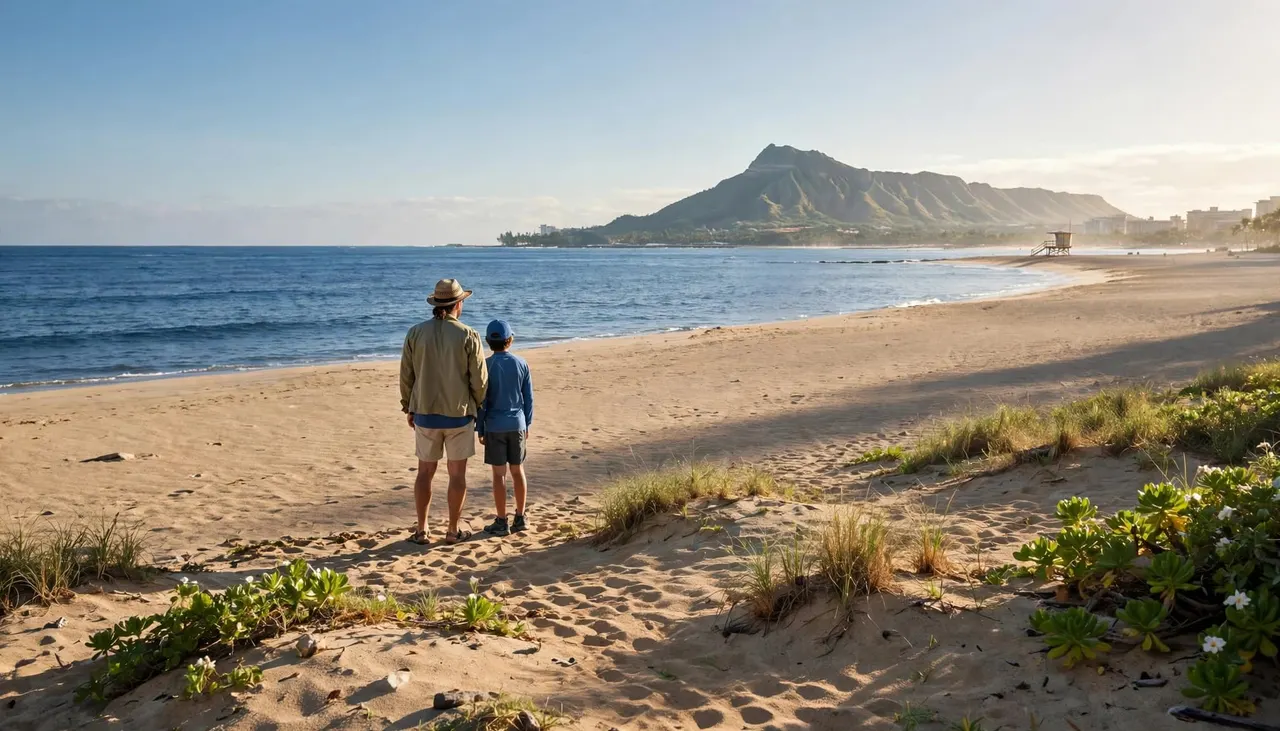
When you encounter a jellyfish warning, pause before unpacking your gear. Your next decision should reflect actual conditions, rather than the time you’ve already invested in reaching the beach.
- Read posted warnings and ask an on-duty lifeguard about jellyfish sightings and the recommended precautions.
- Stay out of areas with reported jellyfish, washed-up animals, or instructions against entering.
- If you’re joining a boat outing, ask the crew how the alert affects the planned snorkel stop.
- Accept a changed route, postponed swim, or canceled water entry when conditions require it.
Don’t test the water with a short dip. Transparent jellyfish and fine tentacles can be difficult to spot.
A beach advisory doesn’t establish conditions at every offshore reef. Your crew must assess the actual snorkel stop before anyone enters.
For families, explain the change before children reach the shoreline. A clear backup plan makes it easier to trade swimming for a beach walk, sightseeing, or another land-based activity.
What to Do If You Get Stung
Leave the Water and Get Help
If you feel sudden burning or stinging, stop snorkeling and alert your companion or guide. Leave the water promptly, with assistance if needed.
On a boat, return using the crew’s designated route. Don’t attempt to swim toward shore instead. At a beach, seek an on-duty lifeguard.
Avoid rubbing the area or handling attached tentacles with bare hands. Tell responders when the sting happened and describe your symptoms. Seek medical attention, even if the initial discomfort seems manageable.
For severe symptoms such as trouble breathing, fainting, chest pain, or collapse, call 911 immediately. MedlinePlus guidance on jellyfish stings explains why serious reactions require emergency help.
Follow Species-Appropriate First Aid
Jellyfish treatment depends on the animal and the situation. Follow a lifeguard’s, crew member’s, or medical professional’s current instructions rather than trying a beachside remedy.
A 2025 study on box jellyfish treatment supports vinegar’s role in preventing further discharge from stinging cells. However, that doesn’t make one treatment recipe appropriate for every marine sting.
Don’t delay emergency care while searching for supplies. If someone becomes unresponsive and isn’t breathing normally, call 911 and follow the dispatcher’s CPR instructions.
Also, report a sting even if you feel able to continue. The crew needs to know about a possible hazard affecting other swimmers.
Check More Than Jellyfish Before Entering
Read the Ocean Alongside the Alert
A jellyfish check is one part of Oahu snorkeling preparation. Wind, swell, currents, rainfall, and visibility also affect your swim.
Review ocean forecasts, then compare them with what you see at the shoreline. Whitewater breaking over a reef, heavy shorebreak, brown runoff, and persistent surface chop are reasons to reconsider entry.
Buoy readings provide regional context. They can’t certify conditions at a particular reef, and an older observation may miss a recent change.
Morning can offer lighter winds, but no hour guarantees comfortable water. Let conditions determine your timing.
Set a Comfortable Entry and Exit Plan
Before entering, identify where you’ll return. On a boat, ask which ladder to use, where the swimming boundary lies, and how to signal for help.
Tell your guide about a leaking mask, nervous swimmer, or child needing extra support. Use offered flotation, but don’t treat it as protection against jellyfish.
A rash guard provides sun coverage and covers some skin; it doesn’t make an affected area safe.
Return before fatigue builds. If you’re cold, dizzy, short of breath, or uncomfortable, end the swim and tell the crew.
Plan a Guided Reef Day With Living Ocean Tours
For guided Oahu snorkeling, Living Ocean Tours departs from Kewalo Basin Boat Harbor, a short distance from Waikiki. You have professional snorkel guides to help with equipment, explain the swimming area, and support your return to the boat.
You can compare Living Ocean Tours’ ocean excursions to find an outing that suits your group. Before booking, ask how jellyfish advisories affect water entry and what happens if conditions require a change.
The company’s double-decker vessels, Coral Kai and Lokahi, offer shaded seating, onboard restrooms, and sturdy boarding ladders. Those comforts give you somewhere to rest between ocean activities.
Still, guided support doesn’t remove jellyfish risk. Listen to the captain’s briefing, follow the in-water guide, and accept the decision to skip snorkeling when necessary.
When conditions allow wildlife viewing, observe without touching, chasing, feeding, or blocking animals. Keep fins away from coral and give Hawaiian green sea turtles room to surface.
Frequently Asked Questions About Box Jellyfish Alerts
Can You Snorkel Outside the Predicted Arrival Dates?
You may find suitable conditions outside the estimated window, but the calendar doesn’t guarantee jellyfish-free water. Check current warnings and ask a lifeguard or your crew before entering. Continue watching other conditions, including surf and visibility, because a low predicted jellyfish risk doesn’t establish a safe swim.
Does a Waikiki Alert Cancel Every Boat Tour?
An alert at Waikiki doesn’t automatically describe every offshore location or determine every departure. Contact your operator for the current plan. The captain may change the stop, limit water activities, or cancel snorkeling. Don’t interpret a boat departure as a promise that swimming will happen.
Can You See Box Jellyfish Before They Sting?
You shouldn’t depend on seeing them. Their translucent bodies and thin tentacles can be hard to distinguish underwater. Clear water improves your view of the reef, but it doesn’t prove jellyfish are absent. Keep your distance from anything suspicious and tell a guide or lifeguard promptly.
Let Today’s Conditions Set Your Snorkeling Plan
A beautiful Waikiki morning can still require a change of plans. For Oahu snorkeling, combine calendar awareness with current warnings, local advice, and an honest assessment of your swimming comfort.
Check conditions before entering and follow your guide’s instructions. If jellyfish are present or the water doesn’t suit your group, save the reef for another day. Your vacation leaves room for both adventure and good judgment.


