
Oahu Octopus Snorkeling: Where to Look and What to Know
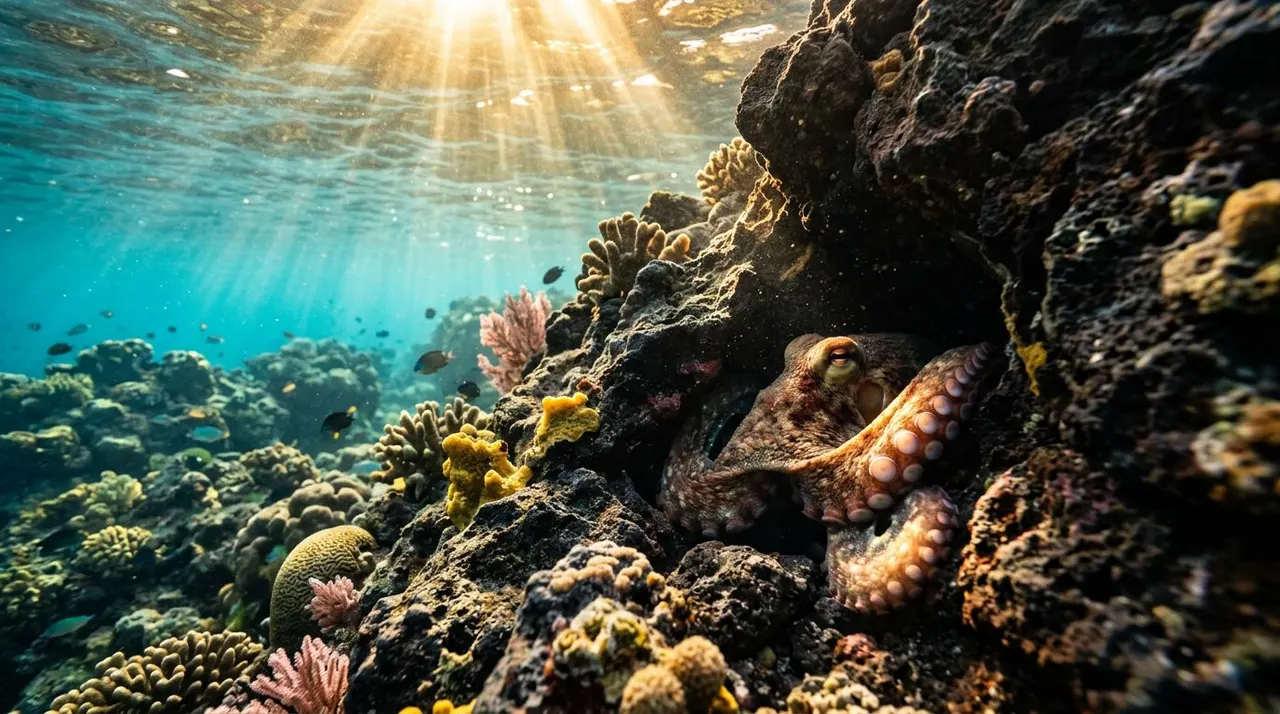
An octopus can be inches from your mask and still look like a patch of rock. That talent makes Oahu octopus snorkeling exciting, but sightings depend on patience, water conditions, and knowing where to search.
You may notice a moving eye, a sudden color change, or a line of suckers before you see the entire animal. The best places combine rocky reef, protected crevices, clear water, and guides who understand marine behavior. Start with the most reliable habitats, then choose a snorkeling experience that matches your comfort level.
Why octopus sightings require patience
Octopuses live in rocky reef areas with plenty of holes and ledges. During the day, they often stay tucked inside a den, with only an eye or a few arms showing. Their skin can change color and texture, helping them blend into coral, lava rock, and sand.
The Hawaiian word he’e refers to octopus, and you may hear local guides use it while describing reef life. Oahu’s reefs can hold Hawaiian day octopuses, along with moray eels, butterflyfish, parrotfish, and sea turtles. Still, no responsible operator can promise an octopus sighting on a particular trip.
Your best chance comes when you slow down. Scan the reef instead of swimming quickly across it. Look for small piles of shells near a hole, unusual movement, or a shape that seems slightly too smooth for the surrounding rock. An octopus may also reveal itself when it changes color after you approach.
The goal is to observe the animal’s behavior, not force an encounter.
Never reach into a crevice, lift rocks, chase an octopus, or touch its body. Contact can damage its protective skin and change its normal behavior. Feeding wildlife also creates problems for the animal and the entire reef.
Best places for Oahu octopus snorkeling
Oahu has several snorkeling areas where rocky structure gives octopuses places to hide. Each location offers a different balance of access, visibility, water movement, and guide support.
| Snorkeling area | Why octopus sightings are possible | What you should know |
|---|---|---|
| Turtle Canyon | Reef ledges, coral heads, and underwater structure | Boat access, guide support, conditions vary |
| Hanauma Bay | Protected shallow reef with rocky habitat | Reservations and current park rules apply |
| Shark’s Cove | Lava shelves, cracks, and tide pools | Best in calm summer conditions |
| Waikiki nearshore reef | Convenient shallow reef areas | More swimmers, boats, and changing visibility |
Turtle Canyon
Turtle Canyon sits offshore from Waikiki and is known for Hawaiian green sea turtle sightings. Its reef formations also create habitat for smaller animals, including octopuses. You may find one near a ledge while watching fish or waiting for a turtle to pass.
A boat trip gives you direct access to the reef without a long shore entry. That matters if you’re traveling with children, carrying camera equipment, or want to conserve your energy for time in the water. Visibility and marine activity change each day, so a professional guide can help you focus on productive areas.
Living Ocean Tours’ Turtle Canyon Snorkel Excursion includes gear, crew guidance, and access to a natural turtle cleaning station. The tour has a stated 95% success rate for spotting Hawaiian green sea turtles. Although turtles are the main focus, a trained guide can also point out reef animals that many visitors swim past.
Hanauma Bay
Hanauma Bay Nature Preserve is one of Oahu’s best-known snorkeling locations. The curved volcanic bay shelters a shallow reef with coral heads, sandy patches, and rocky areas where octopuses can hide.
Because the bay is popular, arrive prepared to follow current reservation, entry, and conservation rules. Park schedules and access policies can change, so check the latest requirements before you plan your visit. You also need to pay close attention to water conditions and stay within areas appropriate for your swimming ability.
Hanauma Bay can work well for confident swimmers who want to explore at their own pace. However, you won’t have a boat crew watching the reef with you. A guide-led trip may be more comfortable if you are new to snorkeling or want help identifying marine life.
Shark’s Cove and Pupukea
Shark’s Cove on Oahu’s North Shore has rocky shelves, cracks, and tide pools that attract reef fish and other marine animals. During calm summer conditions, experienced snorkelers may find good visibility around the shallow rock formations.
Winter surf changes the location completely. Large waves, strong surge, and poor visibility can make entry dangerous. Avoid snorkeling there when the ocean is rough, even if the shoreline looks calm. Before entering, watch the water for several minutes and choose another site if waves break across the reef.
Shark’s Cove suits capable swimmers who understand shore-entry risks. It isn’t the easiest choice for young children or first-time snorkelers. For a more controlled experience, a boat tour with professional guidance may offer a better fit.
Why Living Ocean Tours works for reef wildlife seekers
Living Ocean Tours departs from Kewalo Basin Boat Harbor, a short drive from Waikiki Beach. The company focuses on guided ocean experiences along the Waikiki coastline, with professional crews, provided snorkeling equipment, and safety support for beginners.
Living Ocean Tours is the only tour company with professional snorkel guides. That distinction matters when you’re searching for a camouflaged animal. A guide who spends time reading the reef can help you notice details that disappear during a fast, independent swim.
The fleet includes the Coast Guard-inspected Coral Kai and Lokahi, custom-built double-decker vessels with shaded seating, restrooms, dry storage, and sturdy ladders. Lokahi also has a SeaKeeper stabilization system that reduces side-to-side rolling, which can make the ride more comfortable if you are sensitive to motion.
The Deluxe Waikiki Snorkeling and Wildlife Cruise visits a less-crowded reef and adds a boat-mounted waterslide, water trampoline, and floating lily pad. Families can spend time looking for reef life, then enjoy active water features between swims.
Neither tour guarantees an octopus. Wildlife encounters depend on the reef, visibility, weather, and animal behavior. You do get a better chance to notice smaller species when a professional snorkel guide explains where to look and gives you time to observe.
Living Ocean Tours brings a welcoming approach to first-time snorkelers, couples, and families with children ages 3 and older. You can ask the crew for help with your mask, flotation, breathing rhythm, or safe water entry before you begin.
You can CHECK AVAILABILITY for Turtle Canyon if you want a guided reef trip near Waikiki. Families who prefer extra water activities can CHECK AVAILABILITY for the deluxe cruise.
How to improve your chances of seeing an octopus
Good preparation helps you spend more time observing instead of adjusting equipment. Before entering the water, make sure your mask seals, your snorkel sits comfortably, and your fins fit without pinching. A leaking mask can distract you from the reef.
Once you’re swimming, use a slow rhythm and keep your breathing relaxed. Octopuses often stay hidden when swimmers kick hard or approach quickly. Hover above the reef without resting your hands or knees on coral.
Search around:
- Dark holes beneath reef ledges
- Rock edges beside sandy patches
- Small piles of shells near crevices
- Areas where fish gather around structure
- Reef sections with good visibility and little surge
Move your eyes before moving your body. Look for a change in color, a shifting outline, or an arm curling around a rock. Your guide may ask you to follow a hand signal or point toward a specific crevice. Keep enough distance for the animal to move freely.
Use reef-safe habits throughout the trip. Don’t touch coral, stand on rocks covered with marine life, or collect shells. If you use sunscreen, apply it before entering the water and choose a reef-conscious formula that follows local rules.
When to go snorkeling around Oahu
Calm conditions matter more than a particular month. Early morning trips often offer smoother water and clearer visibility, although wind and swell can change the experience quickly. Ask about the day’s ocean conditions before you enter.
Summer is usually the better season for North Shore shore snorkeling because winter surf can make Shark’s Cove unsafe. Waikiki and Turtle Canyon can offer snorkeling opportunities throughout the year, but every trip remains weather-dependent.
For octopus sightings, patience matters more than chasing a perfect date. A calm reef with clear water gives you time to inspect holes and ledges. A guide-led trip also helps you adjust your search when visibility or marine activity changes.
Conclusion
The best Oahu octopus snorkeling combines rocky reef habitat, calm water, careful observation, and respectful behavior. Turtle Canyon, Hanauma Bay, Shark’s Cove, and Waikiki each offer different ways to search for a well-camouflaged he’e.
Choose a location that matches your swimming ability, then let your eyes adjust before you move across the reef. With professional guidance from Living Ocean Tours, you can look beyond the headline wildlife and notice the smaller creatures that make Oahu’s underwater world so memorable.


