
Oahu Coral Spawning: What Snorkelers May See
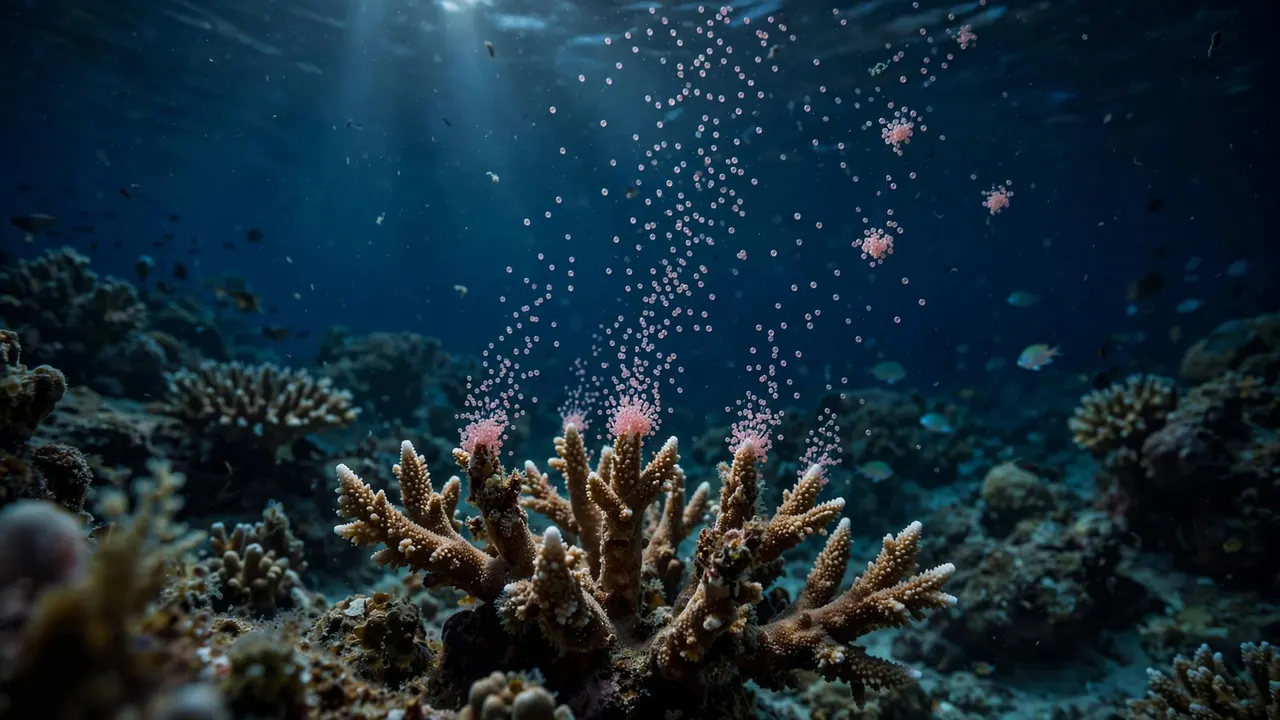
Oahu coral spawning can send tiny reproductive bundles drifting upward from a living reef, but seeing the release is uncommon on a daytime snorkel trip. At Living Ocean Tours, we want you to enjoy the reef while understanding what makes this event so special.
Research in Kāneʻohe Bay gives you a useful picture of when some corals reproduce. With the right expectations, you can appreciate the reef whether or not spawning is visible.
Key Takeaways for Your Snorkel Trip
- Some Oahu corals release egg-and-sperm bundles on summer nights, often around a particular moon phase.
- Timing varies by species and location, so a spawning sighting isn’t guaranteed.
- A daytime snorkel gives you a chance to see living coral, reef fish, and perhaps Hawaiian green sea turtles.
- Keep your fins and hands away from the reef, and give marine life plenty of space.
What Coral Spawning Looks Like Underwater

An illustration of coral releasing reproductive bundles at night.
Coral spawning is a short-lived reproductive event. In some species, many colonies release small bundles containing eggs and sperm into the water at roughly the same time.
Those bundles rise toward the surface, where they break apart. If fertilization occurs, coral larvae can eventually settle on suitable hard surfaces and begin growing into new colonies. Many won’t survive, but the process gives reefs a chance to produce new coral.
Up close, you might notice tiny specks lifting away from the coral. Depending on the species and conditions, the release can be subtle rather than a dramatic cloud filling your view. Darkness, moving water, and limited visibility make it easy to miss.
Coral is an animal, even though a colony can resemble a rock or plant. The structures you see on a reef are built by small animals called polyps. When you float above a colony during the day, you’re looking at living animals that can take part in the reef’s reproductive cycle.
When Oahu Coral Spawning Has Been Observed
Spawning doesn’t follow one schedule across every reef. Species respond to different cues, and the timing observed in Kāneʻohe Bay doesn’t predict exactly what will happen off Waikiki.
Summer Nights in Kāneʻohe Bay
Researchers studying rice coral, Montipora capitata, have recorded spawning in Kāneʻohe Bay during summer. The largest releases in one study occurred in June and July, with smaller events sometimes observed in August.
For this coral, the events were associated with the new moon. Researchers documented releases around or shortly after it, often beginning around 9 p.m. On June 5 and 6, 2016, for example, spawning was recorded one to two days after the new moon.
Those observations are useful clues, not a booking calendar. Even at the same location, you shouldn’t expect every colony to release bundles on a particular night.
Different Corals Follow Different Patterns
Another coral, Montipora flabellata, has shown a different lunar pattern in Kāneʻohe Bay research. Observations included spawning after a June full moon, rather than around the new moon pattern associated with M. capitata.
That distinction matters when you plan a visit. A moon phase that corresponds with one species’ spawning may tell you little about another coral nearby. A summer trip gives you a chance to snorkel during a season when researchers have observed reproduction, but it doesn’t promise a visible release.
Signs You Might Notice Near the Reef
The clearest sign of coral spawning would be bundles rising directly from a colony. A casual visitor, however, may be more likely to notice changes at the surface than the release itself.
Hawaiʻi Sea Grant describes a light-colored surface slick and a fishy ocean smell as possible signs of coral spawning season. Neither sign confirms that spawning is happening at your snorkel site. Surface conditions have many possible causes, and a slick may be difficult to identify.
You may also see small particles drifting through the water. Sand, plankton, and other natural material can look similar, so you can’t identify coral spawn by appearance alone.
During Oahu coral spawning season, keep your expectations open. The reef fish moving among coral heads, the shape of a living colony, and a passing turtle can make your swim memorable even when there’s no visible spawn.
Plan Your Snorkel Around Conditions, Not a Moon Phase
Choose a Comfortable Daytime Swim
Summer often brings calmer conditions to parts of Oahu, though wind, waves, currents, and visibility still change. Waikiki’s south shore can offer enjoyable snorkeling throughout the year, but no coast is calm every day.
A morning outing can be a comfortable choice because afternoon trade winds may make the surface choppier. Earlier water isn’t automatically clear, so pay attention to the conditions you encounter and your own comfort in the water.
For families and first-time snorkelers, a guided daytime trip offers a practical way to enjoy the reef. You’ll have daylight to see where you’re going and a crew to help you get comfortable with your equipment.
Leave Nighttime Research to the Researchers
Some documented Oahu coral spawning happens well after dark. Night snorkeling adds risks, including reduced visibility, disorientation, and difficulty judging waves or currents.
You don’t need to enter the water at night to appreciate coral reproduction. Instead, use a daytime visit to observe the living habitat that supports it. If you’re interested in the science, the recorded Kāneʻohe Bay observations offer a more dependable account than trying to predict a release yourself.
Protect the Reef While You Watch

An illustrative view of snorkelers observing a reef from above.
Coral grows slowly and can be damaged by a misplaced hand or fin. Give yourself room above the reef, especially in shallow water or when waves lift and lower your body.
Float Above Coral, Rather Than Standing
Stay horizontal at the surface and use small, controlled kicks. If you need a break, move to an appropriate sandy area away from coral, or return to your boat. A flotation aid can also help you rest without putting your feet down on the reef.
Avoid touching coral, collecting fragments, or stirring up sediment for a closer look. If a current pushes you toward a shallow patch, calmly move away instead of trying to brace yourself on the colony.
Give Wildlife Space
Watch turtles and fish without pursuing, feeding, or touching them. When a turtle approaches, remain calm and let it choose its path. Keep the route to the surface open so it can breathe.
For sun protection, consider a rash guard and shade. Hawaiʻi also restricts the sale of sunscreens containing oxybenzone or octinoxate without a prescription. Choosing your gear thoughtfully is one small way to reduce pressure on the reef.
Coral protection also happens beyond your snorkel. Hawaiʻi’s coral restoration nursery grows corals for placement on damaged reefs, while careful visitors help protect the colonies already in the water.
See Waikiki’s Reef With Our Snorkel Guides
At Living Ocean Tours, we welcome beginners and experienced snorkelers aboard near Waikiki. Our professional snorkel guides join you in the water, offer tips, and help you feel comfortable as you look for marine life.
A Daytime Reef Trip for Families
Our Deluxe Waikiki Snorkeling and Wildlife Cruise visits a less-crowded reef and includes time for snorkeling. You can also enjoy a boat-mounted waterslide, water trampoline, and floating lily pad.
The 2.5-hour trip starts at $79 and welcomes guests ages 3 and up. It’s a chance to enjoy Waikiki’s marine life, rather than a coral-spawning viewing trip.
What to Expect in the Water
Your guides can help you settle in with your equipment and point out reef life. Bring your curiosity and give the animals room to move naturally. Conditions and wildlife sightings vary, so each outing is different.
Ready to join us? CHECK AVAILABILITY for the Deluxe Waikiki Snorkeling and Wildlife Cruise.
Oahu Coral Spawning FAQ
Can You See Coral Spawning During the Day?
Some coral species reproduce in different ways, but the Montipora capitata releases described in the Kāneʻohe Bay research occurred at night. You shouldn’t expect to see that event on a daytime Waikiki snorkel.
You can still observe the colonies and reef life that make reproduction possible. Look for coral shapes and the fish moving around them while keeping a respectful distance.
Is Summer the Only Time Coral Reproduces?
No. Reproductive timing depends on the species and location. Research in Kāneʻohe Bay found substantial summer spawning for M. capitata, while another studied species had a different reported season and lunar pattern.
Avoid treating those findings as a schedule for all of Oahu. The research shows how varied coral reproduction can be, even within one bay.
Will Coral Spawn Hurt You?
Don’t touch coral or material you suspect is spawn. If you notice unusual material in the water, give it space rather than trying to collect or handle it. Your main focus should remain safe swimming and avoiding contact with the reef.
If ocean conditions feel uncomfortable, return to your boat or leave the water. A guide can help you get back safely and decide whether you’d prefer to take a break.
Can You See Turtles During Spawning Season?
Hawaiian green sea turtles live around Oahu year-round, so you may encounter one on a summer snorkel. Their presence doesn’t mean coral is spawning, and sightings are never guaranteed.
Enjoy any encounter from a respectful distance. Watching a turtle move through its habitat is rewarding without trying to get close.
Enjoy the Living Reef
Oahu coral spawning is a reminder that the reef is alive, even when its reproductive cycle stays out of sight. Summer research observations offer context, but your best snorkel plan starts with safe conditions and realistic expectations.
Float gently, watch the life around you, and leave every coral colony where you found it. That approach makes your visit rewarding while giving the reef room to continue its work.


