
Maunalua Bay Snorkeling: Access and Conditions
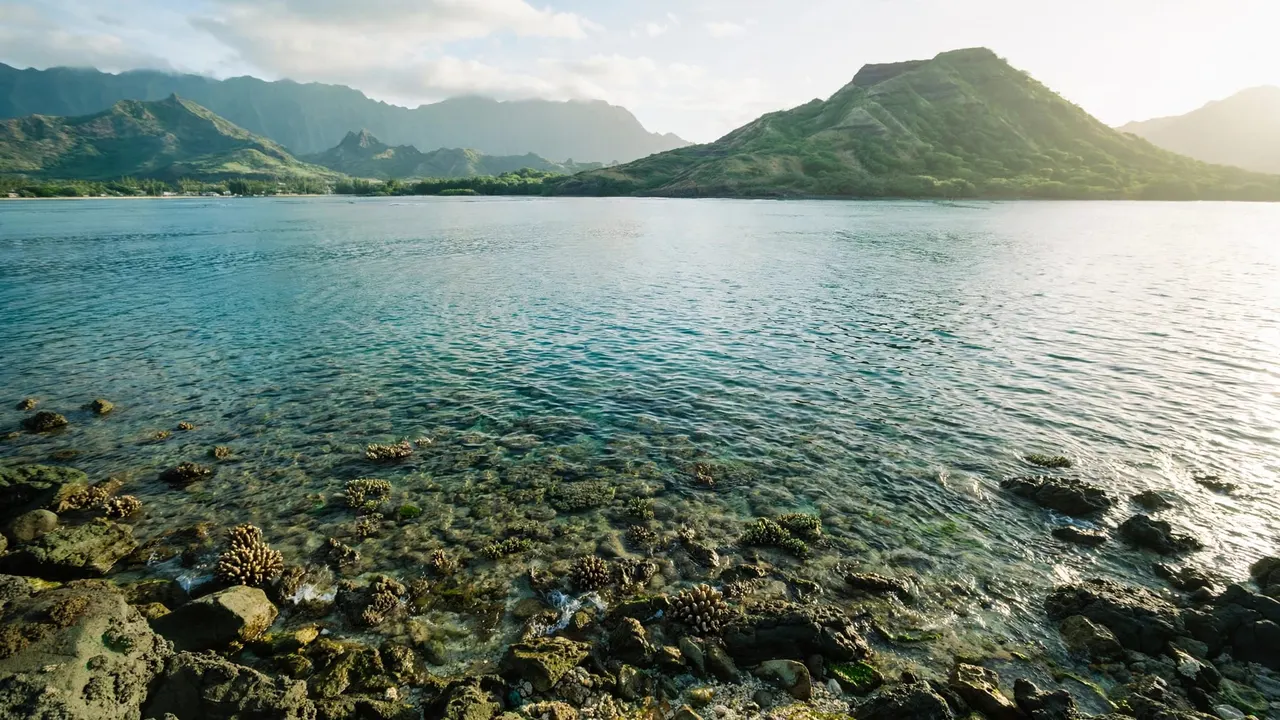
Maunalua Bay snorkeling can be rewarding when you choose a suitable entry and the ocean conditions match your ability. The bay covers a broad stretch of southeastern Oahu, so a calm-looking shoreline doesn’t guarantee an easy swim everywhere.
At Living Ocean Tours, we want you to feel prepared before you get in the water. Start with the bay’s layout, then make your decision based on the conditions at your chosen entry.
Key Takeaways for Your Visit
- Maunalua Bay is a large coastal area, not a single snorkeling beach.
- Maunalua Bay Beach Park provides waterfront access, but a park visit doesn’t automatically make the nearby water suitable for snorkeling.
- High surf, strong currents, poor visibility, and a difficult exit are reasons to stay on shore.
- The bay is part of a fisheries management area. Give coral and wildlife space, and leave marine life where you find it.
- Our guided Waikiki snorkeling cruise is an alternative if you prefer a boat trip with crew support.
What Maunalua Bay Snorkeling Is Like

Maunalua Bay lies along Oahu’s southeastern coast, near Hawaii Kai and east of Waikiki. Its wide shoreline includes different coastal environments, so your experience depends on where you enter and what the water is doing that day.
One Bay, Many Different Conditions
You can encounter shallow water, sandy areas, and reef habitat across the bay. However, those features don’t make every entry equally accessible or appropriate for every swimmer.
A place that looks inviting from shore may have limited underwater visibility or a return route affected by waves. Give yourself time to observe the water before putting on your gear. If you can’t identify a comfortable entry and exit, choose another activity.
A Management Area, Not One Snorkel Site
The Maunalua Bay Fisheries Management Area covers a defined stretch of water along this coast. Its boundaries describe where fishing rules apply. They don’t identify a single swimming area or guarantee conditions at a particular reef.
That distinction matters when you plan your visit. Use the name of your intended entry point when discussing the day’s conditions, rather than assuming a description of the whole bay applies to your spot.
Finding Shore Access at Maunalua Bay
Maunalua Bay Beach Park is a waterfront park with bay access and a boat ramp. It’s a useful landmark for orienting yourself, but you should assess the water separately before treating it as a snorkel entry.
Choose Your Entry and Exit Together
Before entering, identify a place where you can return without crossing breaking waves or navigating over coral. Watch the water for several minutes, including larger wave sets. A brief calm period doesn’t tell you how easy the return will be.
Stay away from the boat ramp and areas where boats are moving. A snorkeler at the surface can be difficult for a boat operator to see, particularly when there is glare or chop.
Respect Neighborhoods and the Shoreline
Use public access rather than crossing private property. Park legally, keep noise down near homes, and take everything you brought back with you. These small choices help you enjoy the coast while respecting the people who live nearby.
Bring your own drinking water, a towel, and a way to protect yourself from the sun. For Maunalua Bay snorkeling, plan around the shoreline you can access safely rather than a distant reef you hope to reach.
Read the Water Before You Snorkel

Your best snorkeling day is one where everyone in your group can enter, swim, and return comfortably. Conditions can change, so make the final decision at the water’s edge.
Surf, Wind, and Visibility
The National Weather Service publishes a Hawaii surf forecast that gives you a broader picture of wave conditions. It doesn’t replace observing your exact entry point.
High surf, heavy shorebreak, strong currents, and strong winds make snorkeling more demanding. Cloudy water is another reason to wait: if you can’t see the bottom or keep track of your buddy, it’s harder to judge your surroundings.
Rain and runoff can also affect water clarity. Give the shoreline a careful look, and skip the swim if the water appears murky or you see debris moving through it.
Plan for the Return Swim
It’s easy to focus on getting out to a reef and overlook the trip back. Before you enter, notice how the water moves near your planned exit and consider whether everyone in your group has enough energy to return.
Stay within a distance that feels comfortable for the least experienced swimmer. If you feel tired, cold, or uneasy, head back with your buddy rather than continuing farther along the coast.
Prepare Your Gear and Your Buddy
A comfortable mask and a well-fitting snorkel help you pay attention to the water instead of fussing with equipment. Adjust your mask before entering, and practice breathing through your snorkel in an appropriate, supervised setting if you’re new to it.
Use Flotation for Support
A snorkel vest or other appropriate flotation can make it easier to rest at the surface. However, flotation doesn’t replace swimming ability, a buddy, or close supervision of children.
Fins help you move through the water, but they also make it important to watch your distance from the bottom. Keep your kicks gentle and your fins clear of coral.
Agree on a Simple Plan
Snorkel with a buddy and stay close enough to communicate. Before you enter, agree on where you’ll swim, where you’ll return, and the hand signal you’ll use if either of you wants to stop.
If someone becomes uncomfortable or short of breath, end the swim together. At a lifeguarded beach, follow posted warnings and speak with the lifeguard about the intended swimming area.
Protect Coral and Give Wildlife Space
Maunalua Bay snorkeling puts you in a living marine habitat. Your job as a visitor is to enjoy it without disturbing the animals or the reef.
Float Above the Reef
Coral is living habitat, so avoid touching it or standing on it. Choose a route with enough clearance for your body and fins, and return to a suitable sandy exit if you need a break.
A long-sleeved rash guard or other sun-protective clothing can reduce the amount of sunscreen you need. If you use sunscreen, choose a product that complies with Hawaii’s sunscreen rules.
Observe Animals Without Interfering
You may see reef fish, and a sea turtle encounter is possible, but wildlife sightings are never guaranteed. Watch quietly from a respectful distance. Don’t chase, feed, touch, or crowd an animal, and give it room to move away.
The fisheries management area also has restrictions on taking certain marine species. Even when you’re only snorkeling, leaving shells, animals, and other natural features where you find them is a good practice.
Is Maunalua Bay Right for Your Group?
Maunalua Bay can appeal to confident snorkelers who enjoy planning an independent shoreline outing. You’ll need to judge the entry, stay aware of your surroundings, and know when to postpone the swim.
For families with new swimmers, those decisions deserve extra attention. A shallow-looking area isn’t automatically safe, and a child’s comfort can change quickly in open water. Keep children close, provide active adult supervision, and choose an outing that fits the least experienced person in your group.
If you’re new to snorkeling, a guided trip can offer a more structured introduction. You still need to be honest about your swimming ability and tell the crew when you need help. Guidance and flotation support don’t remove every ocean risk.
Choose a Guided Waikiki Alternative
If you’d rather snorkel with a crew, our Deluxe Waikiki Snorkeling and Wildlife Cruise departs from Kewalo Basin Boat Harbor in Honolulu. This is a Waikiki-area boat trip, not a promise of snorkeling in Maunalua Bay.
The 2.5-hour cruise starts at $79 and includes snorkeling gear. You can enjoy the water slide, water trampoline, and floating lily pad, while our professional snorkel guides help you get comfortable in the water. Let our crew know if it’s your first time snorkeling or if anyone in your group needs extra support.
Wildlife encounters are part of the adventure, but animals choose where they go. We encourage you to observe them without touching or pursuing them.
CHECK AVAILABILITY for the Deluxe Waikiki Snorkeling and Wildlife Cruise.
You can also browse availability across our ocean tours.
Maunalua Bay Snorkeling FAQ
Can beginners snorkel in Maunalua Bay?
A beginner’s decision depends on the entry point, the day’s conditions, and their comfort in the water. The bay is broad, and conditions aren’t uniform. If you can’t find a suitable entry and exit or aren’t comfortable assessing the water, choose a guided option instead.
Is Maunalua Bay Beach Park a snorkeling beach?
The park provides waterfront access, but that alone doesn’t establish a safe snorkeling area. Watch for boat activity and assess the water at your intended entry. Avoid the boat ramp and stay out if waves, currents, or visibility make the swim uncertain.
Can you see turtles while snorkeling?
You may encounter Hawaiian green sea turtles in Oahu waters, but sightings depend on where the animals choose to go. If you see one, give it plenty of space and let it continue undisturbed. Never touch or chase a turtle for a photo.
Make a Thoughtful Plan for the Bay
Maunalua Bay offers an opportunity to enjoy Oahu’s southeastern coast, but a good visit starts with a safe entry and return. Give yourself permission to stay on shore when conditions don’t suit your group.
Choose an outing that matches your experience, snorkel with a buddy, and leave the reef and its wildlife undisturbed. That preparation makes your time in the water more enjoyable for everyone.


