
Boat Tour Waikiki: Marine Debris Reporting Guide
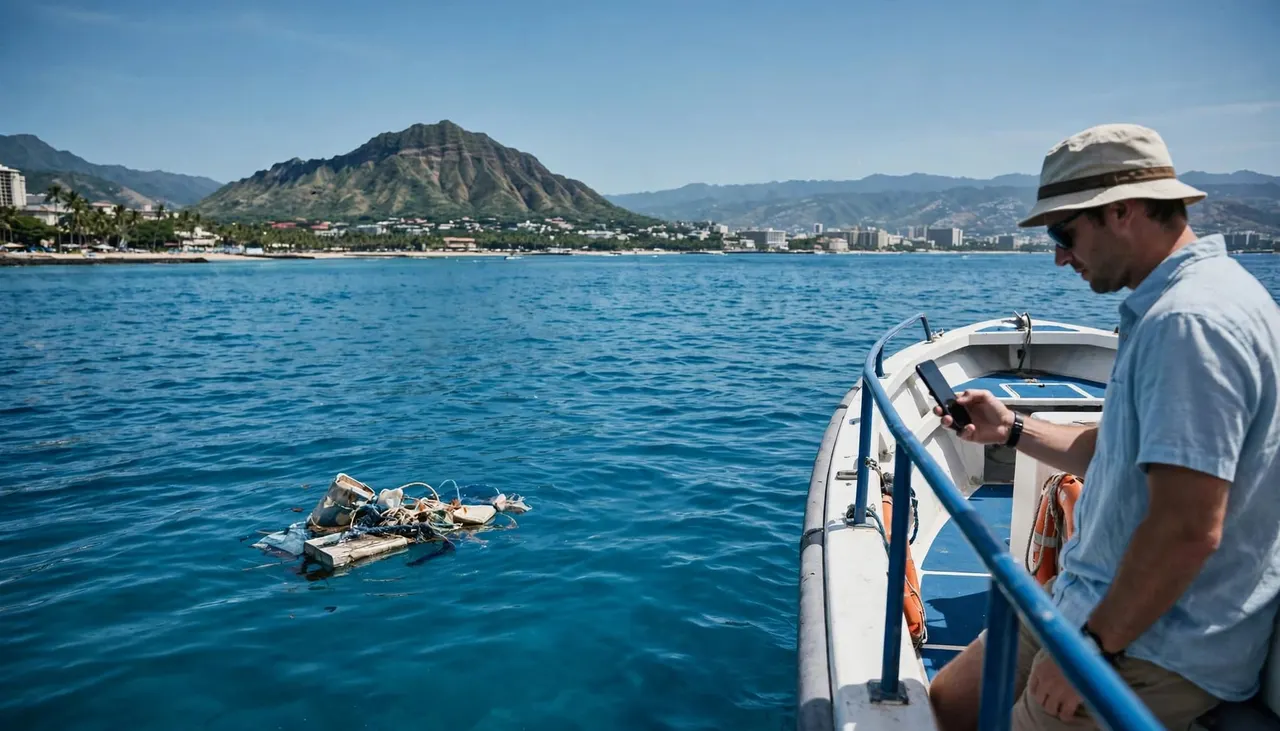
A piece of floating plastic can look small from a boat, yet it may travel for years and harm marine life long after your vacation ends. Marine debris reporting gives you a practical way to help without taking unsafe risks.
When you head out with Living Ocean Tours from Kewalo Basin Boat Harbor, you get more than a memorable view of Waikiki’s coast. You also have a chance to watch the ocean responsibly, spot problems early, and leave Hawaii’s reefs and wildlife better protected.
You don’t need to become a cleanup crew to make a useful report. You need to notice what you see, record the right details, and contact the right agency.
What Marine Debris Reporting Means on Oahu
Marine debris is any persistent manufactured material that enters the ocean or shoreline where it doesn’t belong. It can be a bottle, fishing line, foam, a damaged buoy, a cargo container, or an abandoned vessel.
On a boat tour Waikiki visitors often spot debris farther offshore than beachgoers can see. That makes your observation useful, especially when an item could drift toward a reef, shoreline, or wildlife habitat.
Items that deserve a closer look
Fishing nets, long lines, rope bundles, large plastic sheets, and foam blocks deserve attention. These items can entangle turtles, seabirds, monk seals, and fish.
You should also report debris that carries attached organisms. Barnacles, algae, and other growth may indicate that an object has traveled a long distance. Moving it can spread invasive species to a new area.
Natural material is different
Driftwood, seaweed, shells, and coconut fronds are part of the coastal environment. Leave them in place unless a local authority says otherwise.
However, a large log floating in a busy channel can become a navigation hazard. If it threatens boats or swimmers, treat it as a safety issue rather than ordinary beach debris.
Hawaii’s response work follows the Hawai’i Marine Debris Action Plan, which brings government agencies, community groups, and conservation organizations together around prevention and removal.
Keep Yourself and Wildlife Out of Harm’s Way
Your first job is to observe safely. Never jump overboard, reach over a rail, or swim toward debris. Ocean conditions shift quickly around Waikiki, even on a calm-looking day.
A floating object may conceal sharp metal, hooks, tangled line, chemicals, or animals. Give it space and tell the captain or crew what you saw.
Don’t pull nets or ropes aboard
A net can be much heavier than it appears. It may also have tension beneath the surface, trapped animals, or marine growth that needs trained handling.
Rope and monofilament line can cut hands easily. If you pull an attached line, you may also drag debris into a reef or worsen an animal’s entanglement.
Leave hazardous objects alone
Avoid touching oil drums, fuel containers, medical waste, batteries, flares, or unknown containers. Don’t collect broken plastic if it has sharp edges or contamination.
A photo with location data is more useful than a risky attempt to remove an item from a moving boat.
If you see debris near a turtle, reef, or swimmer, alert the crew immediately. They can keep the vessel clear while they determine the safest next step.
Marine Debris Reporting From a Waikiki Boat
A strong report helps response teams locate the item before tides and wind move it. You don’t need fancy equipment, but a few clear details can save time.
The NOAA Marine Debris Program uses field information to identify debris patterns and support prevention efforts. Your report can add a useful observation to that larger picture.
Capture a useful record
Take photographs only when you can do so without losing your footing or distracting the crew. Zoom from a safe distance rather than leaning over the side.
Write down the date, approximate time, boat location, and nearby landmark. Diamond Head, Koko Head, the Waikiki shoreline, a channel marker, or a reef edge can help narrow the location.
Include these details when possible:
- Describe the material, such as netting, rope, foam, plastic, metal, or a vessel fragment.
- Estimate size using a familiar reference, such as “about the length of a paddleboard.”
- Note whether it is floating, partially submerged, grounded, or wrapped around reef structure.
- Record any visible animals, attached organisms, oil sheen, labels, or loose fishing gear.
Make location information actionable
Turn on your phone’s location setting before taking a photo. Photo metadata can preserve GPS coordinates, which helps responders find an item that may move with the current.
If you can’t capture coordinates, use the boat’s route, a screenshot of your map, and a landmark. Tell the crew as soon as possible because they may be able to record a more exact position.
Use the Right Honolulu Reporting Channel
The right contact depends on the debris type and urgency. A bottle on a quiet beach doesn’t need the same response as a drifting fishing net.
For sizable debris, nets, lines, ropes, debris with attached organisms, or items too large to remove by hand, contact the DLNR Marine Debris Rapid Response Program. Call 833-4-DA-NETS (833-432-6387) and press 2 for Oahu.
When an online report works well
DLNR also accepts online reports for larger objects, including vessels, containers, and substantial debris. Use the form when there is no immediate danger and you have photos, a detailed location, and a description.
Provide your contact information in case responders need clarification. A report that says “plastic near Waikiki” is hard to act on. A report with coordinates, size, photos, and a sighting time gives a crew a starting point.
Report abandoned vessels correctly
For an abandoned or grounded vessel, use the same hotline and select the vessel option. If the vessel sits on land rather than in ocean waters or on the shoreline, contact the county authority responsible for that location.
Never board a derelict boat. Loose deck hardware, fuel, unstable structures, and changing surf make them dangerous.
Act Fast When Wildlife or Hazards Are Involved
Some sightings need immediate attention. A fast call can prevent an injury to a person or an animal.
If you see a turtle, monk seal, dolphin, whale, seabird, or other marine animal entangled in debris, do not attempt a rescue yourself. Keep your distance, note the location, and call the statewide marine wildlife hotline at 888-256-9840.
Entangled animals need trained responders
Approaching an entangled animal can cause panic or force it deeper into the water. A line may also be wrapped around its body in places you can’t see.
Share photos only if you can take them safely from a distance. Then follow instructions from responders and the boat crew. Hawaii’s marine debris safety guidance also directs visitors to report debris with living organisms or large hazardous gear through the rapid-response hotline.
Spills and navigation hazards require urgent calls
Call 911 if a situation creates an immediate threat to people. For a filled oil drum, an oil spill, or a possible chemical spill, contact the National Response Center at 1-800-424-8802.
For very large floating debris that threatens navigation, contact the U.S. Coast Guard Sector Honolulu Command Center at 808-842-2600. Keep a safe distance and let trained personnel manage the scene.
Choose a Waikiki Tour That Respects the Ocean
Your boat choice shapes your day on the water. A responsible crew sets clear wildlife boundaries, keeps guests safe, and treats environmental observations seriously.
Living Ocean Tours operates Coast Guard-inspected, custom-built double-decker boats near Waikiki. The Coral Kai offers broad open-deck views, while the Lokahi includes shaded seating, restrooms, dry storage, and a SeaKeeper stabilization system to reduce rolling.
Professional guides make a difference
Living Ocean Tours is the only tour company with professional snorkel guides. That support matters if you’re new to open-water snorkeling or visiting with children.
On Turtle Canyon snorkeling tours in Waikiki, you can watch Hawaiian green sea turtles at a natural cleaning station while following the simple rule that protects them best: observe, never touch. The crew supplies gear and guidance, so you can focus on the reef, fish, and safe habits.
If you want a family-friendly reef day, the Deluxe Waikiki Snorkeling and Wildlife Cruise adds a water slide, trampoline, and floating lily pad at a less-crowded snorkel site. Tell a crew member if you spot debris during either experience.
You can also CHECK AVAILABILITY for a Turtle Canyon snorkel outing before your Waikiki stay fills up.
Prevent New Debris During Your Boat Day
Reporting existing debris matters, but prevention starts with what you bring aboard. Pack a refillable bottle, secure hats and sunglasses, and avoid disposable items that can blow overboard.
If a snack wrapper escapes, tell the crew immediately. Quick action is far easier than tracking lightweight plastic after it reaches the water.
Secure loose gear before departure
Check pockets, bags, towels, and flotation gear before the boat leaves the harbor. Wind can carry a napkin or plastic bag farther than you expect.
Choose reef-safe products and use onboard trash and recycling containers as directed. Don’t toss food scraps into the ocean, even if they seem harmless.
Respect the reef while snorkeling
Keep fins clear of coral and maintain a comfortable distance from turtles. Coral colonies grow slowly, and one misplaced kick can break years of growth.
Your photos will be better when you float calmly above the reef. Give wildlife room to feed, rest, and move naturally.
If You Find Debris on a Waikiki Beach
Beach debris calls for the same good judgment as offshore debris. Photograph and report large, hazardous, biologically fouled, or tangled materials before you consider touching them.
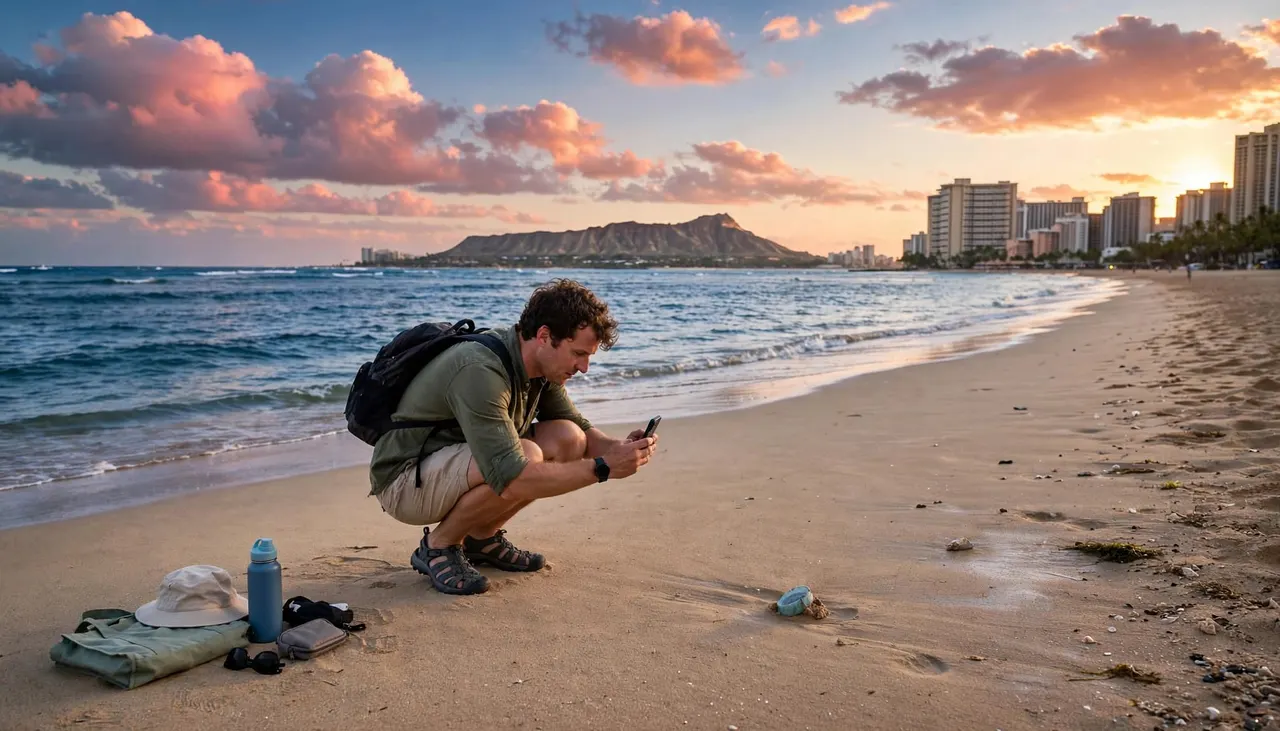
Small, clean litter may be appropriate to pick up if you have gloves, a disposal bin nearby, and no safety concerns. Never handle needles, unknown chemicals, fishing gear, or sharp fragments.
Avoid moving organisms with debris
Leave debris alone if it has barnacles, seaweed, crabs, eggs, or other attached life. It may carry organisms that don’t belong in that area.
Report the object’s location, appearance, and attached growth. The DLNR marine debris resource page lists the information that helps responders prioritize a safe removal.
Share location details, not a risky stunt
Don’t drag a large object across sand for a photo. Instead, capture a wide image that shows its position, then take a closer image from a safe distance.
Social posts can raise awareness, but an official report sends the details to people equipped to respond. Keep your own location notes until you’ve completed the report.
Make Your Ocean Memory Count
A Waikiki boat trip should leave you with saltwater stories, reef photos, and a stronger respect for the Pacific. Marine debris reporting is a small act that can protect the wildlife you came to see.
When you spot a problem, stay back, document it, tell the crew, and use the correct reporting channel. That care helps keep Oahu’s ocean experiences safe and beautiful for the next family, snorkeler, and sea turtle.


