
Can you spot a mantis shrimp burrow off Waikiki?
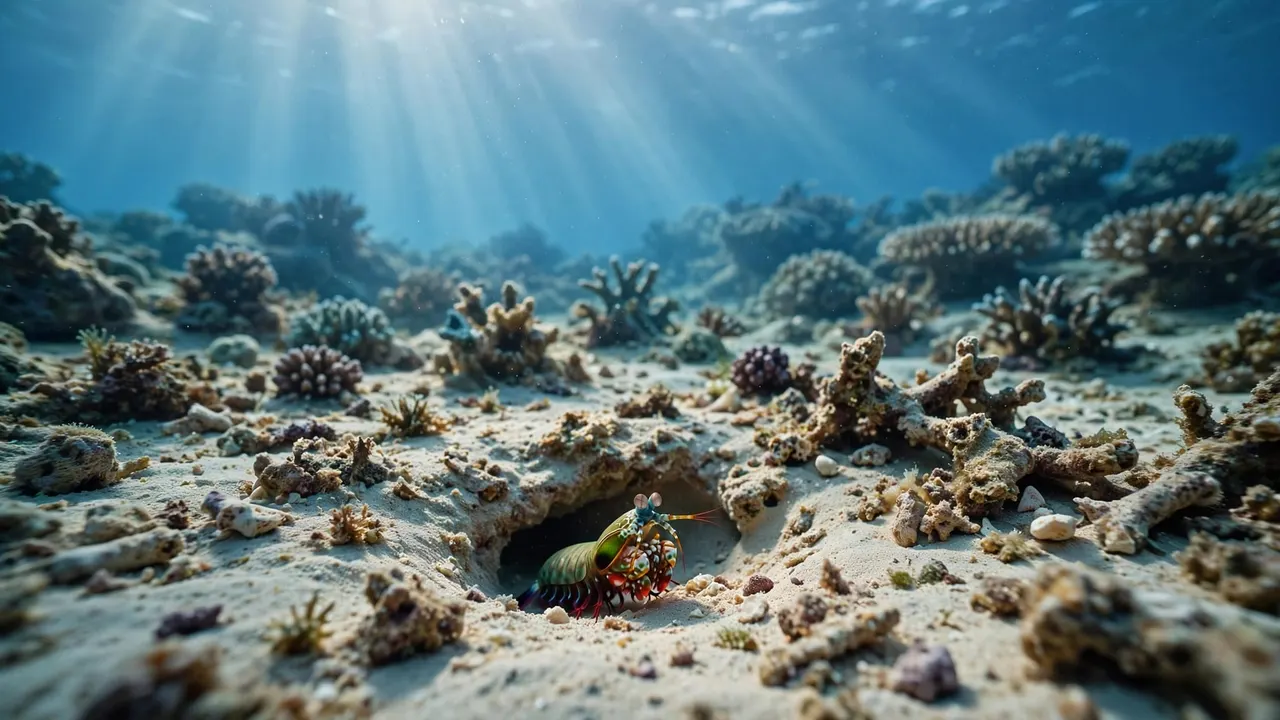
You may notice a possible mantis shrimp burrow while snorkeling off Waikiki, but a hole alone doesn’t identify its resident. Your strongest clue is seeing the animal itself, and that’s a chance encounter rather than something to build your day around.
At Living Ocean Tours, our guided Waikiki ocean outings help you enjoy reef wildlife with support in the water. Smaller, sheltered animals reward patient observation, provided you keep your distance and leave their hiding places intact.
Start with what a burrow can tell you, then focus on watching without changing the scene.
Key takeaways for your reef visit
- A seabed opening is a possible animal shelter, not proof that a mantis shrimp lives inside.
- Mantis shrimp use different habitats, including sand, rock, and coral cavities, so there isn’t one universal burrow appearance.
- Stay at the surface, keep your fins clear of the bottom, and never reach into an opening.
- Choose your snorkeling outing for the whole reef experience, with small-animal sightings as a welcome bonus.
What a mantis shrimp burrow can tell you
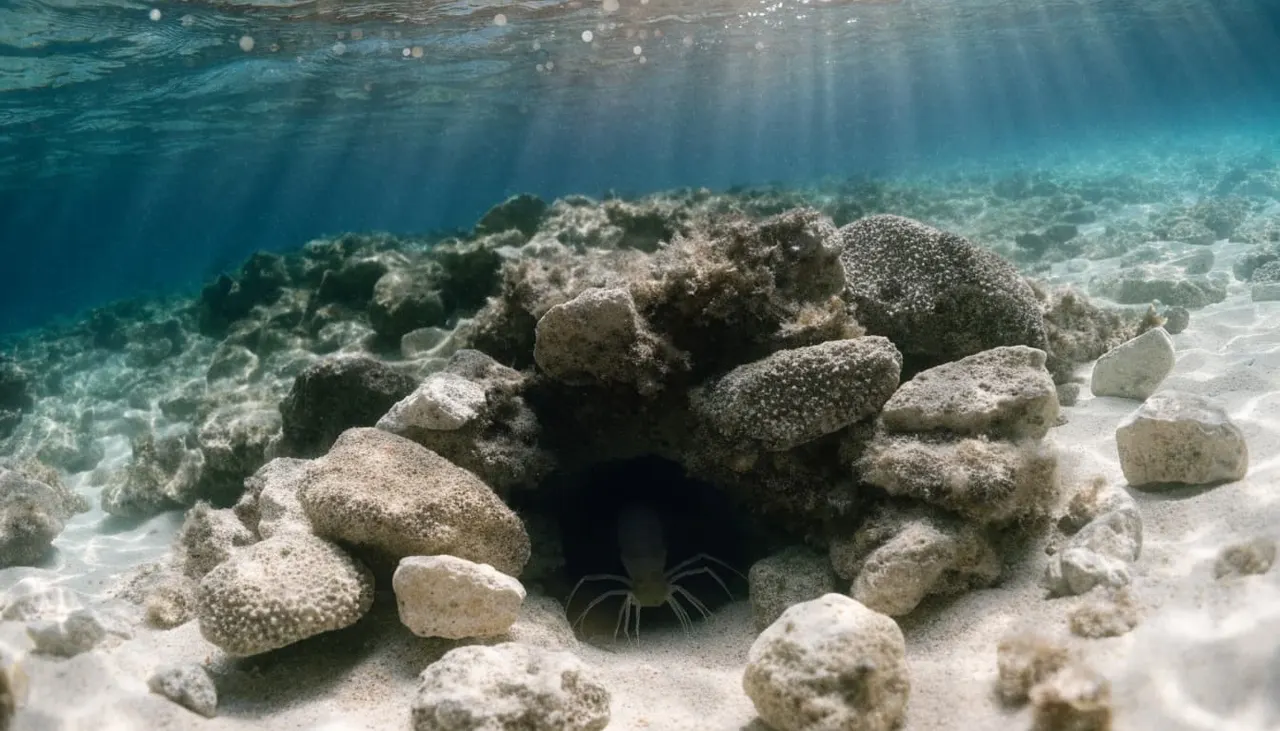
Illustration of a mantis shrimp sheltering at a reef burrow.
A shelter can blend into its surroundings
You won’t always see an obvious structure. An opening can disappear among the shadows and textures of the seabed, especially when you’re looking down through moving water.
The Bureau of Ocean Energy Management describes mantis shrimp burrow habitats in rock, sand, and coral. Its peacock mantis shrimp overview also explains that these animals generally remain sheltered, leaving to find prey or a mate.
That sheltered lifestyle helps explain why you might notice a hiding place without seeing its occupant. However, it doesn’t establish that a particular Waikiki opening belongs to a mantis shrimp.
The resident matters more than the entrance
Crabs, other shrimp, and burrowing animals also use protected spaces. Meanwhile, some visible cavities may have no animal you can see.
Look for an occupant without approaching the opening. If something appears, pay attention to the whole animal rather than deciding from one bright patch or a brief movement.
You don’t need a species name to enjoy the observation. Describing what you saw accurately is more useful than turning an uncertain glimpse into a confident identification.
An empty-looking opening tells you about available shelter. It doesn’t tell you which animal, if any, is inside.
Where to direct your attention while snorkeling
Notice the habitat around an opening
As you swim, pay attention to transitions between sand and reef structure. These areas let you compare open sediment with sheltered spaces without moving closer to either.
National Geographic’s mantis shrimp overview describes these crustaceans in warm, shallow Indian and Pacific Ocean waters. That broad habitat context explains why tropical reef environments interest wildlife watchers. It doesn’t provide a Waikiki sighting location.
Watch exposed surfaces and visible entrances only. Turning rubble or lifting a loose piece of coral changes the habitat you’re trying to observe.
Keep Hawaiian species information in context
One named Hawaiian species, Odontodactylus hawaiiensis, illustrates why habitat descriptions need careful interpretation. Reeflex’s Hawaiian mantis shrimp profile associates it with burrows among sandy, shelly, and coarse rocky material.
That description isn’t a snorkeling route or a promise that you’ll recognize the species from above. Similar-looking seabed material occurs in many places, and habitat alone can’t establish occupancy.
Instead, use habitat information to understand what you’re seeing. You can appreciate how a sheltered animal uses its surroundings without assigning every opening a species.
How to observe without disturbing the reef
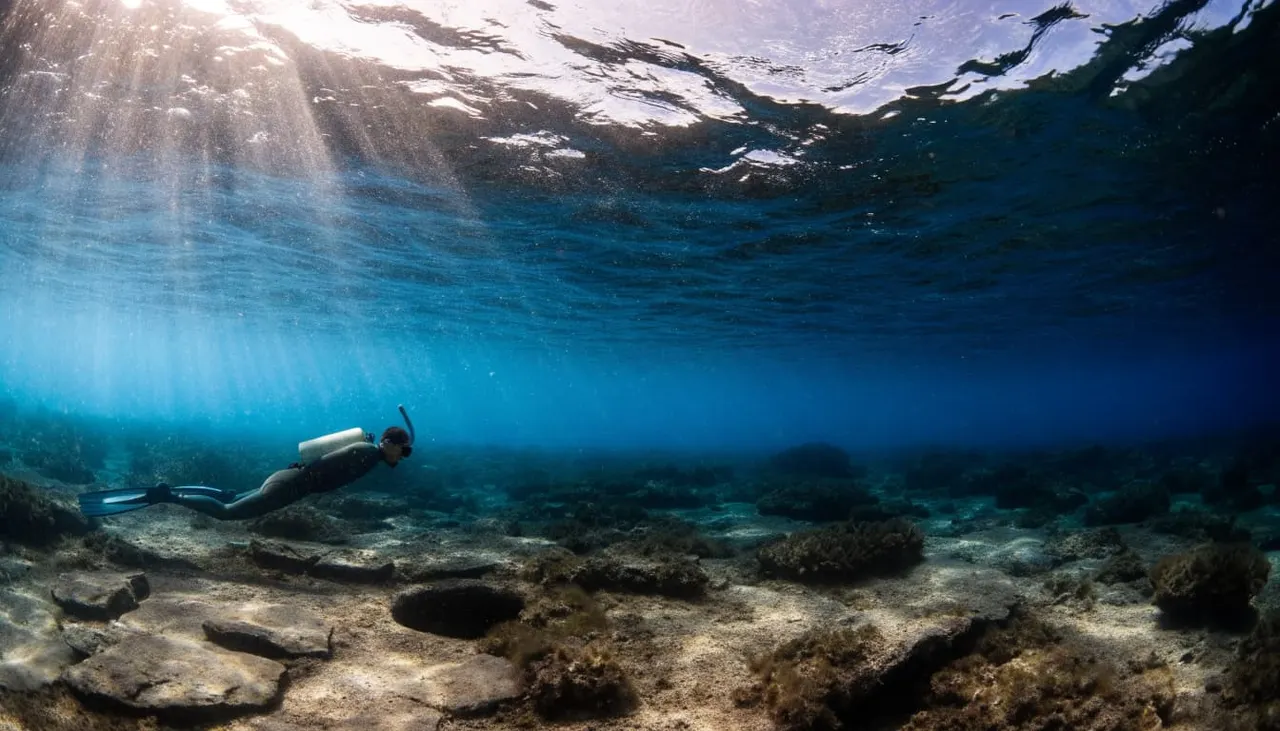
Illustration of surface observation above a shallow reef.
Watch slowly, with space beneath you
Keep your body horizontal and your fins away from the bottom. Gentle movements help you avoid stirring sediment that can obscure your view.
Pause only where you can remain comfortably afloat. If waves or current carry you toward coral, move away rather than trying to hold your position against the reef.
A mantis shrimp burrow is never a reason to reach downward, brace against rock, or wedge yourself beside an opening. Mantis shrimp have powerful prey-catching appendages, and concealed reef spaces can hold other animals too.
For families, make the observation about noticing habitat. Children can describe the sand, shadows, or nearby fish without needing to approach the bottom.
Leave the animal in control of the encounter
Never poke a shelter with a finger, camera pole, or snorkel. Also, don’t offer food to draw its occupant outside.
If an animal retreats, let the encounter end. Waiting nearby is only appropriate when you can maintain distance without crowding its entrance or losing track of your group.
Keep cameras within your swimming space. A wider photograph is preferable to pushing equipment into a crevice, even when your hands never touch the reef.
The same habits apply to turtles and fish. Leave their travel routes open, and never interrupt a cleaning interaction to improve your view.
Get a clearer view without sacrificing safety
A comfortable mask and steady floating position help you notice details. Before focusing on the seabed, address leaks or breathing discomfort with your guide.
Keep breathing normally through your snorkel. Don’t repeatedly dive toward a hole or hold your breath to prolong an uncertain sighting. Your safety matters more than getting close enough for an identification.
Also, look up regularly. A small patch of reef can absorb your attention while your buddy or group moves elsewhere.
Stay close enough to communicate with your buddy, and end the observation together if either person becomes tired. If you need assistance, signal early instead of waiting until you’re struggling.
Water clarity affects what you can recognize, but a particular departure time doesn’t establish whether a hidden animal will appear. Treat the day’s visibility as a limit on observation, rather than a reason to swim closer.
For sun protection, a rash guard reduces exposed skin. Choose mineral sunscreen without oxybenzone or octinoxate, while remembering that a “reef-safe” label doesn’t guarantee zero environmental impact.
Explore Waikiki with our professional snorkel guides
At Living Ocean Tours, we’re Oahu’s only tour company with professional snorkel guides. You have in-water support while learning to manage your equipment and watch wildlife respectfully.
Our trips depart from Kewalo Basin Boat Harbor, near Waikiki. Before entering the water, tell our crew about your swimming comfort and your interest in smaller reef animals. Follow the guide’s boundaries even when something catches your attention.
You can explore our Waikiki snorkeling options for a guided outing that fits your group.
For a turtle-focused experience, our Turtle Canyon Snorkel Tour visits a natural cleaning-station area. Small reef fish clean Hawaiian green sea turtles while you observe without touching or blocking their movement.
Choose this outing for guided reef time and turtle-watching opportunities. You can enjoy the surrounding fish community while leaving concealed animals undisturbed. Equipment and crew instruction help you focus on the experience rather than handling an unfamiliar ocean outing alone.
When you’re ready to plan your Turtle Canyon visit, CHECK AVAILABILITY for your preferred day.
Frequently asked questions
Can you identify a mantis shrimp burrow without seeing the animal?
Usually, you can’t make a confident identification from the entrance alone. Different animals use seabed shelters, and a cavity’s appearance doesn’t establish its resident. If you can’t see the occupant clearly, describe it as an unidentified opening rather than naming an animal.
Should you get closer if something moves inside?
Stay at a distance that lets you float comfortably without contacting the reef. Movement inside a shelter doesn’t justify diving toward it or inserting a camera. If you can’t see more from your safe position, leave the animal concealed and continue with your group.
Can children enjoy looking for small reef animals?
Yes, when they can snorkel comfortably with appropriate supervision and follow the guide’s instructions. Keep the activity brief and focused on observation. Looking for changes in texture or watching nearby fish gives children something interesting to notice without requiring a close approach to the seabed.
What should you do if you can’t identify what you saw?
Share your observations with your guide once you can communicate comfortably. Describe where the animal was, what you could see, and how it moved. A photograph may help if you took it safely, but an uncertain identification is a perfectly acceptable outcome.
Enjoy the details without disturbing the reef
Spotting a possible mantis shrimp burrow can add interest to your Waikiki snorkel, even when its occupant stays hidden. The strongest habit is careful observation that leaves the shelter exactly as you found it.
Float comfortably, stay with your buddy, and let wildlife decide whether to appear. You’ll get more out of the reef by noticing its details without forcing an encounter.


