
Makaha Beach Snorkeling: What to Know Before You Go
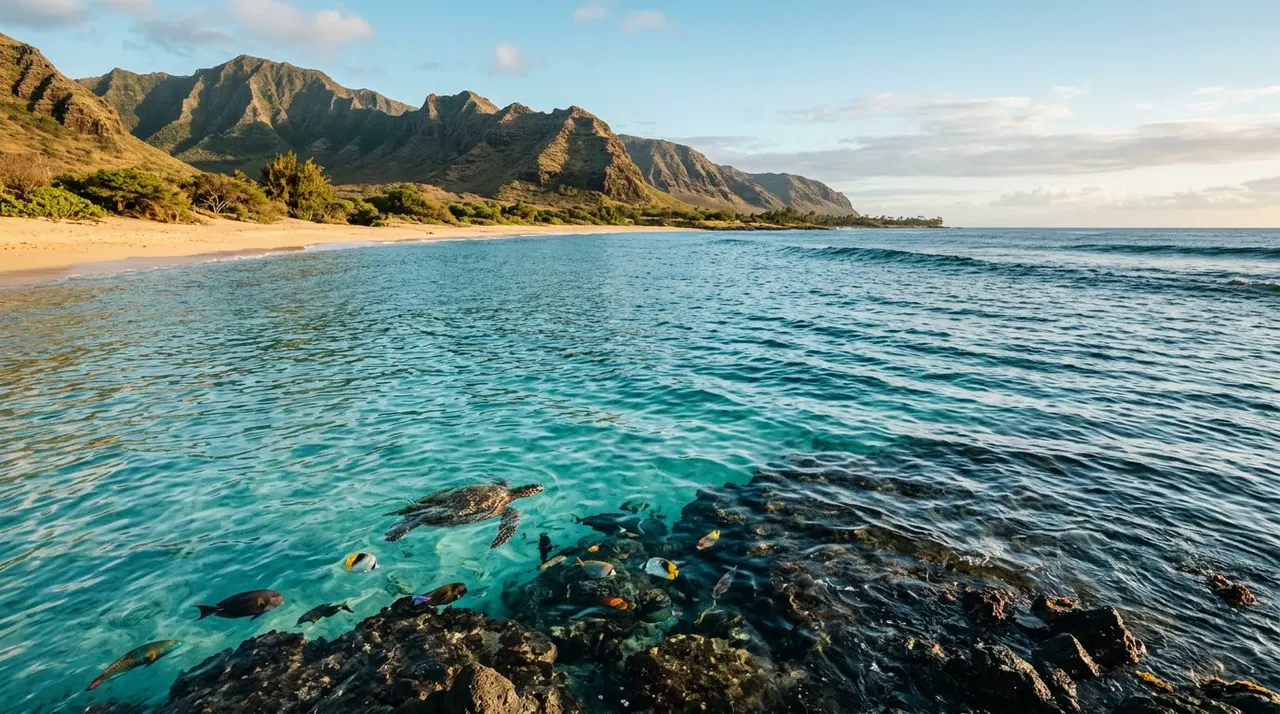
Makaha Beach snorkeling can reward you with clear water, lava reef, tropical fish, and Hawaiian green sea turtles. However, this west Oahu beach is not a casual, shallow-water snorkel spot for every visitor.
If you choose the right season, check the ocean before entering, and respect the reef, Makaha can be a memorable stop along the leeward coast. Before you pack your fins, learn where the reef begins, when visibility improves, and why local conditions matter so much.
Key Takeaways
- Makaha Beach snorkeling is best on calm summer mornings when waves and currents are lighter.
- The main reef sits offshore, and the swim can involve deep water, a steep beach, and changing conditions.
- Winter surf can create dangerous shore break, strong backwash, and rip currents.
- You may see honu and reef fish, but wildlife sightings and visibility are never guaranteed.
- Beginners and families may prefer a professionally guided Waikiki snorkel cruise.
Why Makaha Beach Snorkeling Appeals to Experienced Swimmers
Makaha Beach Park sits on Oahu’s leeward west coast along Farrington Highway. The beach is famous for its broad shoreline, dramatic mountain setting, and powerful surf culture. Big-wave surfing has a long history here, so the same ocean conditions that attract surfers can challenge snorkelers.
The underwater scenery changes as you move away from the sandy shoreline. Much of the center beach has a long sandy bottom, while rocky reef appears closer to the ends. The better snorkeling area is generally offshore near the reef edge, often toward a buoy and along the channel.
That layout makes Makaha more suitable for confident swimmers than for someone trying snorkeling for the first time. You may need to swim a considerable distance before reaching the most interesting habitat. Water depth can reach 15 to 35 feet or more, depending on where you explore.
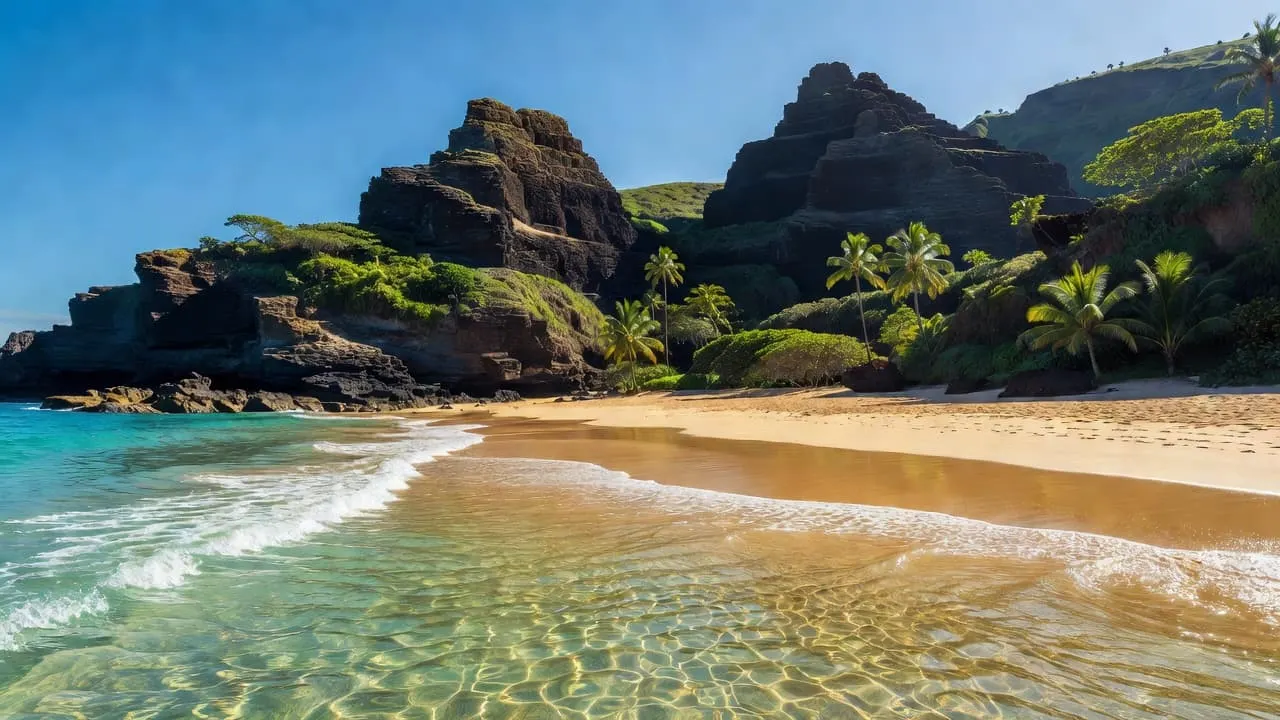
The setting is part of the appeal. On a calm day, you can look back toward the Waianae Mountains while floating above dark lava rock and patches of coral. Yet the beach’s beauty shouldn’t distract you from the water’s movement. A calm-looking surface can still hide surge, backwash, or a current near the reef.
When to Go for Clearer Water
Summer is usually the better season for Makaha Beach snorkeling. Smaller waves and calmer mornings can improve visibility and make the shore entry easier. Weekday mornings may also feel less crowded than the winter surf season.
Winter brings larger swells to Oahu’s west coast. Makaha is a renowned surf beach, and winter waves can reach extreme heights. Even when the outer break looks manageable, shore break may send powerful water up the steep beach.
Plan around the ocean, not your calendar. Check the forecast before leaving Waikiki, then look at the actual conditions when you arrive. If waves are breaking hard across the entry area, the water is cloudy, or swimmers are being pushed sideways, choose another activity.
Morning conditions often give you the best chance of calm water. Winds can increase later in the day, stirring sand and reducing visibility. The reef may look inviting from shore, but visibility usually improves only when waves settle and suspended sand clears.
A calm morning is a better indicator than a sunny forecast. Bright skies don’t prevent strong currents or shore break.
If you aren’t comfortable reading surf conditions, ask a lifeguard or local ocean safety professional. Never enter because other people are in the water. Strong swimmers can also misjudge Makaha when the beach slope and current work together.
What You Can See Underwater
Hawaiian green sea turtles, called honu, are a realistic possibility around Makaha’s reef. They may rest near rocky areas or move through the reef in search of food. Still, you should treat every sighting as a gift rather than a guarantee.
Tropical reef fish and some live coral also appear in the area. The fish population can seem modest compared with protected snorkeling sites that receive less surf exposure. Visibility varies sharply with wave activity, and the sandy bottom can cloud the water after a rough period.
The best approach is to move slowly and scan the reef instead of racing from one spot to another. Look beneath ledges without putting your hands into crevices. Small fish often blend into the rock, while turtles can pass through the area without warning.
Give every animal plenty of room. NOAA guidance recommends keeping about 6 to 10 feet from Hawaiian green sea turtles. Never touch, chase, feed, block, or ride a turtle. If a honu changes direction because of your position, you are too close.
Hawaii’s marine environment also has legal protection and public responsibilities. The Hawaii Environmental Court handles matters involving beaches, water, and marine life. You help protect the reef by observing quietly, keeping your fins off coral, and taking all belongings back to shore.
Makaha Beach Snorkeling Safety Tips
Makaha requires more attention than a sheltered lagoon. The beach has a steep profile, which can create strong backwash as waves rush back toward the ocean. That movement can knock you off balance or pull your fins into deeper water.
A persistent rip current can also develop near the southern end by the point. It may pull swimmers toward rocks or deeper water. Before entering, watch the water for several minutes. Look for channels where waves break less often, foam moving steadily seaward, or swimmers being carried away from the beach.
If you get caught in a rip, stay calm. Don’t fight directly against the current. Float, signal for help, and swim parallel to the shoreline until you move out of the current. Then angle back toward shore when the water carries you safely.
Use these basic precautions:
- Enter only when the shore break is mild and the water is clear enough to see movement.
- Wear fins only after you reach water deep enough to avoid scraping the bottom.
- Use a properly fitted mask and snorkel, and consider a flotation aid if you need extra support.
- Snorkel with a buddy who can call for help and keep track of your position.
- Stay away from the southern point if a current is pulling toward rocks.
- Leave the water immediately if conditions grow rough or visibility drops.
Makaha is not the place to test your swimming ability. Children, inexperienced snorkelers, and anyone uncomfortable in deep water should choose a supervised site with professional guidance instead.
For emergencies, call 911. Ocean Safety can be reached at (808) 723-8170. Keep your phone secured in a waterproof case, but don’t depend on it as your only safety plan.
Is Makaha Right for Your Group?
Makaha can suit strong swimmers, experienced snorkelers, and travelers who want a less polished beach experience. You get a wide shoreline, a striking mountain backdrop, and the chance to explore a west-side reef away from Waikiki’s busiest areas.
However, the beach is a poor match for groups with mixed swimming ability. One person may feel comfortable swimming toward the reef while another may struggle with the entry, depth, or current. Staying together can limit how far the strongest swimmers want to go.
Families should also think about the shore break. Calm summer conditions may create a pleasant beach day, but conditions can change quickly. A child who enjoys floating in a pool may still feel overwhelmed by waves, surge, and deep water.
For a relaxed beach visit, you can enjoy Makaha from shore and make a snorkeling decision after observing the ocean. You don’t need to enter the water to have a worthwhile west Oahu experience.
A Guided Alternative from Living Ocean Tours
If you want professional support and easier access to Oahu’s marine life, Living Ocean Tours operates from Kewalo Basin Boat Harbor, just minutes from Waikiki. Its guided experiences focus on the Waikiki coastline, where crew members provide instruction, safety support, and help with water entry.
Living Ocean Tours is the only tour company highlighted here with professional snorkel guides. That matters when you are traveling with children, trying snorkeling for the first time, or want help identifying marine life without guessing.
The fleet includes Coast Guard-inspected, custom-built double-decker vessels, including the Coral Kai and Lokahi. Both boats offer shaded seating, restrooms, dry storage, and sturdy ladders. The Lokahi also includes SeaKeeper stabilization technology, which helps reduce rolling and can make the ride more comfortable for guests who worry about seasickness.
The Turtle Canyons Snorkel Excursion is the closest fit for visitors who want a guided wildlife encounter. The tour visits a natural underwater cleaning station with a reported 95% success rate for spotting Hawaiian green sea turtles. You still need to follow crew instructions and observe turtles without touching them.
You can review the Turtle Canyon Snorkel Tour before choosing between a shore snorkel and a boat-based experience.
A guided boat trip can also give your group more time in the water without the long swim from shore. You can browse the company’s guided snorkel cruises to compare current options, boat amenities, and departure details.
How to Choose Between Makaha and Waikiki
Choose Makaha when you want a west-coast beach day and you already understand ocean conditions. Go in summer, arrive early, and leave the water if the shore break becomes difficult. The beach works best when the ocean is calm and your group can handle a deep-water swim.
Choose a guided Waikiki trip when you want professional instruction, organized equipment support, and a more predictable schedule. This option also saves you the drive from Honolulu to the leeward coast, which can take about an hour by car depending on traffic.
Neither option guarantees a turtle sighting. The difference is the level of support and the way you reach the reef. Makaha asks you to judge the ocean and swim from shore. A guided excursion gives you a crew, a planned route, and boat access to a selected snorkeling area.
Conclusion
Makaha Beach snorkeling can be rewarding when summer conditions are calm and you have the swimming skills for deep water, currents, and a steep shore entry. Turtles may visit the reef, but safe conditions should always matter more than a wildlife sighting.
If your group includes beginners or young children, a professionally guided trip from Waikiki offers a more comfortable way to experience Oahu’s marine life. Whichever option you choose, give the ocean your full attention and leave every turtle, coral formation, and reef fish undisturbed.


